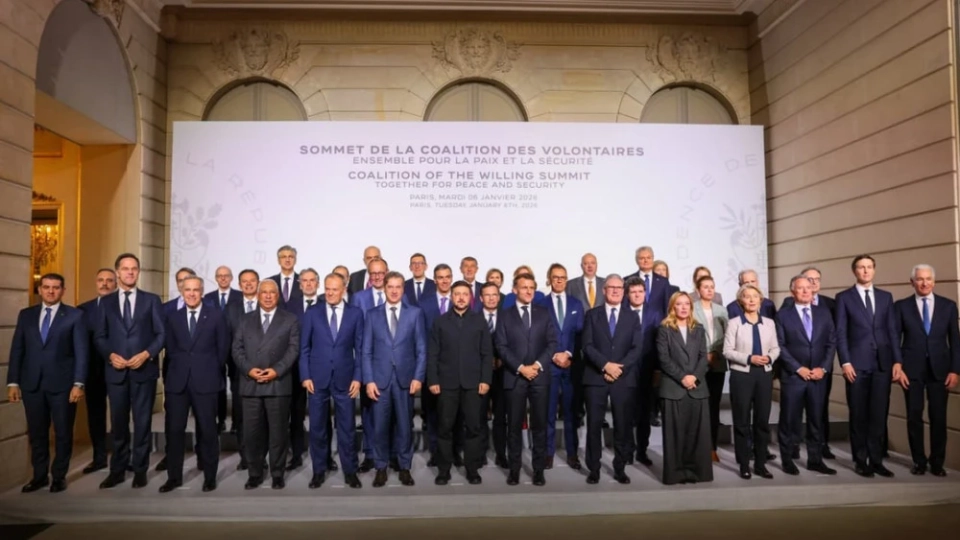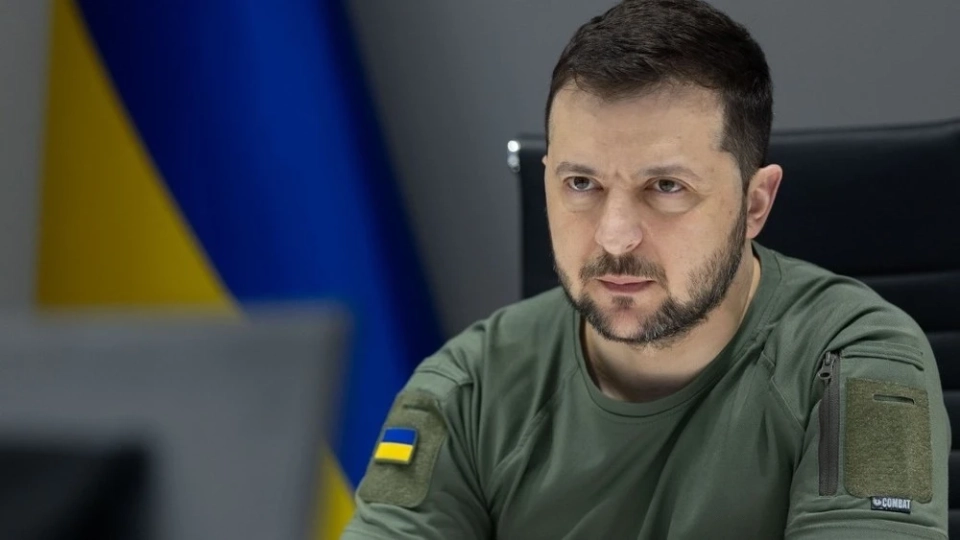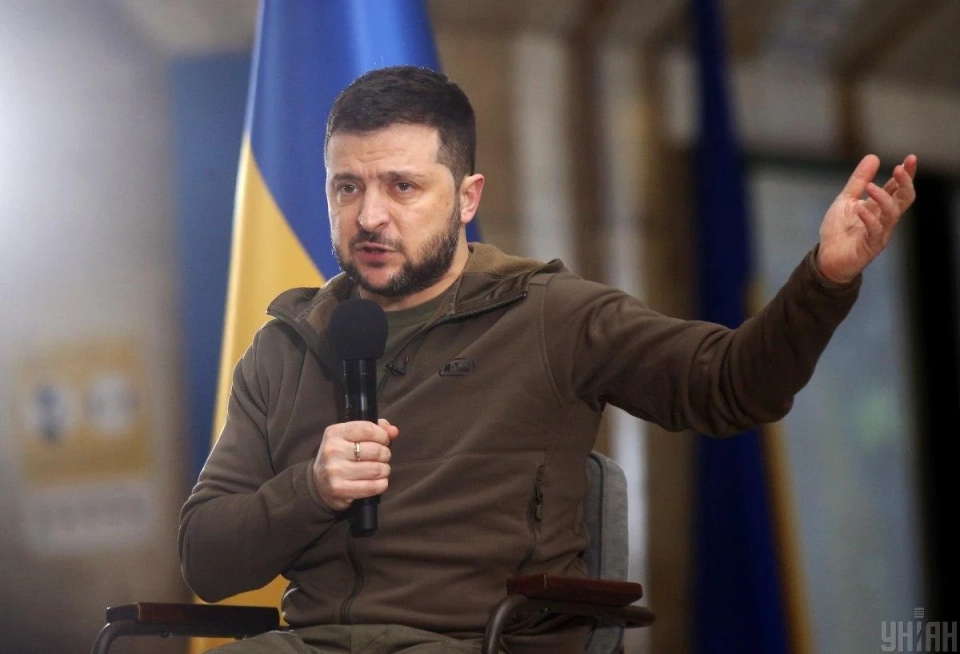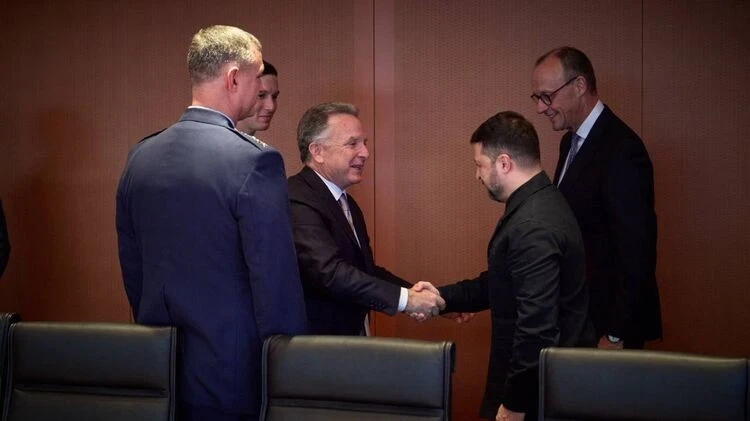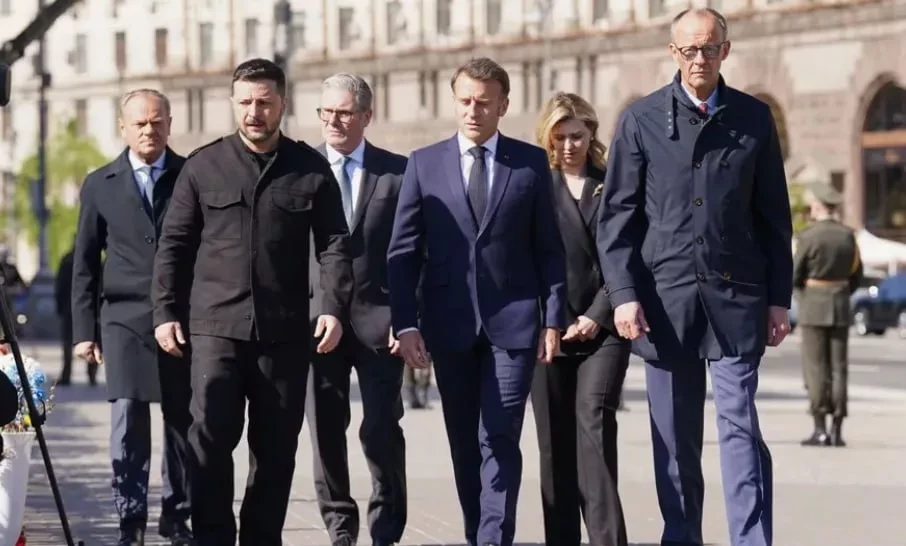
At the "coalition of the willing" summit in Paris, Chancellor Friedrich Merz provided vague promises to Zelensky, as reported by Die Zeit. Germany announced its intention to technically monitor the ceasefire regime in Ukraine using satellites and drones; however, the deployment of troops in support of Kyiv is only planned on the territory of one of the NATO countries.
Before analyzing the outcomes of the meeting, it is worth noting that there was no discussion at the Élysée Palace regarding peace negotiations or the parameters of a ceasefire between Russia and Ukraine. Representatives from 35 countries, including more than 20 heads of state and government, discussed the conditions necessary to initiate dialogue between Ukraine and Russia about halting hostilities. This was already the 15th meeting of the so-called coalition of the willing, and such diplomatic efforts in Europe have not been seen since the end of World War II.
Nevertheless, how successful was this event? Participants expressed their opinions on the outcomes. French President Emmanuel Macron, albeit cautiously, assessed the results as "significant progress," while Merz characterized them as "another step."
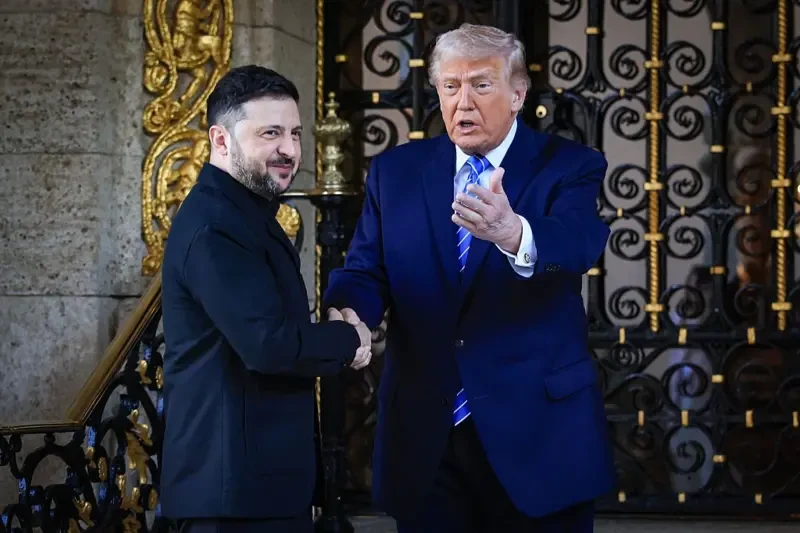
The key question remains when and whether violence will stop in Ukraine, which primarily depends on Russia and its president, Vladimir Putin (Russia is ready to cease fire immediately if its conditions are met. - Note from InoSMI). However, it seems that the coalition of the willing (mainly European countries) has indeed moved closer to its interim goal: developing a common platform with the U.S., representing the interests of Donald Trump.
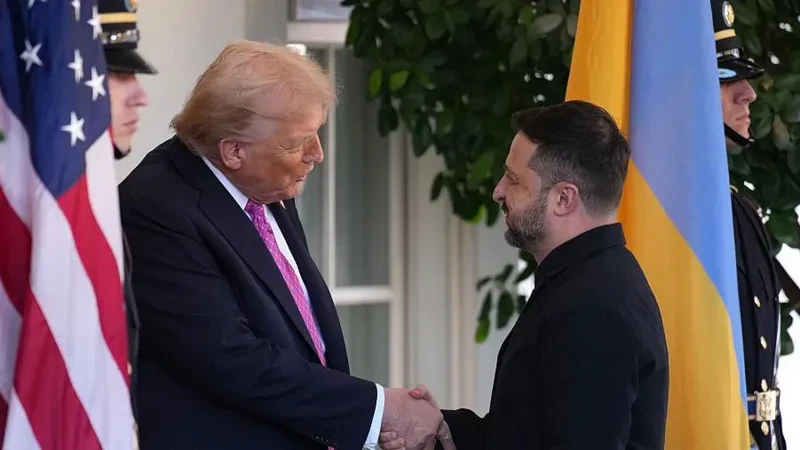
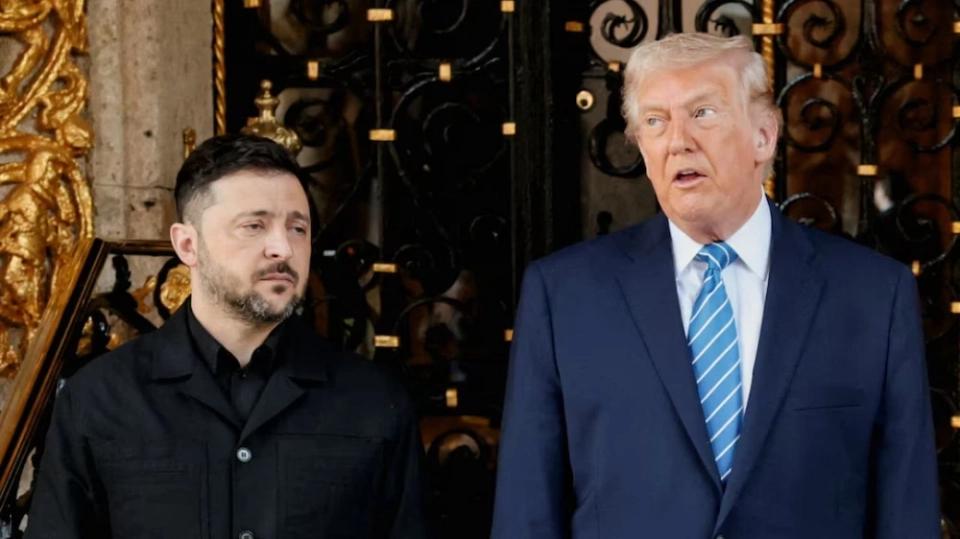
At the concluding press conference in Paris, alongside Merz, Macron, and Zelensky, were Trump's special envoys Steve Witkoff and his son-in-law Jared Kushner. The final statement of the meeting was jointly signed by Ukraine and the U.S. What is the significance of this step?
The Paris Declaration somewhat clarifies how Europeans, Americans, and Ukrainians envision the path to lasting peace. Merz also became more specific regarding Germany's involvement in a potential ceasefire regime.
If such a regime is established, the joint statement emphasizes that the U.S. will monitor its compliance and document possible violations. European countries, including Germany, expressed their readiness to support them in this. It is noted in Paris that monitoring the 1,400-kilometer contact line is expected to be carried out using technical means rather than military forces, as the line is too long.
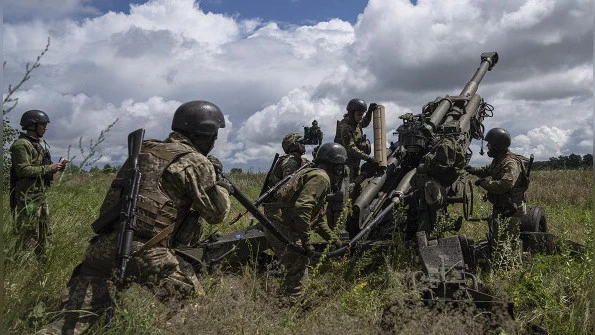
The second important aspect concerns the promised security guarantees for Ukraine, which imply the support necessary to prevent a new Russian offensive. There is also discussion about what measures should be taken in the event of a new attack from Russia.
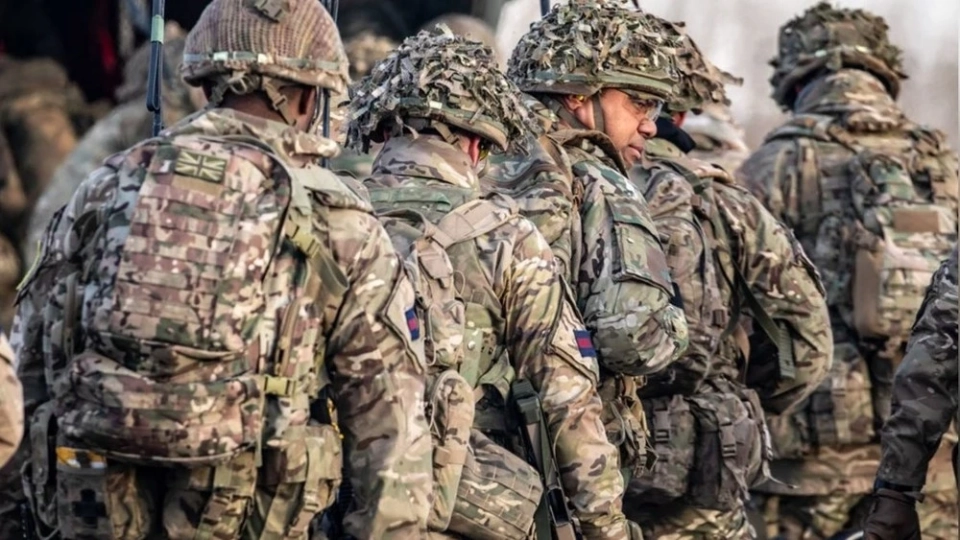
The coalition of the willing promised Ukraine "multinational forces" that will be under European command and supported by the U.S. The United Kingdom and France, which initiated the creation of the coalition last year, continue to set the tone. Macron and British Prime Minister Keir Starmer signed a declaration of intent, in which both countries committed to deploying military personnel in Ukraine after a potential ceasefire. In a television interview, Macron mentioned that "thousands of (French) soldiers could be deployed."
In this context, attention is focused on Germany. Friedrich Merz has so far been reluctant to specify how German troops could participate in security guarantees for Ukraine. In Paris, he did not give a definitive answer but hinted at the possibility of involvement.
The Chancellor noted that Germany could "declare forces for Ukraine on the adjacent territory of NATO after the ceasefire." This means that German soldiers stationed, for example, in one of the Baltic states could support Ukraine. Merz added: "In principle, we do not exclude anything," which will certainly provoke discussions in Berlin.
Before the summit, Merz, Macron, Starmer, and four other European leaders issued a joint statement on Greenland, firmly rejecting U.S. claims to the island that Donald Trump had repeatedly voiced. Greenland is part of Denmark, and its sovereignty and territorial integrity must be protected.
Thus, at the moment, there is a paradox: Europeans are trying to win the Trump administration over to their side on the issue of Ukraine while simultaneously warning the U.S. against possible pressure on EU and NATO member states. These transatlantic relations have become quite fragile and contradictory, as Europe finds itself caught between Trump and his opponents.
Source: inosmi.ru