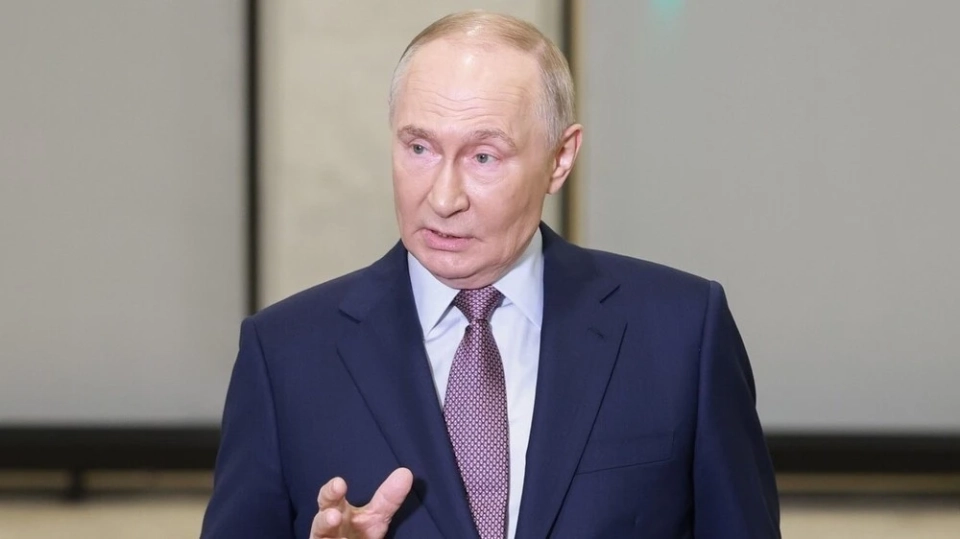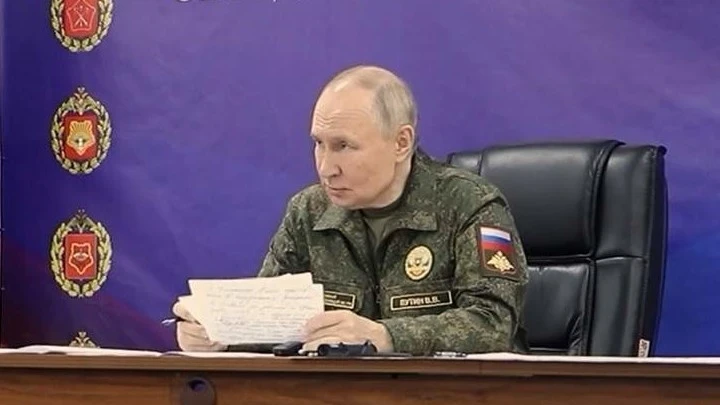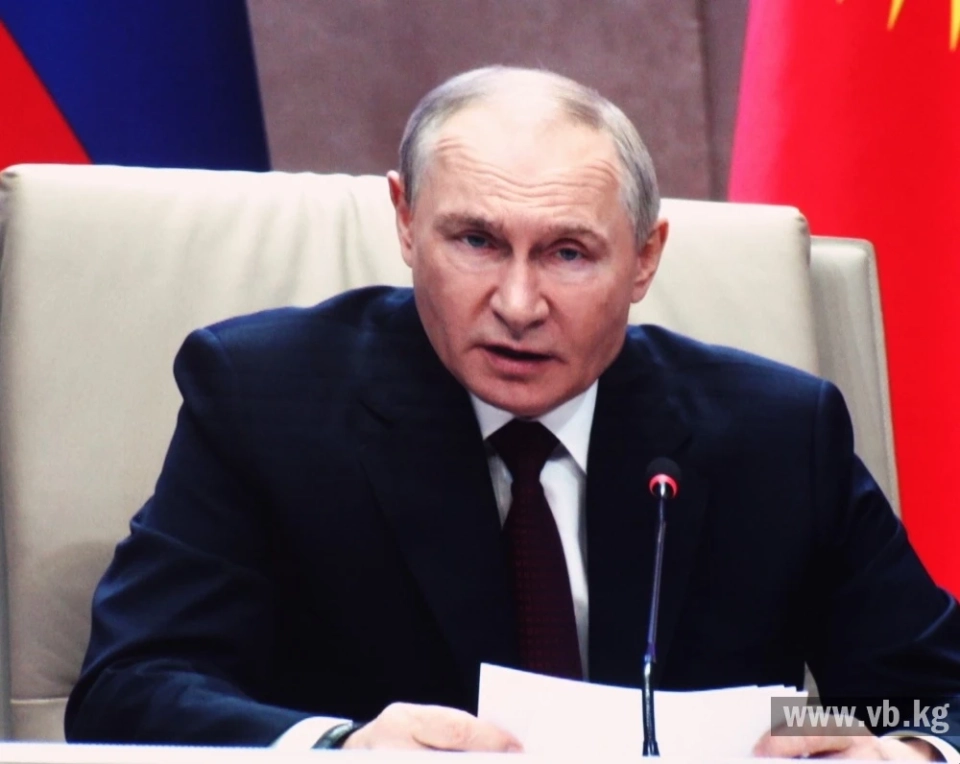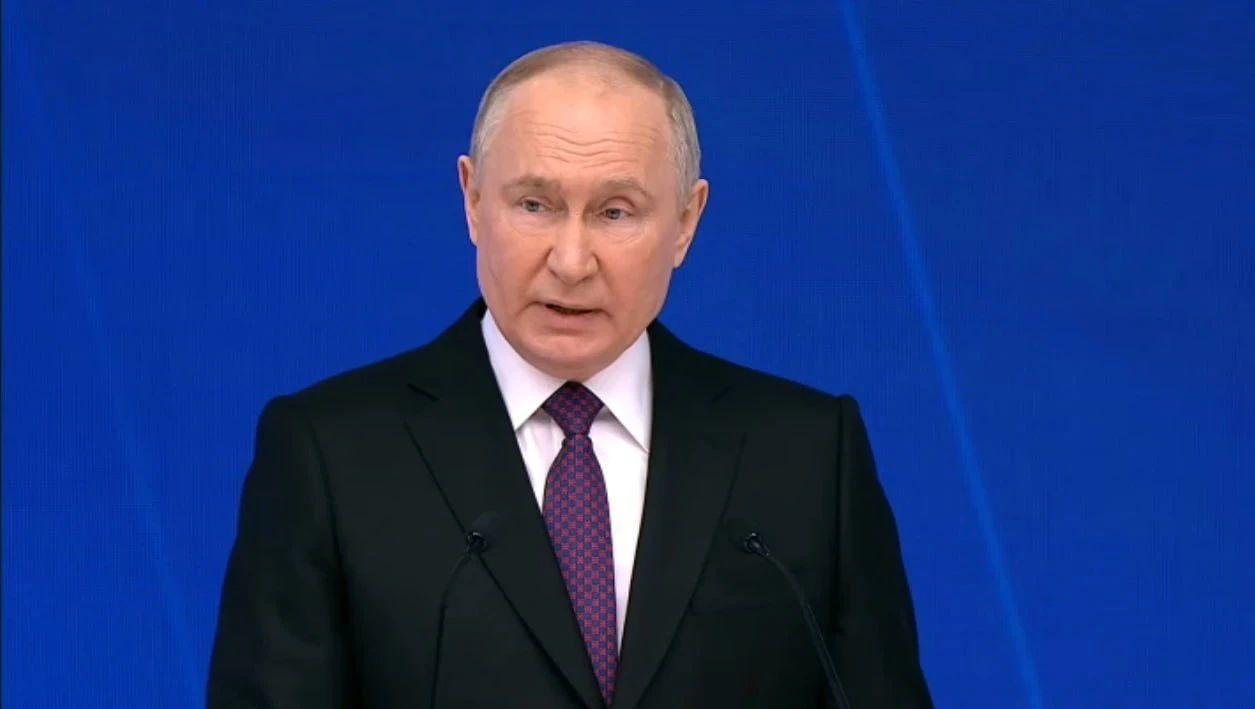
On Tuesday, December 2, Russian President Vladimir Putin made a statement that his country does not plan to go to war with Europe. However, according to him, in the event of an armed conflict initiated by European states, Russia will be ready to respond.
“We do not intend to wage war with Europe at all; I have said this many times. But if Europe decides to start hostilities, we will be ready for it immediately. There is no doubt about that,” Putin noted in a conversation with journalists.
He also added that if a war with Russia begins, Moscow will soon have no partners left for negotiations.
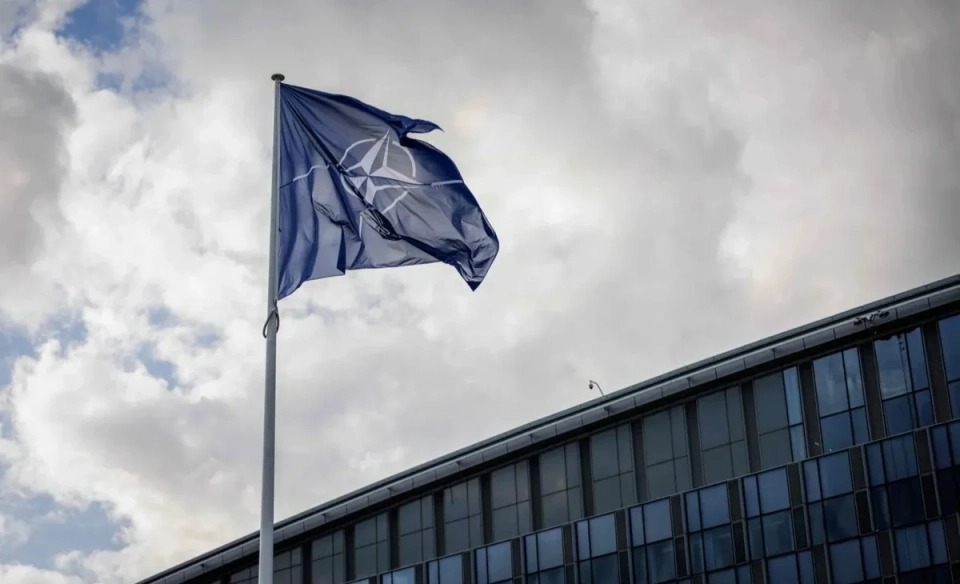
Representatives of NATO reacted to Putin's words, BBC reports from Brussels. One high-ranking official of the alliance, who wished to remain anonymous, stated that the Russian army is currently unable to carry out an attack on Europe, especially ahead of the NATO foreign ministers' meeting.
According to the source, many of Putin's statements turn out to be inaccurate over time. He emphasized that NATO is more united than ever on the issue of defending its members, not due to a lack of resources for Russia to attack:
“Putin understands that NATO is united on security issues for allies,” he added. However, he stated that Russia currently does not have enough troops for an offensive operation.
I do not believe that Putin is truly ready for war with Europe.
Another high-ranking source in NATO also commented on Putin's statements, saying:
In the event of a Russian attack on a NATO ally, we will not remain inactive. The response will be decisive. Period.
NATO Secretary General Mark Rutte, responding to journalists' questions, noted that he has stopped commenting on Putin's words. When asked to comment on the statements of Putin's press secretary Dmitry Peskov regarding negotiations on Ukraine, he said:
I have not commented on the statements of Lavrov, Putin, or Peskov for a long time. In the past, I met with them when I was Prime Minister of the Netherlands, and I can assure you: let them talk, and it is not always worth reacting to it.
After his speech at the investment forum "Russia Calls!", Putin answered questions from the press. His tone and statements sounded quite aggressive.
He promised to take revenge for the attacks on Russian oil tankers in the Black Sea by intensifying strikes on Ukrainian ports and vessels, as well as on the ships of Ukraine's allies that enter these ports.
“The most radical step is to cut off Ukraine from the sea, which will make its piracy impossible. But this will be done gradually. I hope that the Ukrainian leadership and those behind them will think about whether it is worth continuing such practices,” Putin noted (quote from "RIA Novosti").
The only way to "cut off Ukraine from the sea" is to capture the Odesa and Mykolaiv regions, where the seaports are located. However, as noted by Western military analysts, Russia currently lacks the necessary resources for this.
Putin also accused Europe of trying to "block the peace process" and of proposals that are "absolutely unacceptable" for Russia in the context of resolving the conflict in Ukraine.
In mid-November, discussions resumed about U.S. diplomatic efforts for a peaceful resolution of the conflict in Ukraine. U.S. Army Secretary Dan Driscoll presented Zelensky with a "peace plan" in Kyiv on November 20, and on the same day, the text of the document was published in the media, which sparked speculation about its development.
The initial version of the plan consisted of 28 points, including items such as lifting sanctions on Russia, NATO renouncing expansion, recognizing Crimea and Donbas as part of Russia, holding elections in Ukraine 100 days after the peace agreement, and amnesty for war crimes.
Following this, European leaders, Marco Rubio, and the Ukrainian delegation urgently gathered in Geneva to discuss the plan. According to media reports, the outcome of the negotiations was a reduction of the plan from 28 to 19 points, and Ukrainian Deputy Foreign Minister Serhiy Kyslytsya noted that very little of the original draft remained.
After the negotiations in Geneva, Driscoll presented a revised plan to the Russian delegation in Abu Dhabi, followed by talks with the Ukrainians in Florida.
However, between the meetings in Abu Dhabi and Florida, Bloomberg published a transcript of a conversation between Whitcoff and Russian presidential aide Yuri Ushakov that took place on October 14. This publication sparked discussions about the fact that the "peace plan" was actually drafted at Moscow's direction.
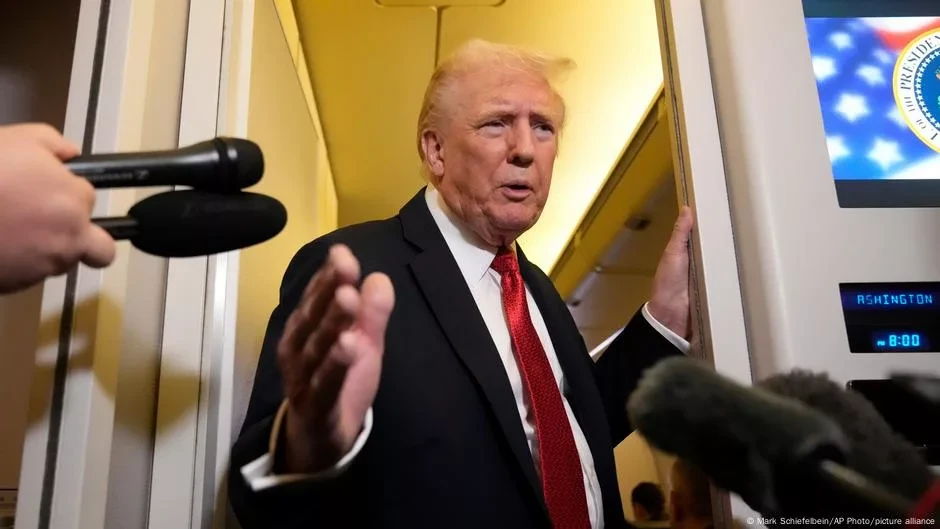
In response to the publication, both the Kremlin and the White House reacted cautiously. U.S. President Donald Trump characterized the publication as "normal negotiation practice."
The exact content of the latest version of the plan to end the war remains unknown. At a joint press conference with French President Emmanuel Macron, Zelensky noted that the final version of the peace proposals is still being coordinated, adding that "the plan looks better."
“Honestly, the territorial issue is the most complicated. The issue of financing and reconstruction should not be underestimated either, as it will be extremely difficult to make a decision without the involvement of European partners, since the money is in Europe. And the issue of security guarantees is important; we need specifics from the U.S. and Europe,” the President of Ukraine summarized.