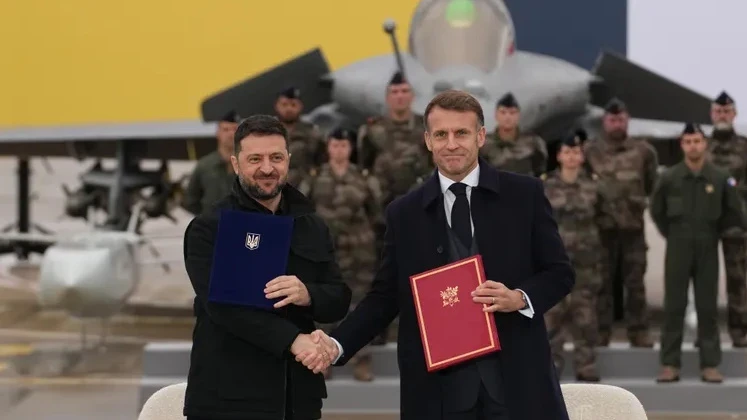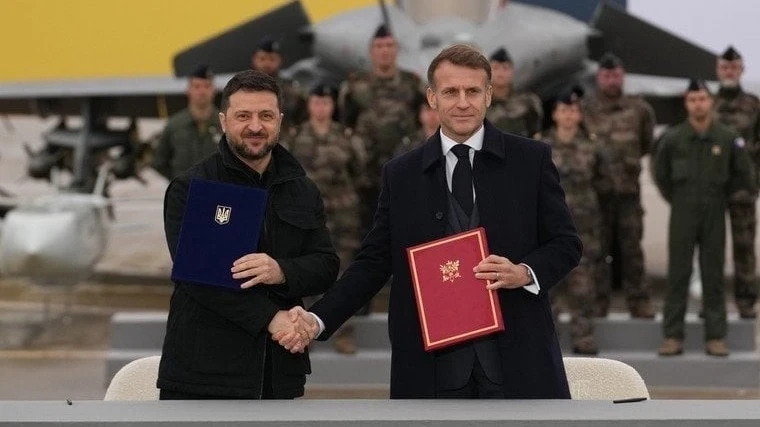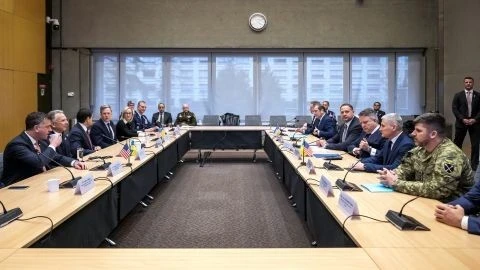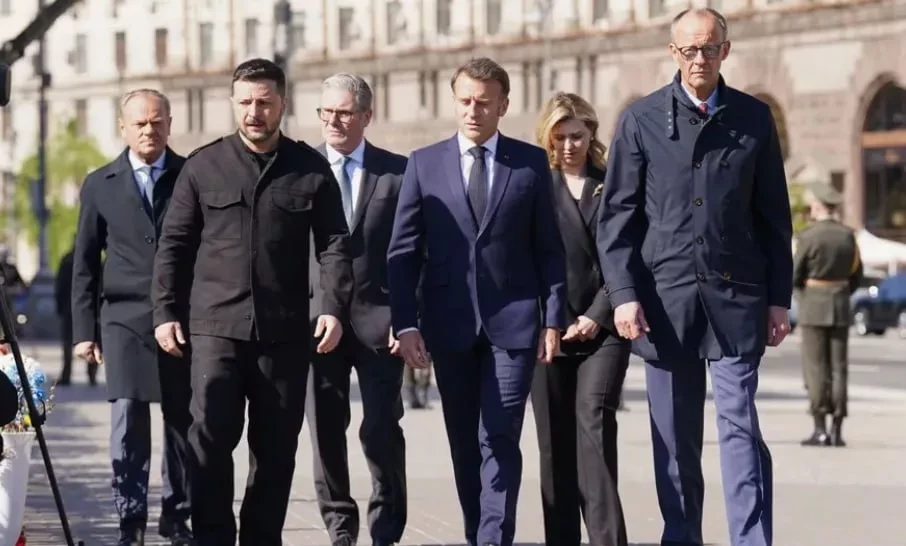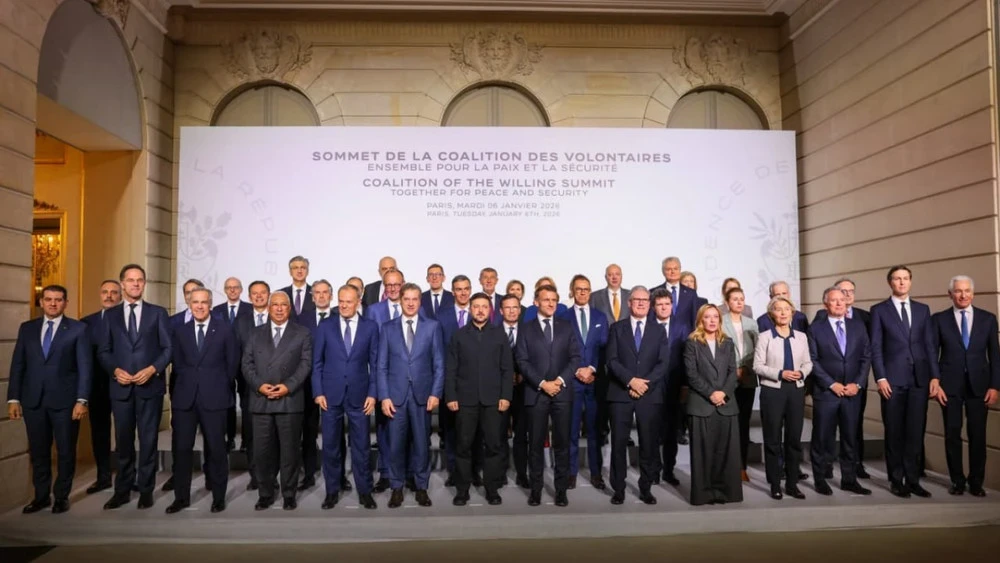
At the "coalition of the willing" summit in Paris, Presidents Emmanuel Macron and Volodymyr Zelensky, along with UK Prime Minister Keir Starmer, signed an agreement to send a peacekeeping contingent to Ukraine.
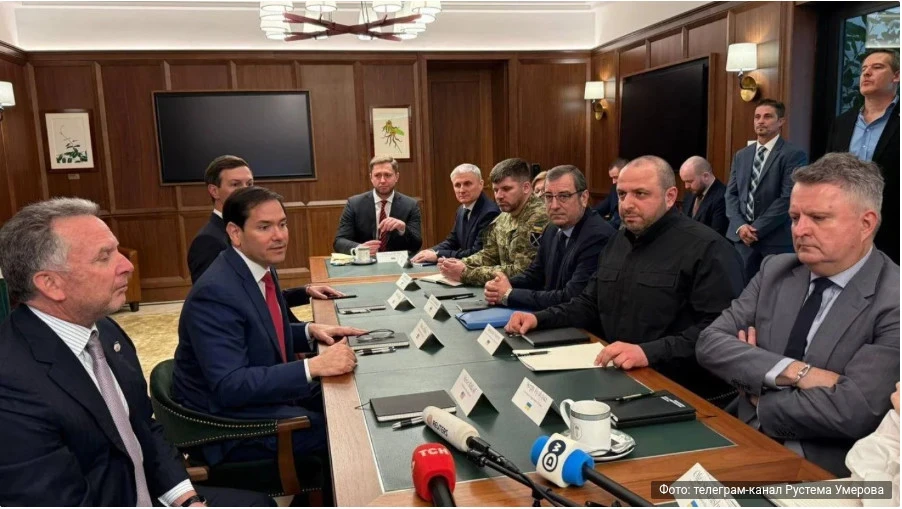
Additionally, the meeting participants, including US special representatives Steve Witkoff and Jared Kushner, approved the "Paris Declaration," which contains security guarantees for Ukraine.
About 30 countries were represented at the summit, which discussed crucial issues, including Donald Tusk, Prime Minister of Poland, Ursula von der Leyen, President of the European Commission, and Mark Rutte, Secretary General of NATO.
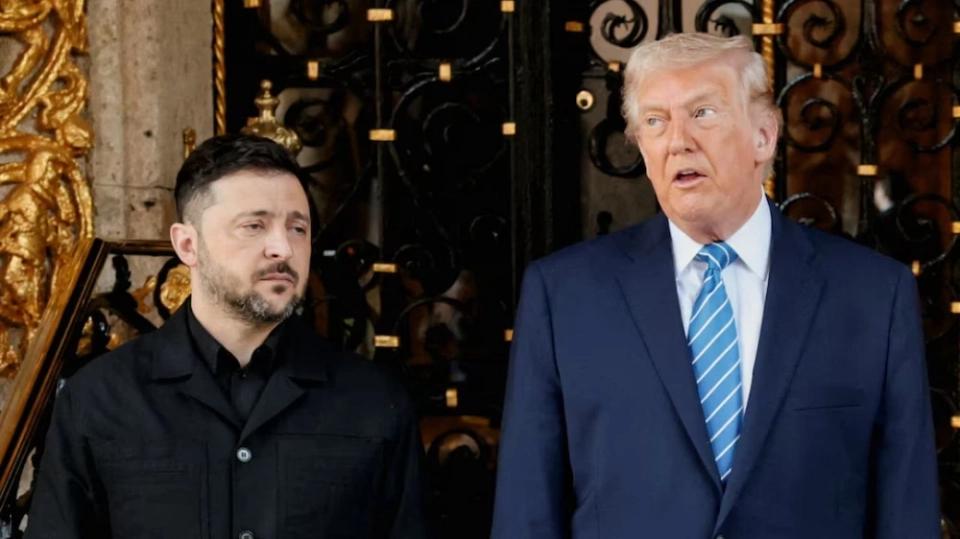
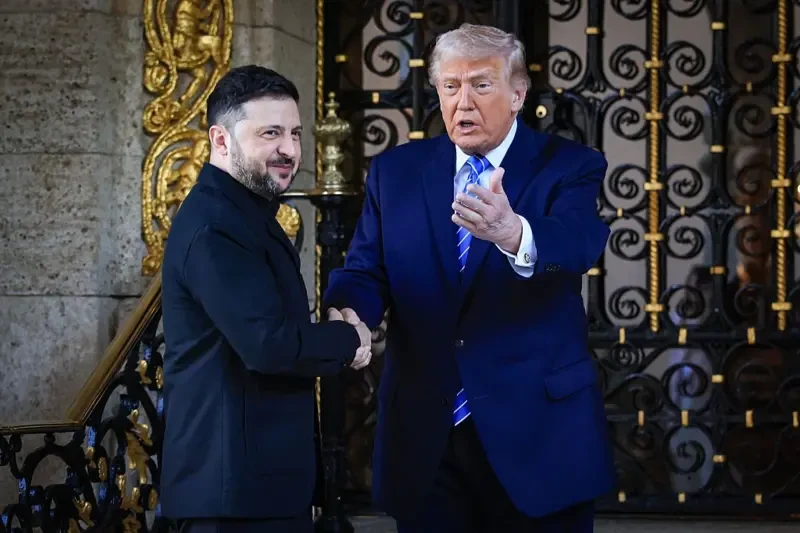
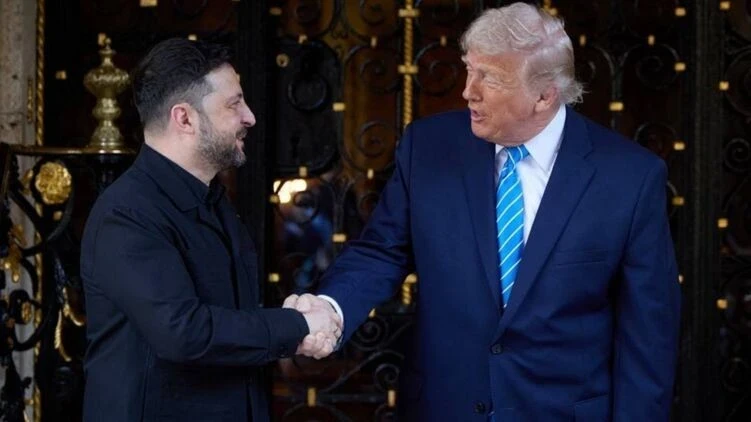
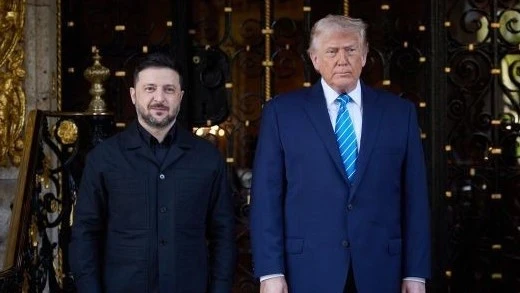
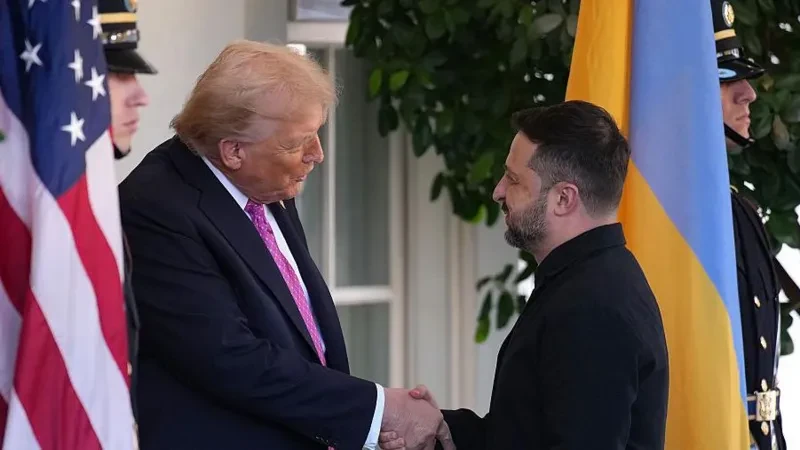
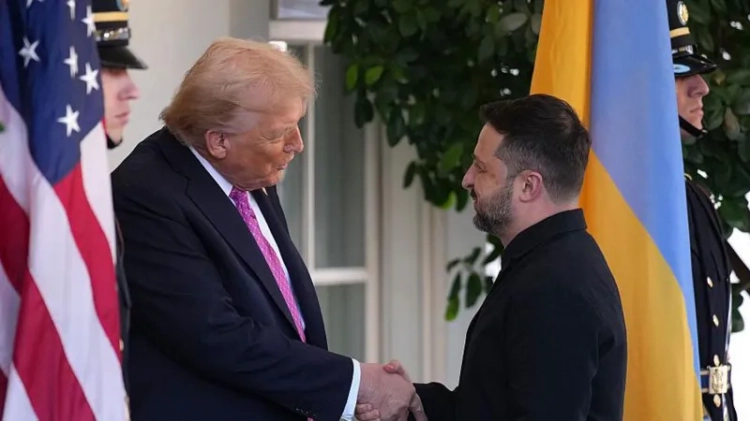
Recent negotiations between Donald Trump and Volodymyr Zelensky at Trump's residence in Mar-a-Lago, Florida, preceded this summit. The leaders discussed plans to end military actions in Ukraine, which were developed in Washington and modified during several international meetings.
Following the meeting in Florida, it was reported that there was an agreement to provide Ukraine with security guarantees from the US; however, issues regarding the withdrawal of Russian troops from the Donetsk region remained unresolved.
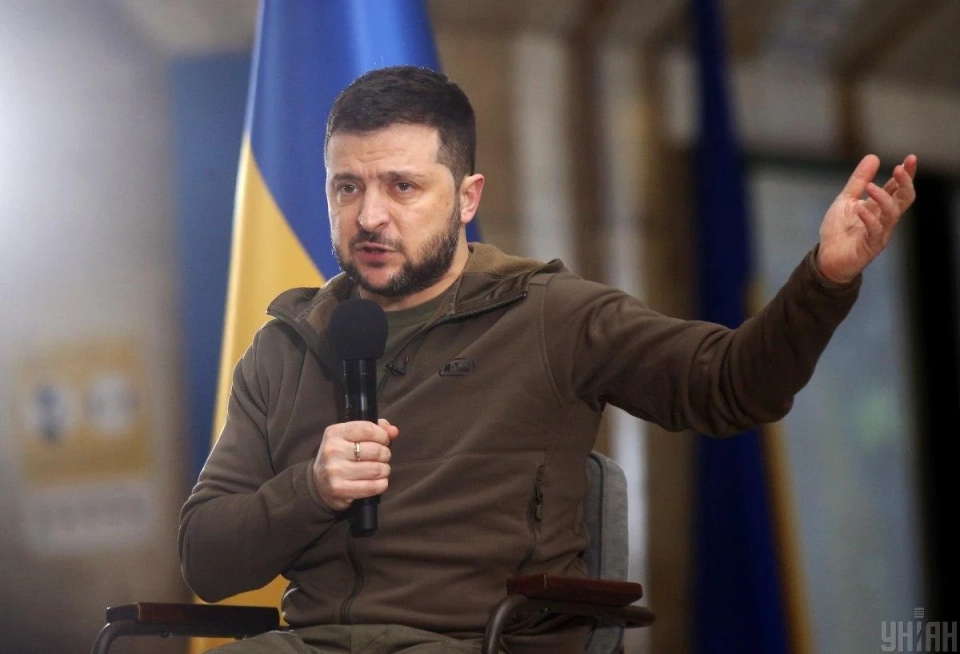
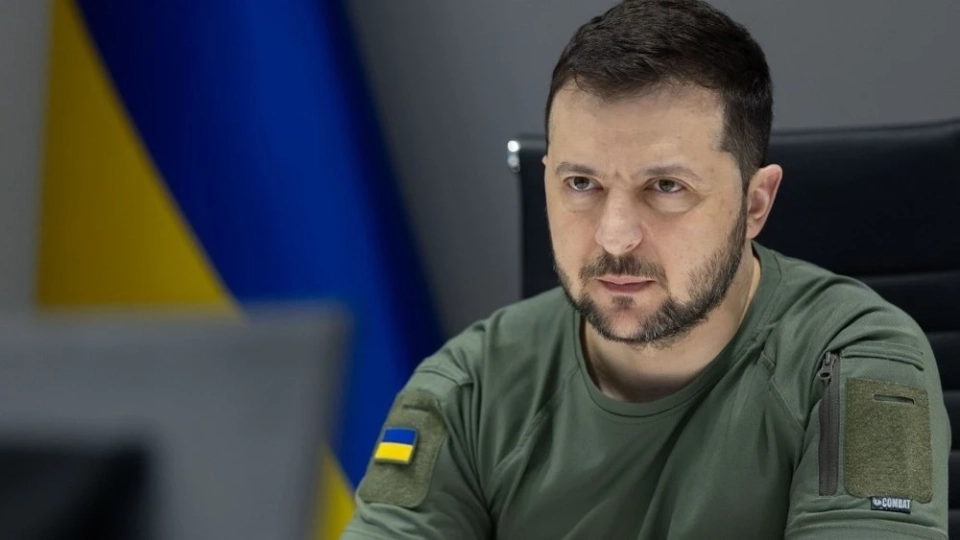
Zelensky stated that the peace plan is nearly agreed upon, but disagreements remain, primarily regarding territorial issues.
The main outcome of the summit was the adoption of the "Paris Declaration," published on the website of the Élysée Palace. The document consists of five main points:
- The US will coordinate monitoring compliance with the ceasefire and will create a special commission to assess violations.
- Members of the "coalition of the willing" will continue to support the Armed Forces of Ukraine, which should become the first line of defense against new Russian aggression. This includes funding, arms supplies, and assistance in building defensive structures.
- Multinational forces from the "coalition of the willing" will be sent to Ukraine to assist in the restoration of the Ukrainian army and to aid in deterrence. Coordination of military actions has already been conducted, and forces will be deployed only after the conflict concludes.
- A legally binding commitment to support Ukraine in the event of new aggression from Russia, with the possibility of using military resources, intelligence and logistical support, as well as diplomatic initiatives.
- Development of long-term defense cooperation with Ukraine, including military training and joint arms production.
France, the UK, and Ukraine also signed a trilateral declaration confirming their readiness to send troops to Ukrainian territory after the war ends.
Keir Starmer noted that this document "creates a legal basis for the presence of British, French, and partner troops in Ukraine," adding that the forces will be responsible for ensuring the security of Ukrainian airspace and waters, as well as restoring the country's armed forces.
Russian authorities expressed dissatisfaction, stating that they would not accept the presence of foreign troops in Ukraine, considering it a threat to their security.
Press Conference Summary
At the concluding press conference, summit participants described the event as an important step toward peace.
The Presidents of Ukraine and France, the Prime Minister of the UK, and the Chancellor of Germany, along with two of Trump's special representatives, spoke to journalists.
Macron emphasized that the "coalition of the willing," with US support, must provide Ukraine with legally binding security guarantees to avoid new threats. He also reminded about past violations of peace agreements by Russia.
Zelensky noted that territorial issues remain the main obstacle to a ceasefire and expressed readiness to sign an agreement with the US, despite existing concerns.
Steve Witkoff added that Trump wishes to establish peace in Ukraine and his task is to act as a mediator in the peace process, assuring that the order for ensuring security will be finalized.