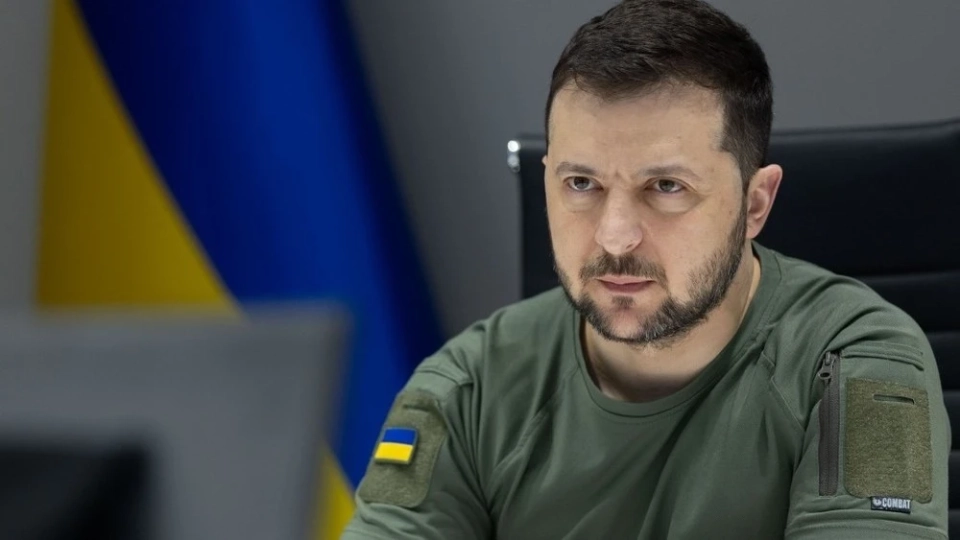
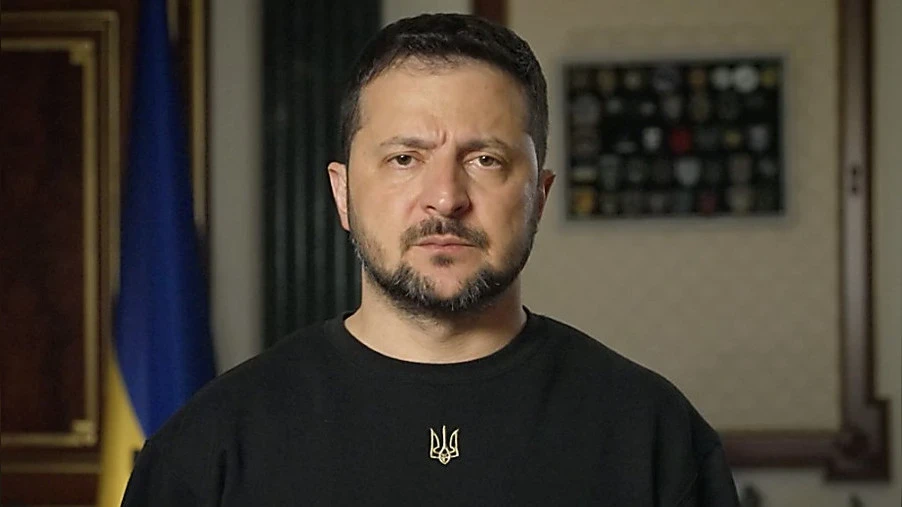
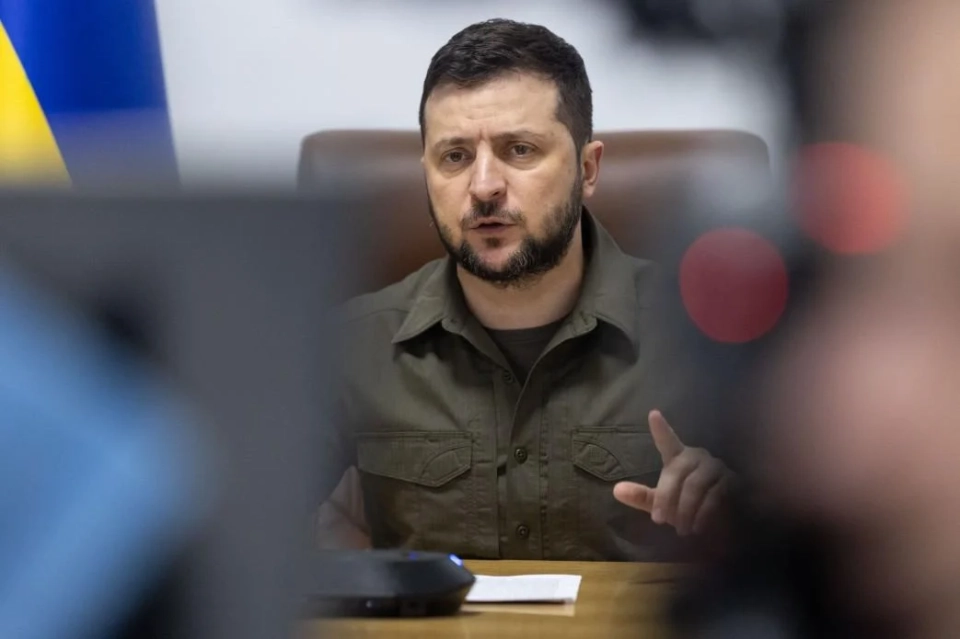
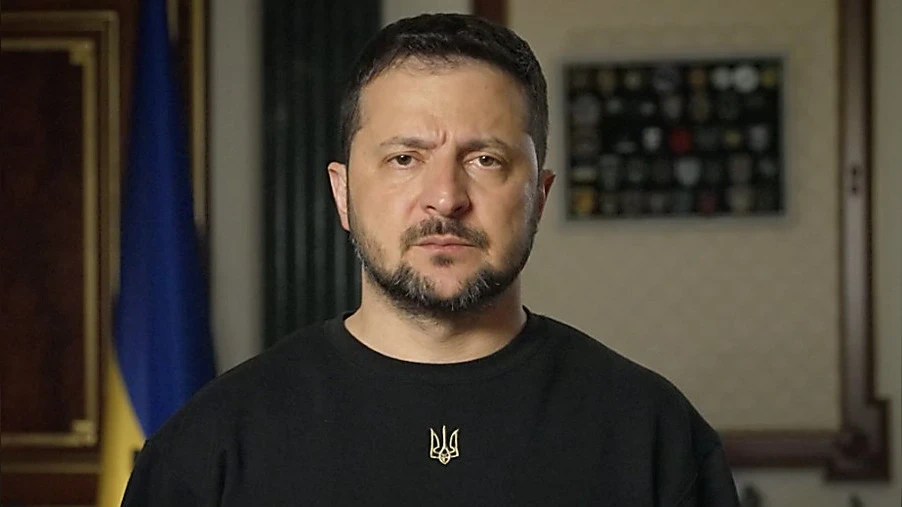
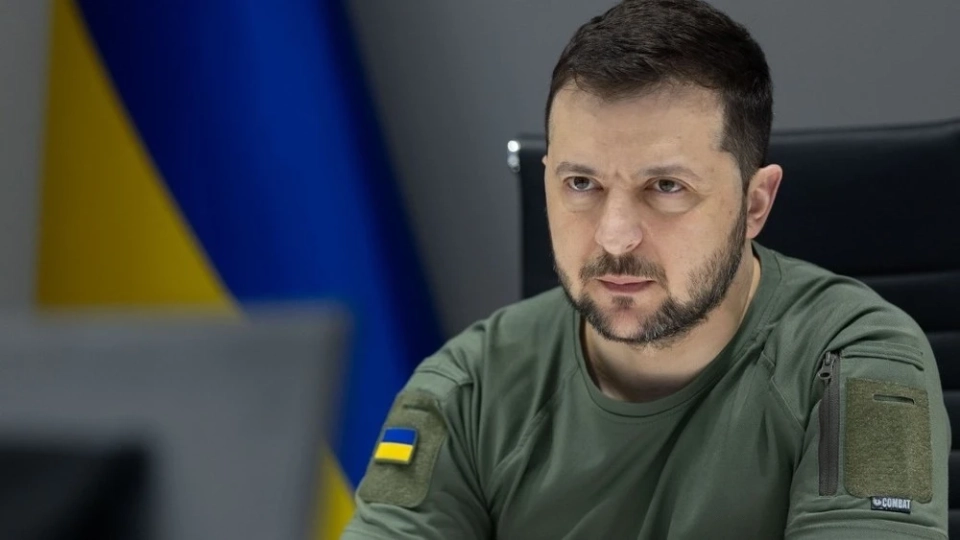
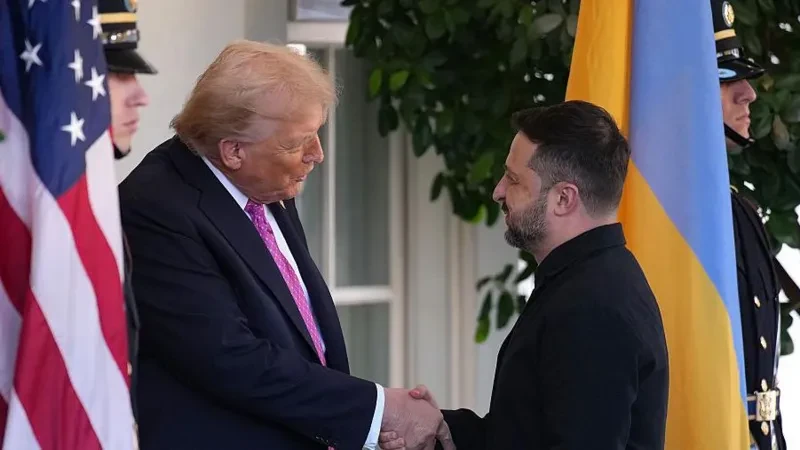
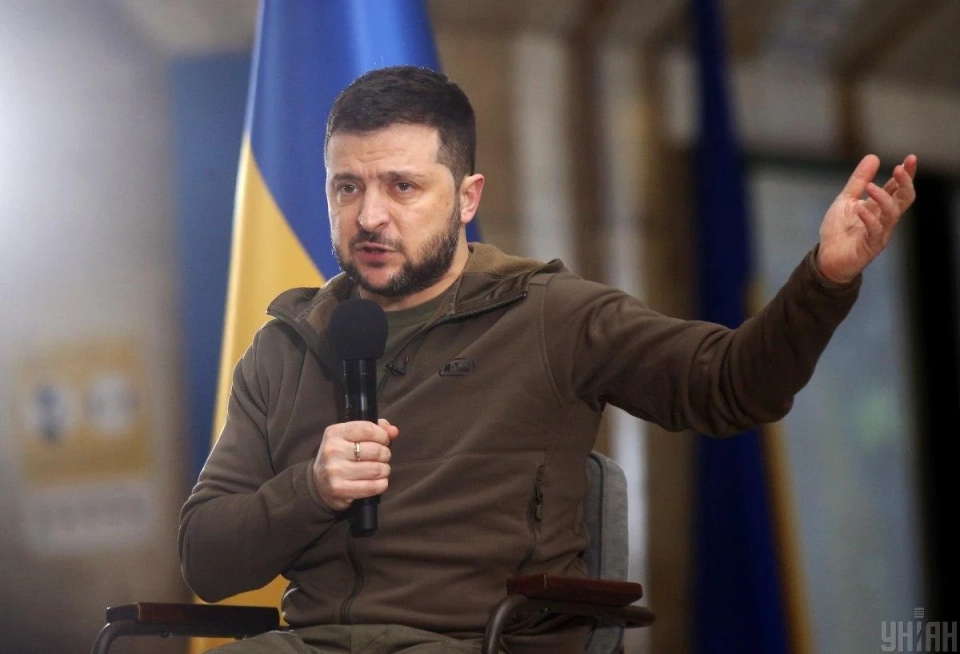
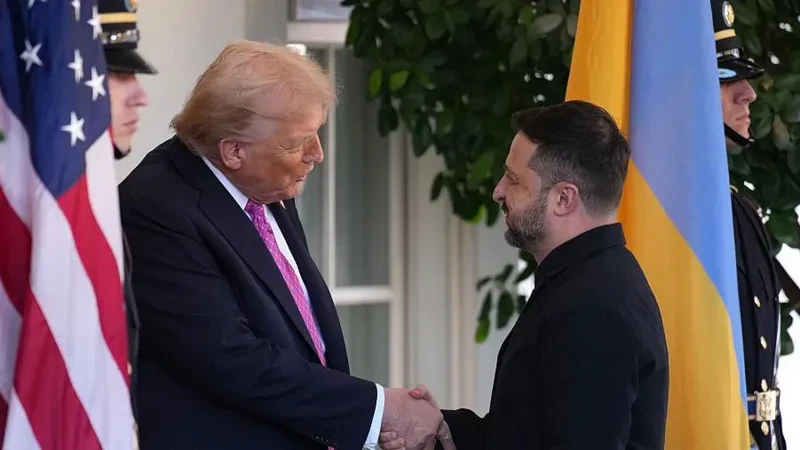
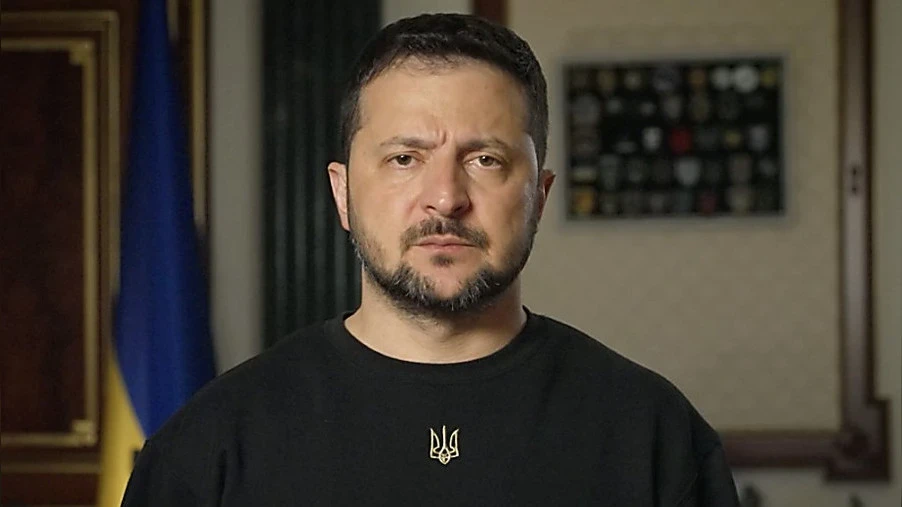
Zelensky noted that Ukraine is open to discussing key issues at the leaders' level, including territorial aspects, while emphasizing the importance of maintaining sovereignty and ensuring security.
Sovereignty and Security
One of the main points of the plan is the confirmation of Ukraine's sovereignty, the establishment of a non-aggression agreement between Russia and Ukraine with international control over the front line, as well as providing Kyiv with reliable security guarantees. The president proposed to maintain the size of the Armed Forces of Ukraine at 800,000 personnel in peacetime.Additionally, the plan includes guarantees from the United States, NATO, and European countries. These guarantees will operate in accordance with NATO Article 5: in the event of a new Russian invasion, there should be a coordinated military response and the restoration of sanctions. However, if Ukraine uses force on Russian territory first, these guarantees will be nullified.
Eurointegration and Economy
The plan also includes Ukraine's commitment to become a member of the European Union within a specified timeframe, as well as to gain short-term access to the EU market. It envisions the creation of a large-scale package for economic development and recovery funds aimed at attracting up to $800 billion.It also highlights the need to expedite the conclusion of a free trade agreement between Ukraine and the United States.
Nuclear Safety and Zaporizhzhia Nuclear Power Plant
In accordance with the NPT, Ukraine confirms its non-nuclear status. The issue of managing the Zaporizhzhia Nuclear Power Plant is proposed to be resolved through joint management. The Ukrainian side is considering the possibility of creating a joint venture with the United States for electricity distribution, while the American side suggests a format involving Kyiv, Moscow, and Washington.Territories and Humanitarian Issues
The plan proposes recognizing the front line at the time of signing the agreement as the actual line of contact in the Donetsk, Luhansk, Zaporizhzhia, and Kherson regions. For further decisions, it is proposed to create a working group that will consider options for demilitarized and free economic zones.Zelensky emphasized that final decisions on territories should be made at the leaders' level, and after agreement, the parties commit not to change the reached agreements by force.
The document also includes provisions on freedom of navigation in the Black Sea and along the Dnieper, the establishment of a humanitarian committee, the exchange of prisoners of war on the "all for all" formula, the release of civilian hostages, and the return of children.
Election, Control, and Ceasefire
According to the plan, presidential elections in Ukraine should be held as soon as possible after the signing of the agreement. The document will have legal force, and oversight of its implementation is proposed to be entrusted to a Council of Peace chaired by U.S. President Donald Trump, with participation from representatives of Ukraine, Europe, NATO, and Russia.The last point of the plan is the immediate and complete ceasefire after agreement by all parties.
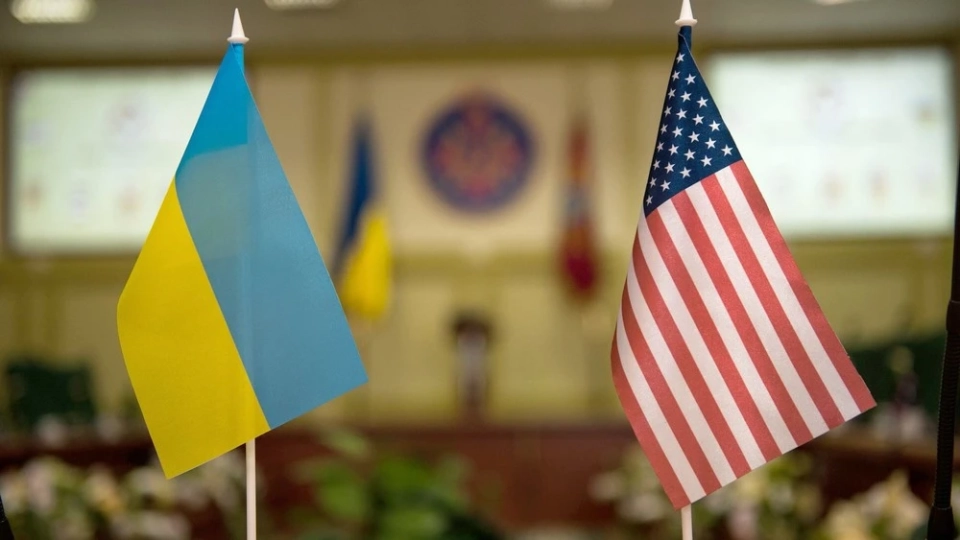
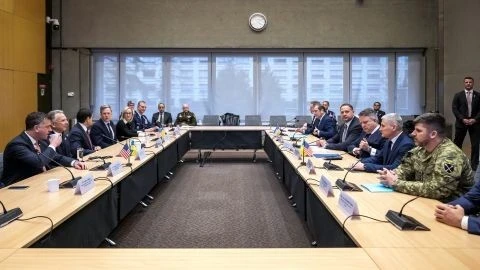
***The latest negotiations regarding the situation in Ukraine took place on December 14-15 in Berlin, involving delegations from Kyiv and Washington, as well as European politicians and NATO Secretary General Mark Rutte. At the end of the meetings, it was reported that about 90% of the disagreements had been resolved; however, the territory remains the most complex issue.
On December 20-21, Russia's special envoy Kirill Dmitriev held talks with American representatives in Miami. Later, Russian presidential aide Yuri Ushakov stated that the Kremlin would consider the proposed peace plan, although many of its points, according to him, do not suit the Russian side.