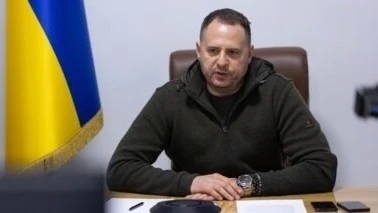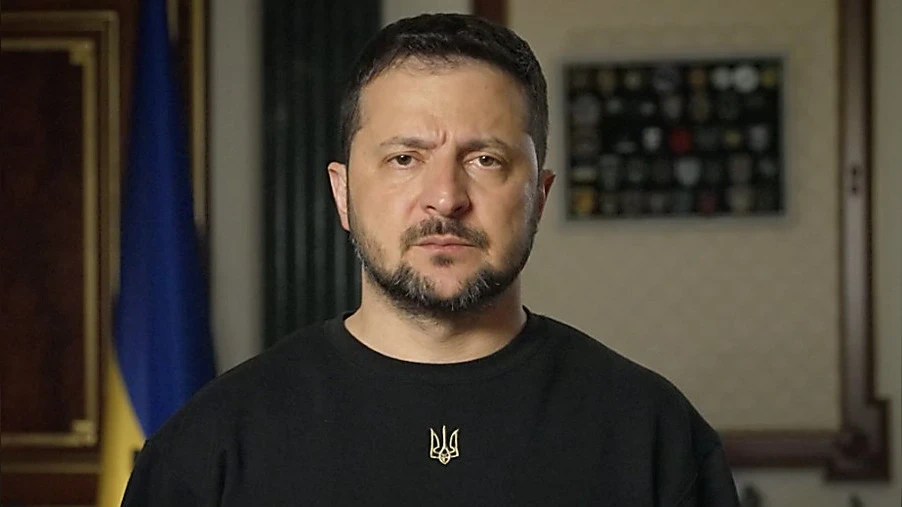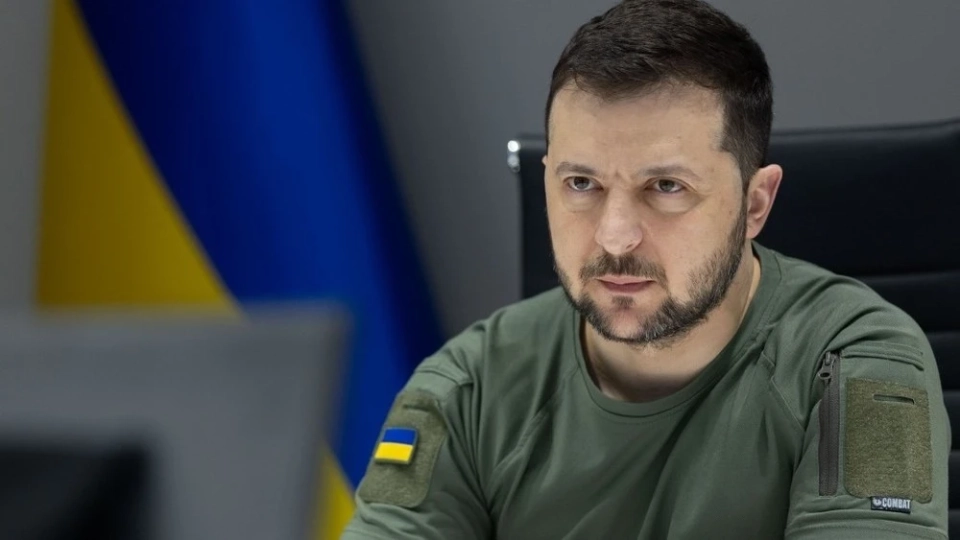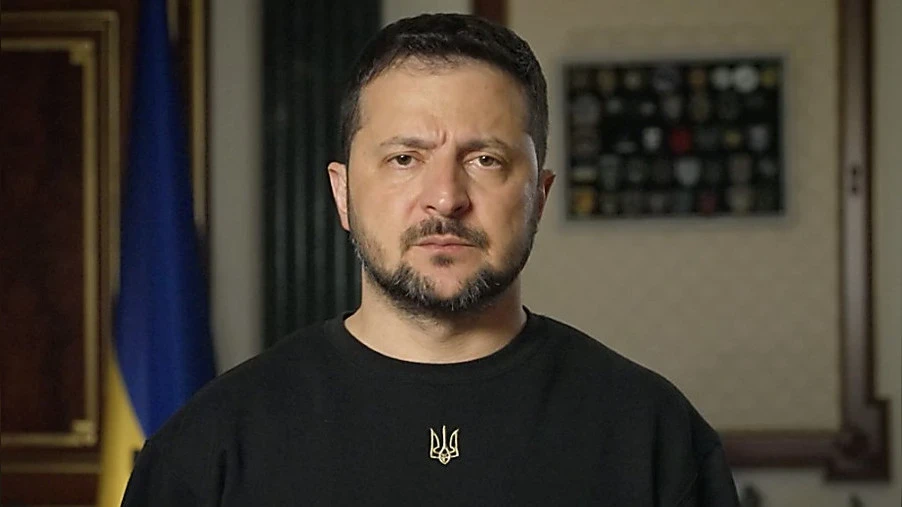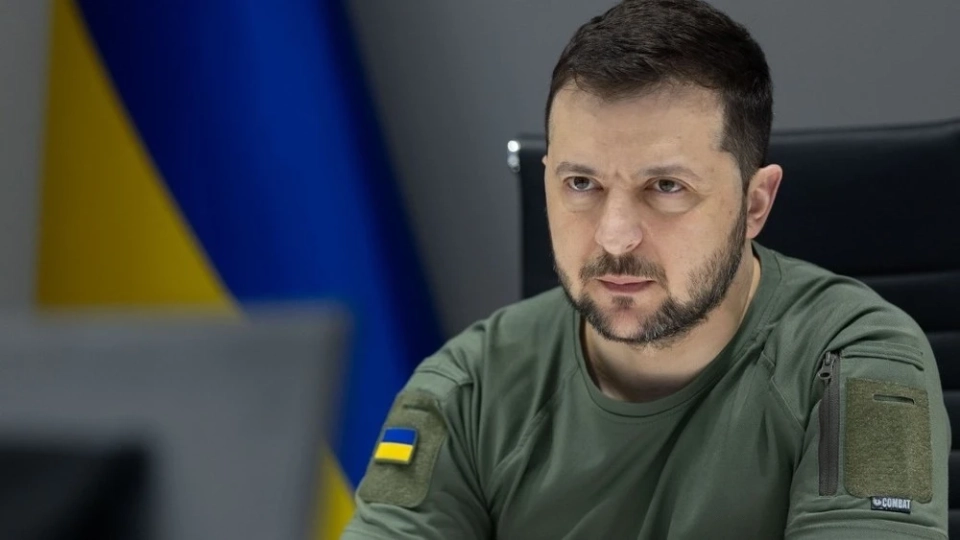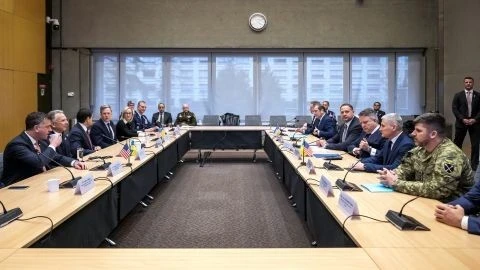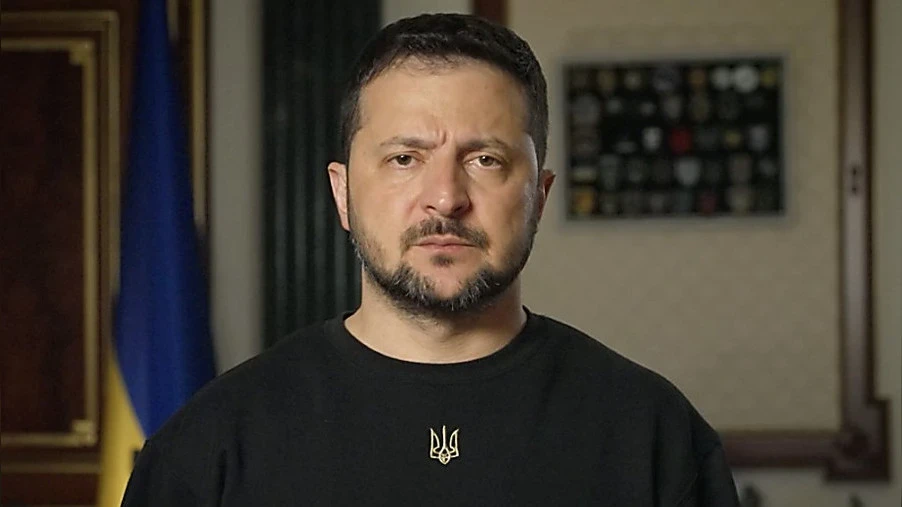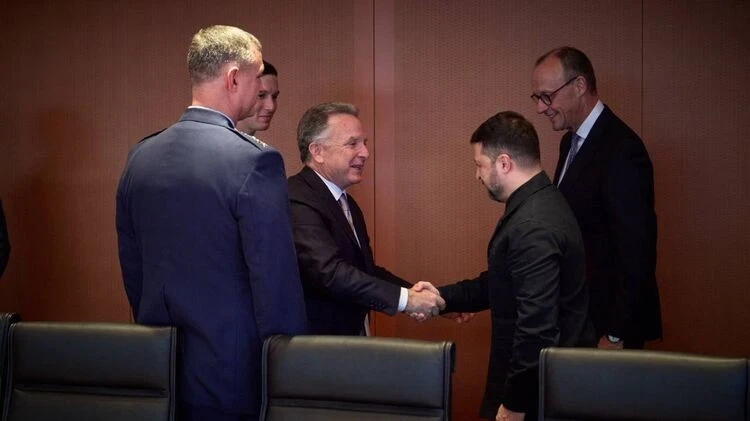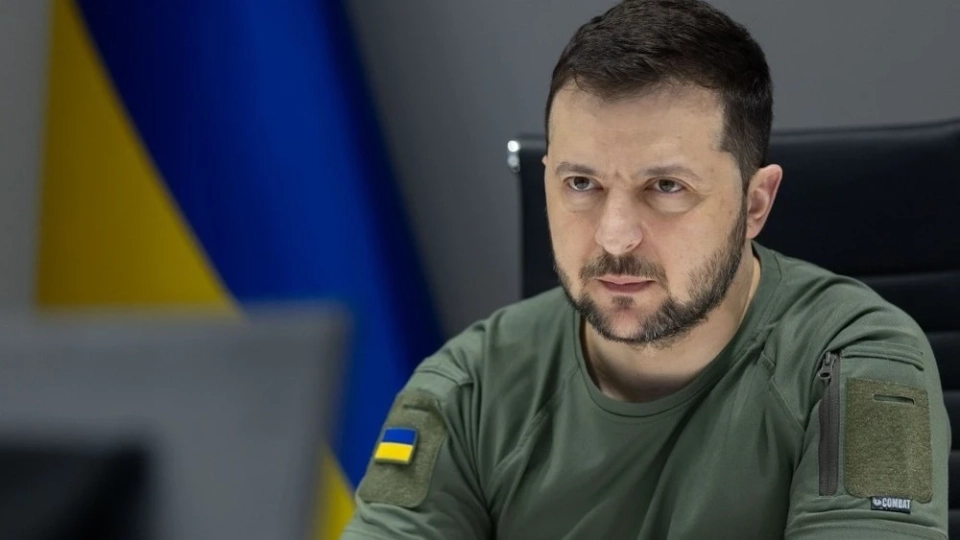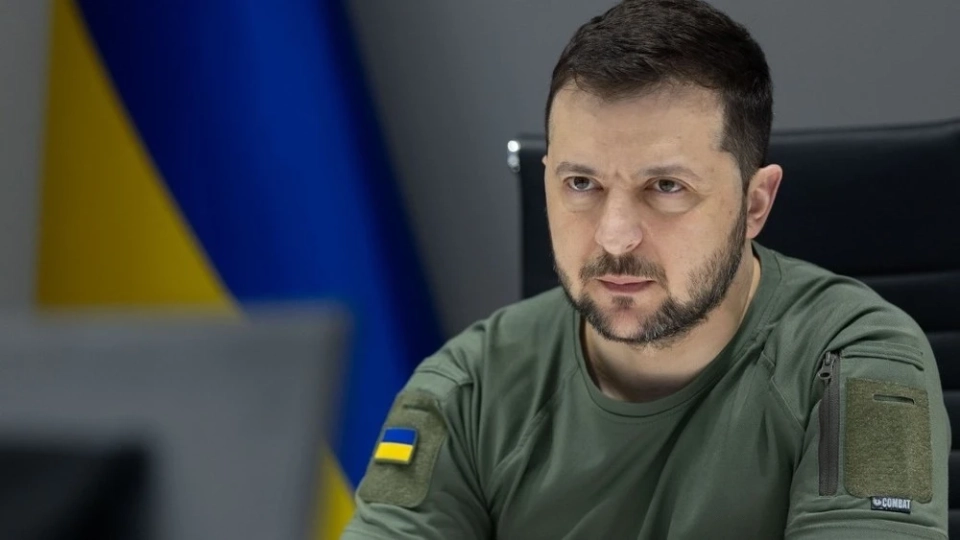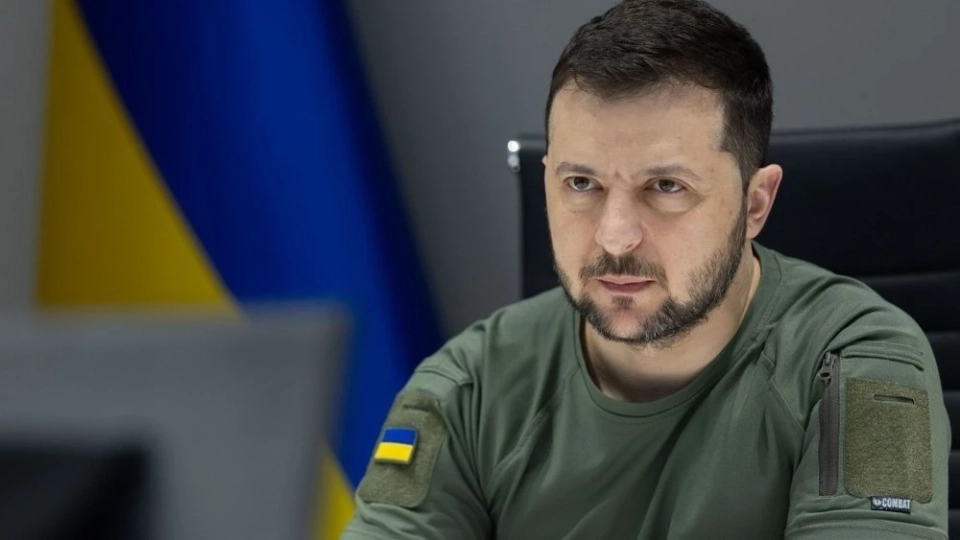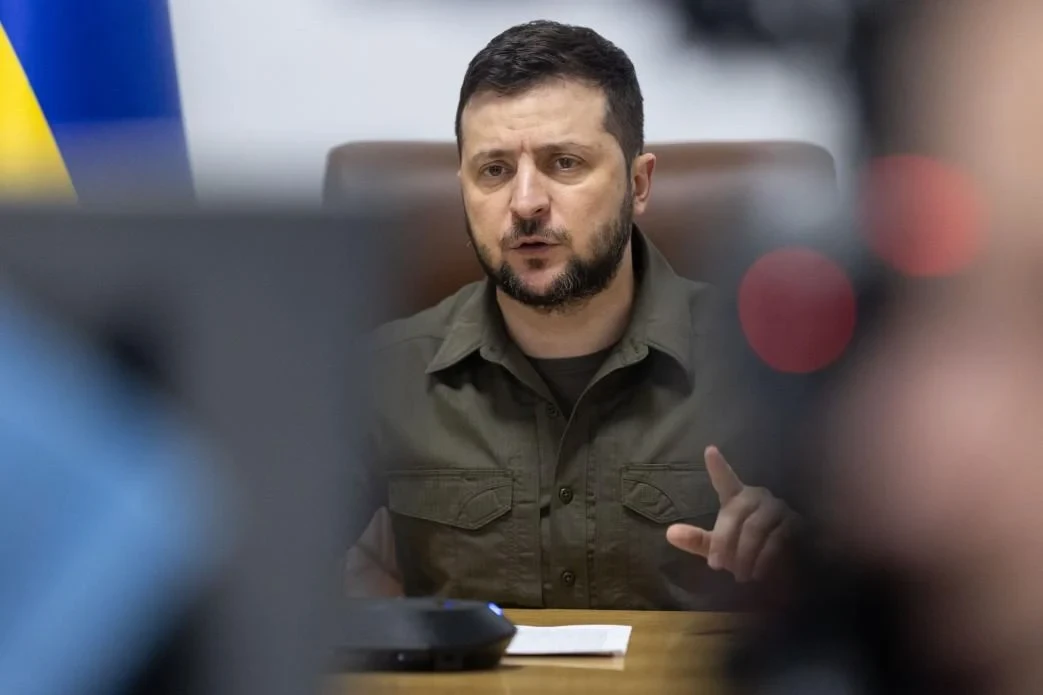
Vladimir Zelensky, the President of Ukraine, presented a draft peace agreement that resulted from the joint efforts of representatives from Ukraine, the USA, and Europe in recent weeks. This document includes 20 points, along with drafts concerning security and the country's reconstruction.
Zelensky reported that the Ukrainian and American sides have "significantly narrowed their differences on many issues," but have not yet reached consensus on two critical points of the peace plan.
"On the issues of the Donetsk region and the Zaporizhzhia Nuclear Power Plant, we do not have consensus with the American side. However, we have significantly aligned many positions. Overall, the other aspects of the agreement are agreed upon," he noted.
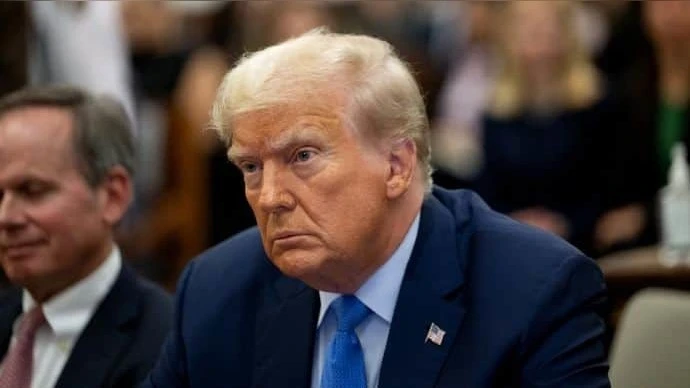
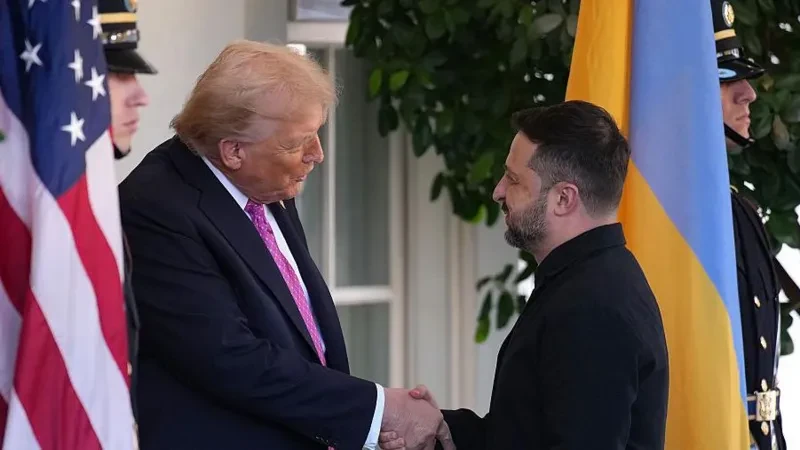
Addressing the contentious issues, the Ukrainian president expressed his intention to discuss them in a meeting with Donald Trump.
The reaction of Russia to this peace plan remains unknown; however, according to Zelensky, it is expected on December 24.
What is the essence of the new peace plan from Vladimir Zelensky?
20 Points of the Plan
1. Ukraine will be confirmed as a sovereign state.
"We confirm that Ukraine is a sovereign country, and all signatories of the agreement affirm this," Zelensky stated.
2. A non-aggression agreement between Russia and Ukraine will be established.
Zelensky explained that a monitoring mechanism will be created along the confrontation line, including the use of space drones.
3. Ukraine will receive reliable security guarantees.
4. The Armed Forces of Ukraine will maintain a strength of 800,000 personnel in peacetime.
This figure reflects the actual number of the Armed Forces of Ukraine, excluding other military formations such as the National Guard and others.
This requirement for troop strength arose from Moscow's positions, which in 2022 insisted on reducing the number to 85,000 personnel.
In the Whitkoff-Dmitriev plan, which includes 28 points and was published at the end of November, a limitation of the Ukrainian army to 600,000 personnel was proposed.
5. The USA, NATO, and European signatory states will provide Ukraine with security guarantees similar to Article 5 of the NATO Charter.
This point will include the restoration of all international sanctions against Russia in the event of a new invasion. At the same time, if Ukraine commits aggression against Russia, it will lose these guarantees.
Previously, this point also mentioned compensation for the USA for providing guarantees, but now this requirement has been excluded, Zelensky stated.
Additionally, the document does not contain a clause regarding Ukraine's non-membership in NATO.
Russia opposes Ukraine's NATO membership, and such a clause was previously present in the plans.
"This agreement is for all parties: America, Ukraine, Europe, and Russia. We believe that it is NATO's choice to accept Ukraine or not, and our choice has already been made," Zelensky added.
6. Russia must enshrine in its legislation a policy of non-aggression towards Ukraine and Europe.
7. Ukraine will become a member of the European Union and will gain short-term access to the European market.
Zelensky stated that EU membership is viewed as one of the security guarantees for Ukraine.
The president intends to set the date for Ukraine's EU accession for 2027 or 2028.
Russia, as Vladimir Putin claims, has never opposed Ukraine's EU membership, unlike NATO.
8. A global development package for Ukraine will be created, which will be specified in a separate investment agreement.
9. Ukraine will receive compensation for the damage caused by Russian aggression.
Several funds will be established to attract $800 billion for the country's reconstruction, Zelensky reported.
Zelensky did not specify whether frozen Russian assets would be used.
10. After signing the agreement, Ukraine will expedite the process of concluding a free trade agreement with the USA.
Zelensky noted that the USA is also interested in a free trade agreement with Russia, and after the war ends, Washington will likely gradually lift sanctions.
11. Ukraine confirms that it will remain a non-nuclear state, as provided for by the Treaty on the Non-Proliferation of Nuclear Weapons.
12. The operation of the Zaporizhzhia Nuclear Power Plant remains one of the two unresolved issues.
According to the proposal from the USA, the management of the plant should be conducted jointly by three countries — the USA, Ukraine, and Russia.
The USA proposes to create a management mechanism of "33% for 33% for 33%," where the three countries will receive dividends. The Americans will become the main managers of this enterprise.
Zelensky noted that this proposal is "impractical and unfeasible" for Ukraine, as Kyiv does not wish to cooperate with Moscow.
Kyiv proposes that the Zaporizhzhia Nuclear Power Plant be managed as a joint venture, consisting only of the USA and Ukraine. Ukraine will receive 50% of the generated electricity, while the distribution of the remaining 50% will be determined by the USA.
At the same time, Zelensky added, many unresolved issues remain, such as the restoration of the plant, which requires significant investments, the restoration of the dam costing about 2 billion euros, and the demilitarization of the plant's territory.
The issue of the occupied Enerhodar remains complex. Kyiv insists on the withdrawal of Russian troops from the city, but there is currently no agreement on this matter, Zelensky noted.
13. Ukraine and Russia should implement educational programs in schools aimed at fostering understanding and tolerance for different cultures, as well as eliminating racism and bias. Ukraine will adopt EU rules on religious tolerance and the protection of minority languages.
14. The issue of territories is the second complex and contentious aspect.
Ukraine insists that the ceasefire should be recorded along the line of actual troop positions at the time of signing the agreement, without recognizing any changes in territories.
"In practice, we are in a situation where the Russians demand Ukraine's withdrawal from the Donetsk region, while the Americans are trying to find a way for this not to look like a withdrawal — as we are against that," Zelensky reminded.
The USA proposed creating a demilitarized or free economic zone in the Donetsk region as a compromise.
However, according to Zelensky, Ukraine can accept this only through a referendum, for which 60 days will be required from the moment of actual ceasefire.
The president stated that if a format of "we stand where we stand" can be agreed upon, Ukraine will be able to end the war based on this agreement and "push" the issue with the Zaporizhzhia Nuclear Power Plant. If not — then a referendum will be necessary.
"This was my last signal to the Americans, and the conversation continues from here," he added.
For this agreement to come into effect, Russia must withdraw its troops from the Dnipropetrovsk, Sumy, Kharkiv, and Mykolaiv regions of Ukraine.
According to Zelensky, the issues of territories and the creation of free economic zones should be resolved at the leadership level of the countries.
Russia, as is known, insists on the withdrawal of Ukrainian troops from all parts of Donbas controlled by Kyiv. At a press conference on December 19, Putin reiterated that Moscow is ready to end the conflict on the terms outlined in his speech at the Ministry of Foreign Affairs last year, concerning the withdrawal of Ukrainian troops from four regions that Russia considers its own, although it does not fully control them.
15. After agreeing on future territorial arrangements, both Ukraine and Russia commit not to change them by force.
16. Russia will not hinder Ukraine's use of the Dnieper River and the Black Sea for commercial activities.
A separate agreement will be signed on maritime issues and access, which will cover freedom of navigation and transportation. Under this agreement, the Kinburn Spit will be demilitarized.
17. A humanitarian committee will be established to address issues related to prisoners of war, civilian detainees, and victims of the conflict.
18. Ukraine must hold elections as soon as possible after signing the agreement.
Zelensky claims that presidential elections can be held within 60-90 days after the ceasefire, and parliament can ensure this legislatively without the need to lift martial law.
When martial law is lifted, it will also allow for parliamentary and local elections.
Putin noted at the press conference on December 19 that Russia is "ready to consider" the possibility of not striking Ukraine on election day (the Kremlin considers Zelensky illegitimate because presidential elections were not held during wartime).
19. The implementation of the agreement will be monitored by a Council of Peace chaired by President Trump. This mechanism will involve Ukraine, Europe, NATO, Russia, and the USA. Sanctions will be imposed for violations.
20. A complete ceasefire will take effect immediately after all parties agree on the agreement.
Zelensky emphasized that Russia must agree to any version of the plan, as "Moscow cannot tell President Trump that it is against a peaceful settlement."
Although there are no specific deadlines for signing the agreement, the USA aims to do so as soon as possible, the president of Ukraine added.
In addition to the main peace plan, there are currently three other draft documents, Zelensky reported. They are:
- a trilateral security document (Ukraine, USA, and Europe),
- a bilateral document on security guarantees for Ukraine from the USA.
- a roadmap for the reconstruction of Ukraine — a detailed document from the USA on reconstruction and economic development of Ukraine until 2040.