Chance for compromise or point of no return? Key aspects of the peace process in the future
The conflict between Russia and Ukraine, which has already entered its fourth year, remains far from resolution by the end of 2025, despite the intensification of diplomatic efforts. These conclusions are presented in an analytical article by Professor Nurshin Ateshoglu Guney, a lecturer at the National Intelligence Academy of Turkey, for the Anadolu agency.
According to her, 2025 has become a time of intense but contradictory attempts to find a political solution that have not led to significant changes.
“In three years of hostilities, neither side has been able to achieve a decisive advantage,” emphasizes Guney. “The conflict has turned into a grueling war of attrition.”
U.S. diplomatic efforts at the end of the year
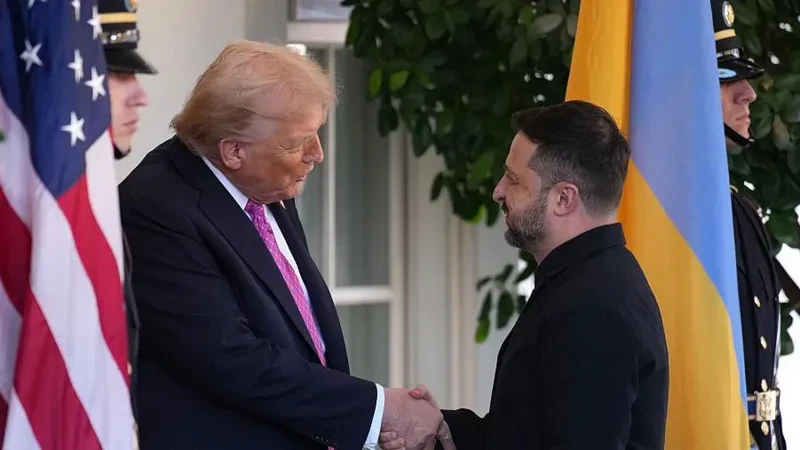
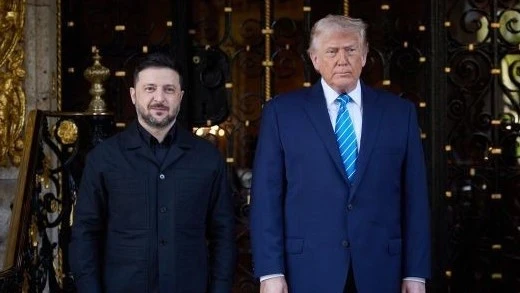
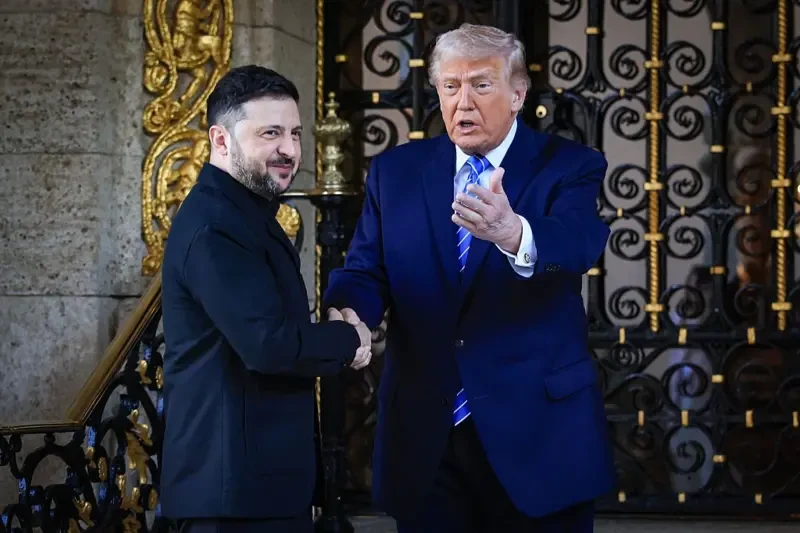
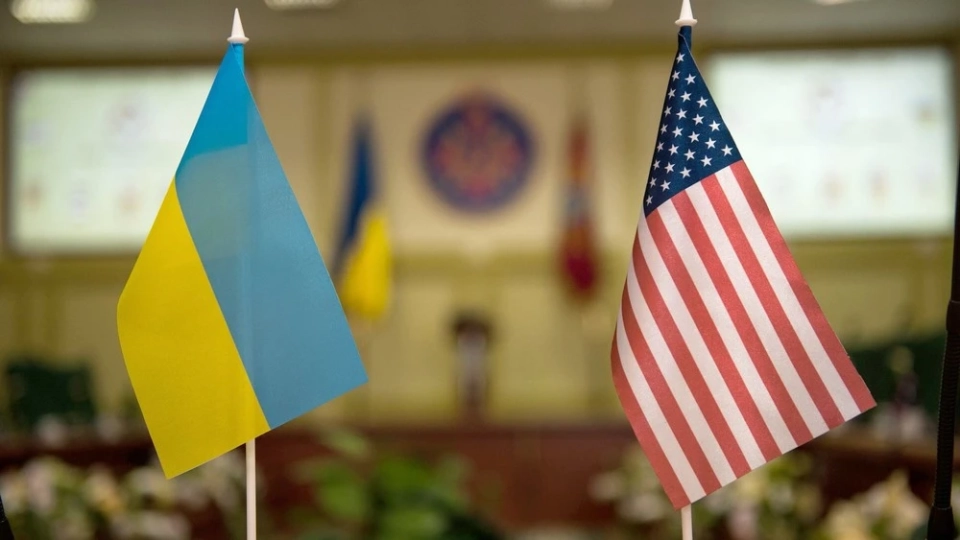
One of the key moments of 2025 was the peace initiative from the United States, presented in November in the form of a 28-point plan. During this time, Ukraine actively consulted not only with Washington but also with European allies.
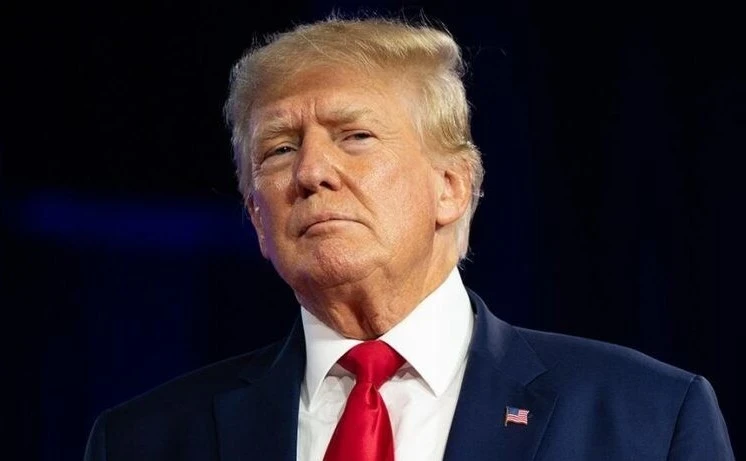
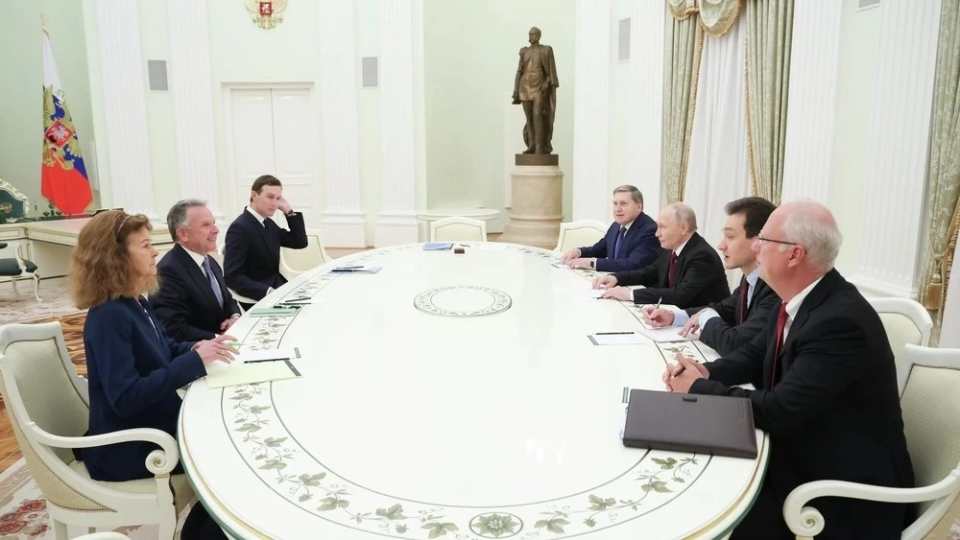
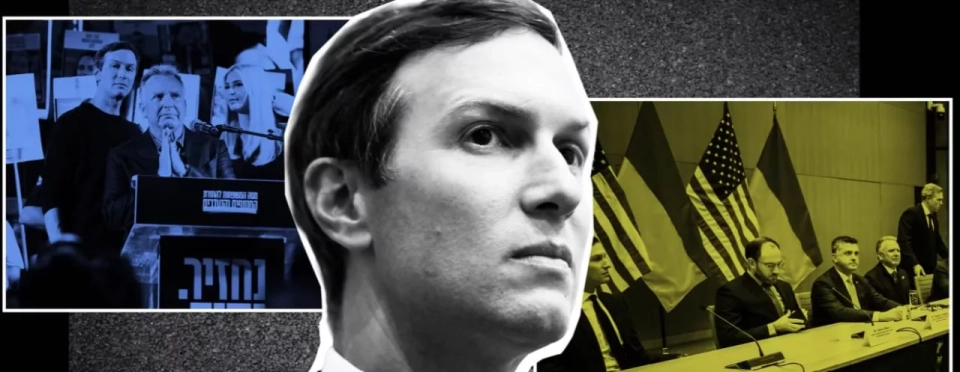
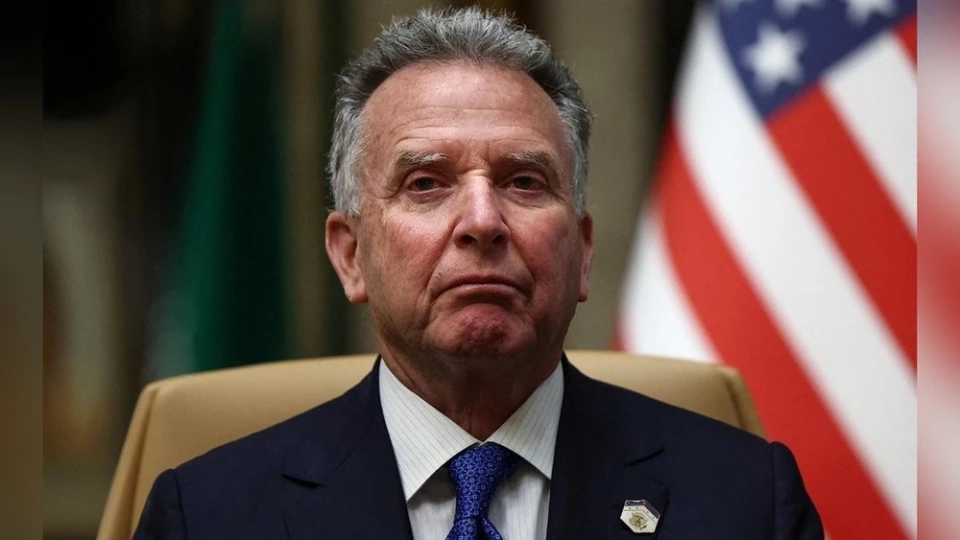
At the same time, Guney reports, U.S. Special Representative for President Donald Trump, Steve Whitcoff, along with his son-in-law Jared Kushner, visited Moscow to inform the Russian side about the progress of negotiations with Ukraine.
“In December, this process opened the way for active diplomacy centered in Miami,” notes the analyst.
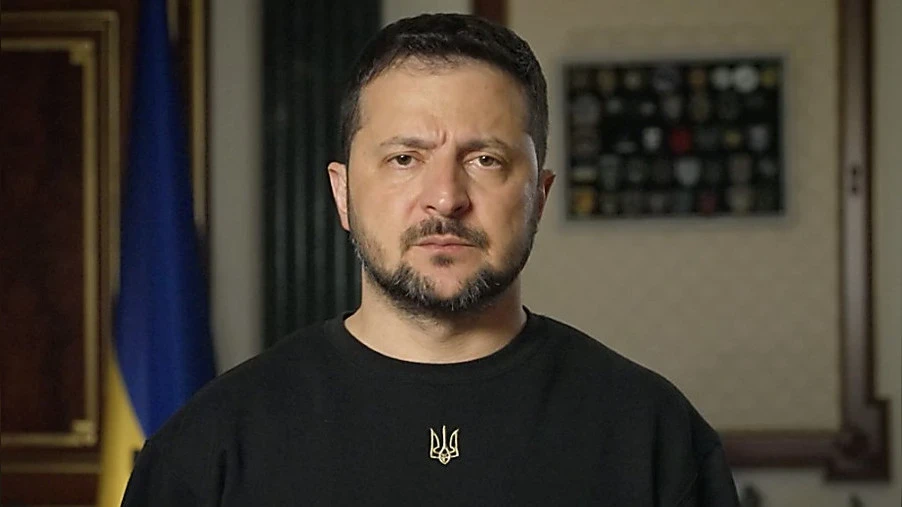
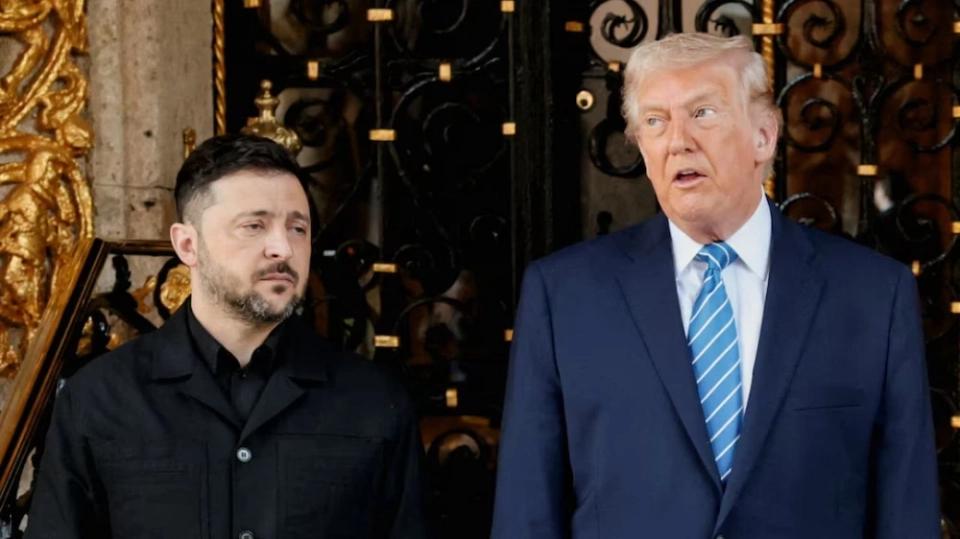
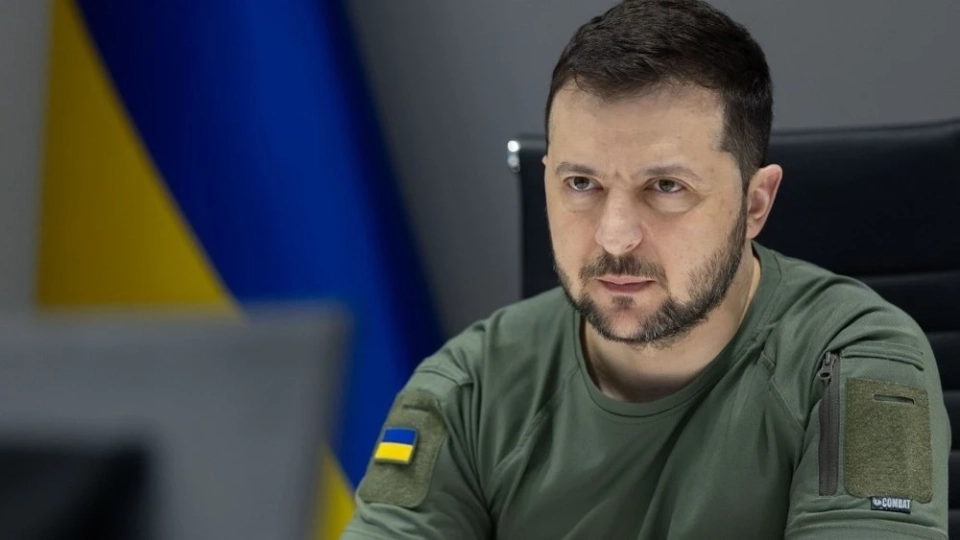
In Miami, American representatives held separate meetings with delegations from Russia and Ukraine. Earlier, Ukrainian President Volodymyr Zelensky had a series of negotiations with European leaders, resulting in Western countries agreeing to provide Kyiv with security guarantees comparable to NATO's Article 5.
However, as Professor Guney emphasizes, these guarantees were tied to strict conditions.
“Washington demanded certain territorial concessions from Kyiv,” she points out. “The analysis of these demands as a condition of the peace plan from the U.S. underscores Russia's insistence on defending its territorial claims.”
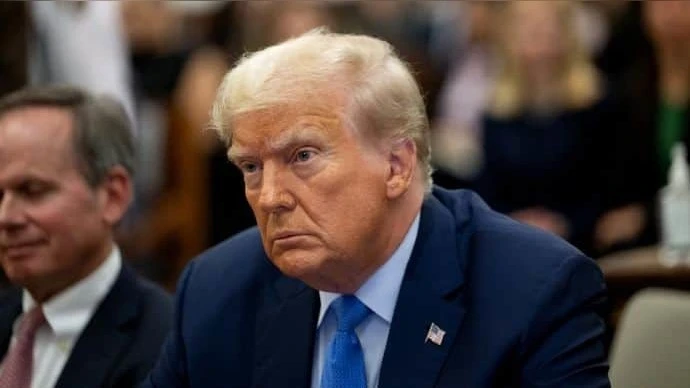
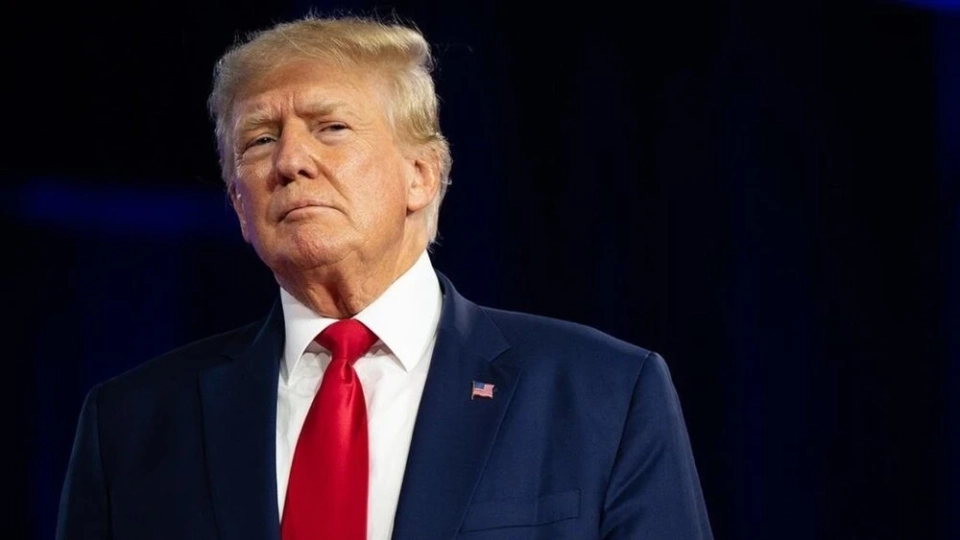
In the analyst's opinion, this approach also indicates the similarity of positions between Donald Trump and Vladimir Putin on issues of territorial resolution.
Negotiations in Miami and lack of results
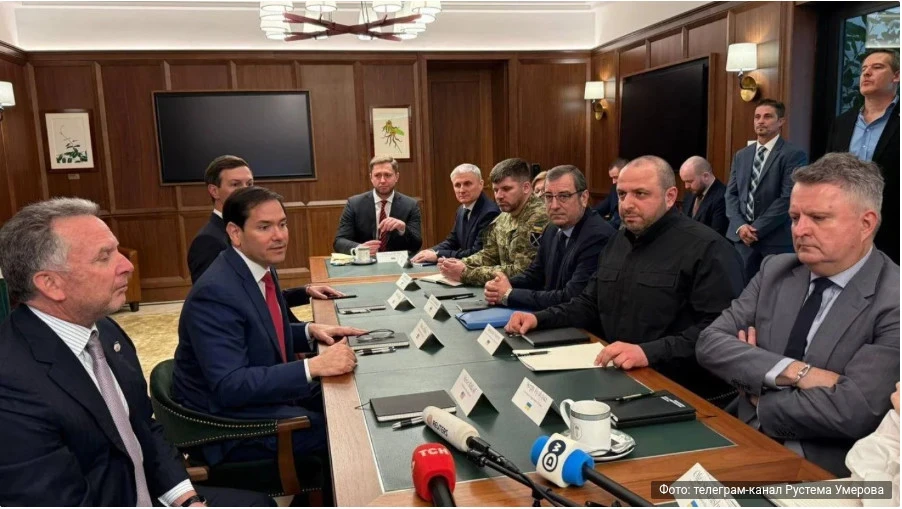
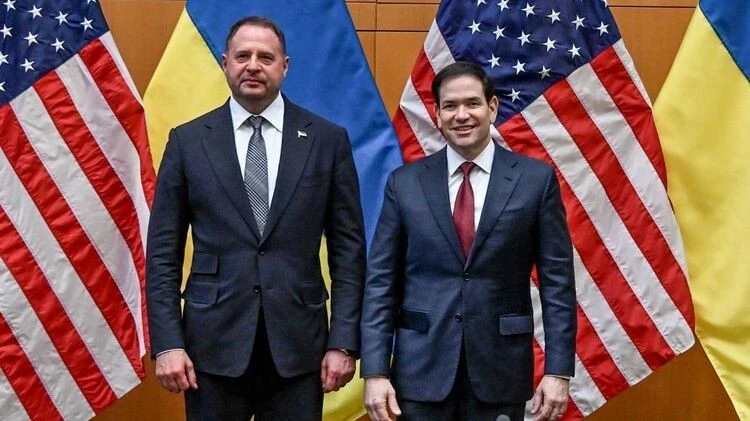
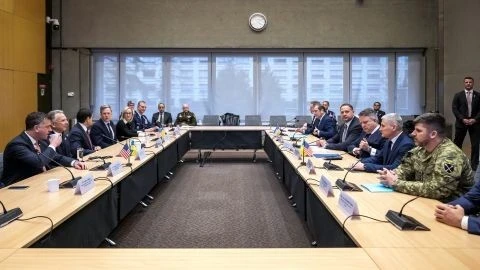
The culmination of diplomatic efforts was the negotiations on December 22, 2025, in Miami between the Special Representative of the President of Russia, Kirill Dmitriev, and the National Security Advisor of Ukraine, Rustem Umerov.
“Although the White House representative characterized the meeting as productive and constructive, it did not yield concrete results for the peace process,” notes Guney.
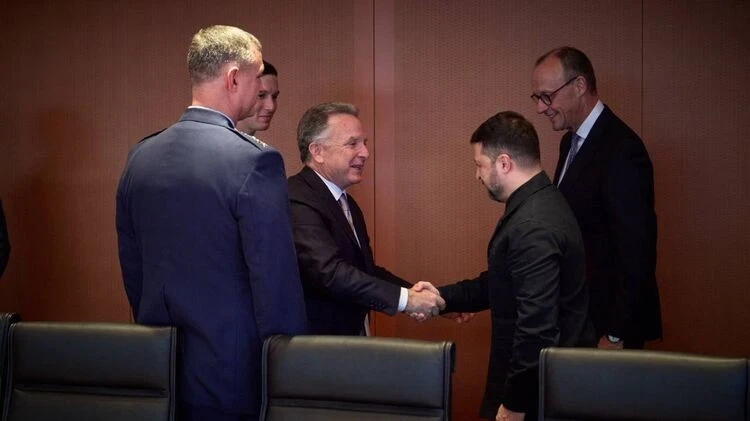
Optimism grew after the negotiations in Berlin, where European, American, and Ukrainian parties announced agreements on several issues. However, subsequent statements from Moscow cooled these expectations.
“Russian officials emphasized that the proposed plan mainly reflects the interests of Europe and Ukraine and cannot be considered constructive,” the analyst points out.
The Ukrainian side again stated the need for increased U.S. pressure on Russia as a key condition for advancing the negotiation process.
Disagreements between the U.S. and Europe
A separate section of the analysis examines the relationship between the U.S. and Europe. Guney notes that the priorities of Donald Trump's administration significantly diverge from the position of the European Union.
“Trump seeks to resolve conflicts in Gaza and Ukraine as quickly as possible to focus on a long-term strategy to counter China in the Asia-Pacific region,” she writes.
This strategy is reflected in the U.S. National Security Report published in November. Europe, on the other hand, continues its policy of strict pressure on Russia.
With the exception of Hungary and a few other EU countries, leading European states supported providing Ukraine with new loans. Moreover, the European Union, despite the objections of Hungarian Prime Minister Viktor Orban, froze 210 billion euros of the Central Bank of Russia's assets, using emergency provisions.
“The decision to allocate a 90 billion euro loan to Ukraine was Brussels' response to transactional actions during Trump's second term,” emphasizes Guney.
Reasons for the unattainability of peace
According to the analyst, there are several fundamental factors hindering the achievement of a peace agreement.
“Key issues include unresolved territorial questions, the fate of the Zaporizhzhia nuclear power plant, and the unwillingness of the U.S. to directly participate in ensuring security guarantees for Ukraine,” she notes.
Additionally, Vladimir Putin has stated his intention to continue pursuing goals “on the ground” at least until June, which also signals a prolongation of the conflict.
Complications also arise with a possible peacekeeping mission.
“To prevent a new conflict after the war, 100,000 to 150,000 peacekeepers will be needed,” claims Guney. “Without U.S. participation, it will be extremely difficult for Europe to provide such a number of soldiers.”
Furthermore, Russia is categorically opposed to the presence of NATO peacekeepers on Ukrainian territory.
Forecast for 2026 and Turkey's role
In such conditions, Professor Guney suggests that the conflict is likely to continue at least until the summer of 2026, despite the U.S. desire to accelerate the peace process.
“The supply of Tomahawk missiles to Ukraine is viewed by Washington as a means of deterrence and pressure on Russia during the negotiation process,” she emphasizes.
The analyst pays special attention to Turkey's role.
“Ankara still acts as the only player capable of maintaining dialogue between the opposing sides,” Guney notes. “This role will remain relevant in the new year.”