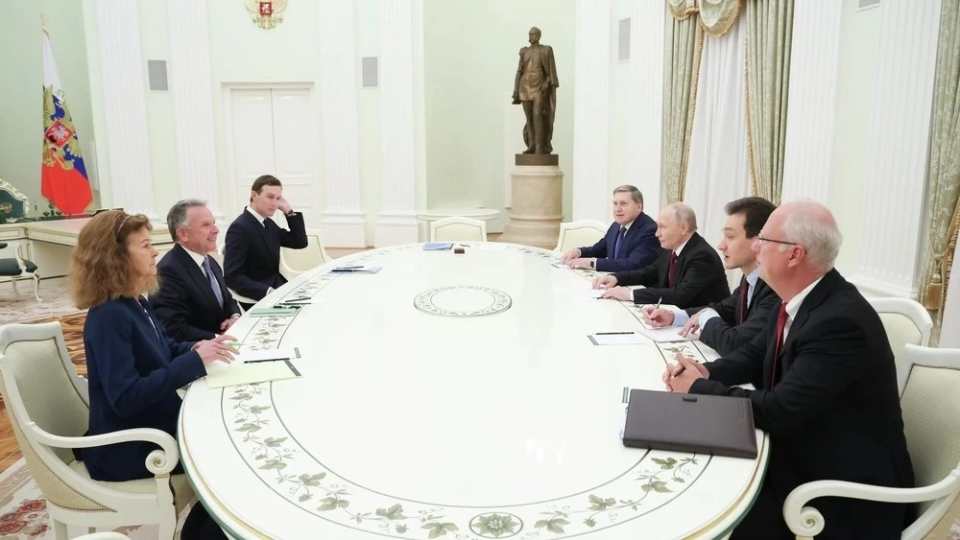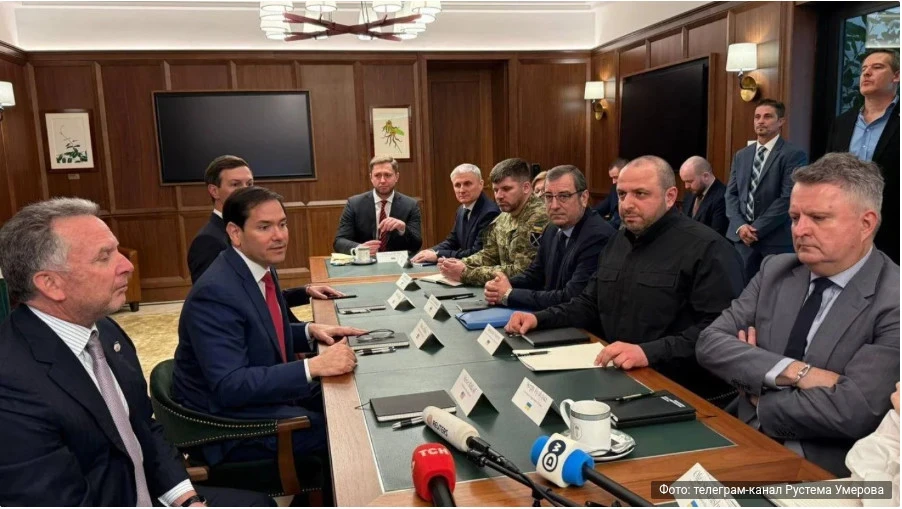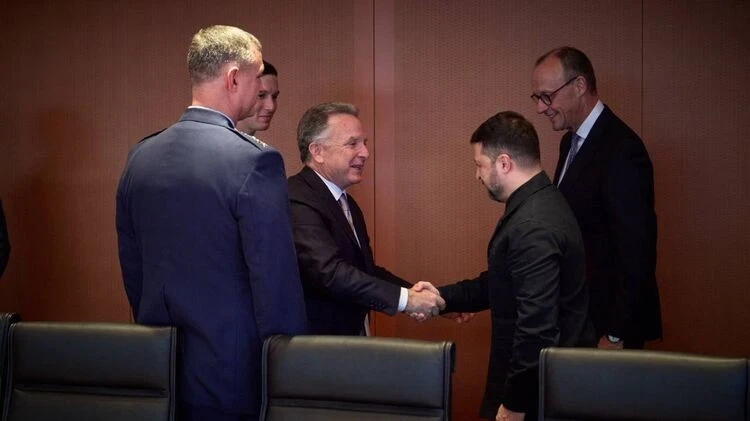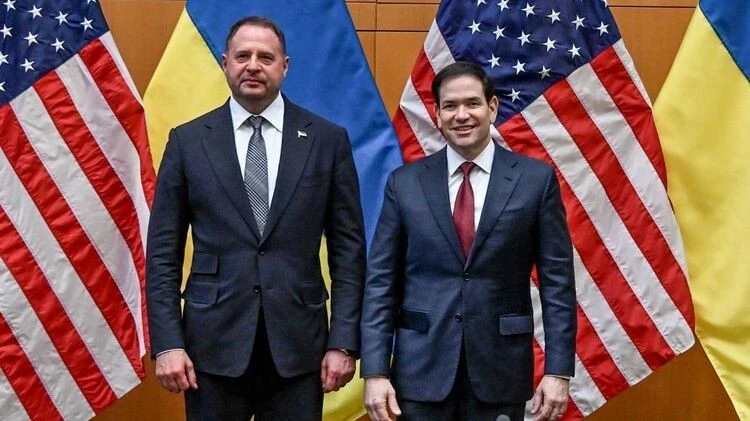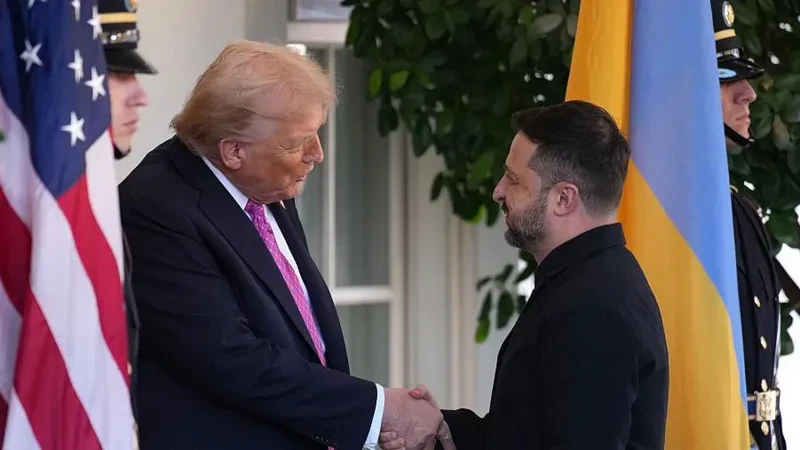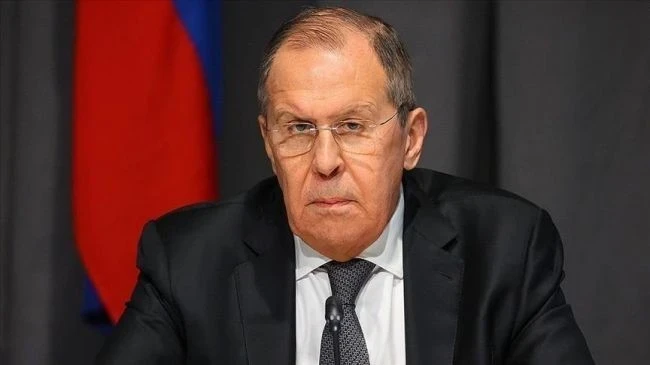
As part of these negotiations, U.S. Special Representative for the Middle East Steve Whitcomb and former senior advisor to the U.S. President Jared Kushner met on December 19 with Ukraine's Secretary of the Defense Council Rustem Umerov and Chief of the General Staff of the Armed Forces of Ukraine Major General Andriy Hnatov. Umerov reported that European representatives also joined the negotiations at the invitation of the U.S. Axios correspondent Barak Ravid clarified that national security advisors from Germany, France, and the United Kingdom participated in the discussions on December 19. According to him, Turkish Foreign Minister Hakan Fidan and Qatari Prime Minister Mohammed bin Abdulrahman Al Thani also attended the meeting. Meanwhile, the chief Russian negotiator Kirill Dmitriev, who is the CEO of the Russian Direct Investment Fund (RDIF), arrived in Miami on December 20 for talks with Whitcomb and Kushner. However, according to Reuters, the Russian delegation will not meet with Ukrainian representatives.
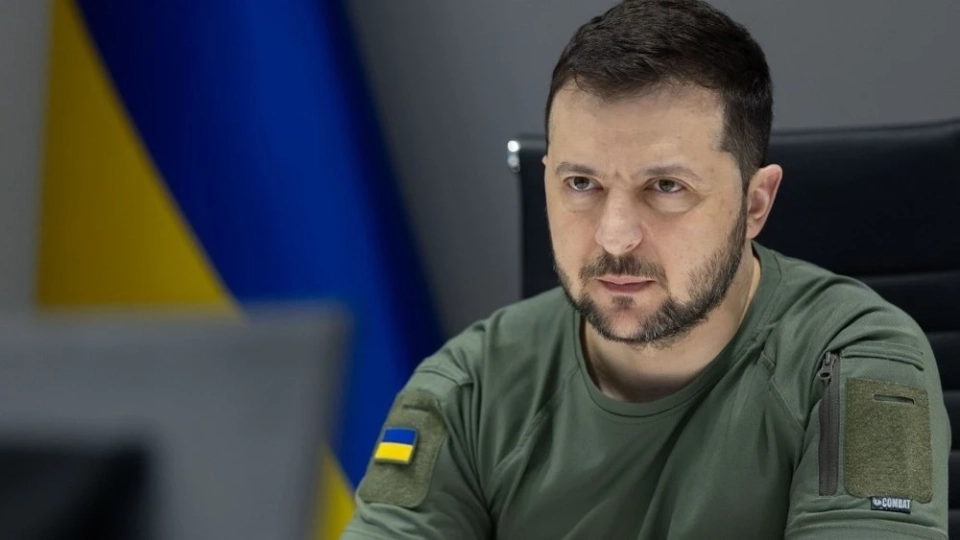
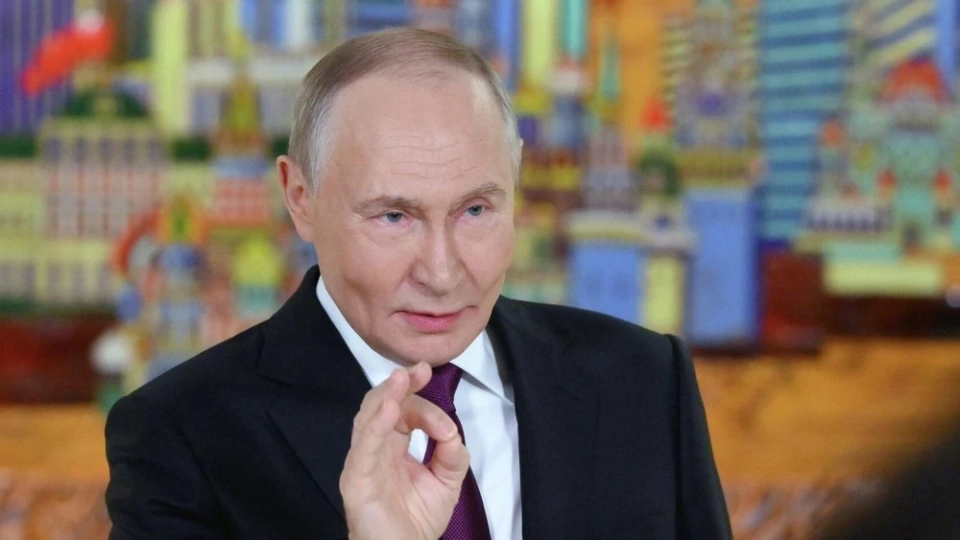
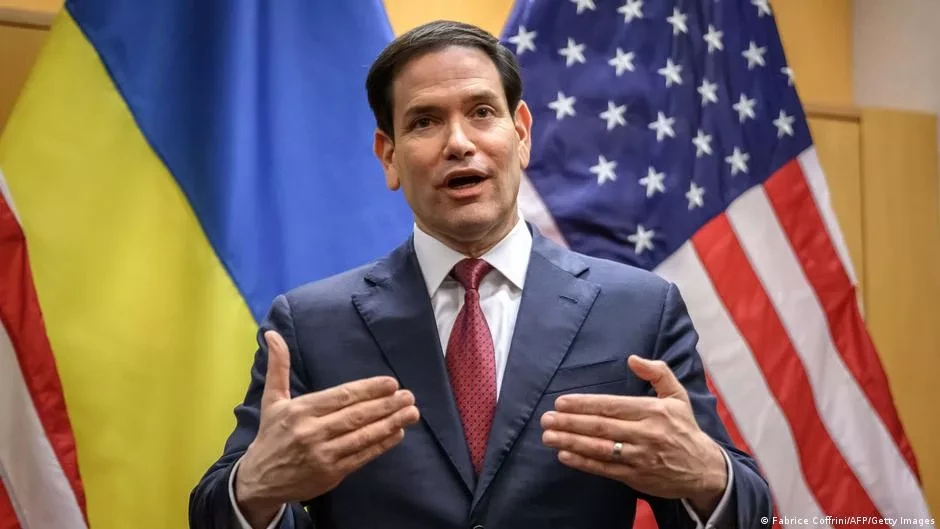
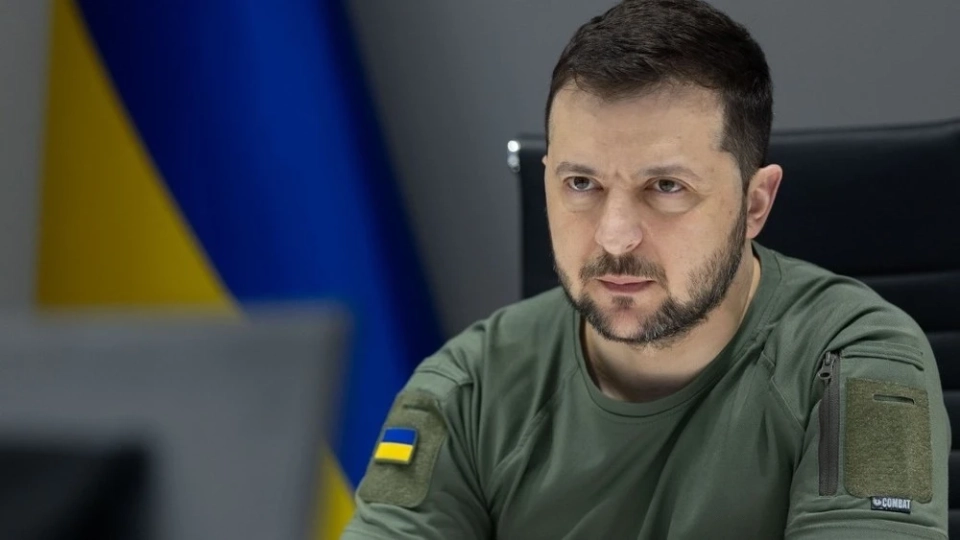
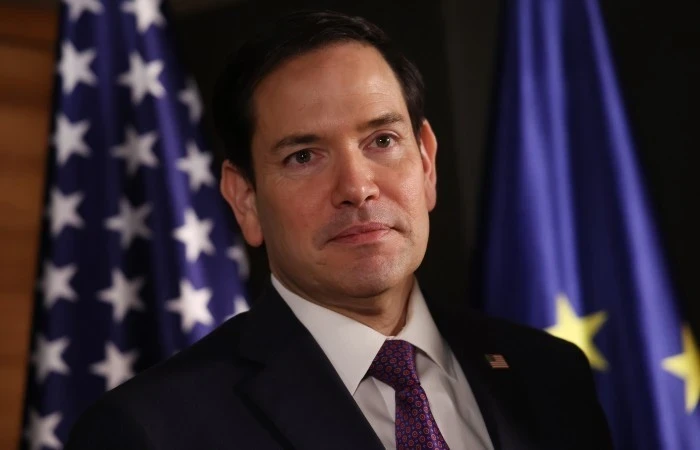
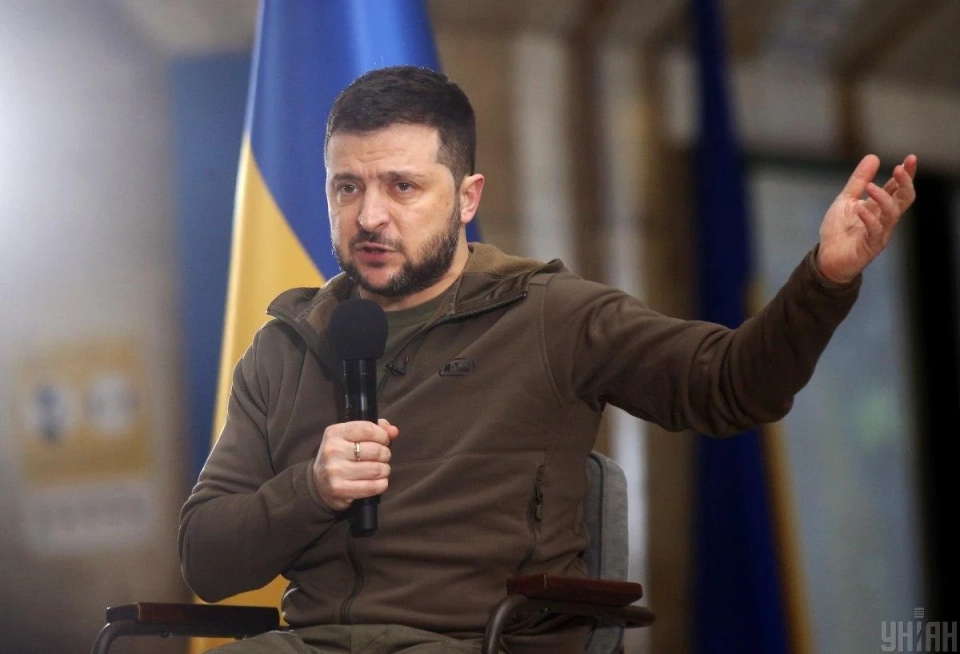
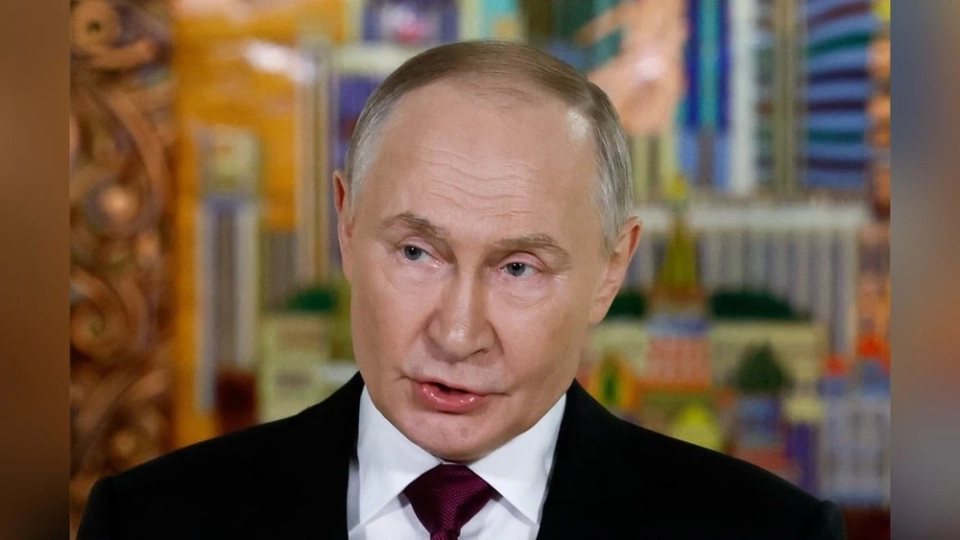
U.S. Secretary of State Marco Rubio emphasized the need for compromise between Russia and Ukraine to end the conflict. This statement followed Russian President Vladimir Putin's confirmation on December 19 of his determination to achieve military objectives. Rubio noted that achieving peace would require both sides to "give something up," and the U.S. is trying to determine what concessions the negotiating parties are willing to make. In his "Direct Line" on the same day, Putin outlined demands for a future peace agreement that align with those he presented before the full-scale invasion in February 2022. In contrast, Ukrainian President Volodymyr Zelensky confirmed on December 20 his readiness to organize presidential elections in the country as a step towards ending the war. He added that elections could take place if appropriate conditions are created to ensure "fair and democratic elections." Zelensky also noted that the Ukrainian Foreign Ministry is working on preparing the necessary measures for voting abroad, as the number of Ukrainian citizens overseas has increased. Additionally, he emphasized the importance of Ukrainian military participation in the elections and the presence of international observers, as well as the necessity of maintaining a ceasefire, even temporarily. Russia's unwillingness to engage in honest negotiations and compromise on Ukraine's capitulation underscores the need for reliable security guarantees to achieve sustainable peace and prevent new aggression. However, the Kremlin has repeatedly rejected such guarantees.
On the night of December 19-20, Ukrainian forces attacked Russian military and oil facilities. The Security Service of Ukraine (SBU) reported that its forces destroyed two Su-27 fighter jets at the Belbek airbase near occupied Sevastopol in Crimea. One of the aircraft was on a combat mission at the time of the strike. The SBU also presented geolocation footage confirming the destruction of the Su-27 by Ukrainian drones. On the night of December 17-18, Ukrainian troops struck radar systems and a MiG-31 fighter jet at the same base. The General Staff of Ukraine reported that on the night of December 19-20, a radar system RSP-6M2 used by Russian forces for landing aircraft in poor visibility was destroyed near occupied Krasnoselske in Crimea. Additionally, Ukrainian drones attacked a Project 22460 "Hunter" patrol boat that was near an oil and gas field in the Caspian Sea. Ukrainian military conducted three strikes on this oil infrastructure since December 10.
Since December 15, three drones, at least two of which are Russian, have entered Turkish airspace or crashed on its territory. The Turkish Ministry of National Defense reported on December 15 about a downed drone approaching the country's airspace from the Black Sea but did not specify its type. On December 19, Turkey reported the discovery of a downed Russian reconnaissance drone "Orlan-10" near Izmit. On December 20, reports emerged of a third drone that crashed in Balıkesir province, which had no identifying marks. A Russian military blogger claimed that this drone was also Russian. Turkish authorities have not yet linked the incidents to Russia's actions. ISW continues to monitor the intensification of Russian attacks on European countries and suggests that Russia has entered a "Zero Phase," preparing the ground for a possible conflict with NATO in the future.
Key takeaways:
- Separate meetings of U.S. delegations with Ukrainian-European and Russian sides took place in Miami on December 19 and 20.
- U.S. Secretary of State Marco Rubio noted that for the war to end, Russia and Ukraine need to make compromises, following Putin's confirmation of his military objectives.
- Ukrainian forces attacked Russian military and oil facilities on the night of December 19-20.
- Three drones, at least two of which are Russian, have been observed in Turkish airspace or crashed on its territory since December 15.
- Recently, Ukrainian forces advanced in the Kupiansk area, while Russian forces achieved successes in the Huliaipole area.