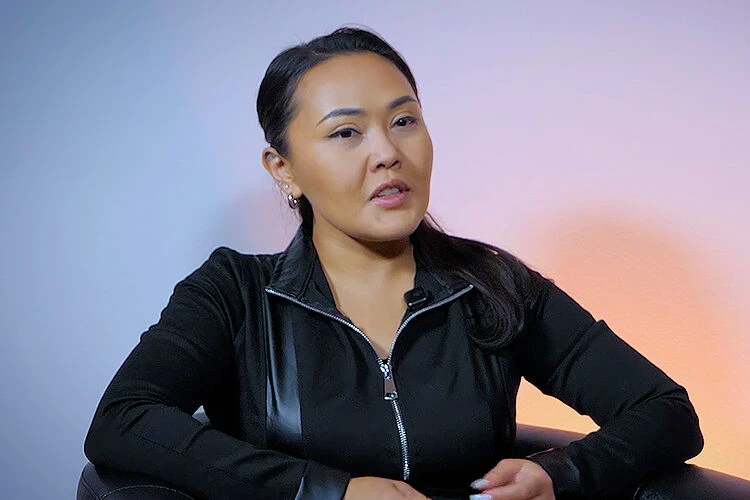
At the ceremony in Strasbourg, the Secretary General of the Council of Europe, Alain Berse, noted Abdirasulova's "extraordinary courage and determination," as she has made significant contributions to the protection of human rights in Kyrgyzstan, often risking her own health and safety.
According to Berse, "Aziza Abdirasulova, one of the first independent human rights defenders in Kyrgyzstan, not only documented instances of torture and arbitrary detention but also actively made them known when many would prefer to remain silent. In the context of global geopolitical crises, she reminds us of the importance of human rights activism."
The jury of the award noted that Abdirasulova "did not succumb to the pressure of threats and persecution."
The jury also emphasized that her organization, "Kylım Shamy," played a central role in exposing systematic human rights violations, providing legal assistance to victims, and shaping public opinion at both national and international levels. The organization has become a reliable source of information for the international community regarding the human rights situation in Central Asia. "She tirelessly fought for the freedom of assembly and the right to peaceful protest, even in the face of severe restrictions from the authorities," they added.
Accepting the award, Abdirasulova stated: "Like Raoul Wallenberg, every life saved is a top priority for me. In my work, I have always defended fundamental human rights: the freedom of peaceful assembly, freedom from torture and cruel treatment, freedom of speech. This work requires both professionalism and personal courage. I have witnessed numerous cases of torture and have tried to support the victims in each of them."
The award ceremony also featured speeches from Secretary General of the Council of Europe Alain Berse, jury chair Roderick Liddell, award recipients, as well as ambassadors Harry Rush and Niklas Kebbon, representing Hungary and Sweden at the Council of Europe, respectively.
About the Award
The award ceremony takes place every two years, around January 17, the day of Raoul Wallenberg's arrest in Budapest in 1945. The Swedish diplomat used his powers to save tens of thousands of Jews during the Holocaust.The Council of Europe established the Raoul Wallenberg Prize in 2014 at the initiative of the Swedish government and the Hungarian parliament to commemorate his achievements. The award is given for outstanding humanitarian efforts by individuals, groups, or organizations.
The jury consists of seven independent experts with recognized authority in the field of human rights and humanitarian activities, appointed by the Secretary General of the Council of Europe, the Ministry of Foreign Affairs of Sweden, the Parliament of Hungary, the Municipality of Budapest, the Raoul Wallenberg Institute in Lund, the United Nations High Commissioner for Refugees (UNHCR), and the Wallenberg family.