The FAO price index, which tracks monthly changes in the international food market, stood at 125.1 points, which is 1.2% lower than in October.
This figure is also 2.1% below the level of November 2024 and 21.9% less than the peak recorded in March 2022.
At the same time, the price index for grains increased by 1.3%. Despite positive expectations for supplies and good harvests in Argentina and Australia, wheat prices rose by 2.5%. This is due to China's interest in American supplies, ongoing conflicts in the Black Sea region, and potential reductions in plantings in Russia. Corn prices also increased due to steady demand for Brazilian supplies, while the rice price index fell due to weak imports of Indian and aromatic rice.
As for vegetable oils, their index decreased by 2.6% compared to October. The decline in prices for palm, rapeseed, and sunflower oils outweighed the moderate increase in soybean oil prices, which is supported by high demand from the biofuel sector, especially in Brazil, the organization specified.
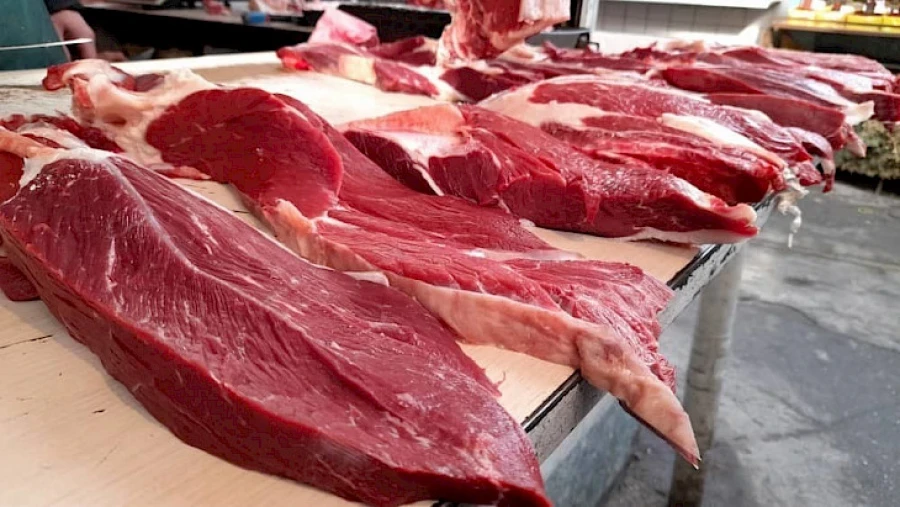
The meat price index fell by 0.8%. The decrease in chicken prices occurred due to significant export supplies and increasing competition, as Brazil is regaining its position in the market after lifting restrictions related to avian influenza. Pork prices also decreased due to large stocks in the EU and reduced demand in China following the introduction of new import duties. At the same time, beef prices remained stable, while lamb prices are on the rise.
The dairy price index decreased by 3.1%, which is related to the drop in prices for butter and whole milk powder. This reflects an increase in milk production and high export volumes in leading regions.
Sugar prices also decreased, falling by 5.9% compared to October, driven by expectations of significant global supplies in the current season and good production results in Brazil, India, and Thailand.
FAO also presented updated forecasts for the global grain market for 2025. It is expected that due to higher-than-expected wheat harvests, especially in Argentina, global grain production will exceed three billion tons for the first time, increasing by 4.9% to 3.003 billion tons.
There is also an expected increase in corn and rice production compared to the previous year. In particular, the global rice harvest is projected to grow by 1.6%, resulting from increased production in Bangladesh, Brazil, China, India, and Indonesia.
Photo on the main page is illustrative: © FAO/J. Alarcon.