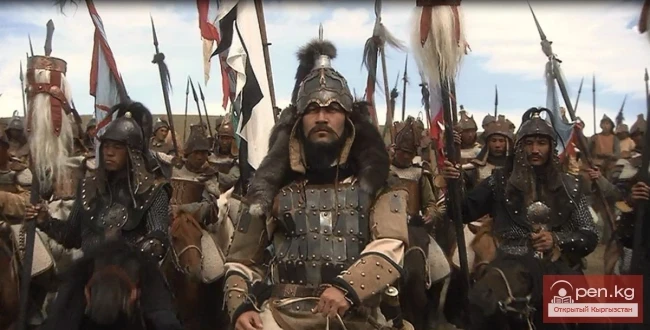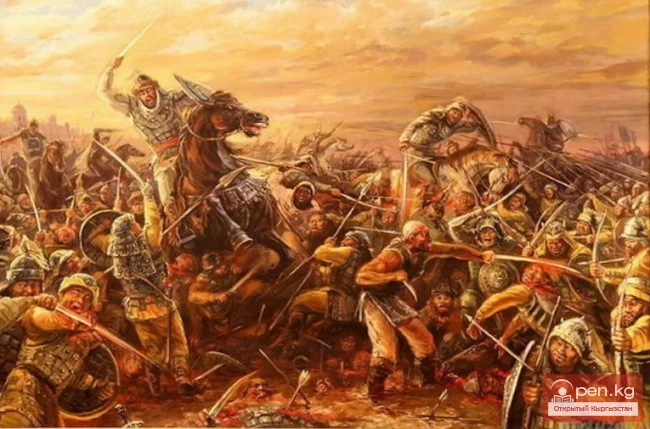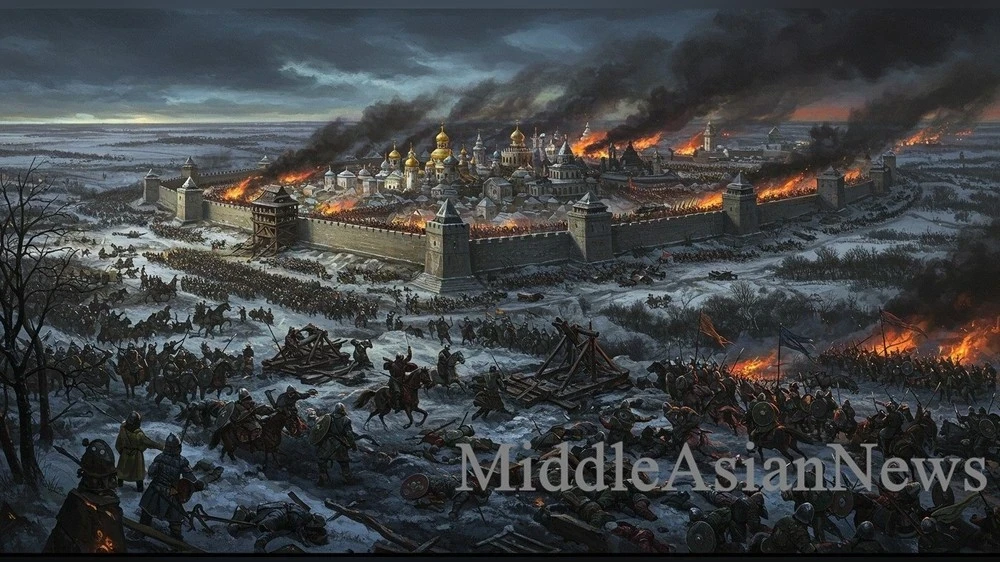
On December 6, 1240, Kyiv, one of the richest and most influential cities of medieval Europe, came under the assault of Mongol troops led by Batu Khan.
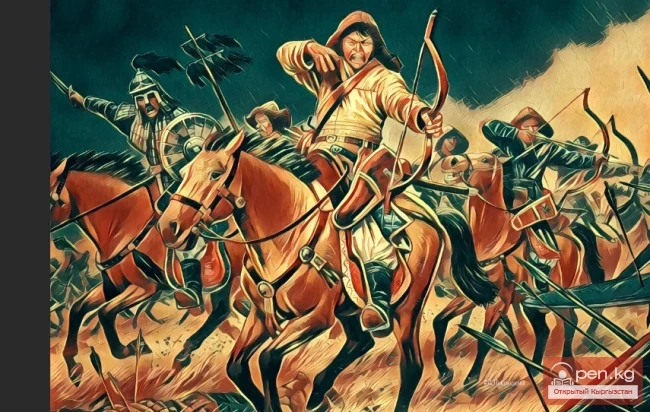
After three years of conquests in the territory of Rus, Batu Khan decided to take Kyiv, which had a population of about 50,000 and was under the control of the Galician-Volhynian principality. The operation to capture the city was commanded by Mönk Khan, Batu's cousin and future Great Khan. Seeing the beauty of Kyiv, he took a step unusual for a Mongolian commander and attempted to negotiate a surrender by sending envoys to the local authorities. However, the citizens of Kyiv executed the envoys, which forced Mönk to begin the siege and set up catapults at the main gates of the city.
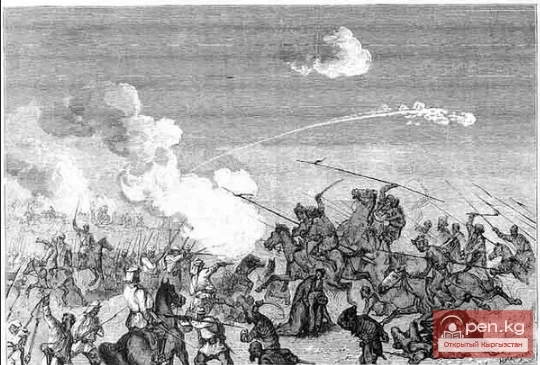
The Mongols attacked the city walls for several days, and soon they were breached. At this time, Batu Khan had defeated the Russian army that was trying to come to Kyiv's aid. The defenders of the city numbered only about 1,000 soldiers and militia, which was significantly inferior to the size of the Mongolian forces.
After eight days of heavy siege, Kyiv not only fell but was practically destroyed. Chroniclers report that of the 50,000 inhabitants, only about 2,000 survived.
Before this tragic date, Kyiv was the center of Kievan Rus, a vast principality that stretched from the Baltic to the Black Sea. The city was renowned for its Orthodox churches, trade, and art, with golden domes and fortress walls.
Despite its grandeur, Kyiv could not withstand the onslaught of a new power—the Mongol Empire, which had already captured significant territories in Asia.
The Siege: Eight Days of Fire, Hunger, and Despair
At the end of November, Batu Khan's army, the grandson of Genghis Khan, approached the walls of Kyiv. The Mongols brought with them siege engines and technologies that were unfamiliar to the local defenders. The defense of the city was led by Prince Dmitry, but his forces were insufficient, and the walls were outdated and could not withstand the assault.
On December 6, after several days of constant attacks, the wall at the Liad Gates collapsed. The Mongols poured into the city, leading to chaos in the streets, where a massacre soon began.
The Western chronicler Giovanni da Plano Carpini, one of the few eyewitnesses, described Kyiv as "completely devastated." Temples were looted and burned, buildings could not withstand the onslaught of fire. Men were killed, women were taken captive, and children were either scattered or killed. Hostages were used as labor or sold into slavery.
According to legends, out of tens of thousands of Kyivans, only about 2,000 survived—a handful of witnesses to one of the saddest pages in the region's history.
Consequences: The Beginning of a New Era
The day after the capture of the city, the Mongols began its plunder and the extermination of the remaining population—of the 50,000 inhabitants, only about 2,000 survived. Among the survivors was Dmitry, who was spared for his displayed bravery. Much of Kyiv burned after the Mongols' victory, opening the way to Hungary and Poland, which heralded further Mongolian advances into Eastern Europe.
The fall of Kyiv was a landmark moment. Kievan Rus finally disintegrated into separate principalities, and a period known as the "Tatar-Mongol Yoke" began in the Eastern Slavic lands, lasting more than two centuries.
Trade routes changed, the population sharply decreased, and the political center shifted northeast—to Moscow and Vladimir. Kyiv, once a magnificent capital, became ruins, from which it would begin to revive only after hundreds of years.
Tatar S. Maydar
source: MiddleAsianNews