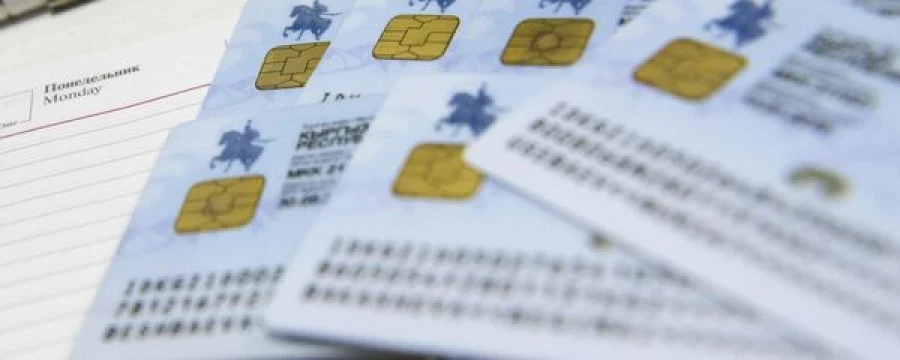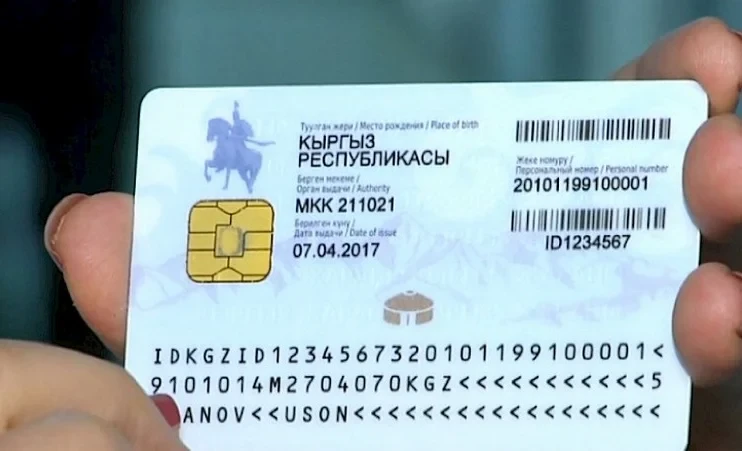
The regulation of the process of assigning and changing personal identification numbers (PIN) is carried out through a number of laws, such as "On Personal Data," "On Personalized Accounting of Citizens," as well as by the Cabinet of Ministers' resolution dated April 17, 2025, No. 207.
According to the established procedure, there is a mechanism for quickly correcting data when technical errors or duplicate PINs are discovered.
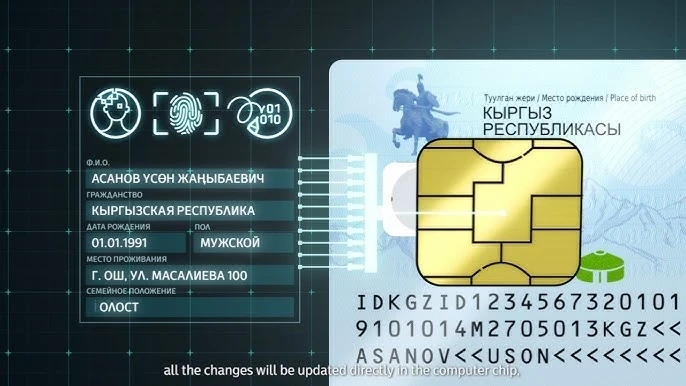
To resolve the issue, citizens can contact the Public Service Centers. The relevant departments of the State Institution "Kyzmat" correct information within one to three working days. Requests from foreign institutions are processed within eight hours.
Reasons for the emergence of duplicate PINs
According to the Ministry of Digital Development, most cases of duplicate PINs are related to the transitional period of the 1990s and early 2000s, when different agencies, such as the State Tax Service and the Social Fund, assigned identification numbers without a unified automated database.
This led to situations where one person could mistakenly be issued multiple numbers.
Since 2016, the process of assigning PINs has become centralized and is fully carried out by the State Institution "Kyzmat."

When issuing passports and other documents, a mandatory check is conducted in a unified information system, which helps avoid duplicates and identify existing ones.
Scope of the problem and plans for its resolution
The processing of duplicate PINs is carried out without the need for citizens to visit in person. After updating the data, the State Institution "Kyzmat" sends notifications by mail to those citizens whose addresses are in the database.
The Ministry of Digital Development plans to complete the processing and elimination of duplicate PINs in the second half of 2026.

The agency emphasizes that this work is part of a broader digital transformation program aimed at improving the quality of public services and protecting citizens' personal data.