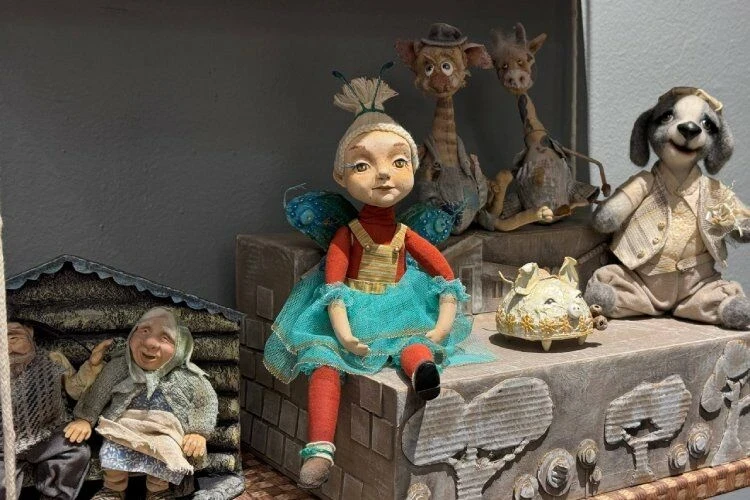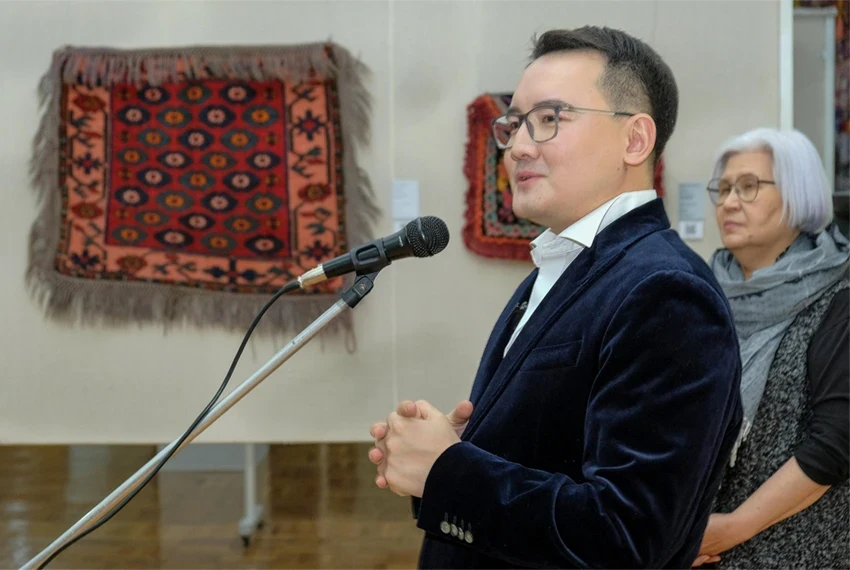
Once again opening its doors, the Guild of Puppeteers of Kyrgyzstan presented a puppet exhibition at the House of Artists. This year, the exhibition includes works by masters from the Kyrgyz State Puppet Theater named after Musa Jangaziev, among which the creations of Mariam Ablakova and Jumgalbek Beishebai are of special significance.
The World of Puppet Art
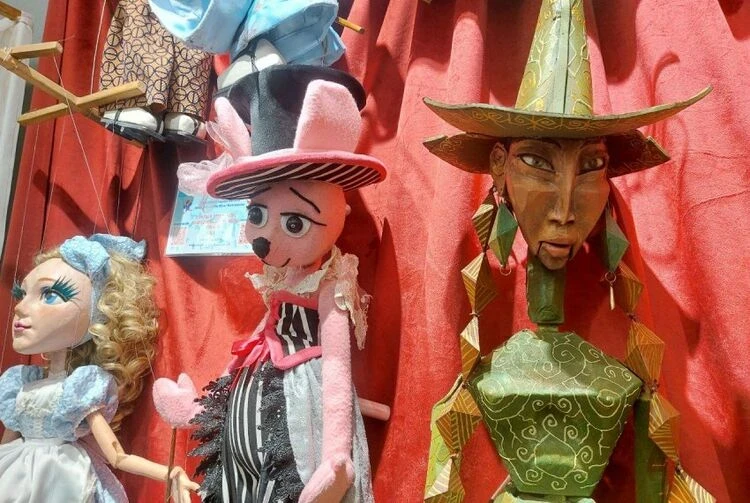
The exhibition is extensive and diverse, showcasing both characters from popular performances and original artistic creations. Visitors can familiarize themselves with various techniques, materials, and styles characteristic of contemporary puppeteers.Among the presented puppets are characters from the performance "Alice in Wonderland," created by Mariam Ablakova, the chief artist of the theater. The exhibition also features a mouse and other characters.
“Puppet theater is often associated with marionettes, but in our theater, they have not been used for a long time. We decided to change that and created several such puppets,” shares the artist.
The exhibition also presents characters from "The Little Prince" — the prince himself and the fox, which moves so skillfully that the audience gets the impression that it comes to life on stage.
As the artist emphasizes, puppet theater is interesting not only for small children.
“There are performances for the very young, as well as productions for a more mature audience that can contemplate and analyze the plot. Therefore, the theater has performances for all ages,” she adds.
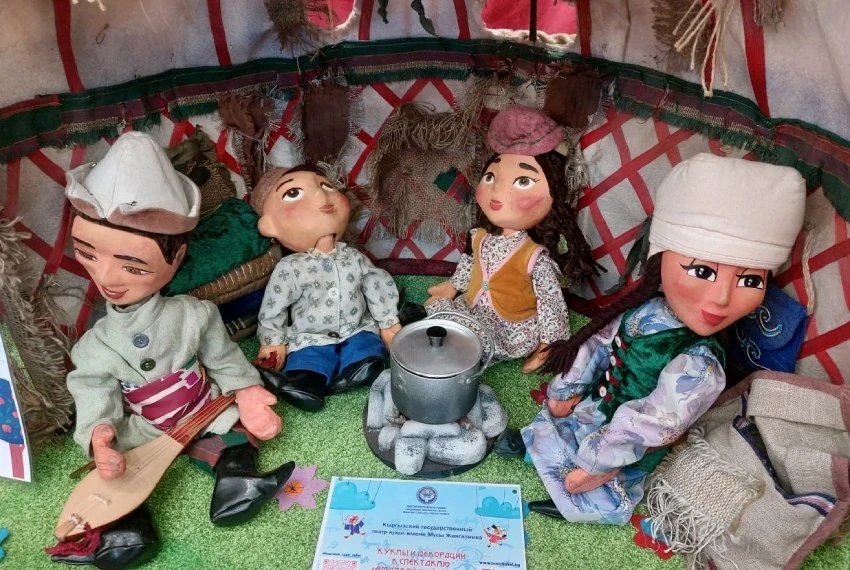
The exhibition also features mini-decorations, such as the interiors of rich and poor yurts, where miniature dolls create the atmosphere of scenes from performances.
Exhibition visitors can familiarize themselves with various types of theatrical puppets, including flat puppets operated at floor level and giant puppets that require several people to operate.
The process of creating puppets is complex and requires several stages. First, the artist develops a sketch, then individual elements are handed over to other masters for further work.
“For example, the head of the puppet is sent to a master who thinks about how it will move — how to open its mouth and move its eyes,” explains Mariam Ablakova.
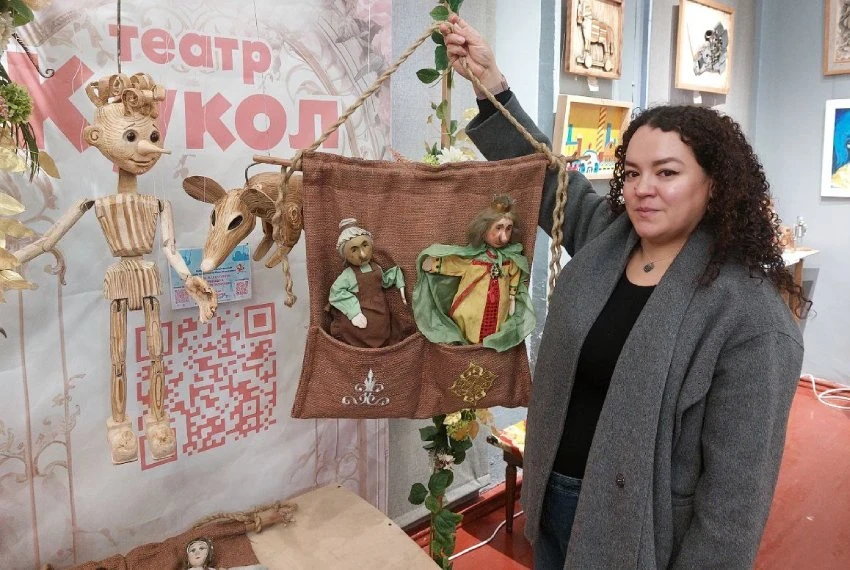
Most puppets are made from papier-mâché. First, a model is formed from plasticine, then a plaster mold is made from it, onto which papier-mâché is applied to form the basis of the future puppet.
Mythical Creations of the Artist
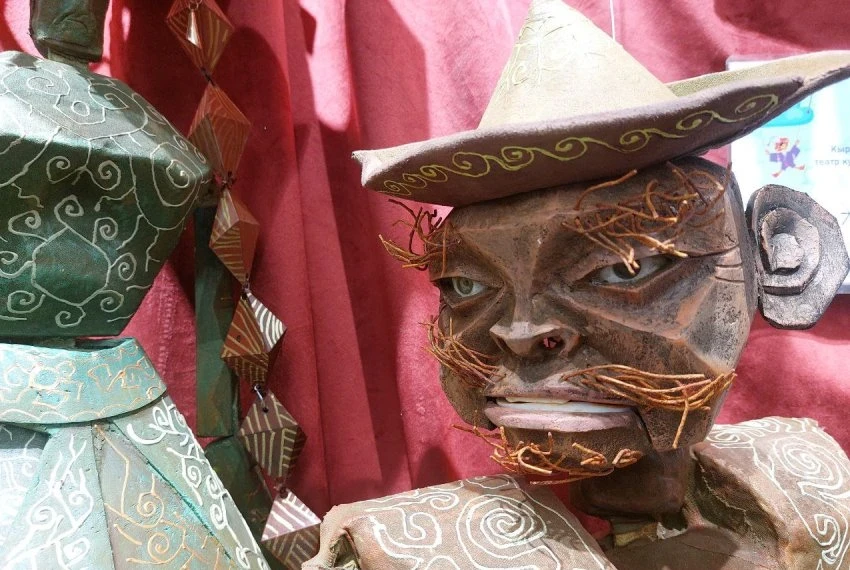
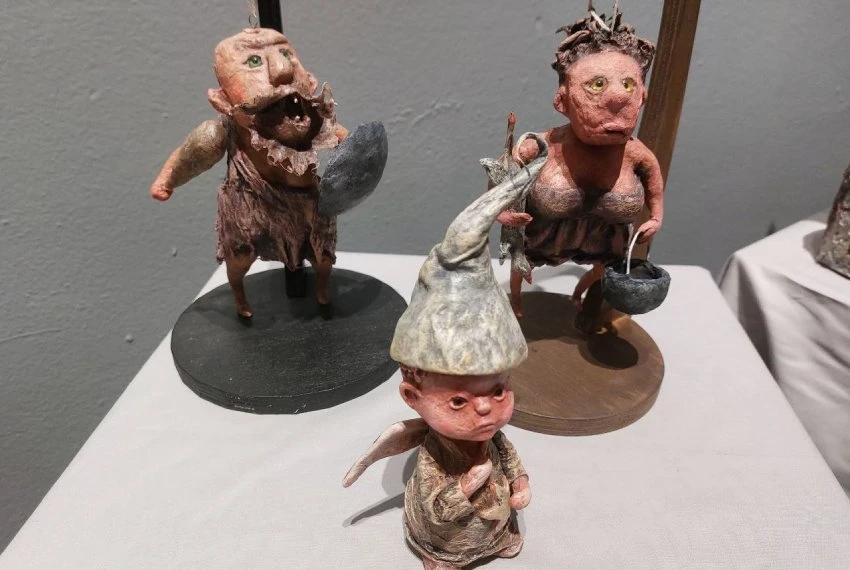
Works by Jumgalbek Beishebai are presented in small forms of sculpture. The exhibition features four of his works, all made in an authorial style and stylized.According to the artist, the images are formed during the creation process.
“These characters are mythical — such as mermaids or centaurs, which do not exist in real life. I am fascinated by the study of mythology and legends, and there are no restrictions here,” he says.
He also noted that he deliberately moved away from traditional dolls with hair and created his own style, for example, the braids of the characters are made from the same material as the figures themselves.
From "Lukomorye" to Paper Dolls
Inna Konyukhova presented a unique work at the exhibition — a kokoshnik, symbolizing the poem by Alexander Pushkin. The headdress is decorated with elements from a famous fairy tale line: a learned cat, a mermaid, and a hut on chicken legs. All details are made by her personally.The work is unique in that it is created from recycled materials. According to Inna Konyukhova, many details are remnants from previous works and production waste.
In one corner of the hall, there is a paper composition where the girl and the young man can change outfits of the peoples celebrating the spring equinox — Nowruz.
On the same day, puppet masters celebrate their professional holiday — International Puppeteer Day. For this day, the artist prepared her paper composition.
“Dolls can be made from a variety of materials and in different techniques. My work is a memory of childhood when we played with paper dolls and changed their outfits. I wanted to show children that a doll can be created from ordinary paper,” she shares.
Steampunk in Puppet Art
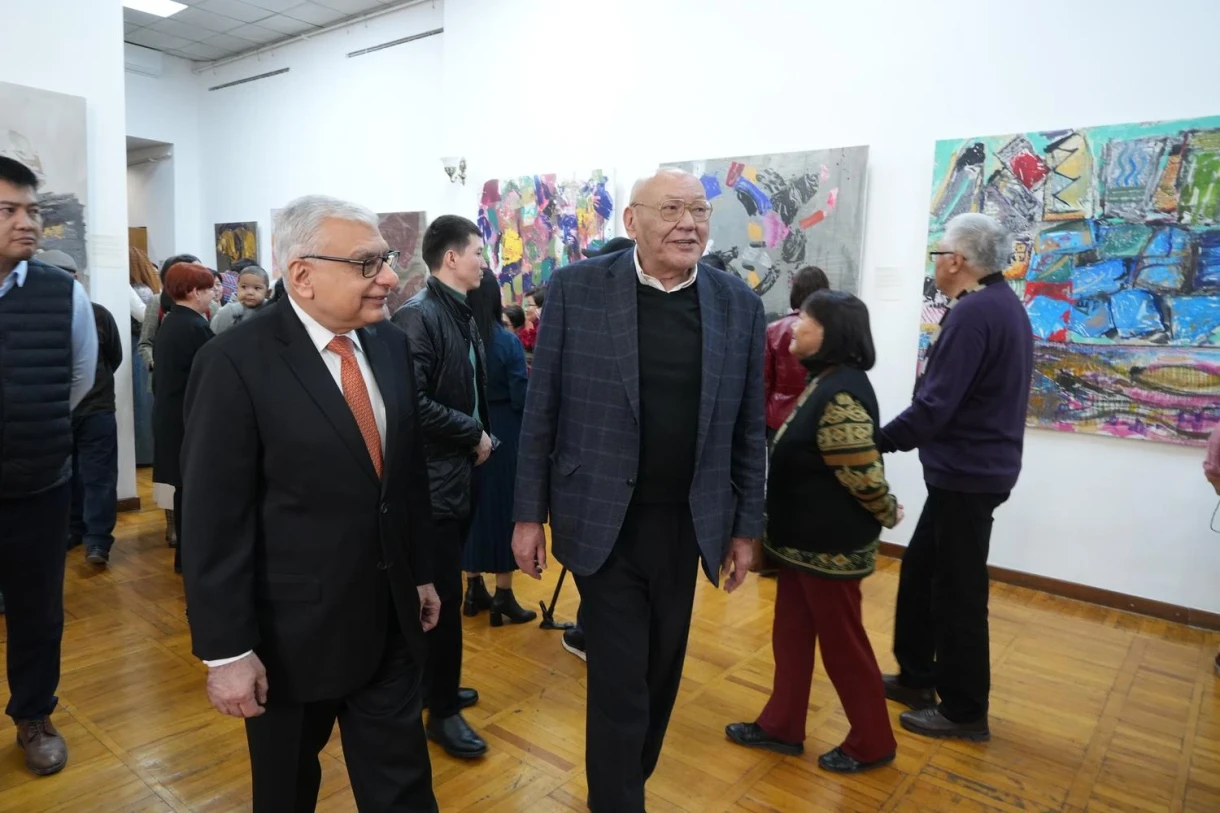
The exhibition was visited by the famous artist Leonid Gubsky, who noted the diversity of the presented works and techniques.“This exhibition is multifaceted and interesting because it features different styles of puppet making. For example, look at this little car — it successfully combines metal and wood,” he noted.
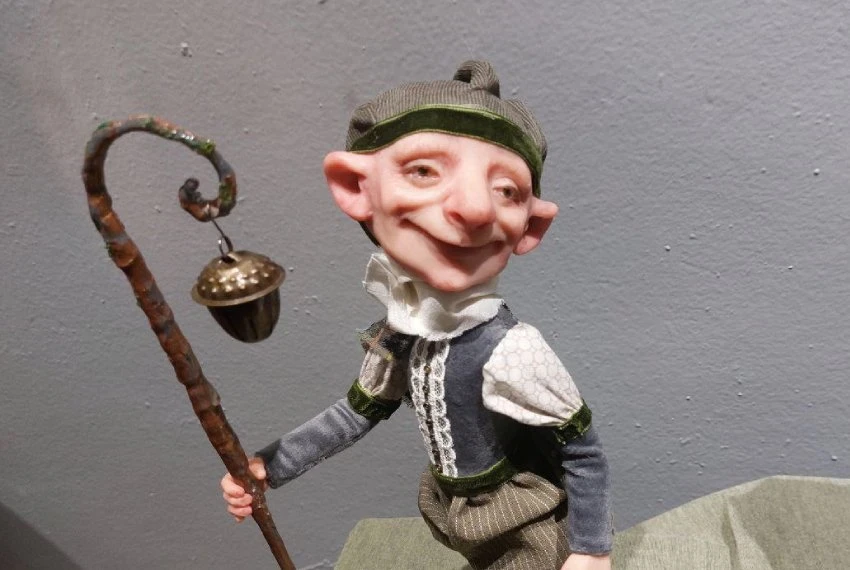
In his opinion, such exhibitions always attract viewers, as they allow them to see unusual creative solutions and immerse themselves in the world of authorial artistic dolls, each of which has its own character and story.
The artist paid special attention to the works of Nikolai Zhestovsky in the steampunk style.
The master of this unusual style admits that he sometimes spends an entire day in the workshop creating a new composition.
For his works, he uses a variety of items: old lamps from Soviet televisions, parts from computers, metal elements, and even ordinary driftwood. However, some details he still has to search for in online stores or flea markets.
Nevertheless, Nikolai Zhestovsky most often works with wood and metal.
“Wood is a warm material, which is always pleasant to work with,” he says.
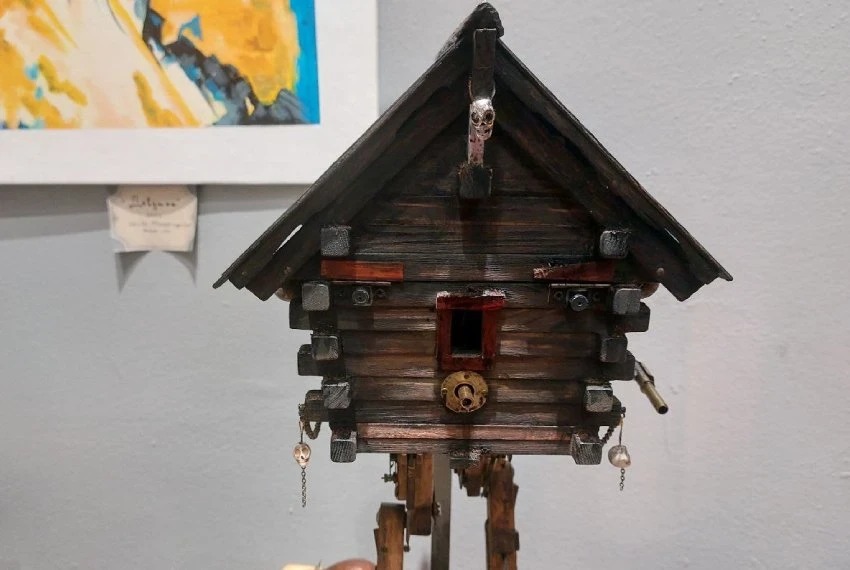
According to the artist, steampunk enthusiasts are mostly men, as the images in his works have a steel character.
The puppet exhibition will run until March 15.