They manage to combine household management and childcare with creating content for TikTok and Instagram. However, the question arises: what is the cost of such monetization? For many, this is the only opportunity to gain some benefit from the hard work that remains invisible and unpaid.
Distribution of responsibilities: time spent by women
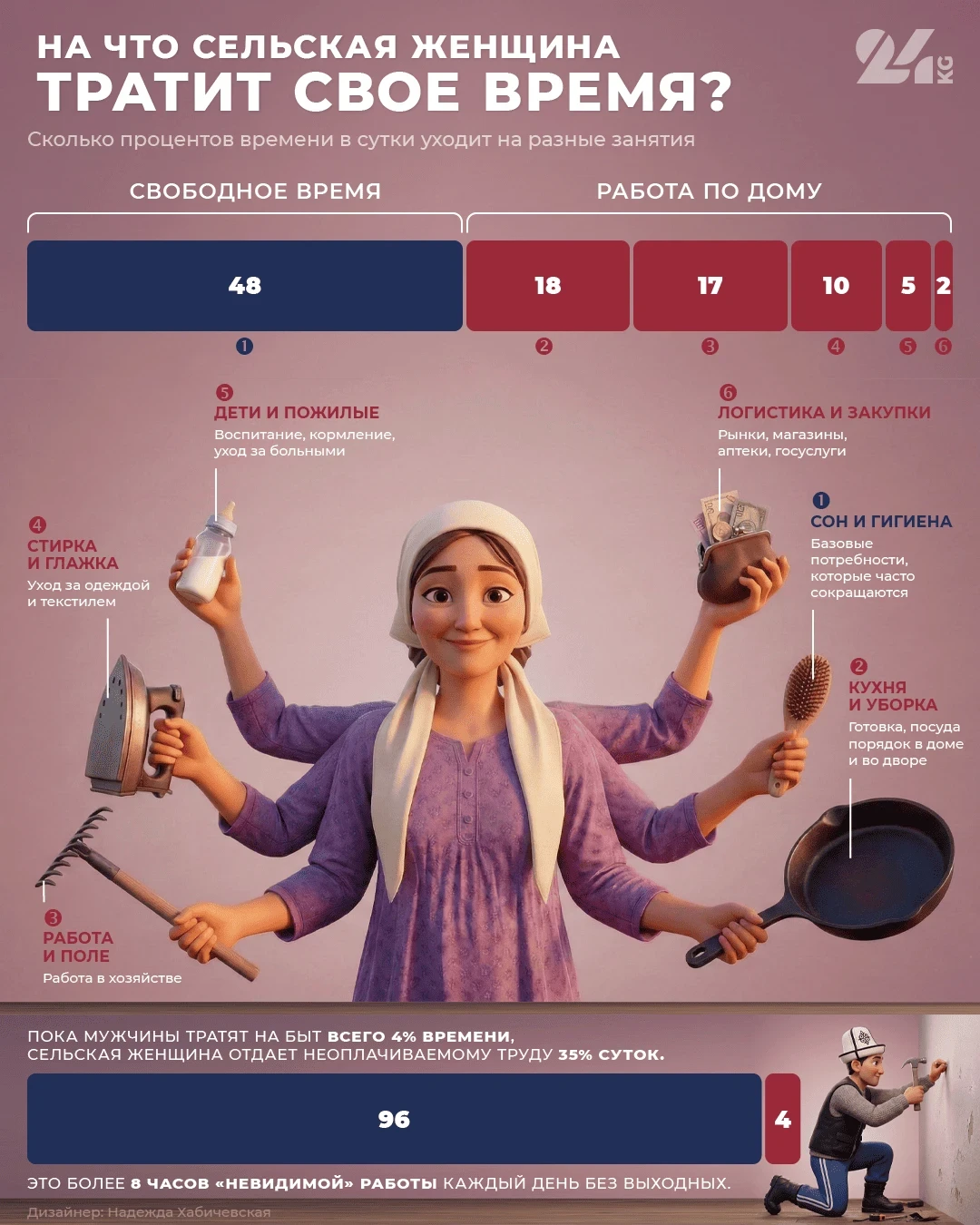
In 2025, the National Statistical Committee conducted a time budget survey in the country, which showed that women in Kyrgyzstan dedicate 4 hours and 40 minutes a day to household chores, which accounts for almost one-fifth of the day. For men, this figure is significantly lower — less than one hour. The difference in workload is especially noticeable depending on the place of residence: in villages, working women spend about 6.5 hours a day on household chores, while in cities — about 5 hours.
The data that were once just numbers in reports are now becoming visual content. Kelin bloggers from villages demonstrate how their day goes on social media.
In the videos, fragments from the Instagram accounts of bloggers such as Nazgul Turdieva, Asel Tabyldieva, Erke_Kelinkasy, and Khadidja are compiled.
Why women in villages choose blogging as a means of self-expression
Sezim Sobonova is one such blogger living in the Talas region. After getting married six years ago, she fully dedicated herself to the home, but admits that she has been searching for her place all this time. Once, the dream of becoming an actress became real again thanks to her smartphone. According to her, blogging has opened new horizons for housewives, although it has also brought new challenges.
“Blogging helps me avoid negative thoughts. Instead of just immersing myself in household chores, I can reveal my talents through the screen of my phone and share them with people,” says Sezim.
According to her, blogging has become a real chance to earn money without leaving home.
“I don't earn much yet, but I admire women who successfully sell their products through Instagram. I aspire to this, although I have not yet reached that level,” she adds.
Sezim Sobonova
The content created by kelin bloggers attracts millions of views, eliciting various reactions: the older generation perceives them as “ideal daughters-in-law,” while the youth see it as a manifestation of “domestic slavery.”
The media image of kelins and its impact on inequality
Gender experts emphasize that behind this attractive image lies a serious problem. The enormous volume of unpaid female labor in Kyrgyzstan is still not recognized economically and is not considered a shared family responsibility.
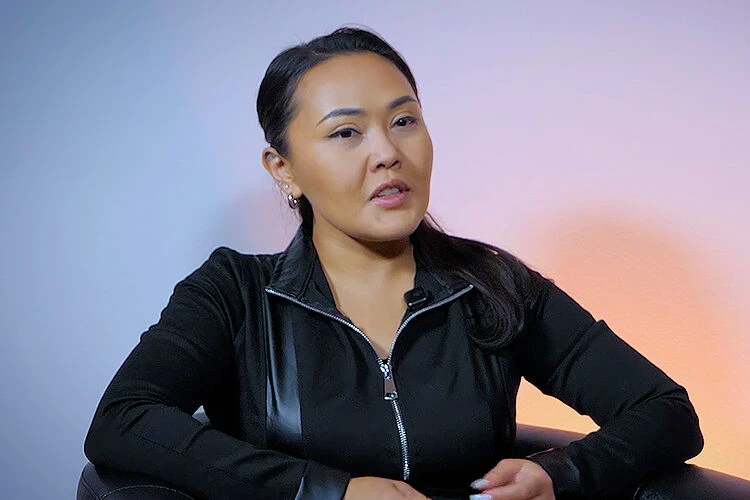
According to Baktygul Islanbekova, a gender expert, the image of the “super kelin,” who does everything with a smile, only reinforces societal demands rather than alleviating them, contributing to structural inequality. Instead of discussing burnout issues, society romanticizes self-sacrifice. This leads to the re-victimization of women: in addition to household chores, they are burdened with responsibilities for childcare and elderly care, as well as participation in relatives' and neighbors' events. As a result, such pressure and the desire to conform to social media ideals harm both the physical and mental health of women.

“Creating the image of the ideal omnipotent kelin, who does everything, sets a symbolic bar that is already high and increases pressure on young women. It makes them compare themselves not with real people, but with carefully curated images on social media,” she adds.
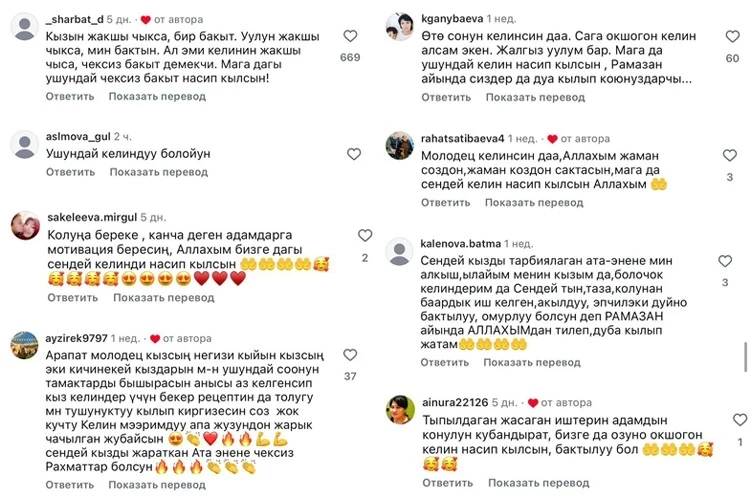
According to Islanbekova, particularly concerning is the widespread narrative on social media “I wish I had such a kelin,” which effectively objectifies women, forming expectations that their value is defined not as individuals with their own interests and goals, but through their ability to serve others and meet their expectations.
In this context, education, leadership qualities, economic independence, and professional ambitions are practically ignored. The expert emphasizes that women have various interests, opportunities, and levels of education, so it is important not to fit them into one mold, but rather to reduce pressure and create a more inclusive society where everyone can realize themselves according to their desires and goals.
Blogging is not a universal path to income for all housewives
Sociologist Nurzada Kupuieva points out that behind the attractiveness of videos lies enormous labor that often goes unnoticed. In her opinion, blogging can become a “trap” due to FOMO (fear of missing out) syndrome and social pressure, forcing women to strive for unattainable ideals.
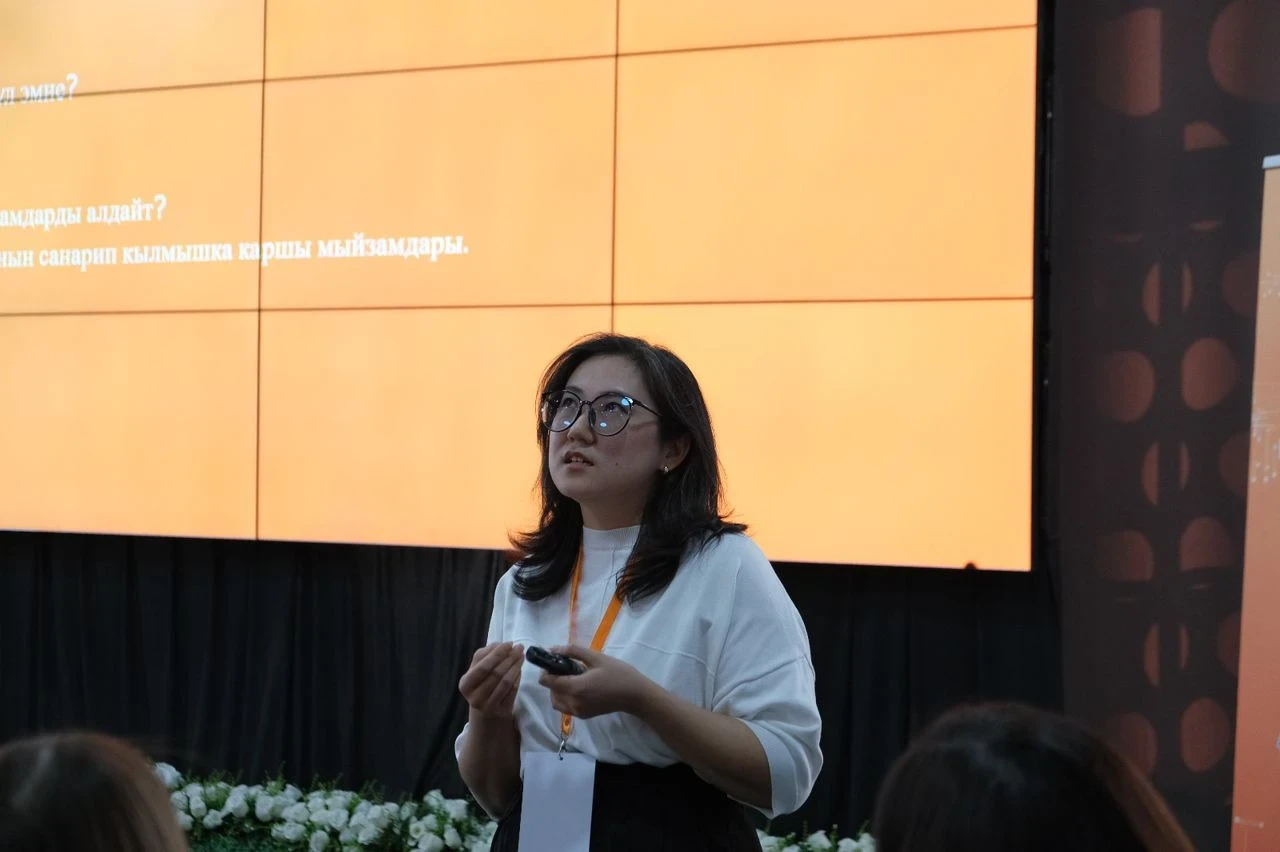
“With the development of social networks, many things are romanticized and presented as if they are interesting and engaging. But in reality, we understand that these are just social networks where everything is edited. Women perceive blogging more soberly, realizing that it is enormous reproductive labor, often thankless. It is often romanticized by men, who imagine what a real life and happiness for a woman should be,” she notes.
According to her, it can be an opportunity to earn money, but often requires exhausting work that goes unrecognized and can lead to stress and mental health issues.
The expert's words are confirmed by blogger Sezim Sobonova:
“In fact, being a blogger is not that easy. You shoot, edit, look for ideas. If you can't find an idea, you lose confidence and get upset. Moreover, people leave various comments — both positive and negative.”
Baktygul Islanbekova emphasizes that only a small percentage of novice bloggers reach the “pedestal” of popularity, and the attempt to impose blogging as a universal means of income for all housewives is yet another attempt to “put everyone under one comb,” disregarding individual interests and talents of women.
“Blogging requires colossal effort, time, and preparation. Women go through different stages of burnout, as people see only the tip of the iceberg. How many women have not achieved success and faced a decline in self-esteem? Therefore, other tools are important. Thanks to the internet, women have the opportunity to receive online education, improve their qualifications, or retrain,” the expert summarizes.
However, Nurzada Kupuieva notes that for women from villages, whose lives are often limited to household chores, social media can be the only way to assert themselves and gain authority in their family and community.
“This is a positive experience for kelins who are busy with domestic work. If blogging allows women to develop skills, earn money, and gain recognition — it is worth it. It can enhance their significance in the family. Any activity that gives a woman visibility of her activity is a step towards self-development,” the expert believes.
Invisible contribution to the economy
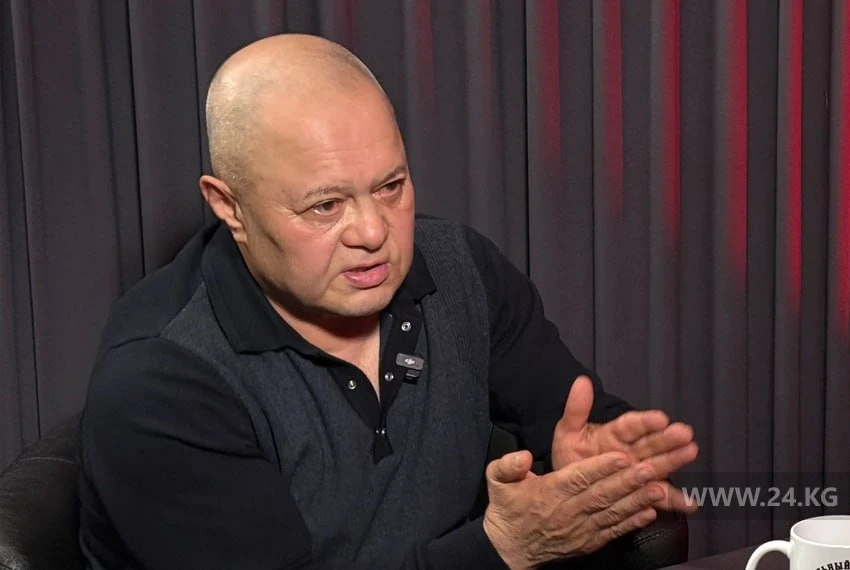
The economic implications of women's status in Kyrgyzstan are multifaceted. According to economist Iskender Sharshiev, the enormous volume of unpaid domestic labor is essentially a hidden part of the economy that is not accounted for in official reports but is of great significance.
“If we evaluate unpaid labor using the replacement cost method, that is, based on the cost of hiring workers for similar functions, it can account for 10 to 20 percent of GDP. This corresponds to the global range defined by the ILO and the UN at 9–21 percent. If a significant portion of women who do not work due to household chores could enter the labor market, it would significantly increase the country's economic product,” says the expert.

The situation is exacerbated by a deep gender income gap, which has only increased in recent years. The economist notes that the average nominal salary in the country at the end of 2025 is about 42,900 soms, but it is distributed extremely unevenly.
“Women's salaries are only 69 percent of men's salaries. This gap is increasing: in 2023, this ratio was 73.4 percent. Sectoral segregation — the concentration of women in education and healthcare with low salaries — explains this difference, but does not eliminate the problem,” says Sharshiev.
As a solution, the expert suggests investing in social infrastructure that would allow “relieving” women from constant household duties and caregiving responsibilities.
“International organizations recommend investing in care infrastructure: affordable kindergartens, centers for the elderly. This is the most effective way to free women's labor potential. Studies show that such measures can increase women's employment by 10–15 percent. For Kyrgyzstan, this is not only a matter of economic efficiency but also social justice: redistributing the burden of care would allow rural women to realize their right to professional development,” the economist concludes.