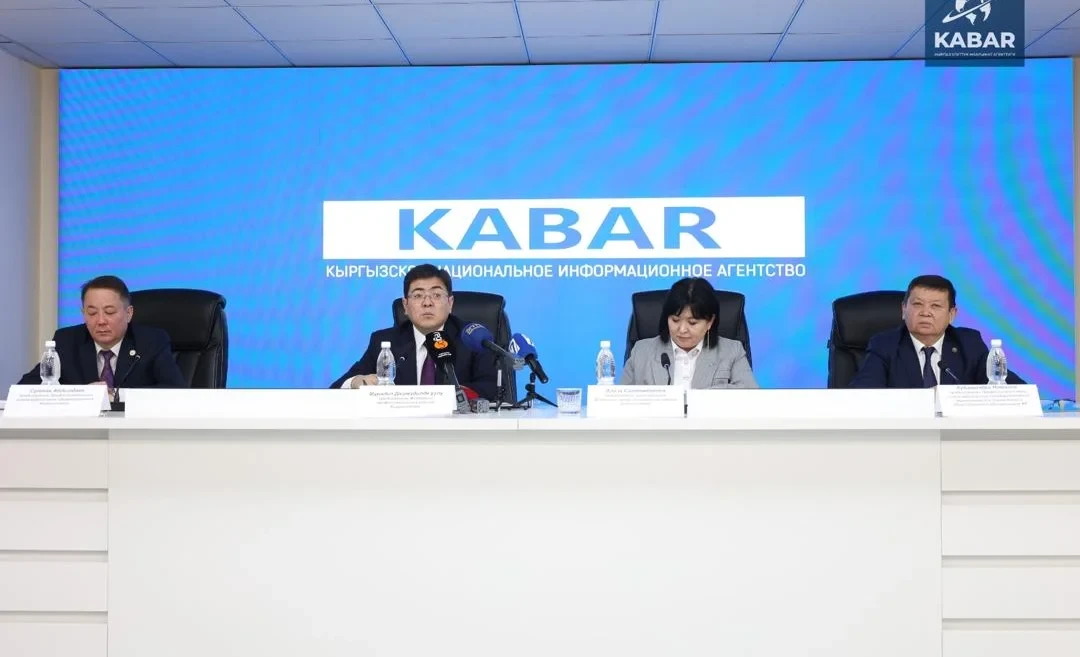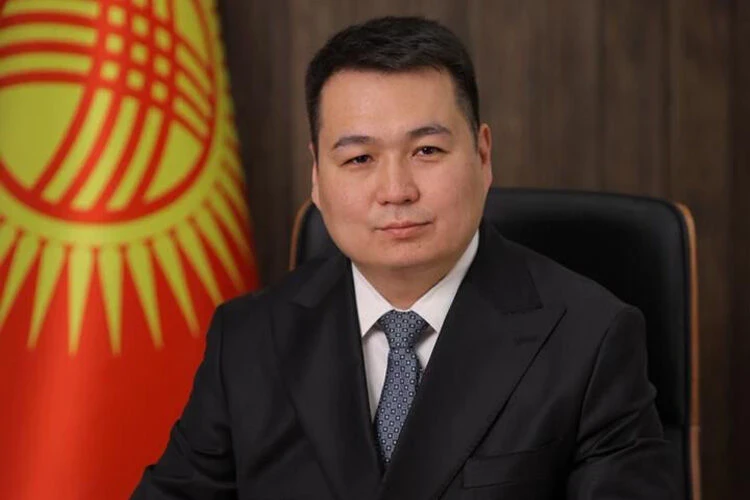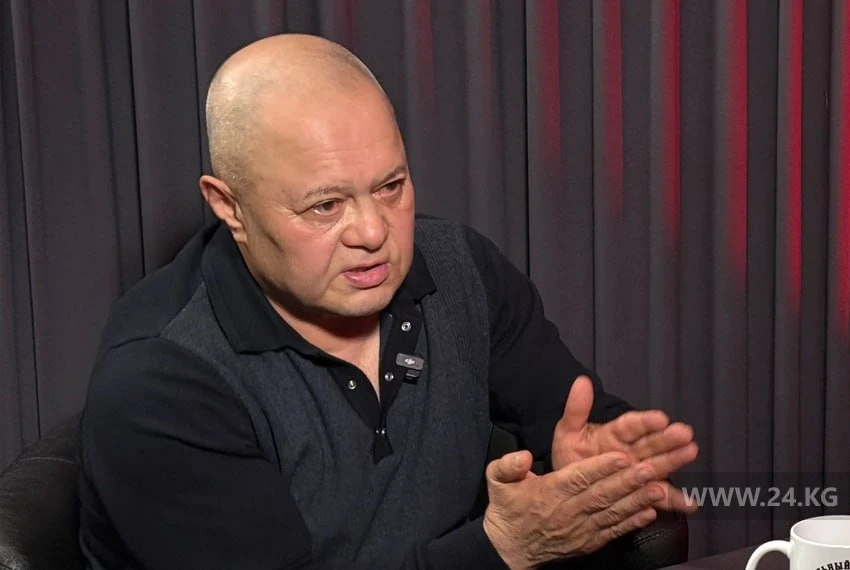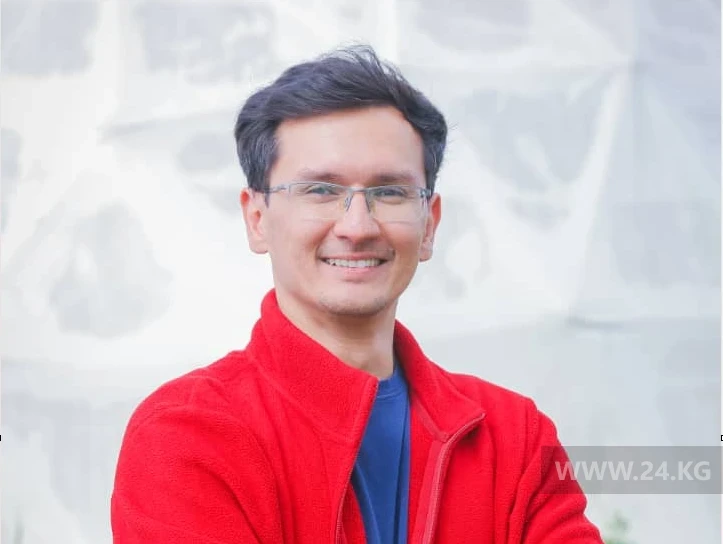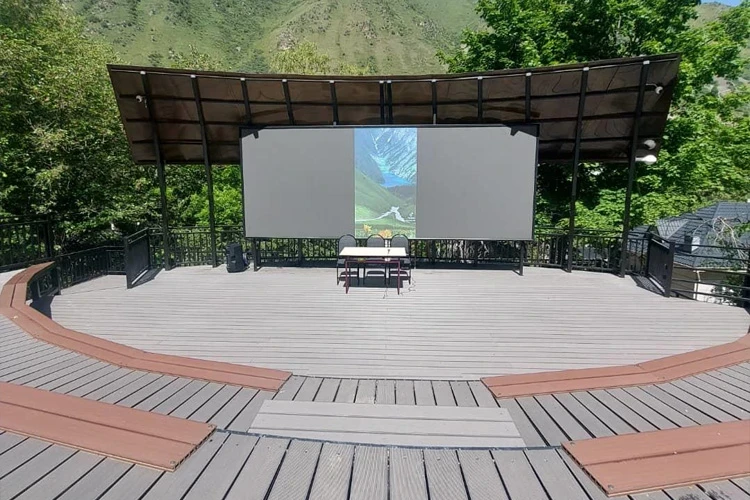
We discussed with Daniyar Toktotemirov, head of the directorate for managing sanatorium-resort, health, and tourism facilities under the administration of the President of the Kyrgyz Republic, how the unprofitable system was transformed and a large-scale modernization was launched.
— Mr. Daniyar, what was the necessity of creating the directorate?
— In 2023, President Sadyr Japarov inspected the sanatoriums and rest homes managed by the Federation of Trade Unions. The condition of the facilities was critical: major repairs had not been conducted for decades, and conditions for a full-fledged rest and treatment of citizens were not created.
The leadership of the trade unions was subjected to harsh criticism, and the president decided to transfer the facilities to the temporary management of the president's administration.
In March 2024, our directorate was established. We accepted 15 out of 16 facilities, one of which is still in litigation. Among the accepted facilities are the sanatoriums "Jety-Oguz," "Issyk-Ata," "Blue Issyk-Kul," "Kyrgyzstan," "Jalal-Abad," as well as rest homes and tourist bases.
Part of the land and buildings had previously been alienated, and we are currently working on their return. To date, we have returned more than 5 hectares of land and several buildings, and legal processes are ongoing.
— What was the condition of the facilities at the time of transfer?
— The financial situation was catastrophic. The facilities could not even cover current expenses, accumulating debts for taxes and utilities every year. The total debt was about 87-90 million soms.
The infrastructure was severely worn out, and many buildings were in emergency condition. For example, the second phase of reconstruction has been completed at the "Issyk-Ata" sanatorium, while over 70 percent of the areas in "Jety-Oguz" were found unsuitable for use and were demolished.
— How did you manage to change the financial model?
— After the transfer, we changed the management, began active economic activities, and optimized expenses. Our main task was to reverse the trend of bankruptcy and bring the facilities to self-sufficiency. We conducted an audit, eliminated corruption, and put the accounting in order. We also began attracting tenants and investors, implemented digitalization, and completely abolished cash payments, which increased the transparency of revenues. By 2025, the facilities began to cover their expenses.
— How are the funds from the Workers' Health Fund, which were previously used for issuing vouchers, being utilized now?
— According to the president's decree, the funds from the Workers' Health Fund are temporarily directed towards the reconstruction of facilities until the end of 2027. The annual volume of the fund is about 660-700 million soms, allowing us to repair 1-2 facilities per year.
— Where can one currently obtain vouchers for resort treatment?
— Currently, there is a moratorium on the issuance of vouchers until 2027, established by the president. This decision was timely, as the previous issuance of vouchers through the Federation of Trade Unions was opaque and often associated with corruption.
Now, sanatoriums operate on a commercial basis, and vouchers can be purchased directly through sales departments.
— What is the price of a voucher, for example, at the "Issyk-Ata" sanatorium?
— At "Issyk-Ata," the cost of accommodation is 2,400 soms per day per person, including three meals and five medical procedures. There are also rooms of various categories, including suites.
Sanatorium occupancy ranges from 70 to 100 percent depending on the season, and it is now a popular vacation spot almost year-round.
— How is the issue of seasonality being addressed at Issyk-Kul?
— Seasonality is felt more strongly at Issyk-Kul facilities, but we are working to ensure they operate year-round.
In 2026, we plan to modernize the children's rehabilitation center "Ulan" to international standards so that it operates year-round: as a children's camp in summer and as a sports base for training in the off-season.
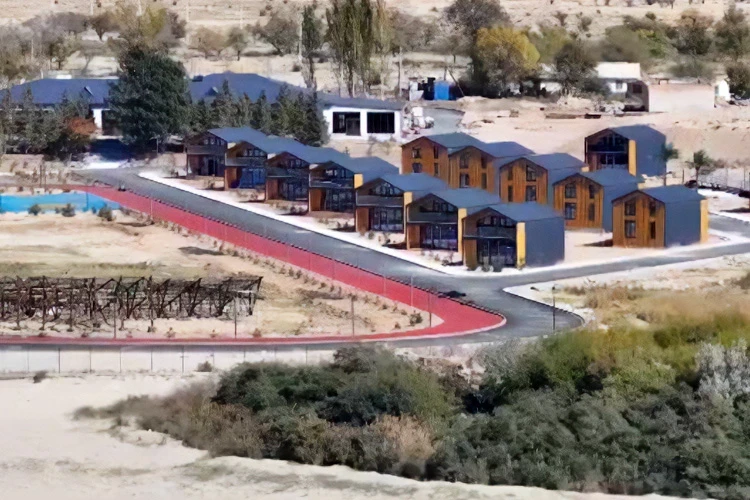
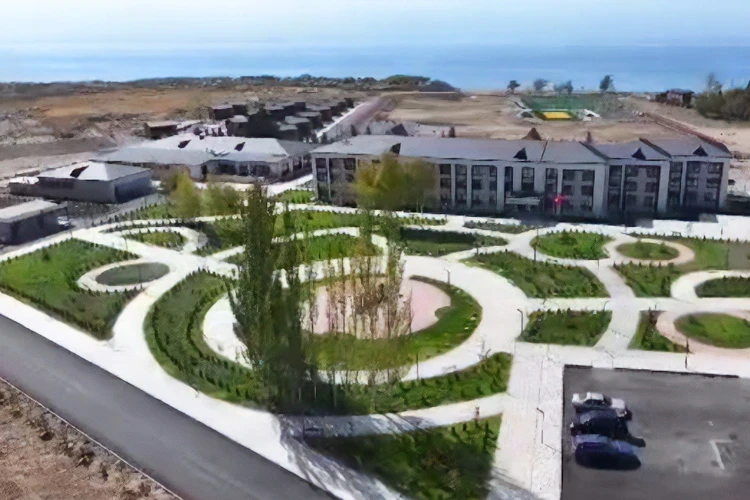
There are also plans to build a physical culture and health complex and a SPA zone using a mineral spring. The first phase is already open, and we plan to complete the second phase by the end of April.
— What will be the price of a voucher for the children's camp "Ulan"?
— The estimated cost of staying in the camp will be 2,500-3,500 soms per day per child. Prices will be reviewed closer to the season to ensure an optimal balance between profitability and accessibility.
— Tell us about the renovation process of other facilities?
— A modern 5-star hotel complex is planned to be built on the site of the "Cholpon-Ata" rest house, with investments from the Turkish company Royal Adrasan amounting to $25 million.
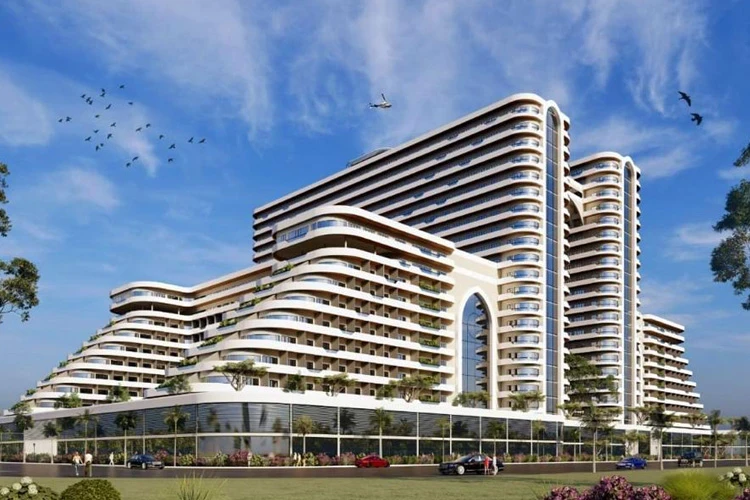
For the "Ala-Tuu" rest house, a complete reconstruction is not yet underway due to limited funding, but optimization of operations has already begun, and two modern football fields have been built. We are completing work at the "Jety-Oguz" sanatorium, where a new administrative building and treatment facility are being constructed.
The initial estimate for the reconstruction was 500 million soms, but after identifying emergency structures, it increased to 700-800 million soms. We plan to complete the work by August, with the opening of the first phase possibly occurring as early as May.
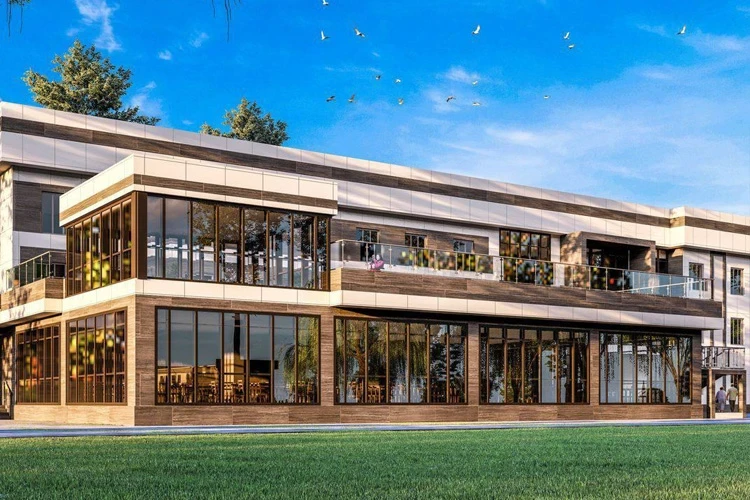
— The "Blue Issyk-Kul" and "Jalal-Abad" sanatoriums remain popular since Soviet times...
— Yes, these sanatoriums, which are in relatively good condition, are also undergoing modernization. A new 4-star building with more than 100 rooms has been constructed at "Blue Issyk-Kul."
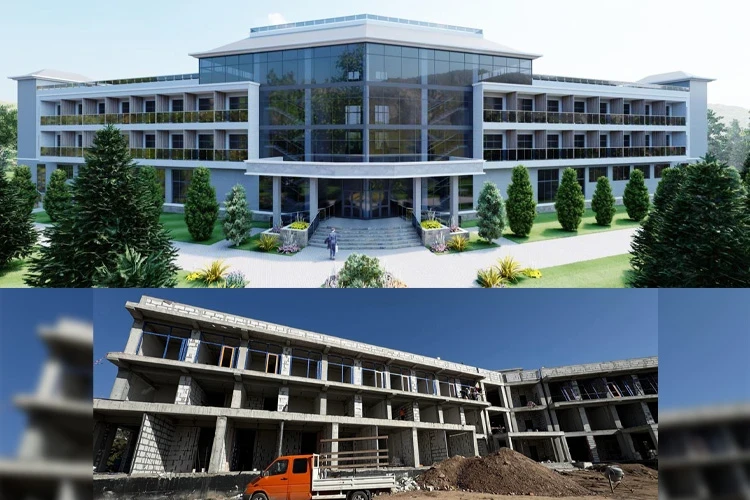
Before the transfer to management, the net profit of "Blue Issyk-Kul" was about 30 million soms, and in 2024, we increased it to 62 million soms. For the first 9 months of 2025, the profit has already reached 65 million soms, and these funds are directed towards infrastructure development.
The "Jalal-Abad" sanatorium is also undergoing renovation: a new building and a summer pool have been constructed, and the main drinking source has been updated.
Our strategy is to develop medical and sports tourism, increasing the efficiency of the facilities throughout the year.
We are creating conditions for medical tourism based on the healing properties of mineral springs in the sanatoriums.
Modern equipment has been purchased for the "Jety-Oguz," "Issyk-Ata," "Blue Issyk-Kul," and "Jalal-Abad" sanatoriums with the support of the president's administration, which helps alleviate the financial burden.
— How does interaction with the private sector occur within your management?
— We actively work with investors through the public-private partnership mechanism and have already signed five investment agreements.
For example, in the "Blue Issyk-Kul" sanatorium, a PPP project has been implemented: one building will be used as a dormitory for students from India in the off-season, bringing in 40 million soms a year.
— Tell us about the renovation of the "Dostuk" and "Sayakat" hotels?
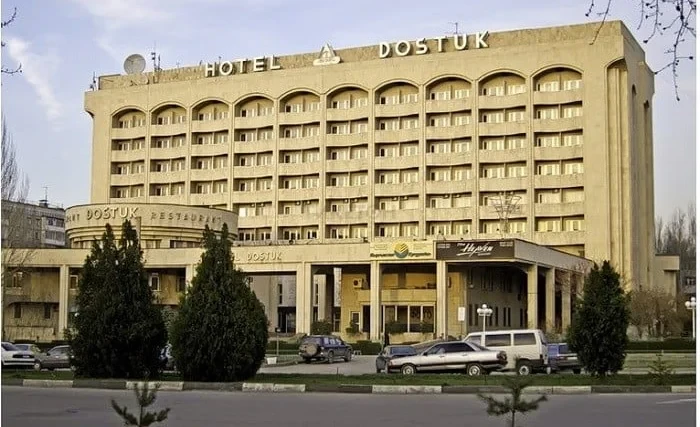
— In the "Dostuk" hotel, 35.59 percent of the shares have returned to the state. We attracted a Turkish investor who will invest $15-25 million in its renovation. During the renovation, the hotel will not operate, but the investor is obliged to pay rent.
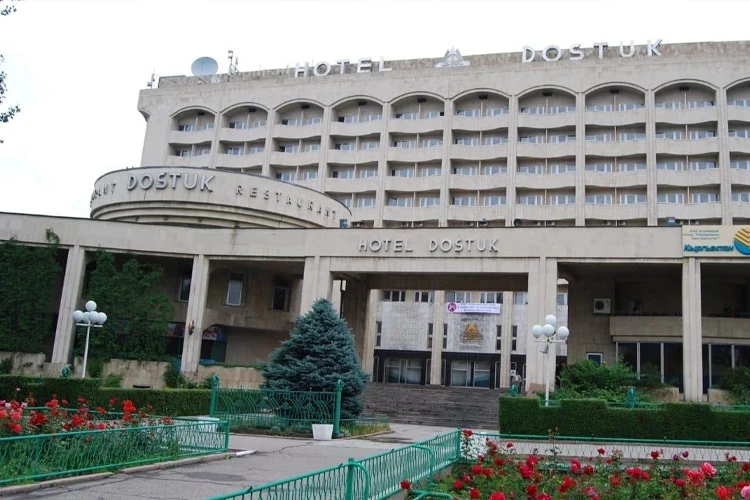
A similar model is applied for the "Sayakat" hotel, where the Russian investor R Global is investing $5 million. These funds will allow the hotels to be modernized to international standards.
— What role do sanatoriums play in the economy of Kyrgyzstan?
— The sanatorium-resort sector actively develops domestic tourism and contributes to attracting foreign guests, especially from Uzbekistan and Kazakhstan.
— Many fear that after renovation, vacations will become less accessible. How do you respond to this?
— We focus on social accessibility. For example, the "Blue Issyk-Kul" sanatorium accepts people with disabilities at a reduced price, and we plan to expand social programs after the renovation is completed.
— How do you respond to citizens' complaints regarding services in the resort sector?
— We are open to citizens' appeals and are creating mechanisms for their prompt resolution. In the near future, we plan to implement QR codes for feedback.
— What is the cost of maintaining the directorate?
— The directorate is self-financed, without a state budget. There are 14 staff members, and the annual expenses amount to about 14 million soms, with the profits from the sanatoriums directed towards the development of facilities.
— What is the main task of your directorate?
We manage the facilities temporarily and strive for their modernization, creating an effective management model based on transparency and investments.
We have proven that it is possible to create an effective system capable of generating income and developing the country from unprofitable sanatoriums.
Our work allows for the rapid implementation of projects and increases efficiency compared to the previous management system.
In summary, our priorities are:
- transitioning to cashless payments;
- implementing digital tools for feedback;
- optimizing management;
- attracting investments through PPP;
- increasing transparency and efficiency.
— What are the financial results of the directorate?
In 2024, the gross revenue of 15 facilities amounted to about 340 million soms, and in 2025 it reached 802 million soms — more than 2.5 times.
The net profit in 2024 was 34 million soms, and for the 11 months of 2025, a net profit of 140-150 million soms is expected, which will go towards the development of facilities.
— Has an audit of your activities been conducted?
— An audit conducted by the Accounts Chamber found no violations; on the contrary, it noted positive results of our work in optimization and digitalization.