How the authorities of the capital are addressing the issue of stray animals
Topics related to stray animals in Bishkek emerge according to a familiar script: an alarming headline, emotional videos, official statements about "necessary measures," and promises to quickly restore order. Society is divided into two groups: some demand immediate harsh measures for safety, while others advocate for humane treatment of animals. However, the main question remains: does shooting really solve the problem, or is it merely a flashy but superficial step by the authorities?
Events in Novopavlovka: two killed, one injured
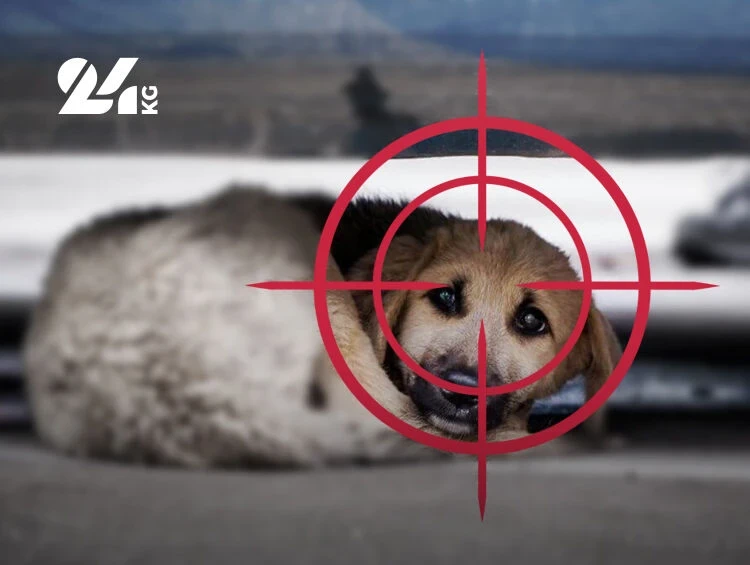
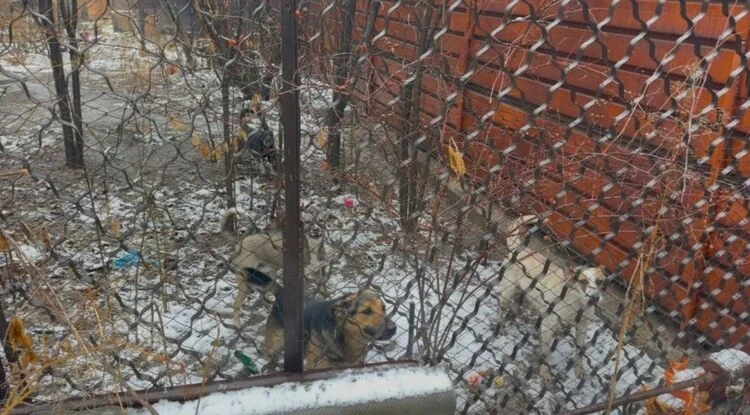
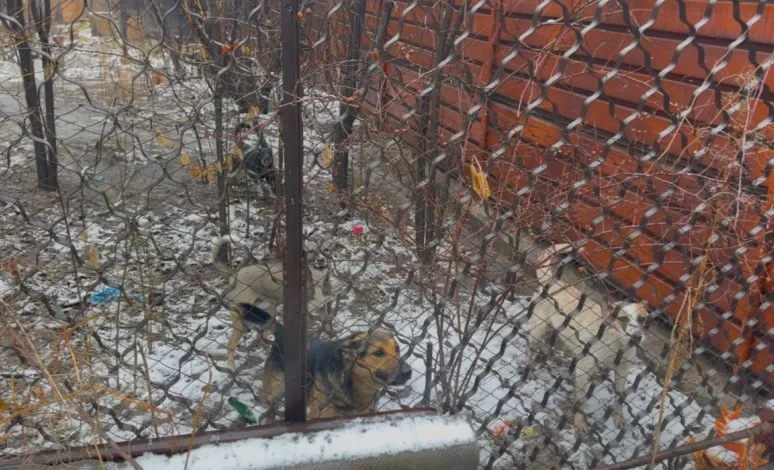
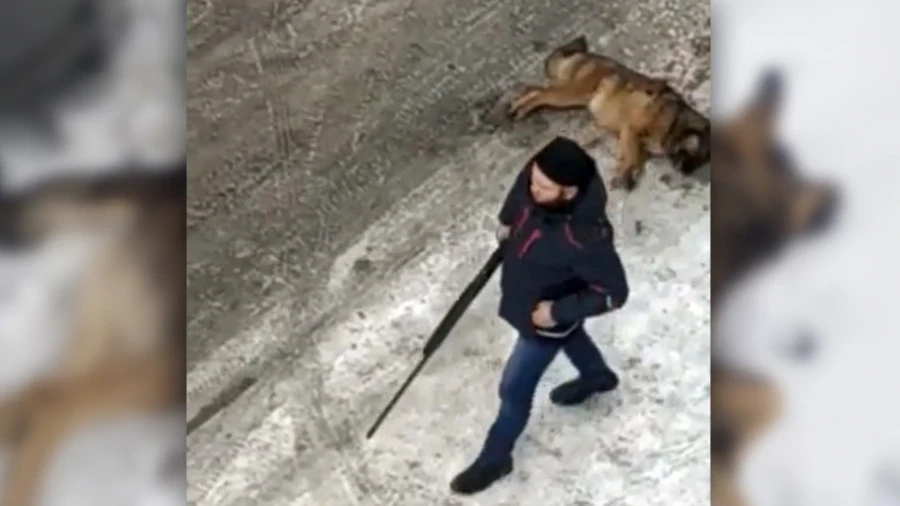
A recording published on social media quickly transcended ordinary news. The footage shows armed individuals shooting at two dogs in front of local residents and children. Employees of the municipal enterprise "Tazalyk" opened fire, and the video sparked public outcry and shock.
According to Irina Krasnova, the homeowner, neither before nor during the shooting did the employees attempt to contact the animal owners, introduce themselves, or check documents. The shots rang out suddenly, and, according to the family, the bullets could have hit a child who ran into the yard.
This moment became pivotal in the discussion: it was not only about the fate of the dogs but also about the safety of people.
- My husband is currently in intensive care, and my daughter is still frightened by loud noises, - shares activist Irina Krasnova. - Two dogs died, one was injured. We are not only talking about animals — armed individuals entered our yard and opened fire. I intend to go to court and seek a legal assessment of these actions.
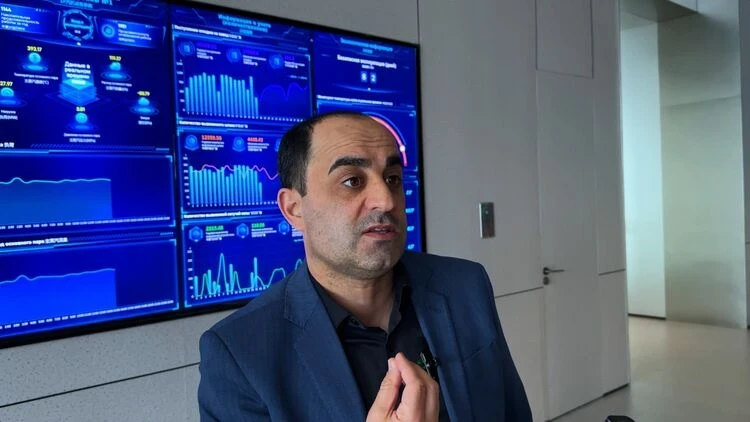
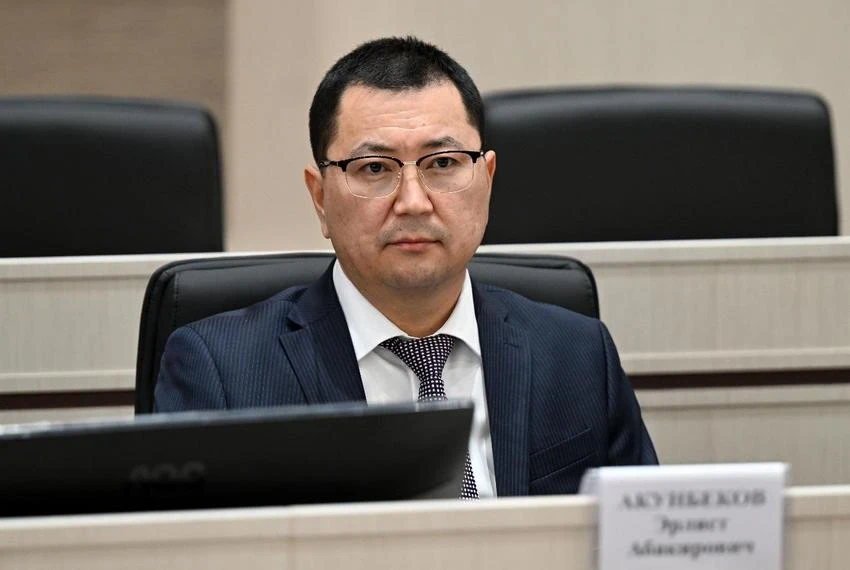
The Bishkek city hall explained that such measures were necessary for sanitary safety and the fight against stray animals, asserting that all actions were conducted based on permitting documents. Vice Mayor Ramiz Aliyev noted at a city council meeting that animal rights activists and private individuals sometimes keep dozens of animals in their yards, causing inconvenience to neighbors.
Nevertheless, these explanations did not alleviate public tension. In response to the actions of the city hall, accusations of hypocrisy and inhumanity followed. According to Irina Krasnova, her dogs were sterilized and vaccinated, and their number did not exceed eight.
Reasons for the emergence of stray animals
In public, stray animals are often perceived as an independent threat, but the reality is much more complex. Most street dogs and cats are former pets or their offspring. Uncontrolled breeding, spontaneous sales, and the lack of mandatory microchipping and registration create a constant flow of animals onto the streets.
- We can talk endlessly about catching them, but as long as people continue to abandon animals, the situation will not change, - asserts activist Mila Sokolova. - Without laws on controlled breeding, real fines for abandoning pets, and mandatory sterilization, problematic capture programs will be endless. Remove some — others will appear. It’s a vicious circle that can only be broken through owner responsibility.
Until a mandatory accounting system is implemented, substantial fines for abandoning animals are established, and breeding remains uncontrolled, any shooting program will resemble an attempt to bail water out of a boat without fixing the leak.
How can the problem be solved?
As an alternative to harsh measures, activists propose the "Kumayyk" program, which operates in Kant and surrounding areas with the support of international organizations: animals are captured, sterilized, vaccinated against rabies, marked for accounting and subsequent monitoring, and then either returned to their habitat or handed over to caring hands.
They believe that funds allocated for shooting could be directed towards creating shelters, a microchipping system, and mass sterilization, which would lead to a natural decrease in the number of street animals, while strict owner responsibility for abandoning pets would halt the influx of new stray animals.
This approach is considered civilized by activists: it not only protects animals but also fosters a culture of humanity and respect for life in society, creating standards where order is achieved not through fear but through responsibility and care.
In international practice, the most sustainable models are systematic population management approaches, rather than forceful methods of "clearing the streets."
For example, in Georgia, a municipal scheme for capturing, sterilizing, vaccinating, and accounting for animals is implemented in major cities, followed by marking and returning them to their habitat under supervision or transferring them to shelters. A key element is the registration and gradual creation of a database that allows for systematic control of animal populations.
In Turkey, a similar "catch–sterilize–vaccinate–return" model was used, which allowed for a reduction in breeding without mass extermination; at the same time, public debates about legislative changes showed that without a developed infrastructure of shelters and strict owner control, any drastic measures provoke social tension.
In most European countries, the emphasis is on mandatory identification of animals, microchipping, breeding control, and owner responsibility, while euthanasia is permitted only in exceptional cases — in the event of proven aggression or severe diseases under veterinary control. The overall conclusion from this experience is simple: where a systematic approach works, the number of animals decreases gradually and predictably; while one-time forceful measures only exacerbate the problem and intensify public conflict.
Shooting as a demonstration of power…
When municipal services take to the streets with the task of "reducing the population," it creates an illusion of urgency and control. This looks good in the news: threat — reaction. However, beyond the report lies statistics that are rarely discussed.
Experts in veterinary demography have long spoken about the "vacuum effect": the destruction of part of the population frees up territory, which is quickly occupied by new animals.
- Shooting will not solve the problem; it will only exacerbate it, - believes animal rights activist Zula Yangalycheva. - Nature does not tolerate emptiness: if you eliminate some dogs, new ones will come in their place, or the population will recover even faster through reproduction. A complete "cleansing" of the territory may lead to an increase in the population of rats and other rodents, while foxes and jackals will become more active in suburban areas. This creates a risk of epidemiological chaos, as rodents are carriers of dangerous infections. Therefore, a systematic, scientifically justified approach is necessary, including sterilization, vaccination, and owner control, rather than shooting as a symbolic gesture.
Shooting is not only inhumane because it deprives animals of life, but also because such an approach teaches society that the problem can only be solved through destruction. When gunshots ring out in yards, when children witness the killing of animals, it shapes their perception that violence is a normal way to resolve conflicts. Over time, sensitivity to cruelty diminishes, and this applies not only to animals. A society that becomes indifferent to the suffering of the weak becomes more aggressive towards people as well. The true strength of the state is manifested not in shooting but in the ability to solve complex problems without cruelty, through law, responsibility, and systematic work.
…or corruption and money laundering?
Activists argue that the city hall's interest in the practice of shooting may not only stem from a desire to avoid complex and costly reforms related to registration, microchipping, mass sterilization, and the creation of shelters, but also from financial motives.
According to their data, in 2025, about 7.5 million soms were allocated from the city budget for these activities, but the transparency of the use of these funds remains in question.
Animal rights defenders state that there is no public and clear reporting: it is impossible to know exactly how many animals were shot, how many were removed, how disposal and burial were conducted, who controlled the process, and how much money was actually spent. This lack of transparency, according to public activists, creates grounds for suspicions of corruption.
- In 2025, the city hall allocated almost 7.5 million soms for shooting animals, - says volunteer Zula Yangalycheva. - But who can accurately count how much went to the actual shooting of dogs and how much could have ended up in "other pockets"? Who checks this?
Meanwhile, dissatisfaction with the methods of Vice Mayor Ramiz Aliyev is growing. Some residents believe that the chosen approach is too harsh and does not correspond to the situation, and the actions themselves appear to be a demonstration.
- The city is facing systemic problems — from garbage to stray animals, and instead of a comprehensive solution, we see beautiful videos and activity on social media. The vice mayor has effectively become a blogger: he shoots videos, makes statements, but people do not feel real changes. We do not need media effects; we need transparent, thoughtful, and responsible work, - comments animal rights activist Tatyana Kulai.
As a result, activists are appealing to the mayor of the capital and the president of the country to assess the competence of Vice Mayor Ramiz Aliyev and reconsider the management model in this area. According to them, the issue is already beyond the protection of animals: it concerns budget transparency, the professionalism of city services, and the ability of the authorities to solve problems not through forceful measures, but systematically and responsibly.