Definition of Hijama
Hijama is an ancient method of alternative medicine that involves the removal of a small amount of "stagnant" blood using vacuum cups placed on pre-made incisions on the skin. This method is used to improve blood circulation and stimulate the body's self-recovery. Hijama has deep roots in Eastern medicine and is considered a practice associated with Islam. The procedure is usually performed on the head, neck, and back.It is believed that this method helps in treating various ailments, including back pain, headaches, and hypertension.
Social media is filled with numerous offers for hijama. "The first procedure usually shows very dark blood, and by the third, it becomes bright, and the head becomes clear," promises one of those offering such services.
Read more on the topic Death of an infant in the Uzgen district: police appointed an examination
When adults make decisions about their health, small children are completely dependent on their parents' choices.
The reasons why the family from Uzgen entrusted their son's health to folk healers remain unclear, as does the duration of the procedure. According to doctors, this raises serious concerns.
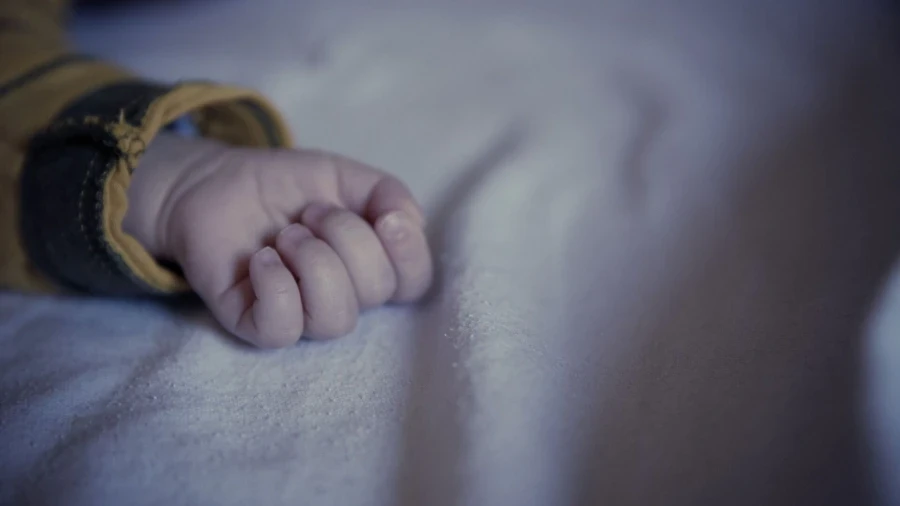
The child was taken to the hospital on the night of January 21 with a severe condition, bleeding, and post-hemorrhagic shock. The baby's hemoglobin level dropped to 45, while the norm is 110-120. Unfortunately, the doctors could not save him, and he passed away the next morning. The case is currently under investigation by the police.
Criticism of Hijama
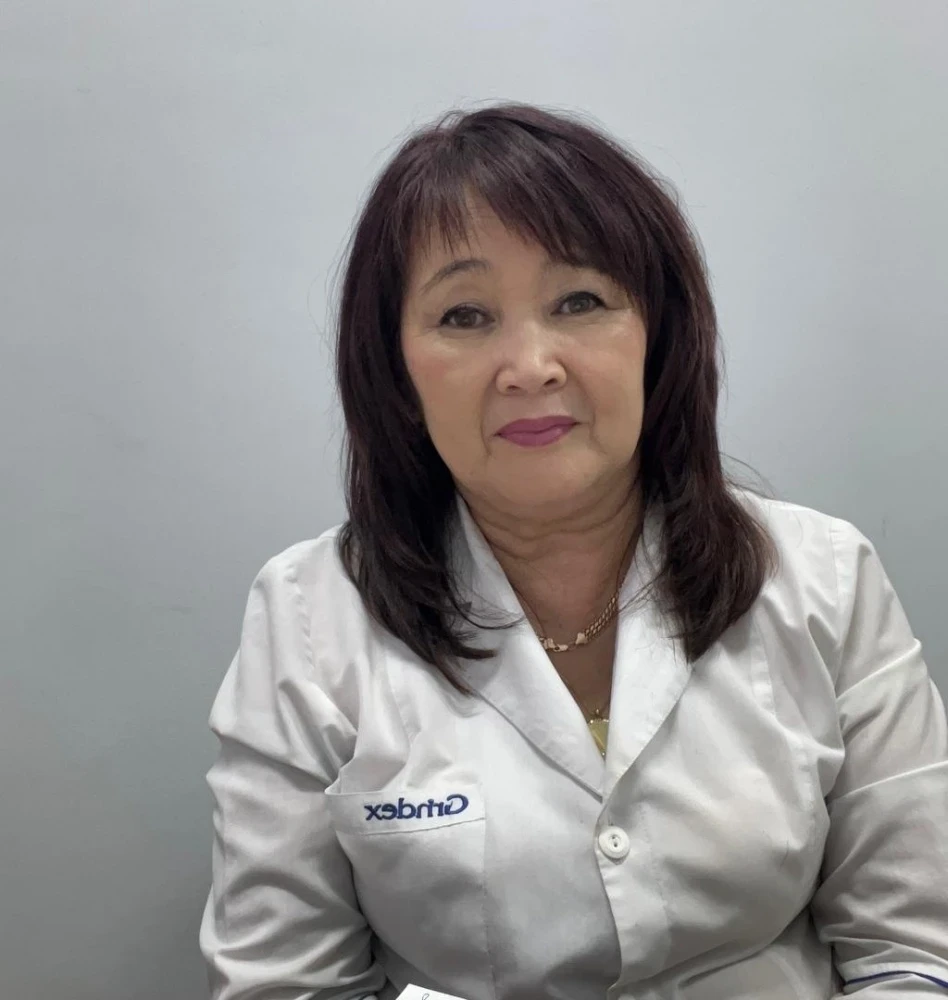
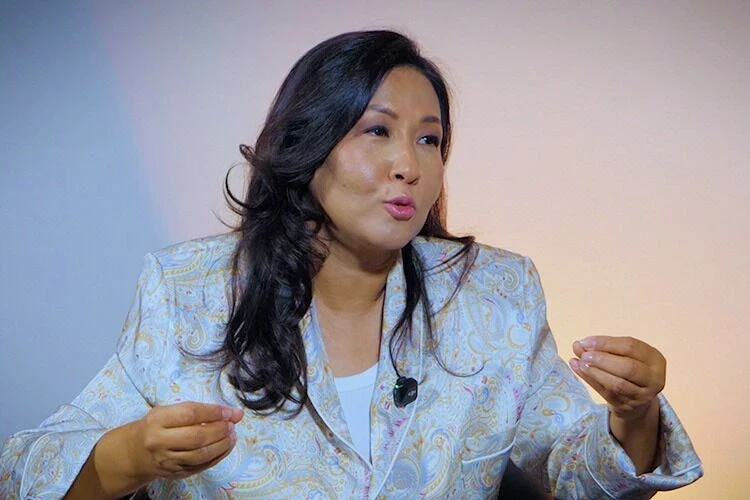
Bermet Baryktabasova, an expert in evidence-based medicine, believes that this tragic case is not an accident but a predictable risk associated with using methods whose effectiveness has not been scientifically validated, especially concerning children.She emphasizes: hijama is not part of medicine and has no scientific evidence of its benefits, which means a 100% risk to the child's health. "Sharp instruments, such as razors, are used to make incisions on the skin. The procedure in non-sterile conditions can lead to infection with dangerous diseases," warns Bermet Baryktabasova.
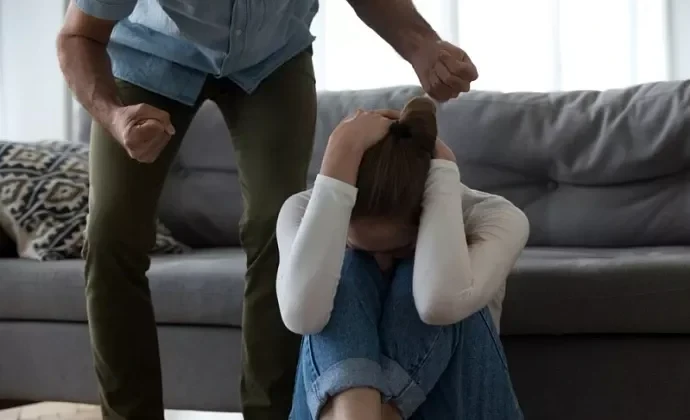
"Bloodletting was common in the Middle Ages when no other treatment methods existed. In the modern world, doctors weigh the risks and benefits of each method. However, even among doctors, there are proponents of this procedure who believe it is beneficial for the body. We have freedom of religion, and adults can make their choices, but cutting and bleeding a two-month-old child is violence and danger," the expert emphasizes.
The popularity of quack healers is explained by the deep ignorance of parents and weak legislation that allows healers to act with impunity.
Bermet Baryktabasova
"Children with epilepsy and mental disorders undergo various tortures. People believe that such procedures are approved by Allah, forgetting that this was in the Middle Ages," adds the expert.
Read more on the topic Saliva and Vaseline. How folk healers treat patients and whether a law on traditional medicine is needed
"In medicine, there is no concept of 'bad' blood; everything depends on lifestyle and nutrition. In adults, bloodletting does not cause sharp changes, but for infants, even a small loss of blood can lead to serious consequences. If a child is crying a lot, one should consult specialists, not resort to such dangerous methods," concludes Bermet Baryktabasova.
The head of pediatric oncology at the National Center for Maternal and Child Health, Sultan Stambekov, notes that he has encountered children who have undergone similar procedures, including incisions and other aggressive methods.
"Parents often turn to both doctors and folk healers, and this can have serious consequences, especially in oncology, where every day counts. This is related to ignorance, distrust of official medicine, and the active spread of information through social networks," he says.
The chief physician of the City Children's Clinical Emergency Hospital, Akylbek Mamanov, asserts that in recent years, no children with the consequences of hijama have been admitted to medical institutions.
"The level of awareness among parents seems to be increasing, as we actively conduct preventive measures and encourage them to consult doctors for examinations. The Ministry of Health collaborates with the Spiritual Administration of Muslims. As a doctor, I am against hijama — it is dangerous and unpredictable," he adds.
Hijama was also used in Kyrgyzstan in attempts to treat COVID-19 during the pandemic. "This is not a medical method. Currently, hijama is practiced by religious figures and others without medical education," emphasized one of the members of the National Academy of Sciences of the Kyrgyz Republic.
Contraindications for Hijama
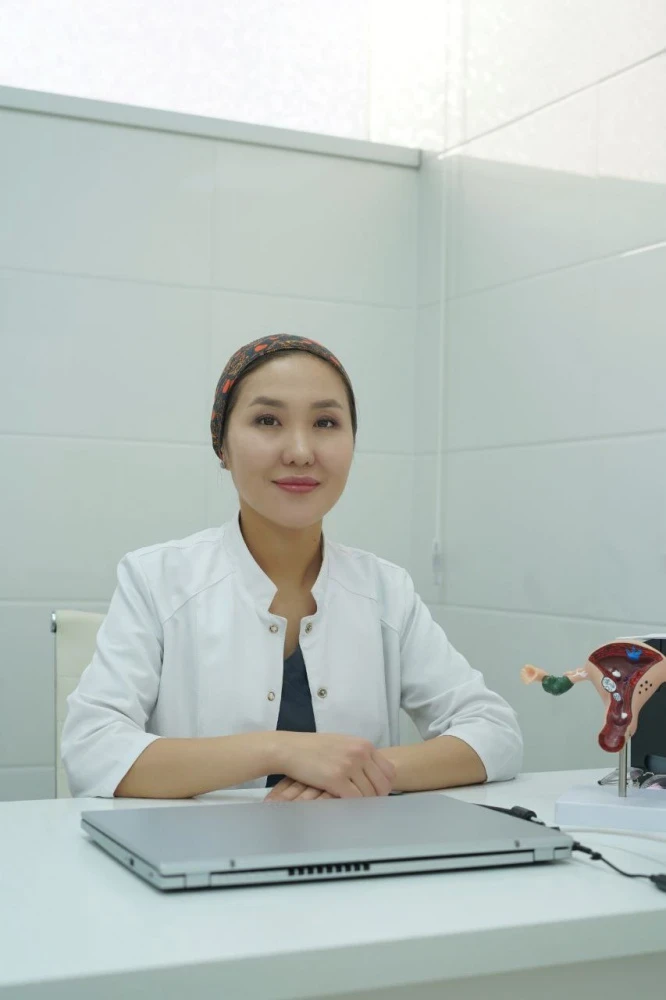
Neonatologist Ainara Dooronbekova asserts that hijama is not included in clinical protocols in Kyrgyzstan, and there are no special medical centers for this, but the people continue to use this practice.She listed the indications and contraindications for the procedure:
- oncological diseases;
- blood disorders, such as hemophilia;
- severe diseases of internal organs;
- cardiovascular diseases;
- use of anticoagulants;
- deep vein thrombosis;
- mental disorders;
- pregnant and nursing mothers, as well as newborns.
As for diseases for which hijama may be recommended:
- osteochondrosis;
- radiculitis;
- arthritis;
- hypertension;
- varicose veins of the lower extremities.
"This procedure should be easy and harmless for adults," explained Ainara Dooronbekova. "However, hijama is not performed on children. Newborns may experience discomfort and cry. Some grandmothers advise parents to perform hijama to 'rid' the child of 'bad' blood, which is a myth! Bloodletting is absolutely contraindicated for children, especially newborns."
Necessary Measures
Sultan Stambekov is confident that it is necessary to counter such practices by informing the population through social networks and conducting explanatory campaigns to raise the level of medicine.Bermet Baryktabasova believes that the Ministry of Health should strictly prohibit any aggressive and invasive interventions for children by healers and parents.
"It is necessary to avoid procedures that may disrupt the integrity of the skin and create safe conditions for children's development. Parents can pray and consult doctors, but they should not put their children at risk," concludes the expert.