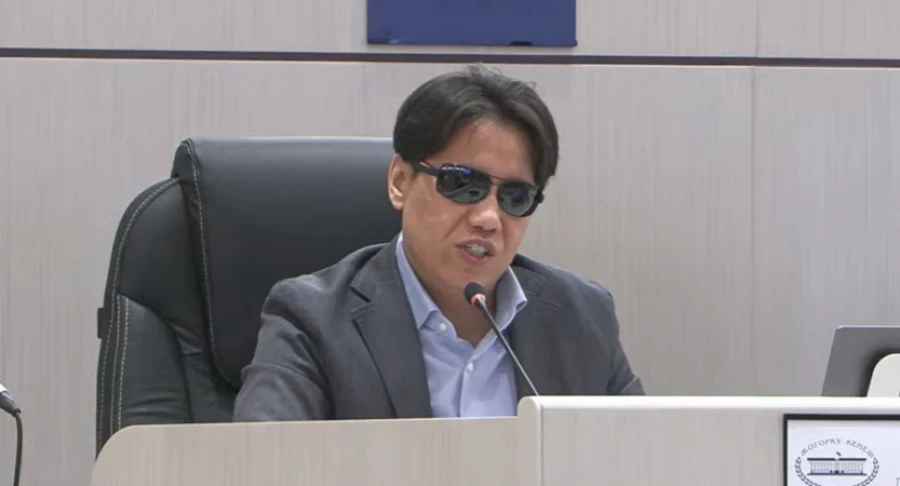
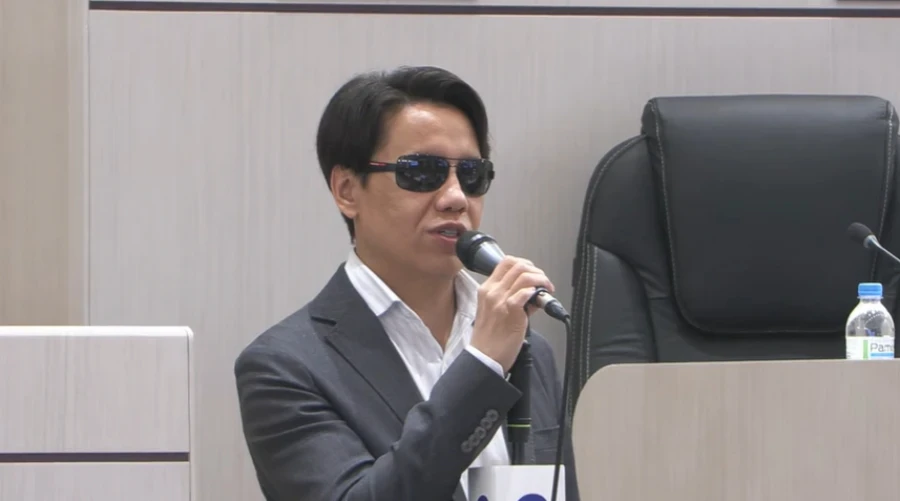
However, the discussion of creating such a fund is not new. Earlier, Deputy of the Jogorku Kenesh Dastan Bekeshev proposed establishing a charitable state fund to finance treatment not only for children but also for adults in need of assistance abroad. Additionally, the Ministry of Health also raised the issue of creating a fund to assist children with rare diseases at the initiative of former Minister Erkin Checheybaev.
The editorial team of Kaktus.media reached out to experts and representatives of patient organizations for their opinions on this idea. The questions concerned the necessity of such a fund, its operation, and whether instead, the quality of medical services in the country should be improved.
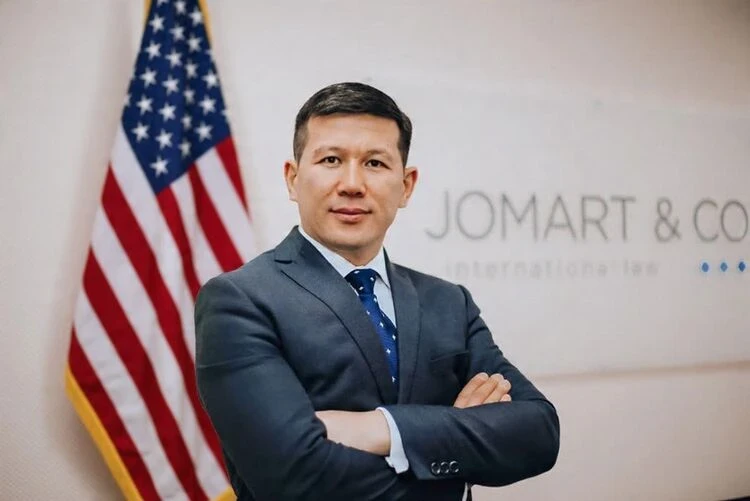
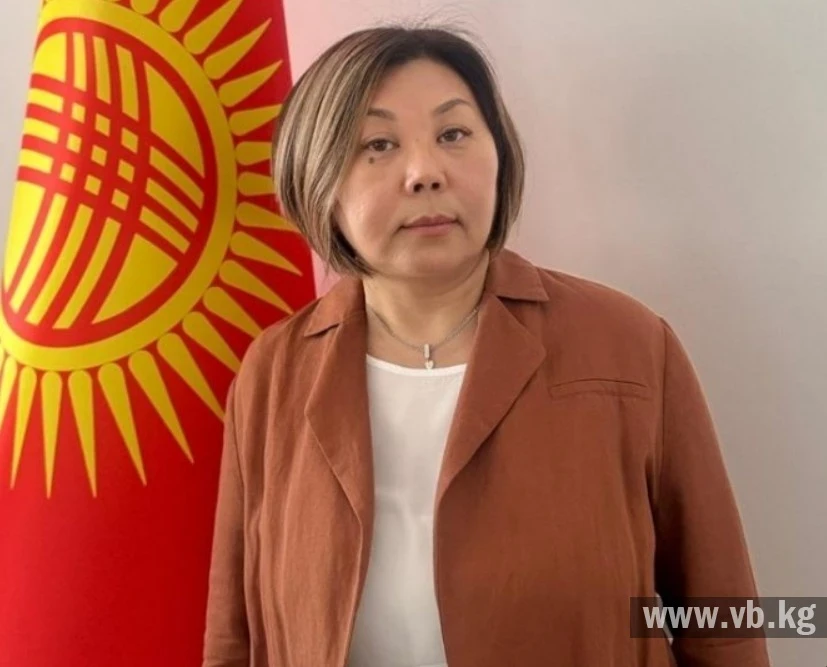
Gulimira Abdyrazakova, Director of the "Together Against Cancer" Foundation
- This is a good initiative that is successfully implemented in other countries, such as Russia and many European states, where there are clear mechanisms for fundraising (for example, SMS donations and tax benefits). In Kyrgyzstan, however, such mechanisms are absent, and funds face difficulties regarding charitable contributions from businesses, as mobile companies refuse to cooperate.These are systemic problems.When forming the fund, the following should be considered:
- Who will receive assistance?
- What diseases and age groups will be covered?
- What criteria will be used for funding?
- How will the amount of assistance be determined?
And then another question will arise:
- Will there be state support in the form of medications for the treatment of rare and oncological diseases?
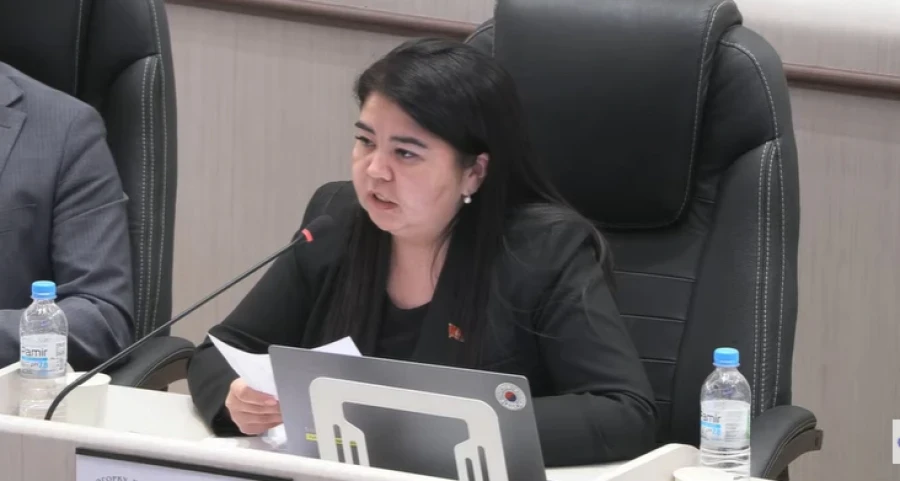
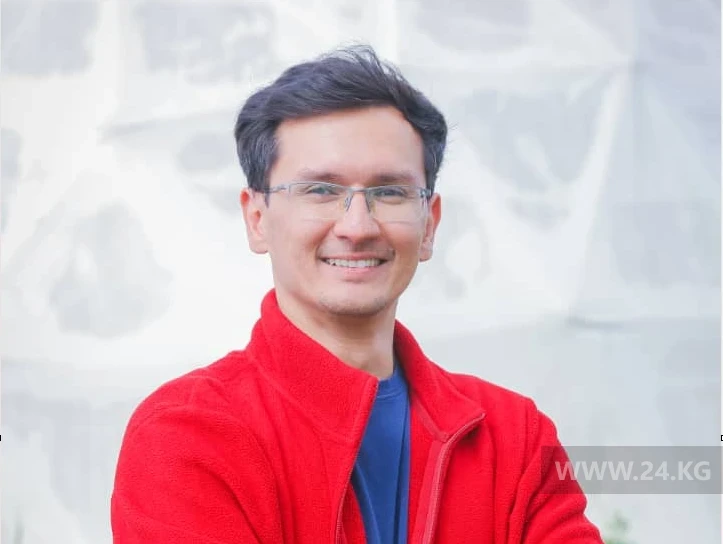
Olga Trukhanova, Director of the "First Children's Hospice" Charitable Foundation
- It is nice to see that deputies recognize the existing problem and see a large number of posts about fundraising on social networks.Although this idea is not new, it is relevant: there are cases when assistance in the country is impossible due to a lack of technology or specialists. In such situations, the state must have a support mechanism so that families are not left alone with their troubles.
If the fund is created, it must operate under strict rules and clear criteria, providing assistance only in cases where treatment is impossible in the country.
I believe it is much more important to invest in the development of medicine within the country.If we continue to finance treatment abroad without developing our healthcare system, we will remain dependent on other countries. We all remember how during the COVID-19 pandemic, borders were closed, and treatment could only be obtained at home. It is better to keep money in the country where relatives can support patients and where familiar conditions exist.
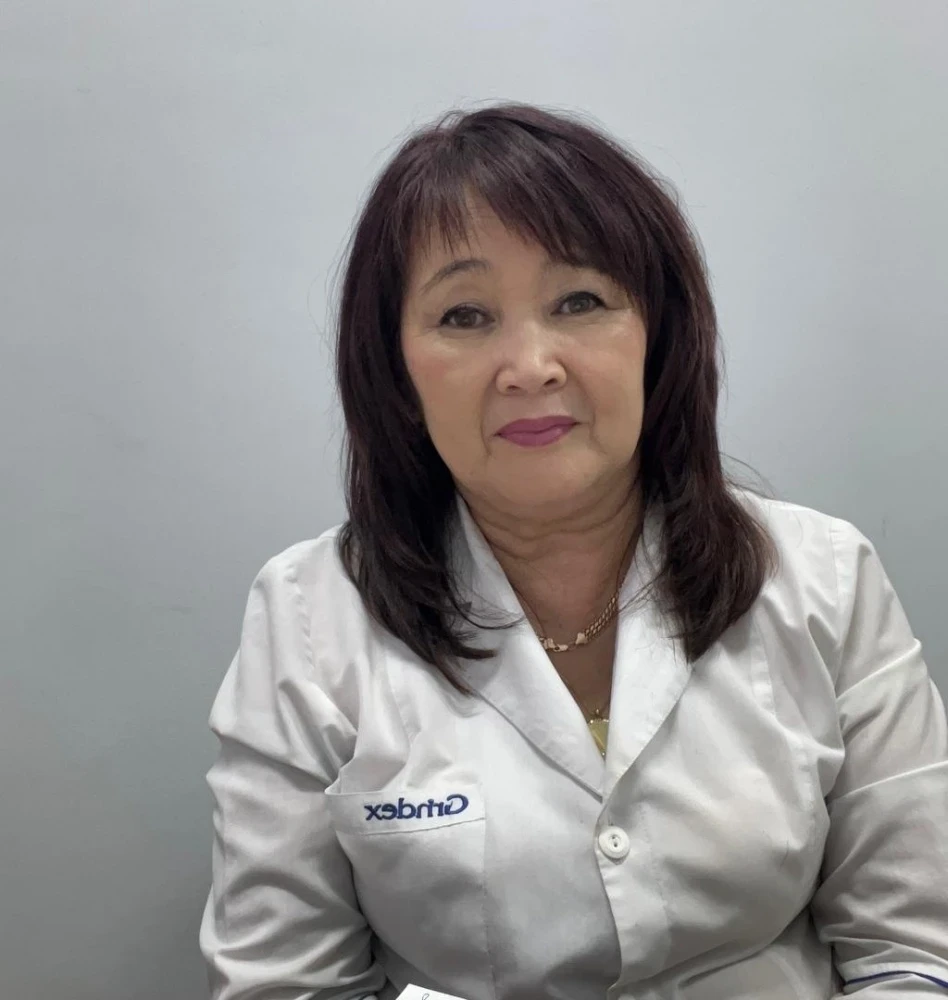
Beremet Baryktabasova, Head of the Independent Medical Trade Union
- The initiative of the deputies has once again caused public resonance and dissatisfaction among medical professionals, who believe that officials should focus on improving medicine in the country rather than sending their relatives abroad for treatment. The creation of a fund that will be used only for their needs raises questions.Nevertheless, there is an idea in the government to create a fund to finance expensive operations and technologies, such as treating children with SMA and other rare diseases, organ transplants, and complex neurosurgical operations. Abroad, such issues are resolved more easily, but in Kyrgyzstan, they face problems, as the cost of treatment and comprehensive patient care has not been properly calculated.
Calculations are often made based on individual stages of treatment, without considering rehabilitation and preparation. When all stages are taken into account, the final cost turns out to be significantly higher.
This money should not be sent abroad, where the cost of treatment will be several times higher. Invest in your medicine!There are also serious corruption risks associated with possible affiliation with foreign clinics, where our patients are effectively "sold" for huge sums of money.
How does this happen? In recent years, there has been a rise in medical tourism, where patients, having no other choice, seek treatment abroad, where complex surgeries are available.
Medical tourism in our country remains unregulated.Lawyers argue that this is the patient's choice. The Ministry of Health does not track the number of patients traveling abroad and their conditions after surgeries.
Currently, there are many intermediaries, both legal and illegal, who are engaged in "transferring" patients to foreign clinics, profiting from this. Even employees of state hospitals can refer patients abroad, receiving decent rewards for it. They often intimidate patients with possible complications and high risks, leading to a shift towards treatment abroad.
There are entire medical centers that are engaged in "recruiting" patients for treatment abroad. There are also funds that send patients to Turkey, Uzbekistan, Kazakhstan, and Russia. Such structures need to be controlled and possibly closed, as they harm the state and patients, and discredit local hospitals, where similar operations can be performed for free and effectively.
Recently, the Ministry of Health noted a significant outflow of cardiac surgery patients, especially from the southern regions. It turned out that operations that are free for children under 6 years old at the National Center for Cardiac Surgery are being sent abroad by private clinics for huge sums, even though the prices at foreign clinics are significantly lower according to their price lists.
Private and state clinics also invite foreign surgeons, paying huge sums for each operation. Price comparisons show that treatment costs abroad can be 8-10 times higher than in local hospitals.
However, the qualifications of invited surgeons are not always confirmed; they work on trust and often do not conduct master classes to train local doctors. Moreover, foreign funds often bring their assistants, leaving local specialists without opportunities for development.
Thus, on one hand, the state provides citizens with the opportunity to receive high-quality surgeries and medications for free, while on the other hand, it sends large sums abroad for treatment, creating an additional burden on family budgets.
In this regard, it is urgent to develop measures to regulate issues related to the creation of funds and medical tourism at the level of the government and the Jogorku Kenesh. It is necessary to:
- Determine which high-tech interventions are available in the country and what their outcomes are, and which operations are not performed.
- Ensure the availability of information about the cost of medical services and benefits for patients before making a decision to travel abroad.
- Monitor and limit medical tourism and the "recruitment" of patients.
- Enter into contracts with foreign specialists, considering their working conditions and volumes.
- Keep records and control over each case of treatment by foreign doctors.
- Organize master classes for local doctors and internships abroad.
- Document and certify the skills of local doctors.
- Invest in the development of local medicine and infrastructure for high-tech interventions.