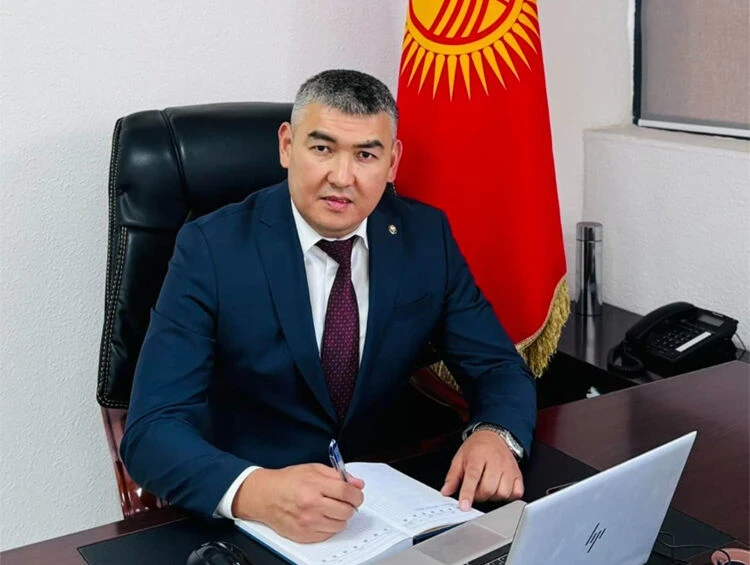
In an interview provided to 24.kg, the head of the National Agency for Religious Affairs and Interethnic Relations, Azamat Yusupov, discussed current issues in the religious sphere, the influence of foreign organizations on Kyrgyz citizens, as well as aspects of dawa and pilgrimage.
— What is your assessment of the current religious situation in Kyrgyzstan and what challenges does the state face?
— Overall, the religious situation in the country remains stable. However, it has been shaped by numerous factors over decades, and certain problems have arisen during the years of independence.
After the collapse of the Soviet Union, there was a sense of spiritual timelessness in society: many young people began to go abroad for religious education. Upon returning, they often brought ideologies that did not align with our cultural tradition, leading to the emergence of various groups and movements that do not fit into the local Islamic context.
Among the main problems, we can highlight: first — the low quality of religious education; second — the influence of foreign trends and recruitment of youth; third — the lack of a unified religious policy, which was observed until 2022-2023. Different groups acted without proper control and coordination.
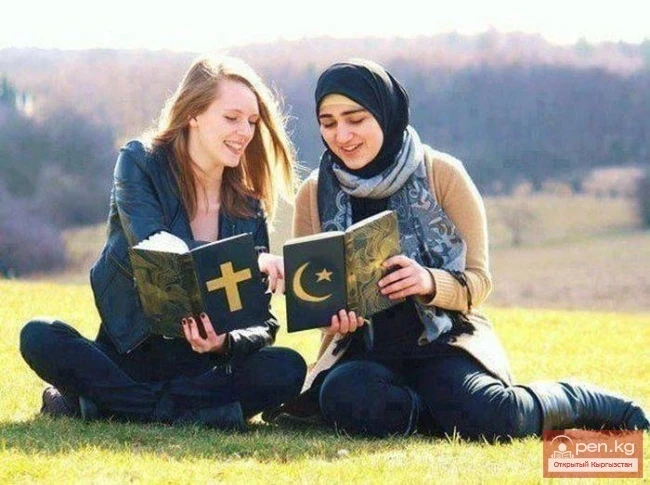
Nevertheless, it is worth noting that no conflicts between religious groups in the country have been recorded, and the state provides citizens with sufficient freedom of religion.
— What is the current number of religious facilities in Kyrgyzstan? Is there an increase in their number?
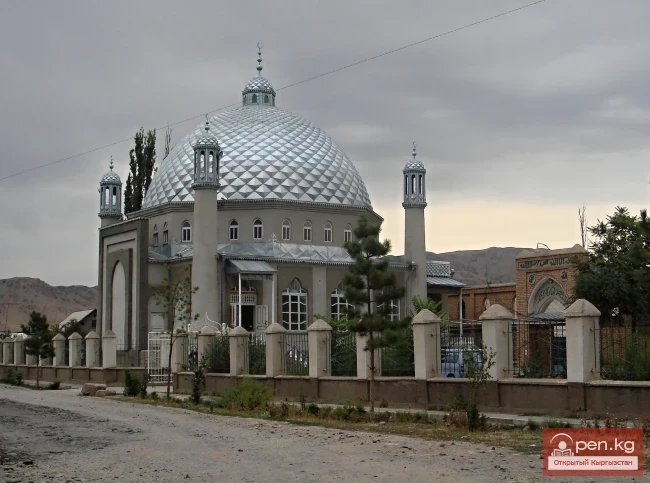
— Currently, there are 4,441 registered religious facilities of various denominations in the republic. Of these, 4,048 are Muslim, 387 are Christian (including Orthodox, Catholic, Baptist, Adventist, and others), 1 is Jewish, 1 is Buddhist, and 4 are Baha'i communities.
According to research, 93–95% of the country's population are Muslims.
The number of religious facilities has been increasing recently, but this is not chaotic: after the adoption of the new law, we simplified some registration procedures, while introducing mechanisms for state control.
Now, the construction of religious facilities is only possible with the approval of a commission that includes local authorities and central governing bodies of religious structures. For example, in a village where there is already one mosque, no additional mosques will be built within a few kilometers.
The state policy is shifting from quantitative growth to quality improvement; many facilities are in emergency condition, and the focus is on their reconstruction and standardization.
— What changes have occurred in the requirements for the registration of religious organizations and facilities?
— The new Law "On Freedom of Religion and Religious Associations" has simplified and simultaneously tightened the registration process. This was a necessary step.
Now, only two documents are required for the registration of a religious facility: a state act on the land and a commissioning act; all documentation can be submitted electronically, and the complex system of collecting signatures has been abolished.
The term "religious facility" has been introduced, and construction on private lands is prohibited — the plots must be transferred either to the state or to an authorized religious body.
For example, if someone wishes to transfer land for the construction of a mosque, it is transferred to the balance of the Spiritual Administration of Muslims or local authorities. Currently, the Spiritual Administration is conducting an inventory of all facilities, and the process of transfer will be completed within a year.
Additionally, unified educational standards and a new religious education program have been implemented, including SNIPs and infrastructure requirements (lighting, water supply, heating, housing for clergy).
— Does the Spiritual Administration pay taxes on its properties?
— The Spiritual Administration enjoys certain benefits from the state in the form of simplified tax rates and utility tariffs.
— How is control over the financing of religious organizations carried out? Are there risks of foreign influence?
— Control is carried out at two levels: by central religious administrations and our national agency. Now all religious organizations are required to coordinate their projects related to religious activities, including construction of facilities and distribution of literature, as well as educational programs.
Previously, foreign religious charitable organizations were registered only with the Ministry of Justice and operated actively in Kyrgyzstan. Now, after the adoption of the new law, they must also undergo accounting registration with the National Agency.
Risks of influence do exist, especially concerning youth who received education abroad in institutions with non-traditional approaches for Kyrgyzstan. To mitigate such risks, a list of recommended foreign universities has been created, sending minors abroad is prohibited, new mechanisms for exit control are being developed, and a retraining course for clergy returning from abroad has been introduced.
Currently, there are 224 religious educational institutions operating in the country, and an Islamic academy has been opened in Tokmok, significantly reducing the need for mass trips abroad.
Comparing with Uzbekistan, which has only 15 religious educational institutions for a population of 36 million, or Kazakhstan with 9 institutions, we can say that we do not have serious conflicts between religious groups. We can confidently state that freedom of religion in Kyrgyzstan is sufficiently ensured.
— How relevant is the threat of religious extremism for Kyrgyzstan?
— Certain risks do remain. Youth who have returned from educational centers where radical ideas were disseminated sometimes refuse to comply with the decisions of the muftiate, leading to the emergence of non-traditional and radical trends.
To prevent this, the state has strengthened preventive measures: a unified educational program is being implemented, early monitoring mechanisms have been created, active informational work is being conducted, and a Center for the Study of the Religious Situation and Interethnic Relations operates under the National Agency.
— Recently, there have been observations of people in religious clothing with elements foreign to the culture. How do you comment on these changes, considering the new restrictions on wearing face-covering clothing?
— Yes, such a norm is indeed stipulated in the Code of Administrative Offenses. It prohibits wearing clothing that completely covers the face and hinders the identification of a person in public places. A fine of 20,000 soms is imposed for violations.
This measure has been adopted for security reasons, as there have been recorded cases of crimes committed in such clothing.
Our agency, together with law enforcement agencies, conducts explanatory activities about the necessity of complying with the legal requirements regarding religious clothing. Overall, the population understands this norm.
The National Agency conducts annual studies of the religious situation, including questions about religious clothing. The results of last year's surveys became one of the grounds for developing the new law.
New data will be published at the end of the year, allowing for an assessment of the impact of legislative changes on the situation.
— How is the activity of dawaatchy regulated? Is it allowed to conduct dawaat in homes and markets?
— Dawaat is now clearly regulated: house-to-house visits are prohibited, dawaat can only be conducted in mosques, and dawaat workers must register with the Spiritual Administration, while the routes and venues for these events must be approved by local religious structures. Penalties for violations are stipulated: for individuals — 20,000 soms, for legal entities — 65,000 soms.
Similar rules apply to representatives of other denominations, such as Jehovah's Witnesses and Baptists.
— Many religious figures today actively use social networks. How is this regulated?
— The new law introduces the concept of "religious mentor." To preach on the internet, one must be an official employee of a religious organization or register as a mentor with the National Agency.
Otherwise, such activity is considered illegal and punishable by a fine. The agency has a special department that monitors social networks.
— Are there complaints about the activities of religious organizations?
— Yes, such complaints are received periodically, most often about religious figures who issue fatwas without authority.
Only the Council of Ulema under the Spiritual Administration has the right to issue fatwas in the country. Violators of the standards are held accountable.
— How does the state ensure a balance between the secular nature and freedom of religion?
— Kyrgyzstan is a secular state; however, religion is a sensitive sphere where even the slightest oversight can lead to serious consequences. The state must support freedom of religion while simultaneously preventing radicalization and interference of religious structures in politics.
The new law includes a provision on the depoliticization of religious figures: if a religious figure wants to participate in elections, they must resign from their position and can only run for office after 5 years.
As a result, this year several candidates who are religious figures were excluded from the parliamentary elections — the law applies equally to all.
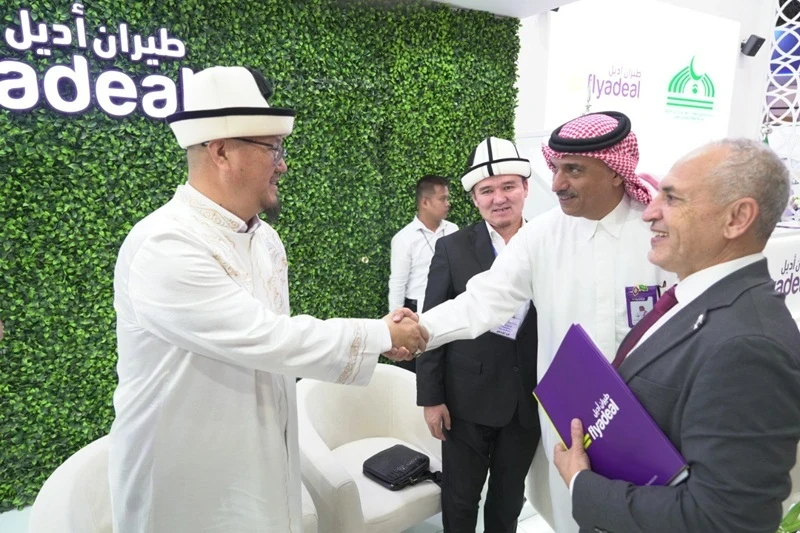
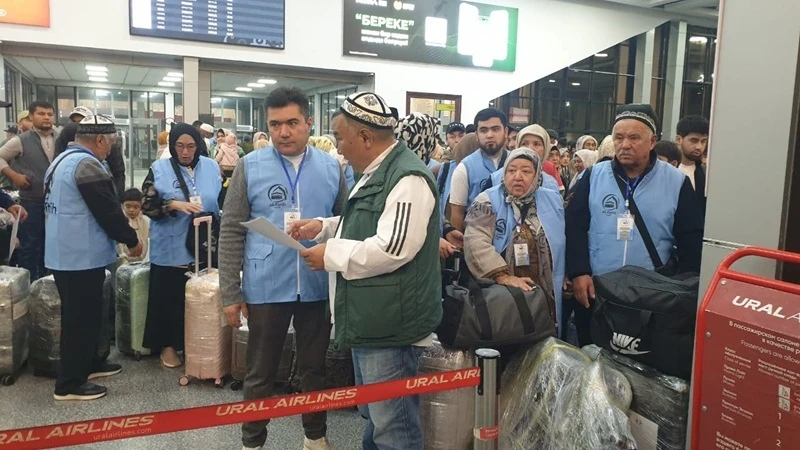
— Has it been possible to reduce corruption risks in the organization of Hajj and Umrah?
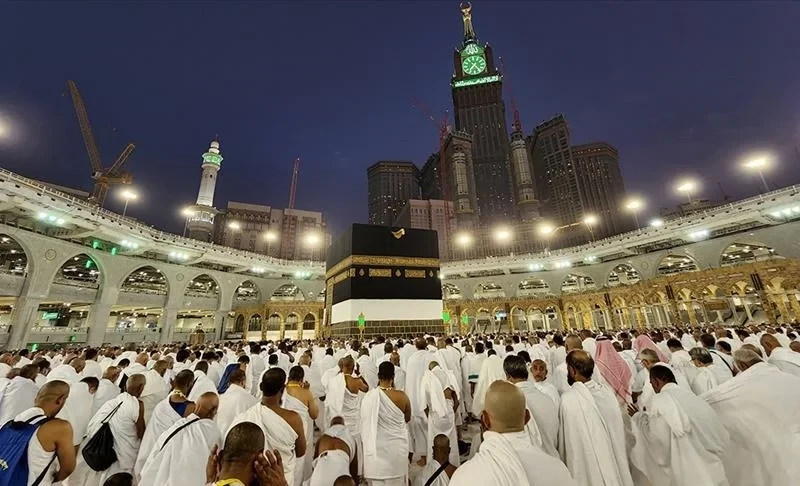
— Yes, in the last three years, the system has been completely reformed. A collegial body has been created to oversee the organization of pilgrimage. Airfare prices have decreased from $1,800 to $1,200, significantly easing the financial burden on citizens. The cost of Hajj now stands at $4,400, which is the lowest figure in Central Asia (in Kazakhstan — $5,500, in Uzbekistan — about $6,000, in Russia — up to $11,000).
The quota is 6,000 people, and Kyrgyzstan has requested an increase, as there is great interest in Hajj. In Kazakhstan, for example, there is a shortfall of applicants.
Thanks to transparency in the pilgrimage organization process, imams have started receiving salaries — 8,000 soms, which will be increased to 20,000 next year. These funds are formed from the budget of the Spiritual Administration, which is replenished through the organization of pilgrimage.
— How many religious organizations are currently banned in Kyrgyzstan?
— Currently, 20 organizations are banned, and the register is maintained by the General Prosecutor's Office.
— You also regulate the sphere of interethnic relations. Have there been any conflicts in the past year?
— Kyrgyzstan is a multi-ethnic country, home to about 80 different nationalities. Local domestic conflicts have been recorded, but they do not have an interethnic character and are mainly classified as hooliganism or administrative offenses.
The National Agency also deals with regulating interethnic relations, protecting the rights of national minorities, and supporting their traditions and language. Public reception offices operate in 23 multi-ethnic districts of the republic, where preventive and dialogue activities are held.
— What key priorities for religious policy do you see for the next 5–10 years?
— Improving the quality of religious education, isolating society from radical trends; standardizing the activities of religious facilities; financial transparency of religious associations; supporting inter-religious and interethnic dialogue; strengthening the secular nature of the state while respecting freedom of religion.