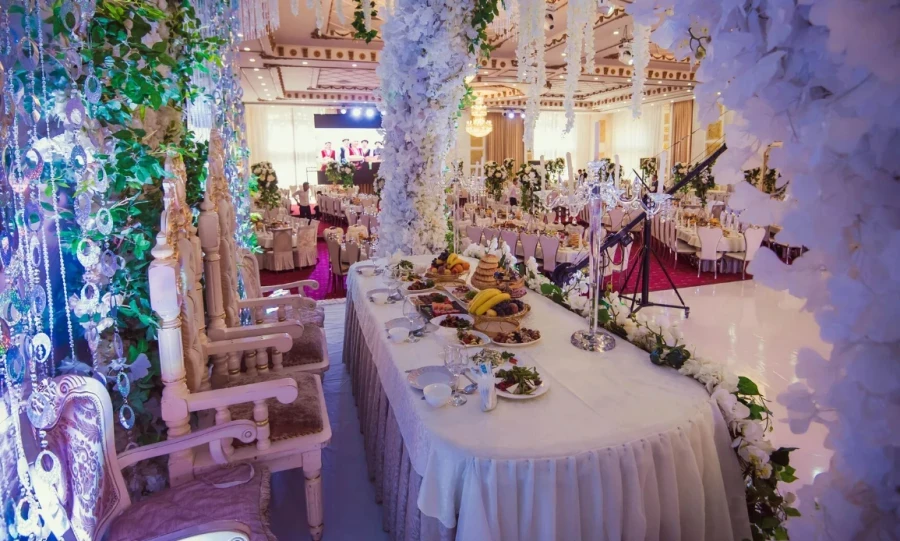
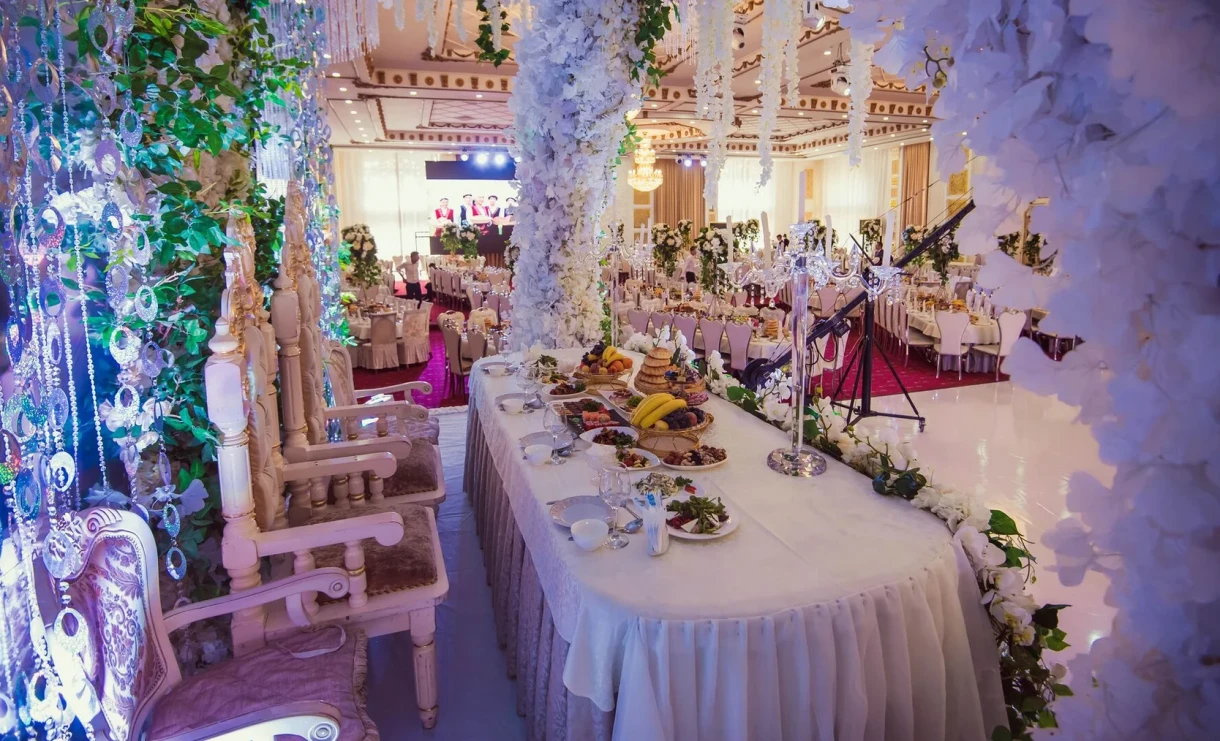
The main objective of this project is to establish order in the conduct of family celebrations and rituals associated with the commemoration of the deceased. This will help reduce unnecessary expenses considering the current economic situation of citizens, preserve the moral and ethical values of society, and create a unified mechanism for the rational observance of national traditions in modern realities.
To which celebrations will the new order apply:
1) weddings;
2) farewell ceremonies for brides;
3) celebrations related to cradle laying, cutting of ties, circumcision;
4) religious rituals: “Hajj”, “Umrah”;
5) funerals and memorial events (three days, seven days, forty days, anniversary).
Recommendations for conducting weddings
When organizing weddings and other family events, the following measures are recommended:
- limit the number of guests to 200;
- hold weddings within one day;
- avoid events that require excessive expenses;
- do not allow large weddings (more than 350 people);
- reduce the amount of prepared food;
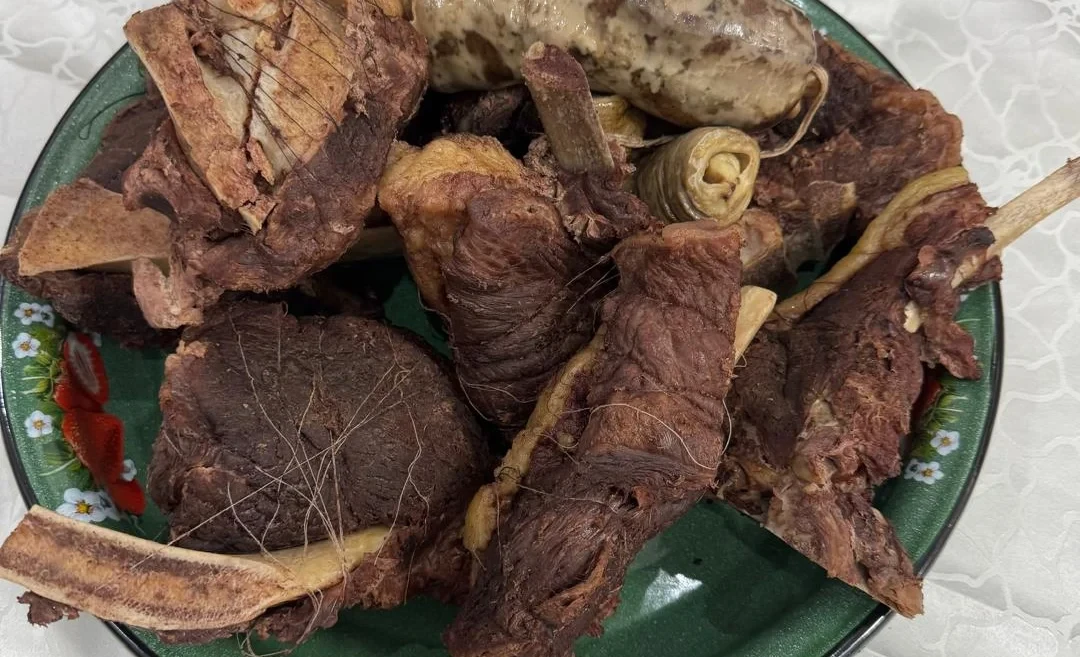
- limit the slaughter to one head of cattle or one horse.
It is prohibited:
- to hold events that contradict national traditions and moral norms;
- to make rude and inappropriate jokes;
- to demonstrate wealth and compete;
- wedding processions of more than three cars;
- fireworks and excessive show programs;
- to pressure for expensive gifts;
- wasteful traditions such as “kiyit kiygizüü” (gifting clothing), “sebet berüü” (gifting baskets with treats), “tüshtönü” (organizing lunches).
It is also recommended to organize photo and video shooting within reasonable limits. The farewell ceremony for the bride should be conducted in a way that emphasizes family and spiritual values.
Organization of funerals and memorials
For the conduct of these events, the following recommendations are proposed:
- an event on the day of the funeral without the slaughter of livestock and without a limit on the number of participants;
- clarifications from the clergy regarding excessive celebrations that do not comply with Sharia;
- compliance with food safety norms and sanitary requirements;
- for subsequent memorials, the slaughter of small livestock or, at the organizers' discretion, a horse or one head of cattle is allowed;
- preparation of a modest table;
- invite only close relatives;
- instead of memorials, it is recommended to engage in charity and make donations for public needs.
Organizers, such as owners of tea houses and banquet halls, as well as toastmasters, are required to adhere to these recommendations.
It is also planned to develop model standards for conducting family celebrations for civil servants. As noted by the Ministry of Culture, family celebrations and memorial rituals have significant social and cultural importance in Kyrgyzstan. These traditions preserve the spiritual values of the people and strengthen connections between generations. However, in recent years, there have been instances of excessive spending on such events, which negatively affects the financial situation of many families.
The draft resolution aims to address these issues and define the basic principles of organizing rituals.
“The goal of the project is not to limit citizens' freedom in conducting traditions, but to form a reasonable and responsible approach considering the socio-economic situation of the population. The document emphasizes the prevention of excessive wastefulness and the preservation of the essence of national traditions,” emphasizes the Ministry of Culture.
The project also defines the role of local authorities and self-government bodies, which will be responsible for organizing and coordinating work in this direction, allowing for a unified order at the local level and establishing interaction with society.
Draft Order “On Measures to Regulate Family Celebrations and Memorial Ceremonies in the Kyrgyz Republic”
General Provisions
1.1 This Order defines the organization and conduct of family celebrations and memorial ceremonies, including weddings, on the territory of the Kyrgyz Republic, and regulates public relations in this area.
1.2 This Order has been developed to implement the Decree of the President of the Kyrgyz Republic dated February 24, 2022, No. 54 “On Measures to Regulate Family Celebrations and Memorial Ceremonies in the Kyrgyz Republic.”
1.3 This Order applies to the following family celebrations:
1) weddings;
2) farewell ceremonies for brides;
3) celebrations for cradle laying, cutting of ties, circumcision;
4) religious rituals: “Hajj”, “Umrah”;
5) funerals and memorial events (three days, seven days, forty days, anniversary).
1.4 This Order aims to prevent excessive wastefulness, ostentatious luxury, and unreasonable expenses, as well as public pressure.
Goals and Objectives
2.1 The main goal of this Order is to regulate the conduct of family celebrations, including weddings, rationally in accordance with national traditions, as well as to ensure their ethical and culturally responsible organization.
2.2 To promote the conduct of events in memory of the deceased in a calm and restrained atmosphere.
2.3 The objectives of this Order are:
- to form a culture of conducting family celebrations;
- to reduce financial pressure on young families;
- to preserve national traditions and customs;
- to prevent social inequality and excessive competition in society;
- to enhance the responsible attitude of citizens.
Procedure for Conducting Family Celebrations and Memorial Ceremonies
3.1 Procedure for conducting weddings
3.1.1 Weddings should be conducted considering the financial capabilities of the newlyweds and their parents, without resorting to debts and loans.
3.1.2 When conducting weddings and other family celebrations, it is recommended to:
- limit the number of guests to 200 people;
- hold the wedding within one day;
- not organize events that require excessive phased and additional expenses;
- not allow large-scale weddings (more than 350 people);
- not allow excessive food preparation;
- limit the slaughter to one head of cattle or one horse.
3.1.3 The following manifestations are not allowed:
- events that contradict national traditions and moral norms;
- humiliating, rude, and inappropriate jokes;
- glorification of ostentatious wealth and competition;
- wedding processions consisting of more than three cars;
- fireworks and excessive show programs;
- coercion to expensive gifts;
- wasteful traditions such as “kiyit kiygizüü” (gifting clothing), “sebet berüü” (gifting baskets with treats), “tüshtönü” (organizing lunches).
3.1.4 It is recommended to promote the principle “A modest wedding is a blessed wedding.”
3.1.5 It is recommended to organize photo and video services in a rational format.
3.2 Conducting the farewell party for the bride (kız uzatuu toyu)
3.2.1 It is recommended to conduct the farewell party for the bride in a format that emphasizes family, educational, and spiritual values.
3.2.2 To preserve national and cultural values, it is recommended that religious figures and public organizations conduct explanatory work.
3.3 When conducting funerals and memorials, the following is recommended:
- an event on the day of the funeral without the slaughter of livestock and without a limit on the number of participants;
- the conduct of the anniversary memorial is not mandatory and is voluntary;
- it is clarified that the main essence of the events is prayer, patience, and unity;
- clarifications regarding excessive celebrations that do not comply with Sharia are provided through representatives of the clergy;
- food safety requirements and sanitary-hygienic norms must be observed.
- when conducting subsequent memorials, the slaughter of small livestock or, at the choice of the organizers, a horse or one head of cattle is allowed;
- preparation of a modest table
- invite only the closest relatives of the deceased to the memorial events;
- instead of conducting memorials, it is recommended to engage in charity, make donations to the mosque or for public needs;
Powers of State Bodies and Local Self-Government Bodies
4.1 Local state administrations and local self-government bodies:
- conduct explanatory and propaganda work among the population;
- organize work to reduce public pressure with the involvement of representatives of the clergy, veterans, women's and youth councils;
- disseminate model simple celebrations through the media and social networks;
- develop and disseminate unified recommendations.
Parties Involved in Organizing Family Celebrations
5.1 Owners of tea houses and banquet halls, toastmasters, and other organizers are required to comply with the requirements of this Order.
5.2 It is not allowed to impose services on clients that require excessive expenses.
Control over the Implementation of this Order
6.1 Model standards for conducting family celebrations for civil servants will be developed.
6.2 Ethical norms must be observed to prevent the organization of excessive celebrations.
6.3 The simplicity of civil servants is demonstrated to society as a positive example.
Responsibility for Violating this Order
1. Individuals who violate the requirements of this Order are held accountable in accordance with the Code of Violations of the Kyrgyz Republic.