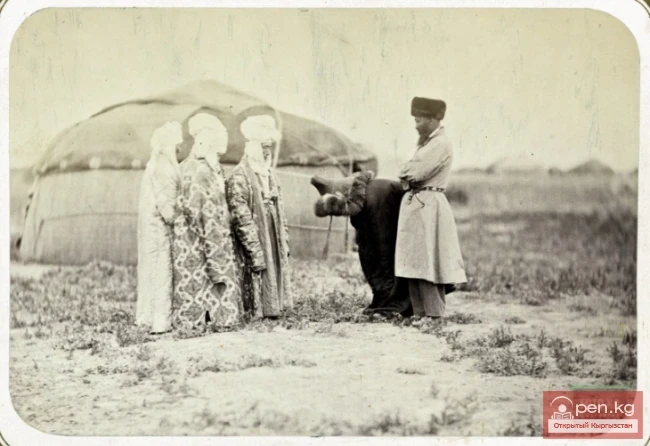
This custom accompanies events such as weddings, birthdays, anniversaries, housewarmings, and memorial ceremonies.
The amount of "koshumcha" usually varies depending on the closeness of relationships among participants — families, friends, and neighbors.
To understand how residents of the Talas region perceive this tradition and the amounts they donate during celebrations, Turmush correspondents conducted a survey.
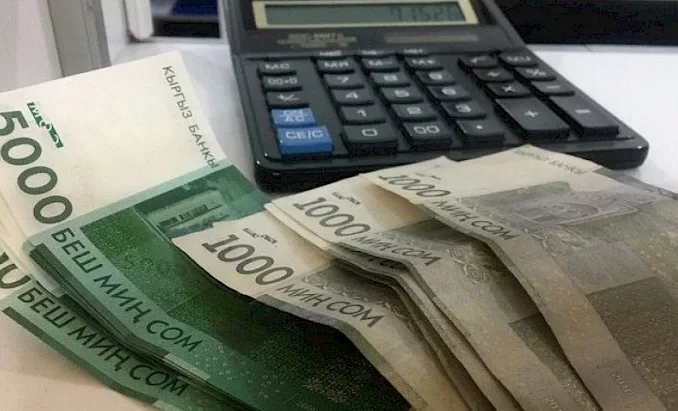
Suyun Jamalbekov, a resident of the Bakai-Ata district, noted that since his family actively interacts with relatives, he participates in both joyful and sorrowful events. "We try to attend all events, not forgetting to bring 'koshumcha' with us. I consider this tradition to be correct — it is a kind of joint fund. What you give will eventually come back to you. My wife's relatives and I have formed strong bonds. At weddings, we often give livestock, and at memorials, we collect around 20,000 soms. I have seven siblings, and my wife has eleven. Last fall, we celebrated our daughter-in-law's housewarming with a grand festivity. Some relatives working abroad could not attend but congratulated us online and sent gifts via bank transfer. For example, for the housewarming, they sent $2,000, and for the wedding — $5,000 to buy a car for the newlyweds. Later, we invited relatives for a treat where we discussed the gifts. The news about the monetary 'koshumcha' quickly spread throughout the village, and now our newlyweds drive a new car. In response, we sent various delicacies to the matchmakers," he shared.
Gulmira, a resident of the Talas region, shared that her family has five children. For her older brother's anniversary, they decided to gift him a car. "He is the only son, and we wanted him to be able to drive our mother around. The car cost 510,000 soms. At the celebration, we presented the keys to the car and also gifted gold earrings to the bride and dressed him in traditional clothing. All the sisters contributed a horse to raise the necessary amount. We give livestock for weddings and anniversaries, and this year, I hope my brothers and sisters will also gift me a horse for my 60th birthday," she noted.
Kushubak Ashymov, a resident of the Kara-Buura district, talked about his expenses on "koshumcha" in the past year. "Last year, there were many weddings, and I received invitations to two events a day. As the head of the family, I always allocate 'koshumcha.' My wife prepares gifts, and we farm ourselves. Last year, we used three tons of beans as 'koshumcha' at various celebrations. If it weren't for this tradition, weddings wouldn't take place. People try to return their 'koshumcha.' Besides that, we also spend money on prizes, which can range from 500 to 2,000 soms. There are also expenses for photographs at the event, which cost about 200 soms. After weddings, we discuss the past celebration over a cup of tea," he concluded.
Marat Tulekanov from the Bakai-Ata district noted that he participates in celebrations quite often. "In our rural area, news spreads quickly. For example, a year ago, my older sister married off her daughter and gifted the newlyweds a two-room apartment in Bishkek. It is a normal desire to do something good for your children. I, for instance, usually donate a bull for 'koshumcha.' My children are small, but when the time comes, I will also give at weddings. 'Koshumcha' is perceived as a debt that will return in the future," he added.
His sister Nurububu Tulekanova confirmed that they gifted the apartment to the newlyweds. "Some people discussed our gift, but we are confident that we made the right choice. We give this for our daughter, and everything else they will be able to earn themselves. The apartment cost 3 million soms, without renovation," she said.
Avasbek Turdumambetov from the Talas region noted that times are changing, and people are increasingly striving to make their events more luxurious. "The amounts of 'koshumcha' are growing, and everyone gives according to their finances. For example, at weddings of relatives, I always allocate livestock. Once, I witnessed how at a large celebration, the matchmakers gifted an apartment and a 'Lexus 570' car, which speaks to the capabilities of their family," he noted.
Ainura Beishekeeva, a nurse from the Kara-Buura district, shared her impressions from a recent event of a friend. "At the wedding, there were guests with different levels of wealth. The groom's father, who worked in high positions, gifted the newlyweds a plot of land in Talas, and the bride's sisters made a joint gift — a trip to Dubai for 10 days. It was a real fairy tale," she said.
Torobek Namazaliev from the Bakai-Ata district expressed the opinion that the residents of the Talas region love celebrations and know how to have fun, but he believes that "koshumcha" is just additional expenses. "Sometimes I think, why can't you just come to a wedding, showing respect, without 'koshumcha.' Nevertheless, you have to follow traditions. People discuss who gave how much and what they gifted. In the past, my grandfather was also given gifts at weddings, for example, a camel," he summarized.