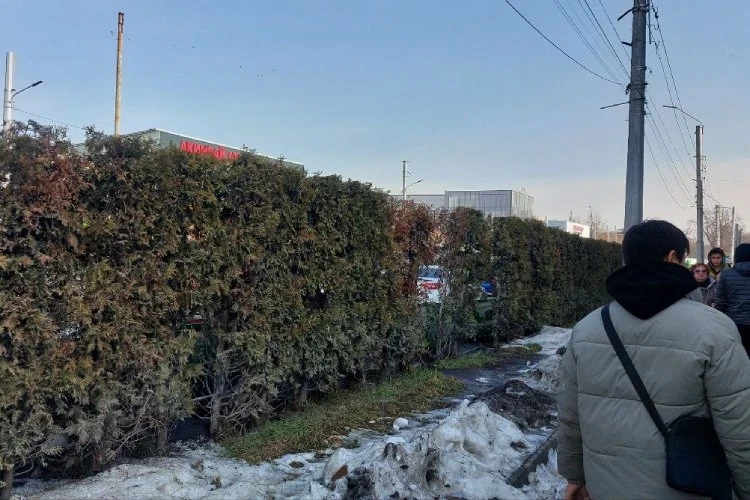
In Bishkek, an active campaign against shrubs has begun, which, according to city officials, is expected to create a more open and safe environment. The city hall believes that shrubs worsen visibility for drivers and pedestrians, as well as provide shelter for the homeless and a dumping ground for trash.
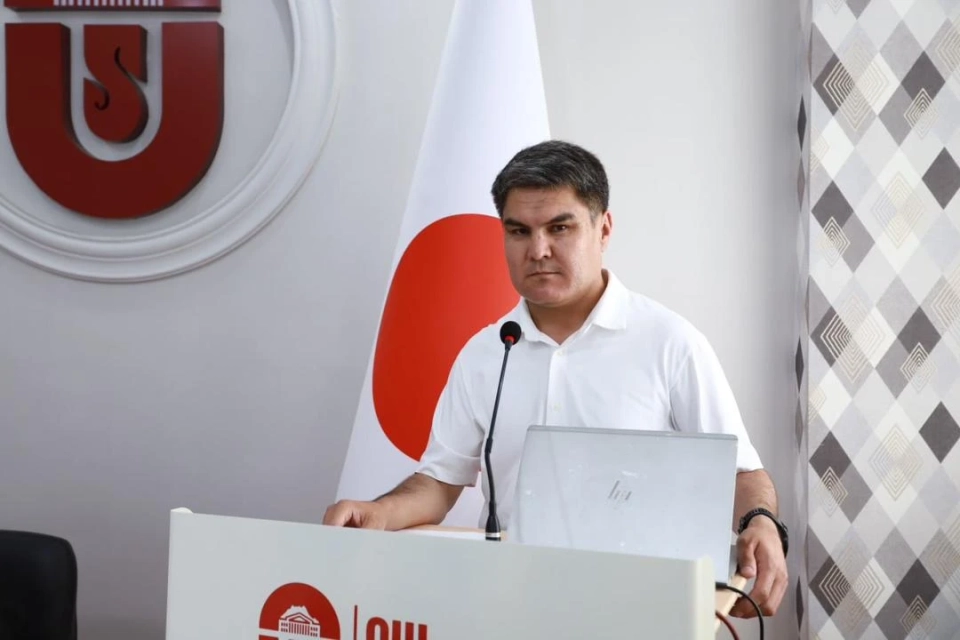
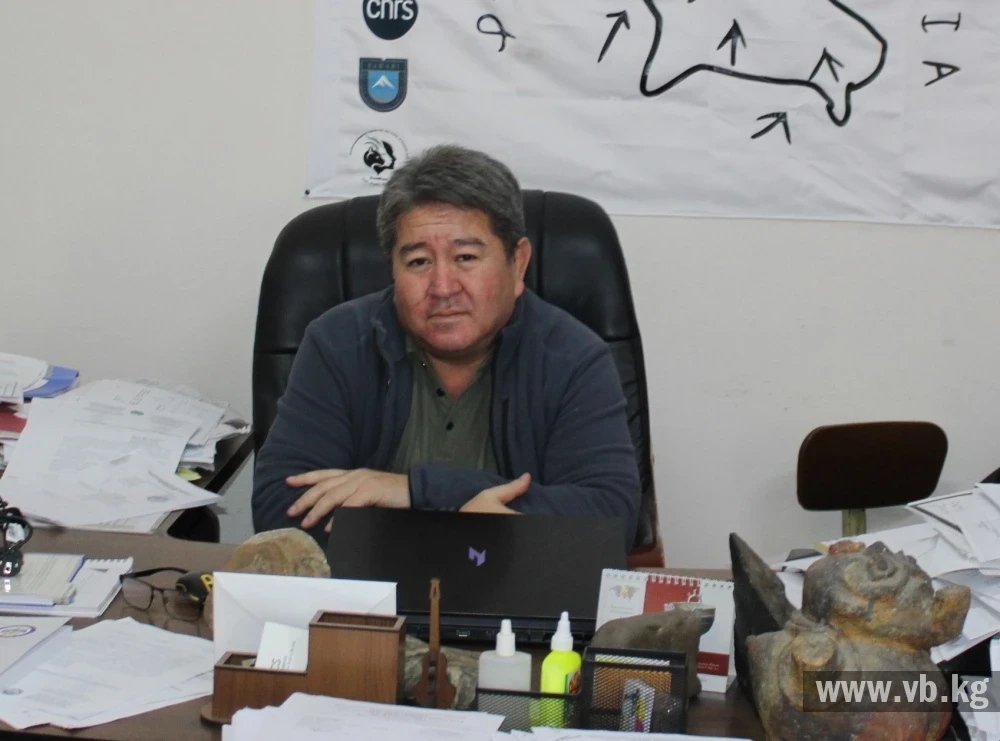
However, the mass replacement of shrubs with lawns could turn out to be a serious mistake for a densely populated city, especially considering issues with dust, water shortages, and dense construction. Urbanist and ecologist Dmitry Pereyaslavsky warns about this in an interview with 24.kg.
Advantages of Shrubs Over Lawns for Urban Health
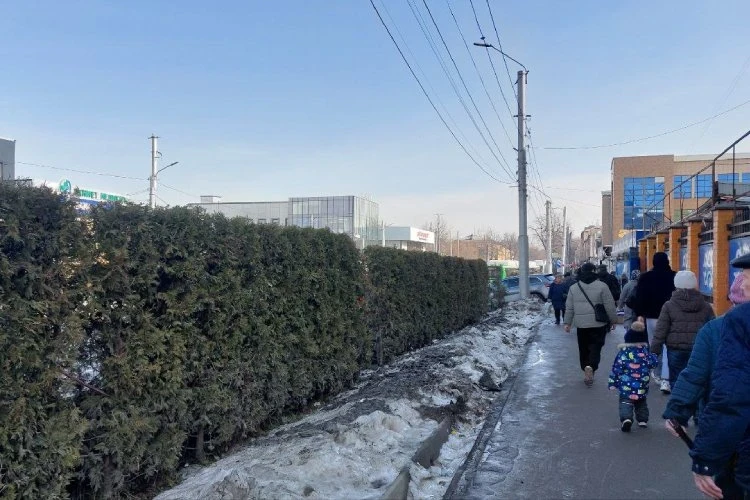
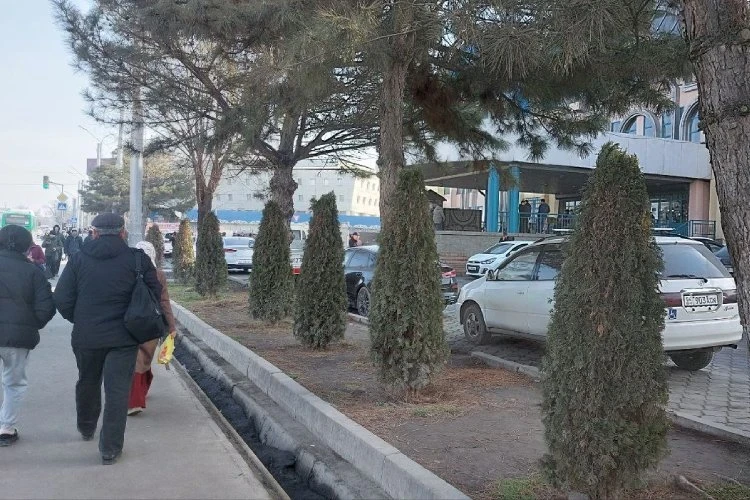
The expert emphasizes that shrubs play a key role in the urban ecosystem, protecting pedestrian areas and residential neighborhoods from dust and noise. According to him, dense hedges can reduce noise levels by 20-30 percent.
Shrubs provide several ecosystem functions: they create shade, lower air temperature, and reduce dust and noise pollution.
Dmitry Pereyaslavsky
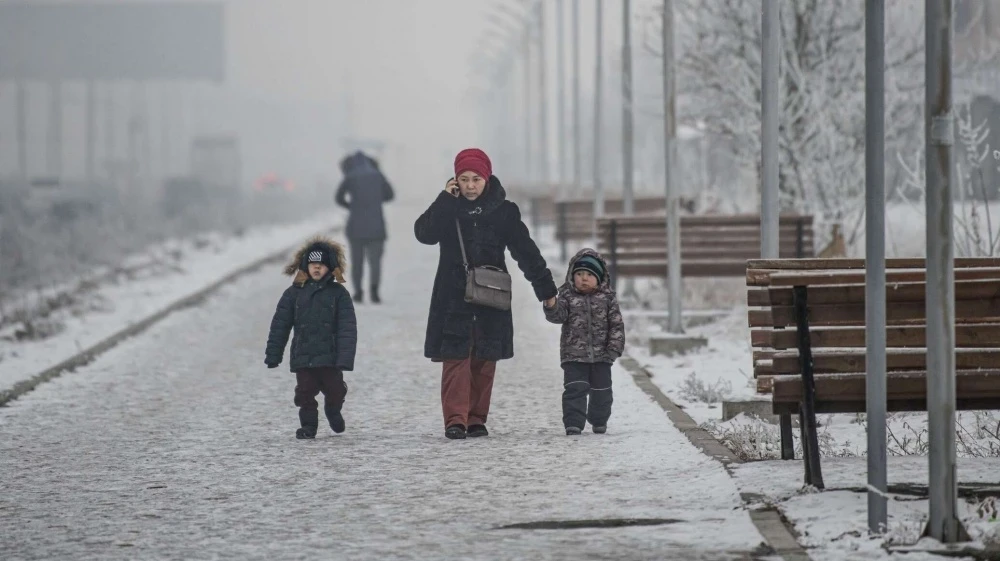
Large dust particles, such as PM10, pose a particular danger, as their concentration is highest closer to the ground. This is especially harmful to children, who inhale dust in greater volumes than adults. Unlike lawns, shrubs trap dust on their leaves, preventing it from entering the lungs of city residents.
The rise in allergic diseases among Bishkek residents also indicates a deterioration in the ecological situation and a high level of air pollution.
Water Supply Issues: Lawns as an Inefficient Choice
Dmitry Pereyaslavsky opposes the replacement of shrubs with lawns, pointing to a lack of water resources. He notes that city officials are using drinking water for automatic lawn irrigation.Since 2023, some residential areas have been regularly experiencing water outages, and the new master plan anticipates water supply restrictions by 2050.
“Lawns are one of the most irrational elements in conditions of drinking water scarcity. The city needs to use technical water, install filters, and create new irrigation systems,” says Pereyaslavsky.
The economic aspect also does not favor lawns: shrubs require trimming only twice a year, while lawns need to be mowed up to twice a month.
This leads to increased maintenance costs: around ten mowings may be required over a season.
It is also worth noting the uneven distribution of budget funds. Expensive lawns are primarily created in the city center, while the outskirts and recently annexed areas remain without sufficient greenery.
“Lawns are less effective at cooling. Shrubs with large leaf surfaces more efficiently lower air temperature through moisture evaporation, especially on hot days,” the expert adds.
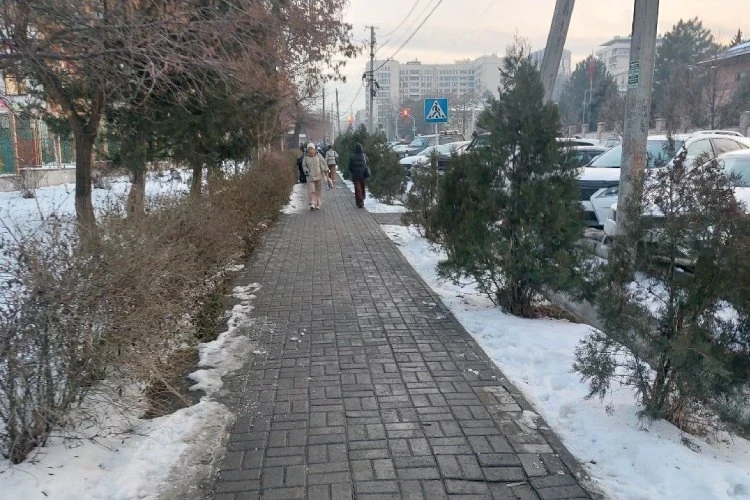
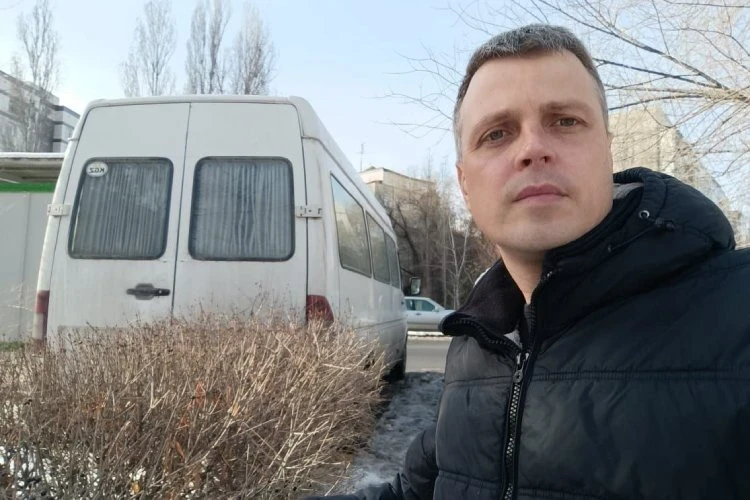
Lawns require regular fertilization and fertile soil, which leads to soil depletion and the formation of bald patches, which in turn necessitates partial soil replacement—a process that further increases maintenance costs.
Limitations of Lawns: Where Can Residents Relax?
Pereyaslavsky notes that lawns often have strict usage restrictions, which creates additional problems in a city like Bishkek, where green spaces are already scarce. Previously, there were 27-28 square meters of greenery per resident; now this figure is only 3 percent.“People do not have the opportunity to relax in green areas. If we create lawns that cannot be walked on, it will be like a riddle: a pear hangs, but cannot be eaten,” he explains.
Visual Illusions: How the City Hall "Unloads" Space with Greenery
According to the expert, the widening of streets has led to a significant reduction in visual space in Bishkek: narrow passages and a large number of cars create a feeling of congestion.“If there were shrubs left, drivers would be 'trapped' between cars and greenery. Therefore, designers leave part of the territory for lawns so that the eye can 'rest' and at least fall on buildings. This is a spatial solution,” he adds.
Recommendations for the distribution of green spaces are also presented:
- 10 percent of the area — lawns and flower beds;
- 30 percent — shrubs;
- 60 percent — trees.
Shrubs, in addition to their decorative function, serve as natural barriers along roads, preventing children from running into the roadway. Their height of up to 1 meter does not reduce visibility for drivers and does not create dangerous situations.
“On Manas Avenue and Abdrakhmanov Street, the living hedge looked very attractive,” adds Pereyaslavsky.
Shrubs and Trash: Culture and Ecology
“The trash problem in the capital is largely related to the culture of its residents, and this needs to be addressed. Over time, residents are becoming more conscious: while in the 1990s trash was often thrown onto the streets, this has significantly decreased now. However, despite this, problems remain—trash continues to be thrown into shrubs and ditches, which are perceived as dumps,” says the ecologist.No studies have yet been conducted to determine whether lawns and greenery actually improve the ecological environment: whether they reduce temperature, noise, and dust.
“The air quality in the city remains poor, and the intergovernmental working group created to improve the ecological situation in Bishkek is not doing enough to preserve shrubs,” believes Pereyaslavsky.
Shrubs and Entomophages: How to Save on Chemicals
According to the expert, shrubs provide a habitat for beneficial insects—entomophages (ants, beetles, dragonflies, and ladybugs)—that control pest populations. This helps reduce the use of chemical treatments.Many ecological problems in the city, including pest outbreaks, arise from a lack of a systematic approach and an unbalanced urban ecosystem.
Additionally, he points to the ineffective allocation of resources. The area of the capital has significantly increased, and the workload of municipal services has grown, while the budget of the municipal enterprise “Bishkekzelenhoz” has remained the same. As a result, the focus is often placed on decorative greening, while entire districts remain without greenery.
Inappropriate Standards: Why Bishkek Should Not Follow European and Chinese Models
Dmitry Pereyaslavsky emphasizes that when greening the city, examples from Europe or China are often followed without considering Bishkek's climatic conditions. The capital experiences low humidity, high dust levels, and extreme temperatures of up to +40-42 degrees in the shade.In such conditions, lawns require significant amounts of water but do not fulfill their primary function—creating an effective microclimate and reducing temperature during heat.
Choosing Shrubs for Bishkek
Currently, two types of shrubs primarily grow in Bishkek: privet and white dogwood. They effectively capture dust but have their own characteristics. The possibility of using junipers and other species, including trees, also exists but requires a professional approach.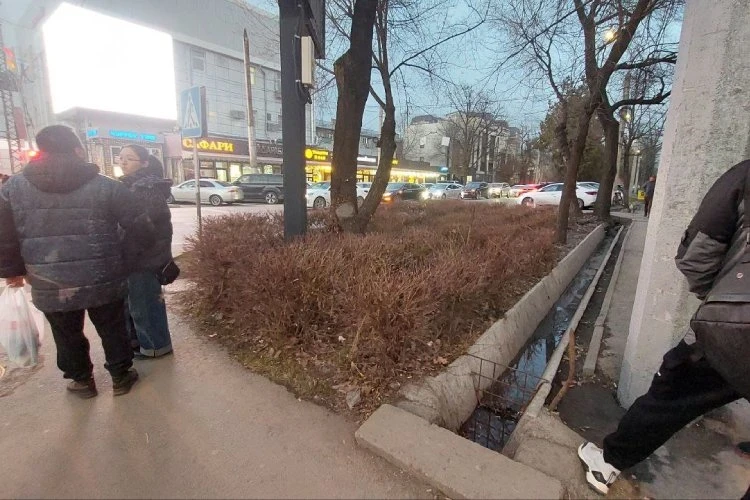
The ecologist emphasizes that living hedges should not be removed. As an example, he mentions Almaty, where arrays of decorative shrubs are actively used, which look aesthetically pleasing, modern, and practical.