Photo from the internet. Kyrgyzstan faces floods, losses, and poverty by 2050
Experts emphasize that Kyrgyzstan can minimize potential losses if it implements timely reforms, invests in adaptation, and ensures effective planning in areas such as water management, energy, and urban development.
Economic losses will be significant but not catastrophic
According to World Bank experts, by 2040, Kyrgyzstan's economy could lose between 2 to 3 percent of GDP compared to a scenario without climate change. By 2050, this figure could rise to 2-4 percent. The largest losses are expected in agriculture and infrastructure.
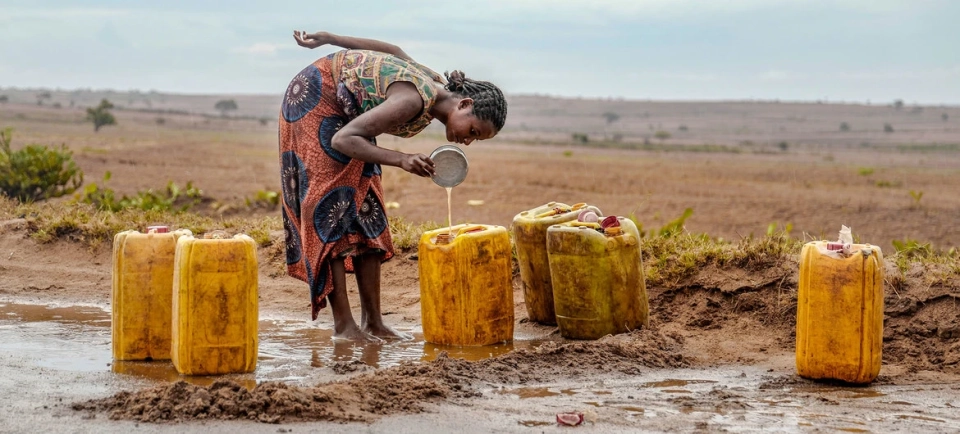
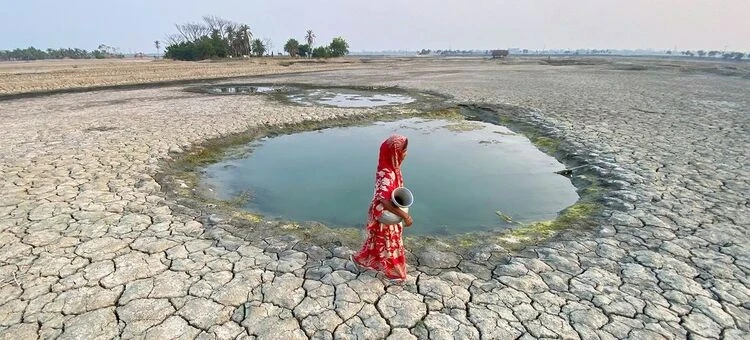
The authors of the report warn that rising temperatures and climate instability will lead to water shortages for irrigation.
The needs of agriculture will grow, while the supply of water will remain at the same level. By mid-century, up to 24 percent of irrigation demand may remain unmet. Yields could drop by 5-10 percent, leading to a similar decrease in income in this sector.
Additionally, land degradation will become a serious problem. According to the report, soil losses on pastures could increase by 8 percent, and on arable land by 11 percent, threatening the country's food security.
Floods and landslides pose dangers to cities and infrastructure
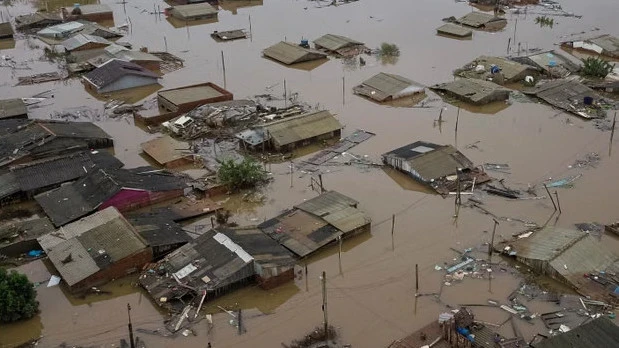
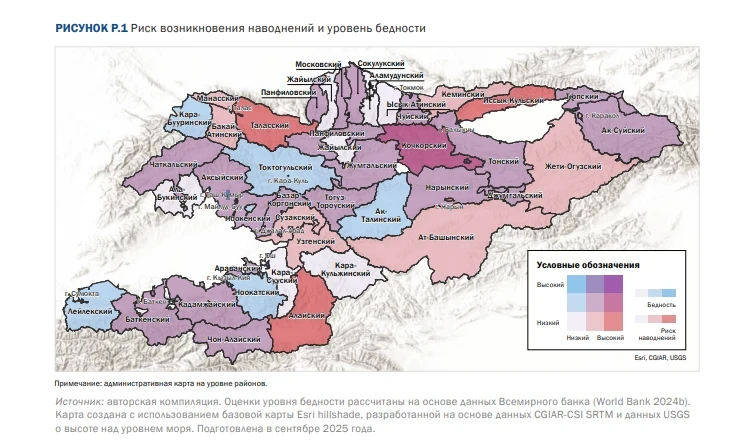
The risk map presented by researchers shows the correlation between poverty levels and the threat of flooding. In Talas, for example, 64 percent of the population lives in areas with a high probability of flooding, and 23 percent are in landslide risk zones. Similar threats are also observed in the Kochkor and Toguz-Toro districts.
Infrastructure will come under serious pressure: heavy rains could increase road repair costs by more than $100 million from 2025 to 2050. About 60 percent of bridges may suffer significant damage from rare but powerful climate events.
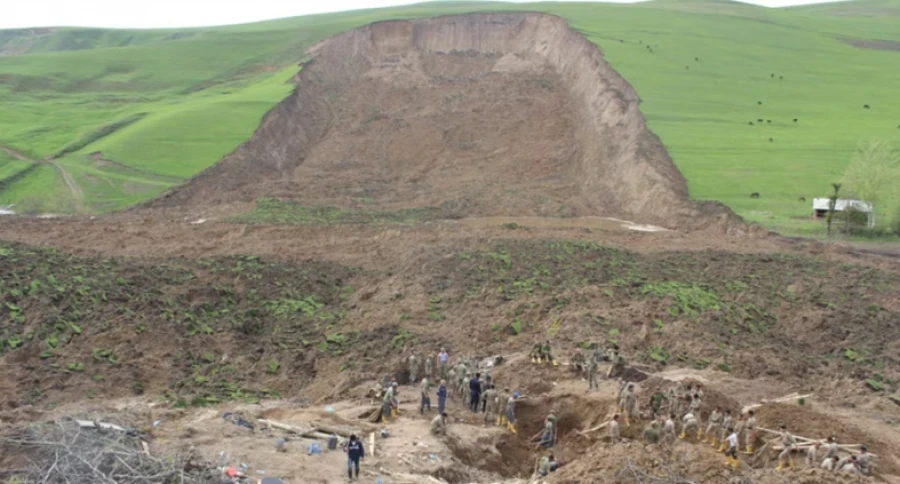
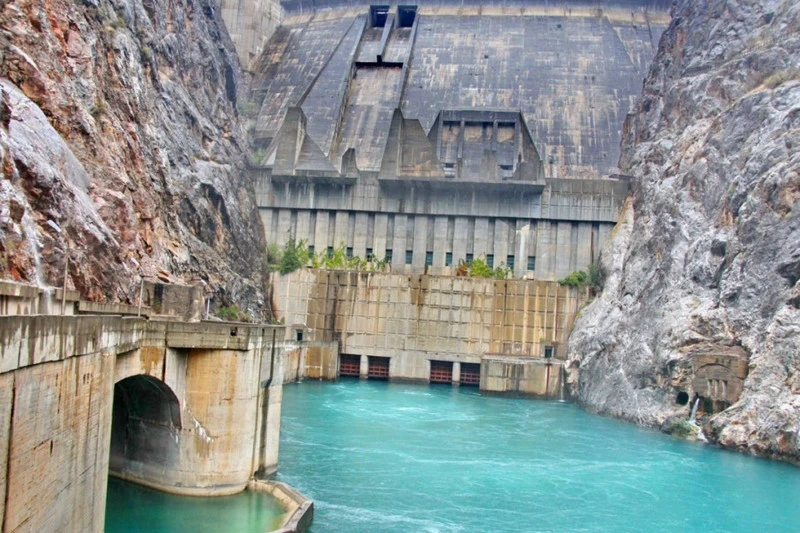
The report also indicates that the risk of landslides will increase in all regions, particularly in the Talas, Jalal-Abad, and Chui regions, affecting critical energy infrastructure, including the future Kambarata HPP-1.
Energy: balancing benefits and costs
Climate change could lead to an increase in annual water flow in the Naryn, Talas, and Chu rivers by 5-9 percent, potentially raising hydroelectric power generation by 11 percent. However, this will also lead to increased siltation of reservoirs, and without the application of natural solutions, such as forest restoration, efficiency could significantly decline.
It is noted that the energy intensity of Kyrgyzstan's economy remains high. At the same time, a reduction in the coal sector in the housing sector is expected for economic reasons: fuel costs will rise, making it less profitable.
Poverty levels and employment: rural areas at risk
Experts estimate that climate change will have a moderate impact on poverty levels: in a rapid growth scenario, it could increase by 1.8-2.2 percent by 2030-2040, potentially pushing an additional 170,000 people below the poverty line by 2040.
Labor markets will also change. Job losses are expected in agriculture, services, and construction, but new jobs may emerge in other sectors. The most vulnerable will be households among the 20 percent poorest, most of whom depend on subsistence farming.
Investments in adaptation will amount to less than 0.2 percent of GDP per year
World Bank specialists estimate that $1 billion will be needed for climate change adaptation by 2050, which they consider a "moderate" figure. The main areas of investment will include:
- water resource management and irrigation;
- sustainable land use;
- strengthening road and bridge infrastructure;
- improving emergency preparedness;
- natural solutions to prevent river siltation and landslides.
According to estimates, up to 60 percent of potential damage in the road sector can be prevented through proper planning and timely investments.
To achieve carbon neutrality by 2050, $10 billion is needed
The report also examines the cost of a low-carbon development scenario. Kyrgyzstan will require about $10 billion in additional investments, mainly in the energy, transport, and energy efficiency of buildings.
At the same time, accompanying benefits are expected:
- $3.5 billion in electricity export revenues;
- a reduction in oil product imports by $3 billion;
- the creation of new jobs, including an increased demand for skilled technical personnel.
The authors of the report emphasize that without a transition to energy efficiency and digitalization, Kyrgyzstan risks facing increased costs and a decline in its competitiveness.