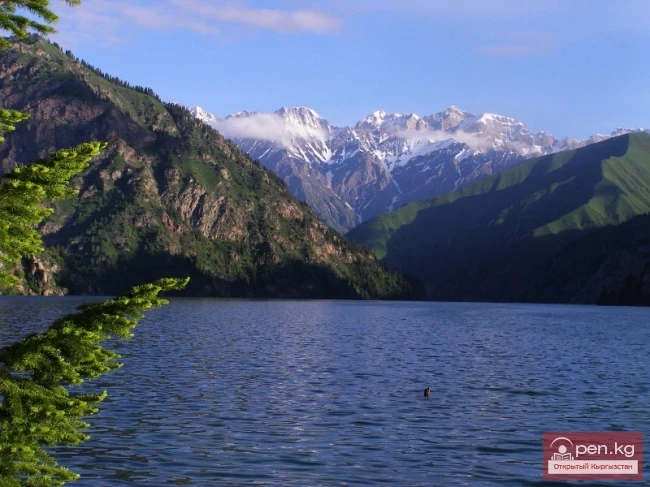
Although the republic has significant water resources, the amount of guaranteed water reserves available for use remains limited and directly affects the development of sectors such as agriculture, energy, and drinking water supply.
Data on water resources in Kyrgyzstan:
— annual river runoff — about 50 billion cubic meters;
— groundwater — 14 billion cubic meters;
— nearly 10,000 glaciers;
— more than 45,000 rivers with a total length of about 168,000 kilometers.
The Deputy Minister of Water Resources, Agriculture, and the Processing Industry and Director of the Water Resources Service, Almaz Zheenaliev, in his speech, talked about reforms aimed at modernizing the water sector. Among them are the adoption of the National Water Strategy until 2040, the National Development Program until 2030, a new version of the Water Code, and a presidential decree on measures for the further development of the agro-industrial complex.
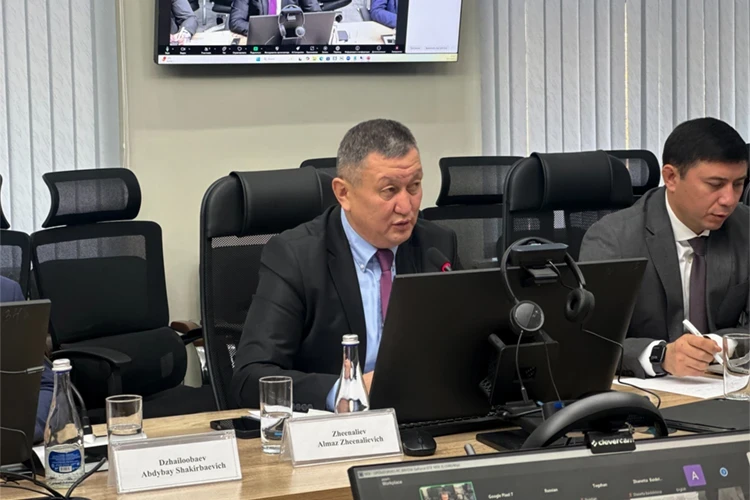
“Kyrgyzstan is actively developing its climate agenda. We are confident that all areas of reform, including the construction of reservoirs, modernization of irrigation systems, digitalization, and the establishment of basin authorities, form a unified strategy aimed at enhancing the country's water security,” noted the official.
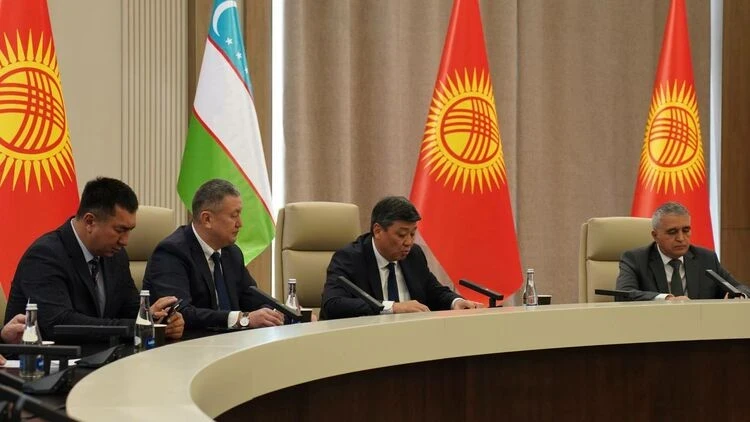
At the round table, it was emphasized that investments should be directed towards the creation and modernization of reservoirs, reconstruction of irrigation systems, implementation of water-saving technologies, digitalization of water resource accounting, development of new monitoring and forecasting systems, as well as the development of infrastructure for climate change adaptation and training of specialists in water management.
In conclusion, the participants of the event noted that the state and international partners adhere to a unified position on issues of water sector development. Joint efforts will enhance the resilience of the economy to climate risks and ensure water and food security in Kyrgyzstan.