Photo from the archive
Irina Grishechkina, Deputy Director of the St. Petersburg Institute of Advanced Urban Planning and one of the authors of the document, presented the results of the analysis of the ecological and infrastructural problems faced by Bishkek.
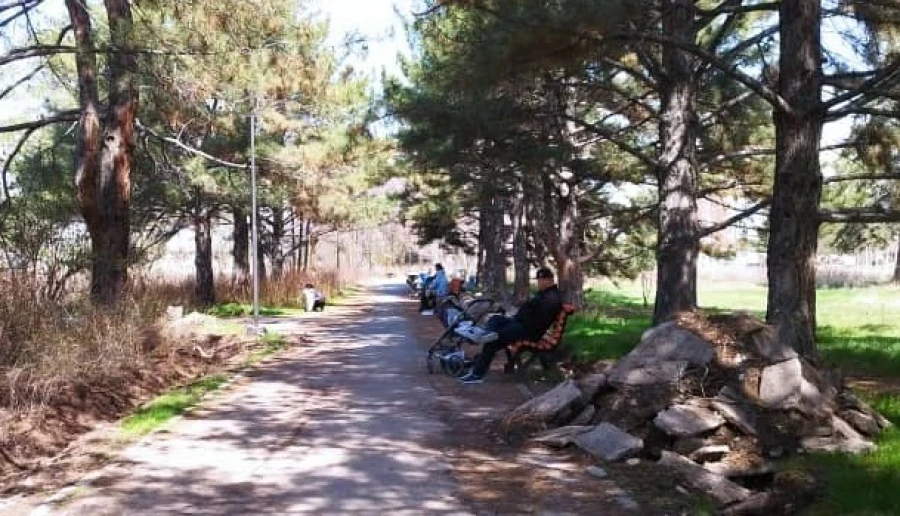
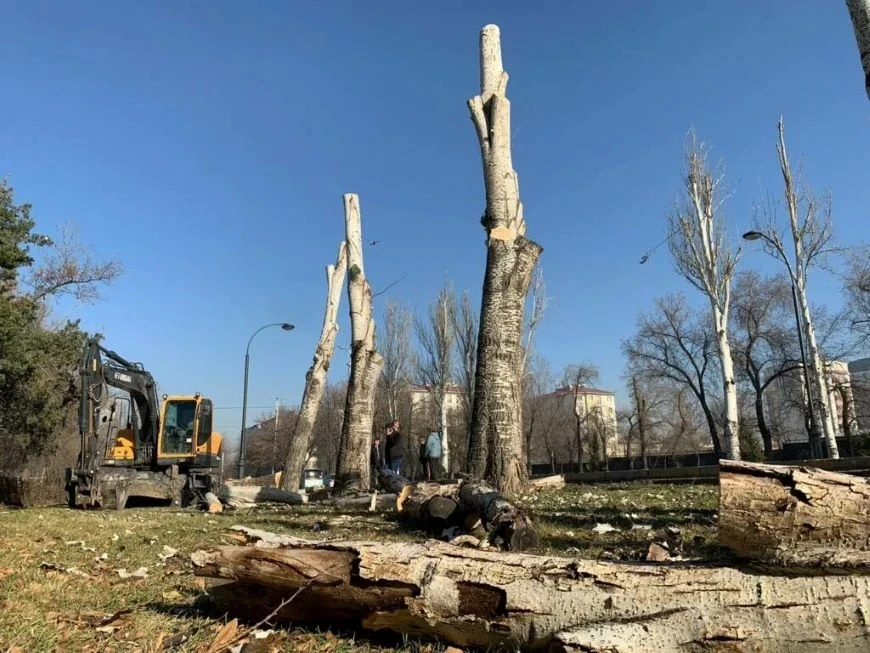
According to her, in recent years, the number of green spaces in the city has decreased by 25 percent, which has deprived Bishkek of the title of the greenest city in Asia due to active housing construction.
Moreover, Grishechkina emphasized that during the winter period, the level of air pollution in Bishkek increases by 3-5 times.
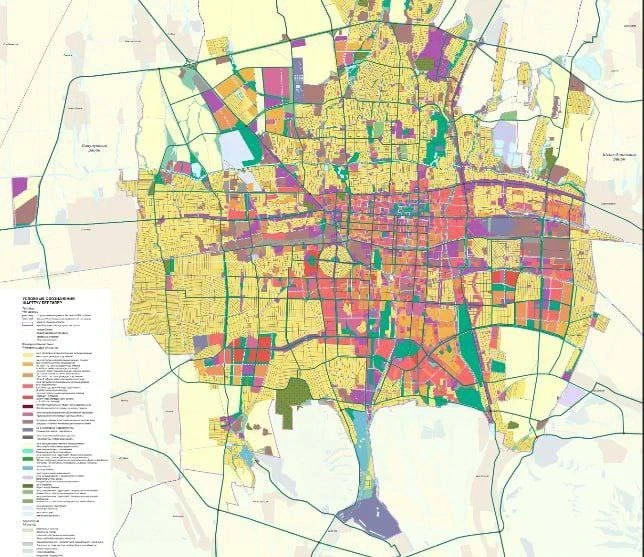
As part of the General Plan-2050, the developers propose a number of measures, including transitioning the private sector, especially in the western part of the city, to gas heating, installing solar panels and heat pumps. It is also recommended to redirect transit traffic to bypass roads and develop public electric transport to reduce traffic jams. Additionally, it is necessary to reconstruct wastewater treatment facilities, strengthen the riverbanks, and clear riverbeds.
However, the implementation of these ambitious plans is complicated by land issues. Approximately 60 percent of the city's territory is occupied by private buildings, which limits the city administration's ability to construct new social facilities.