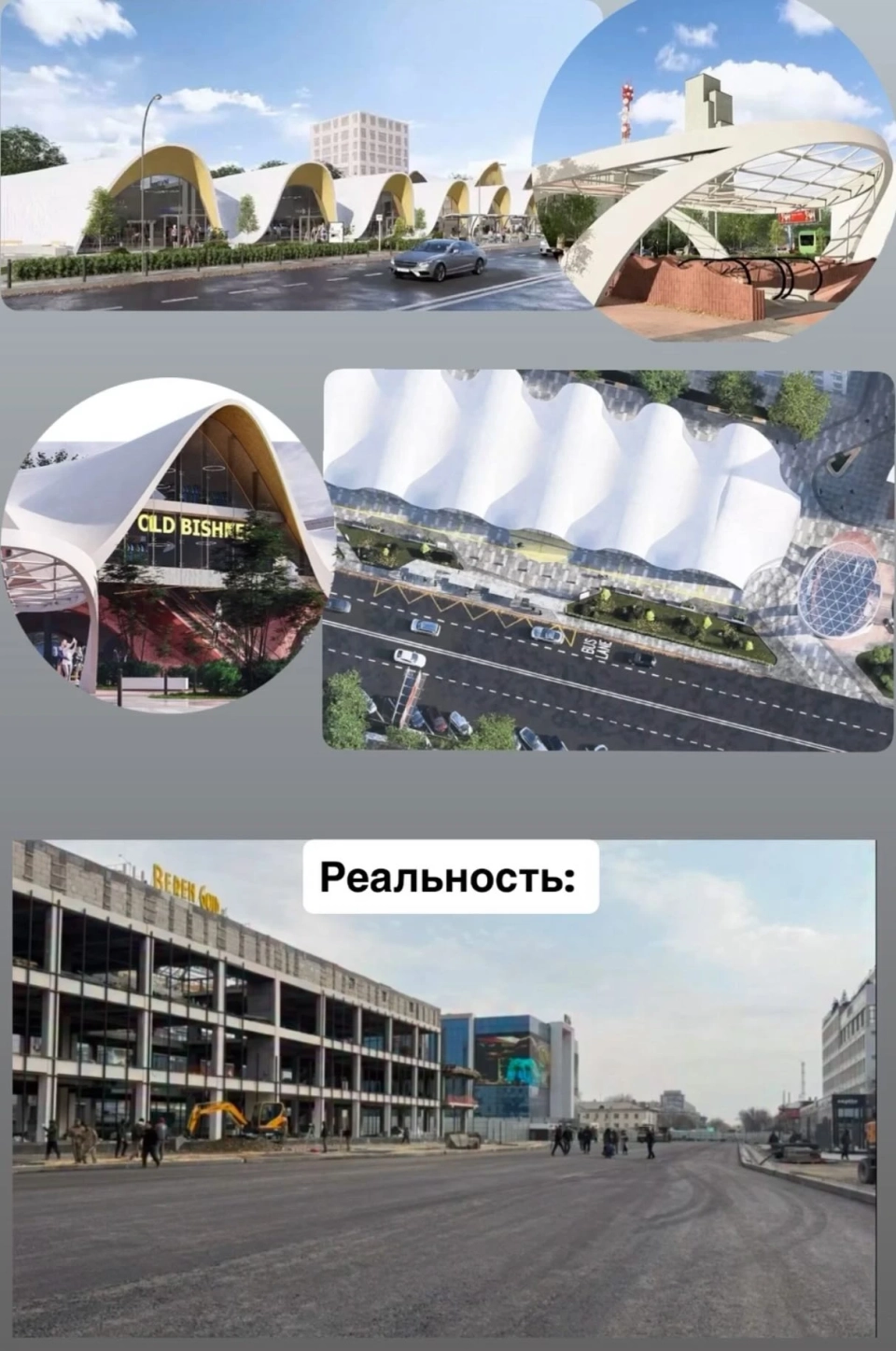
During the presentation of the new General Plan for the development of Bishkek, which covers the period until 2050, experts in urban planning and transport conducted an in-depth analysis of the current situation in the capital. They highlighted the main problems, including chaotic construction, severe air pollution, and traffic congestion.
Experts from St. Petersburg, who participated in the development of the plan, noted that Bishkek, like other post-Soviet cities, has faced the consequences of active investments, which disrupted the balance between public and private interests.
According to Pavel Spirin, project leader and director of the Institute for Prospective Urban Development, "it is necessary to stop haphazard construction and approach the resolution of all issues comprehensively. We propose specific measures to eliminate existing problems."
Loss of green status and historical heritage
Architect Irina Grishechkina emphasized that despite its favorable geographical location and growing population, Bishkek has lost its status as a "green city."
She pointed out important ecological and social issues, including:
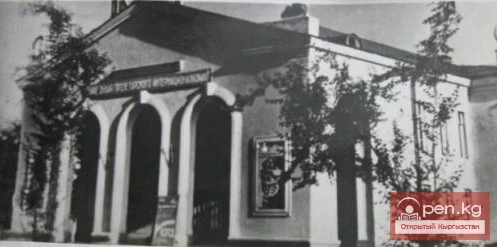
Grishechkina also noted the loss of the historical and cultural heritage of the capital: "Many sites are being removed from the register and losing their value." According to her data, 22 historical buildings, 3 works of art, and 27 architectural monuments have been lost.
"Ensembles associated with green plantings are also disappearing. We need to take a strict approach to the preservation of the remaining historical sites. Private individuals buy small plots and build whatever they want; what comprehensive development can we talk about?" — the expert added.
Proposed measures in the General Plan
- Transition to gas heating, including for the CHPP.
- Development of river and canal systems, as well as greening of urban infrastructure.
- Creating conditions for "thinning out" the central part of the city.
- Construction of multi-story buildings in the southern part of the city.
- Containing agglomeration in accordance with global practices.
Transport problems and solutions
Aleksandr Baranov, head of the "Transport Infrastructure" department at the Institute for Prospective Urban Development, reported that every morning about 100,000 people move around the city, mainly in private cars, which creates a significant load on the center.
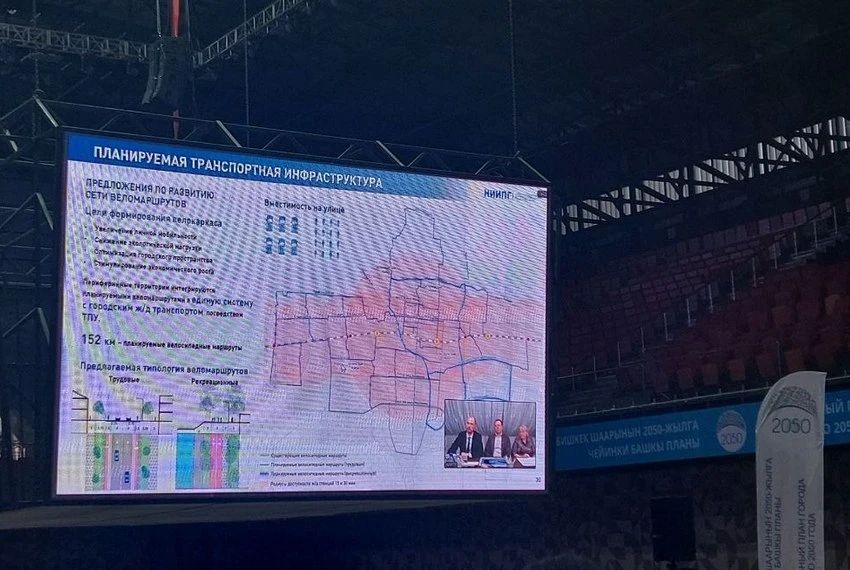
"The problem remains: 87 percent of buses are overcrowded. They leave the outskirts already fully loaded. This is also a task for the General Plan," he noted.
Transport solutions in the General Plan
Experts reached a consensus that the General Plan should serve as a tool to stop haphazard construction and preserve the unique historical and cultural heritage of the capital.