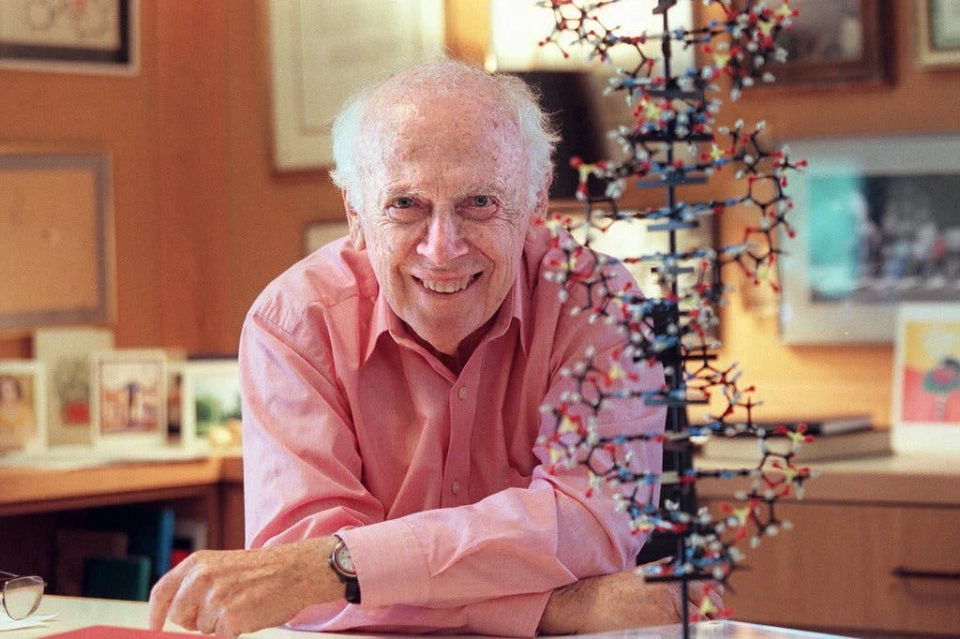
Jeffrey Epstein, known for his tumultuous social life, purchased Little Saint James Island in the Caribbean in 1998, where he hosted lavish parties featuring world-famous celebrities.
At his private events, one could meet not only celebrities but also influential figures: billionaires, politicians, economists, and bankers, as well as representatives of European royal families.
In this article, we will try to understand why the “Epstein files” have become a topic of discussion worldwide, why Donald Trump, the 47th President of the United States, expresses negative feelings towards Epstein, and which Kyrgyz politicians are mentioned in his documents. For details, see 24.kg.
Who is Jeffrey Epstein?
Jeffrey Edward Epstein was born in 1953 into a working-class family on the outskirts of New York City. From 1974 to 1976, he worked as a mathematics and physics teacher at the private Dalton School in Manhattan, educating high school students.
Although Epstein had no formal education in finance, he was noticed by the father of one of his students, who was a prominent banker, which subsequently changed his life.
In 1976, he began his career at the investment bank Bear Stearns as a clerk, where he dealt with options trading and advised wealthy clients on complex financial strategies.
By 1980, Epstein had become a partner at the bank, but soon decided to leave and pursue his own projects.
In 1981, he founded the consulting firm International Assets Group, and in 1988, he established the investment and consulting firm J. Epstein & Co, later renamed The Financial Trust Company, which managed the assets of wealthy clients.
Exact figures regarding his wealth vary. Different sources indicate that by the early 2000s, Epstein owned significant assets, including real estate and a private jet. In 2008, his fortune was estimated at around $500 million, with an income of approximately $10 million per year.
The financial magazine Forbes labeled Epstein a billionaire; however, part of his assets were held offshore, making it difficult to accurately assess his wealth.
Social life, connections, and unlawful activities
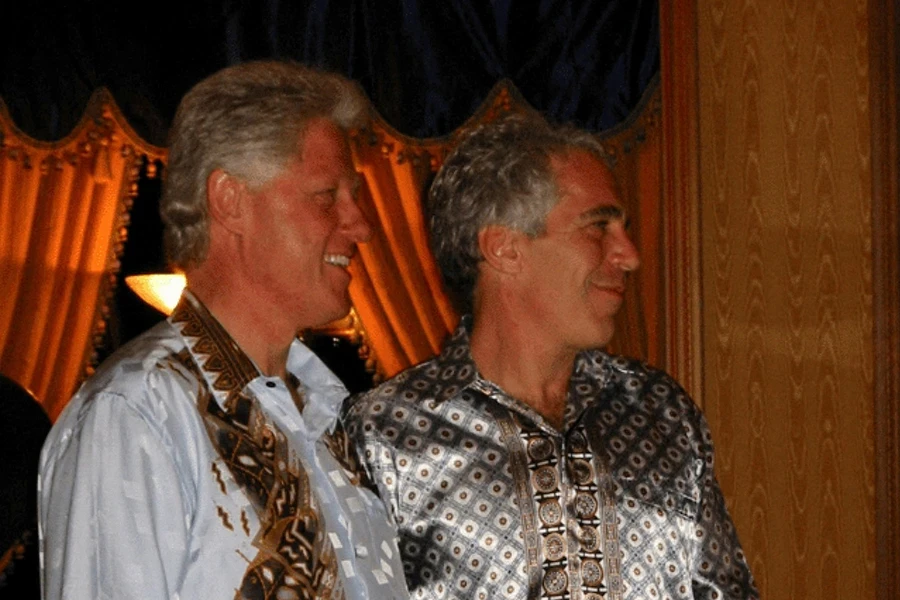
While working on Wall Street and at his firm, Jeffrey Epstein made acquaintances with many influential figures. Among them was former U.S. President Bill Clinton, who accompanied Epstein on a trip to Africa in 2002. The name of Prince Andrew also became known in the context of accusations of sexual contact with Epstein's victims, while Victoria’s Secret owner Leslie Wexner was one of his most notable clients, granting Epstein enormous powers to manage finances.
But Epstein became famous not only as a financier. For many years, he engaged in sexual exploitation and trafficking of minors. He invited girls to his island, where he hosted orgies.
Many victims claimed that he not only used them for his purposes but was effectively a pimp. Epstein organized “entertainment” for his friends and even transported girls from one residence to another on his private jet.
Photo from the internet. Bill Clinton and Jeffrey Epstein
The U.S. Department of Justice first suspected Epstein of corrupting minors in 2005. After lengthy proceedings, in 2008, he pleaded guilty to involving 14-15-year-old girls in prostitution and was arrested, spending about a year in prison.
With the help of his connections to influential people, Epstein struck a deal with the Florida prosecutor's office and effectively avoided serious charges that could have led to decades of imprisonment.
The court allowed him to leave prison for 12 hours a day to “work,” which enabled him to lead an almost normal life.
At the same time, the victims were not notified of such a lenient sentence.
Federal charges of human trafficking, including minors, were brought against Epstein only in July 2019.
According to the official press release, the charges concerned a series of crimes from 2002 to 2005, during which Epstein organized and used minors for sexual purposes both in New York and Florida.
He was arrested again and sent to a Manhattan jail, where on August 10, 2019, at the age of 66, his death was ruled a suicide.
The conflict between Epstein and Trump
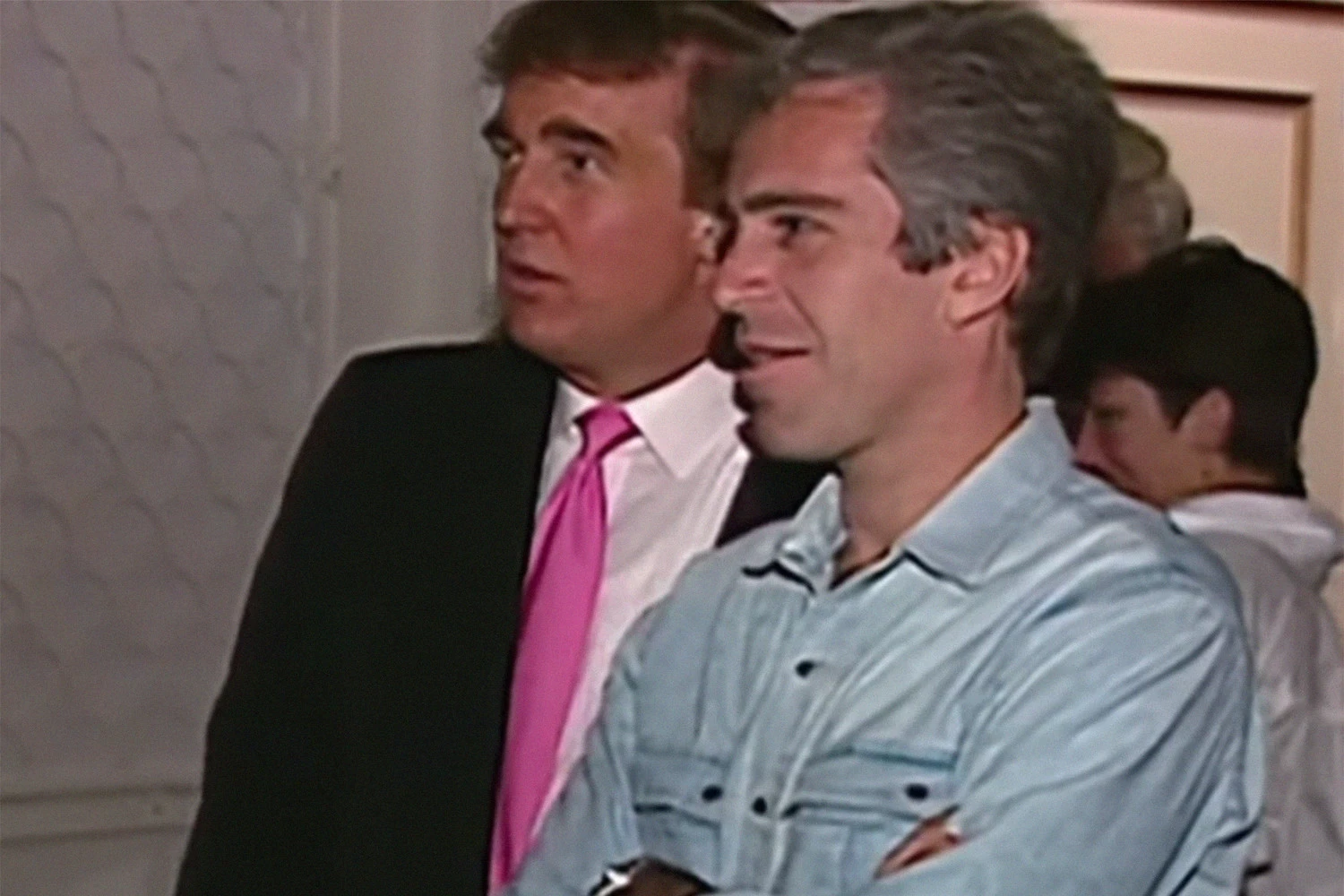
Trump and Epstein met in the 1980s. Journalists from The New York Times found that Trump’s name is mentioned over 38,000 times in materials related to Epstein.
They attended social events together, and Epstein even offered Trump his private jet as “secret transportation.”
As reported by journalists from Meduza, both Trump and Epstein made donations to Bill Clinton’s campaign fund in the early 1990s, and both attended Epstein's parties.
In 2004, according to Trump, their relationship soured because Epstein used his Mar-a-Lago club for “recruiting” girls. There is also a version that business interests were the cause of the conflict.
Read more on the topic
The Epstein case. In Britain, staff refused to work for Andrew — the king's brother
In the “Epstein files,” it is also mentioned that Trump may have had relationships with “Epstein’s girls,” but there is no evidence of his guilt.
After the scandal broke, Trump stated that he had not communicated with Epstein for the last 15 years and that he did not know him better than others, emphasizing that he had never been involved in Epstein's “dirty dealings.”
Thus, the main motives for his resentment were personal conflicts, reputational risks, and a desire to distance himself from the scandal.
Celebrities and billionaires
The “Epstein files” contain over a thousand mentions of Norway's Crown Princess Mette-Marit. The documents include extensive correspondence between her and Epstein from 2011 to 2014.
The princess described Epstein as “charming” and “kind-hearted,” but in her correspondence, she admitted that upon learning of his reputation, she began to doubt her views.
Mette-Marit stated that she was ashamed of her association with Epstein and that she made a mistake in her assessments.
The fact of her communication with Epstein caused a serious resonance in Norway.
There is also a connection between Epstein and Prince Andrew, who had previously faced accusations of corruption and sexual harassment. This led to the prince losing public duties and titles.
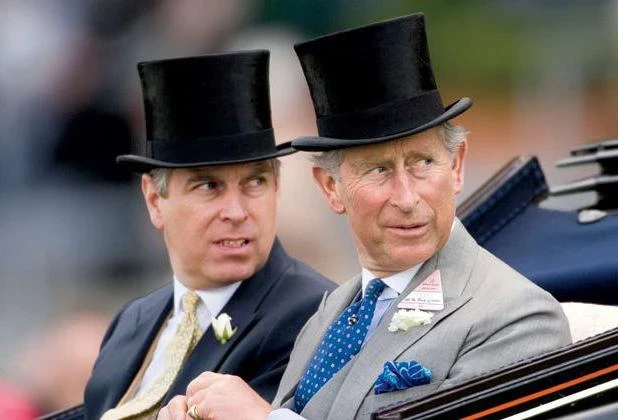
There is no direct evidence of Epstein's friendship with billionaires like Jeff Bezos, Mark Zuckerberg, and Larry Page, although they occasionally appeared at his events.
Read more on the topic
Unprecedented case in Britain: King Charles III stripped Prince Andrew of his title
Bill Gates also maintained communication with Epstein even after the first case against him in 2009. Rumors surfaced that this could have been the reason for Gates' divorce from his wife. In Epstein's materials, there is a letter in which he mentions Gates' help in treating venereal diseases. Gates denied this and expressed regret over his contacts with Epstein.
Elon Musk has repeatedly claimed that he did not accept Epstein's invitations, although there is a letter from 2012 in the “files” in which he expresses a desire to attend Epstein's “party of the century.”
Russian oligarchs also in the mix
Russian media report mentions of dozens of cities in the country in the published documents.
According to RBC, the materials include the names of Russian businessmen such as Vladislav Doronin and Umar Dzhabrailov.
In both cases, information about Epstein's visits to Russia and his business connections is mentioned.
According to ABC News, Epstein visited Russia several times, including trips to Moscow in the 2000s, including in the company of Bill Clinton. He may have also visited Russia during the 2018 World Cup.
The international source Reuters mentions that the documents reference Russian women and their connections with Epstein, particularly how he introduced Western celebrities to models from Samara and St. Petersburg.
There is also mention of a case where Epstein organized a meeting between Prince Andrew and a 26-year-old Russian woman.
However, as Meduza clarifies, the most attention was drawn to Epstein's correspondence with Maria Drozkova, a former activist of the pro-Kremlin youth movement “Nashi.” Their correspondence began in 2017 when Drozkova moved to the U.S., and she offered him a plan to improve his reputation.
In June 2019, a few weeks before Epstein's arrest, Drozkova shared her photos with him, and he asked her to send “nudes.”
Kyrgyzstan also in the spotlight
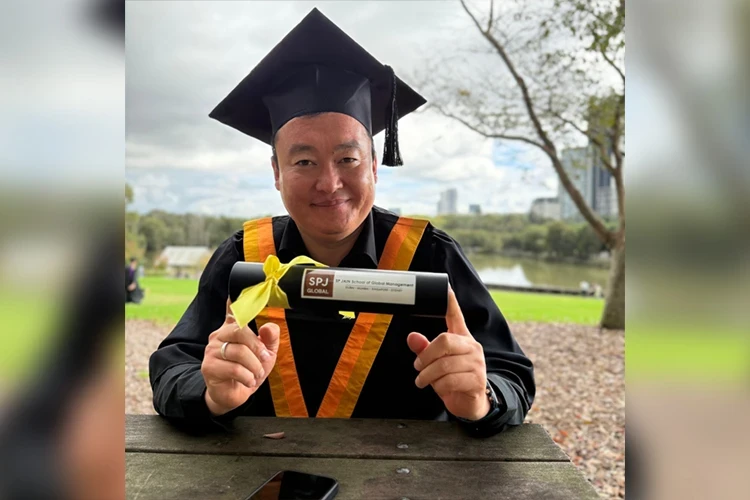
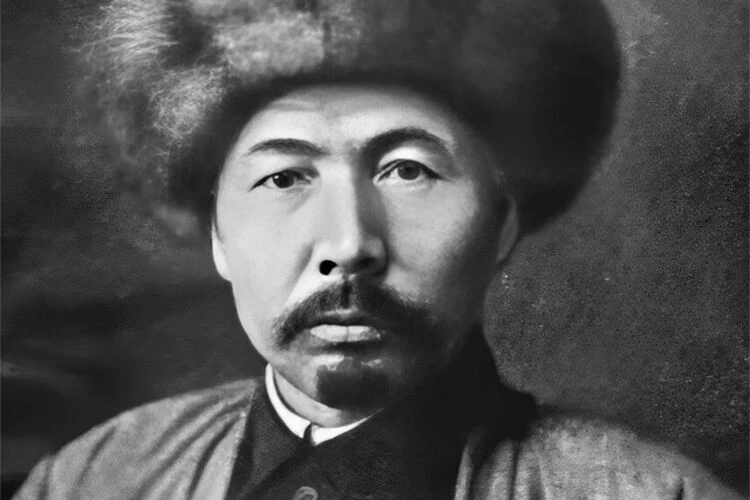
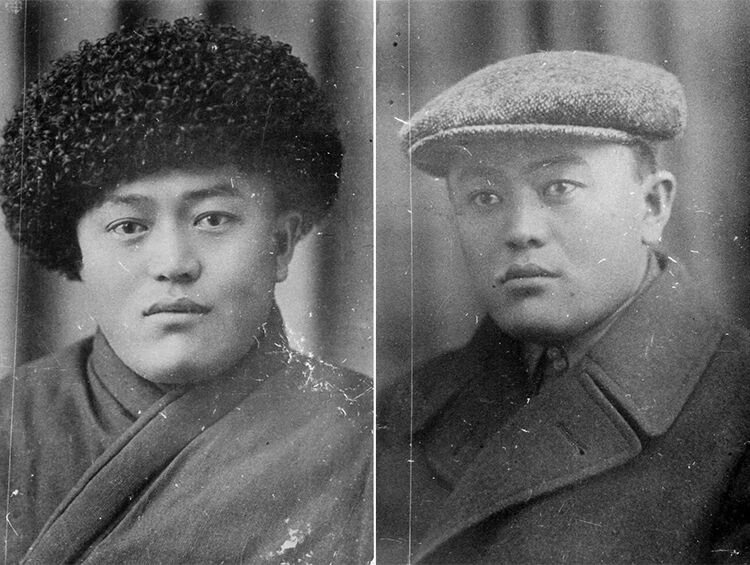
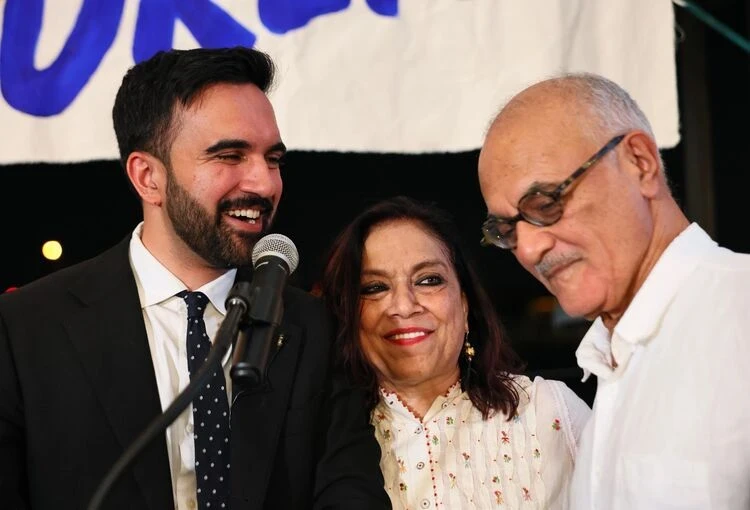
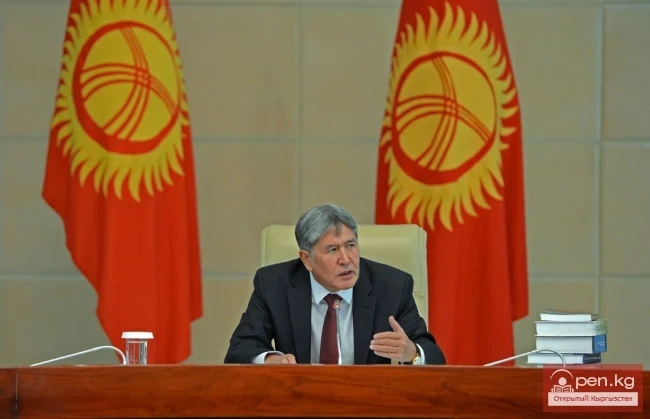
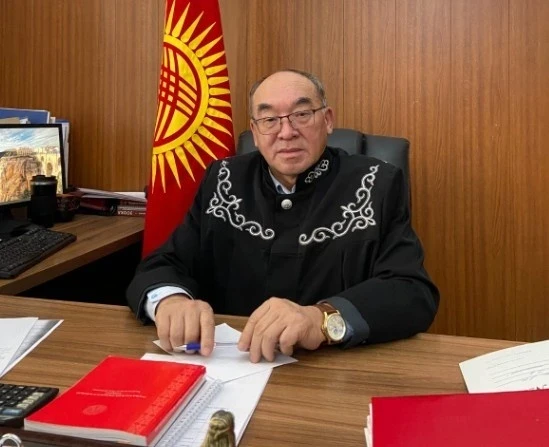
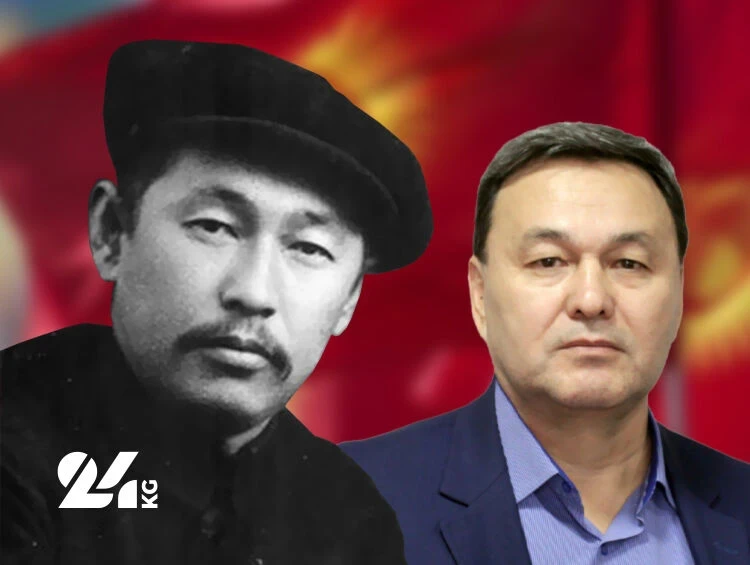
The “Epstein files” contain mentions of Kyrgyzstan and its politicians, such as the currently exiled Omurbek Tekebayev in Germany, former president Almazbek Atambayev, Deputy Prime Minister Edil Baisalov, and former head of the SDPK parliamentary faction Baktybek Beshimov.
The documents contain information about events in 2010 and 2017. For example, it is mentioned that Tekebayev was involved in rallies in Bishkek in support of his release in February-March 2017 when he was detained upon arrival from Vienna. The documents also speak of “ongoing protests” that could lead to political instability, mentioning elections scheduled for November 19, although the actual election date was October 15, 2017.
Regarding Beshimov and Baisalov, the documents only mention that Beshimov became the head of the diplomatic mission of the interim government in Washington, as well as other personnel changes.
Further clarifications about confidential correspondence are blocked from access.
There is also an indirect mention of the withdrawal of the “Manas” transit center from Kyrgyzstan in 2014.
Risks and consequences: public resonance
The story of Jeffrey Epstein is not just a scandal among the elites of the U.S.; it is a vivid example of how power, money, and connections can ensure impunity for those who shape the political and economic agenda on a global scale. For Kyrgyzstan, this case proves to be more relevant than it may seem at first glance.
In countries with unstable political systems, the operation of double standards is particularly evident. While ordinary citizens bear responsibility for the slightest offenses, elite representatives, both nationally and internationally, evade punishment for years.
The Epstein case underscores that the principle of impunity operates everywhere, both in Washington and London, as well as in post-Soviet countries.
It is particularly noteworthy that many individuals involved in this story have long positioned themselves as defenders of “democratic values,” fighters for human rights and the rule of law. Today, these same values serve as a cover for their dubious connections and attempts to evade responsibility. For Kyrgyz society, which has repeatedly faced the hypocrisy of its elites, such a situation seems painfully familiar.
It is important to note that the Epstein case undermines trust not only in specific political figures but also in the institutions of power as a whole. When investigations drag on and the guilty evade punishment, society raises a legitimate question: “For whom, actually, does the law exist?”
In Kyrgyzstan, where the need for justice often leads to political crises, this question resonates particularly sharply.
The scandal surrounding Epstein may become a catalyst for a global anti-elite movement aimed at combating closed circles of power and political irresponsibility. For our country, it signals not only problems abroad but also internal risks: if society stops believing in equality before the law, protest becomes inevitable, and political stability becomes illusory.
The Epstein case serves as a warning about power and what happens in a system where elites live by one set of rules while ordinary citizens live by another.