A recent report from the World Meteorological Organization (WMO) indicates the onset of unprecedented instability in the global climate. The study revealed record levels of greenhouse gas concentrations, ongoing ocean warming, and rapid glacier retreat.
The period from 2015 to 2025 has become the warmest in recorded history, and preliminary data suggests that 2025 is among the three hottest years. The average temperature on the planet exceeds pre-industrial levels by 1.43 degrees Celsius.
Central Asia has been identified as one of the regions most vulnerable to climate change.
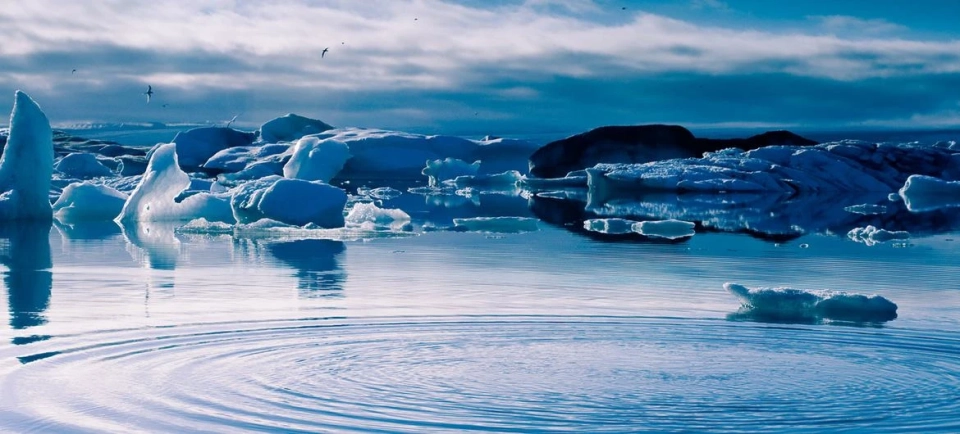
The increasing melting of mountain glaciers, which are crucial for the water supply of countries like Kyrgyzstan, raises serious concerns. There is also an observed increase in the frequency of extreme weather events — droughts, floods, and mudflows.
The report emphasizes that in Central Asia, the impacts of global warming are manifesting more rapidly than the global average, which is linked to the mountainous terrain and dependence on glacial waters.
WMO experts warn that ongoing warming could exacerbate issues related to water resources, agriculture, and energy in the countries of the region.