Kyrgyzstan — Our Common Home: Interethnic Relations
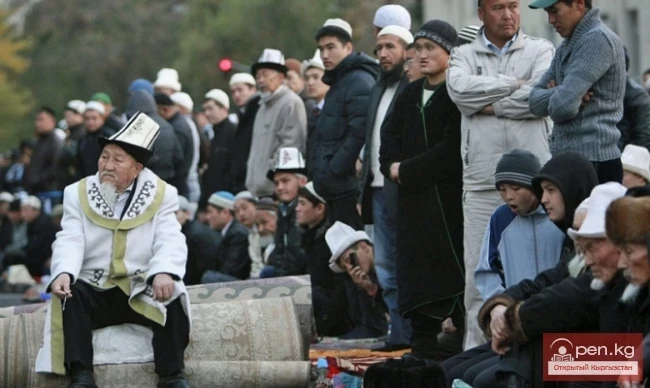
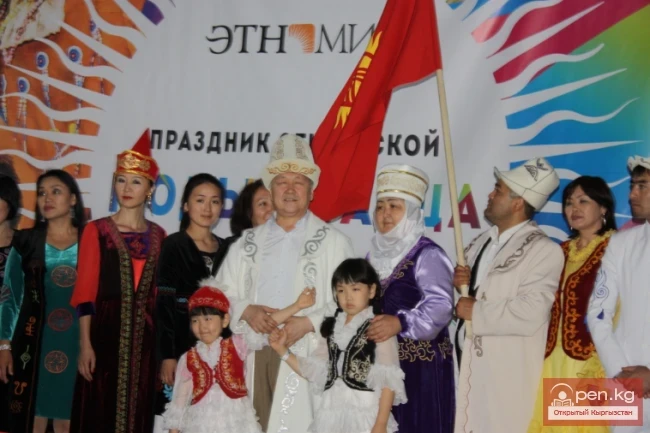
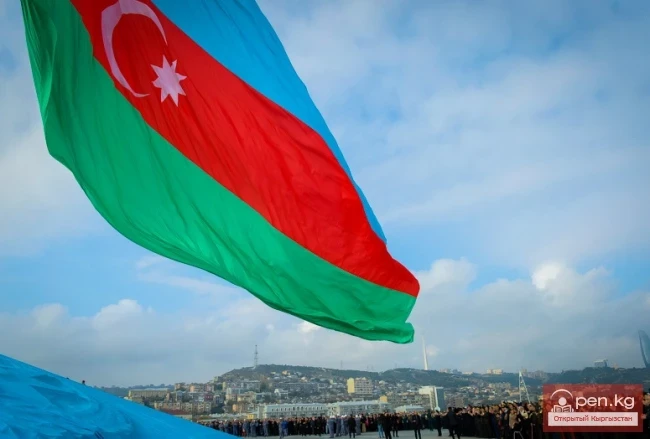
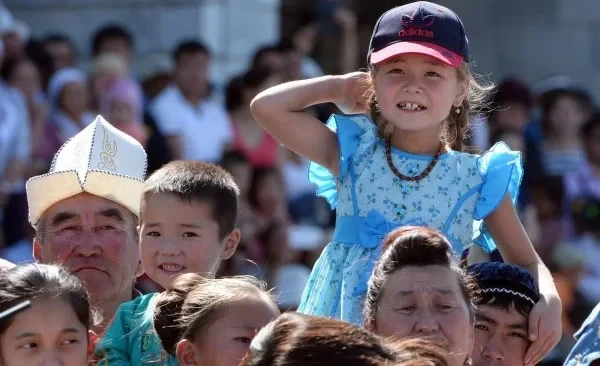
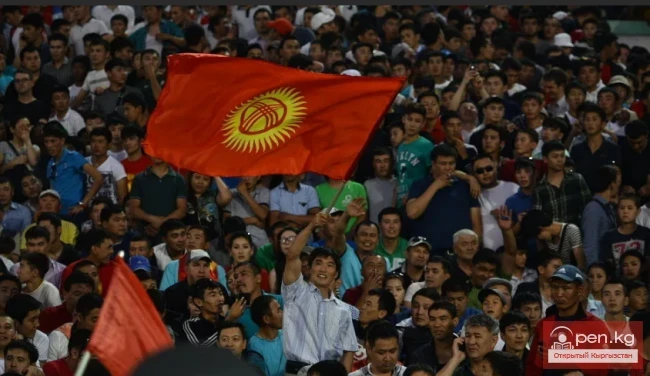
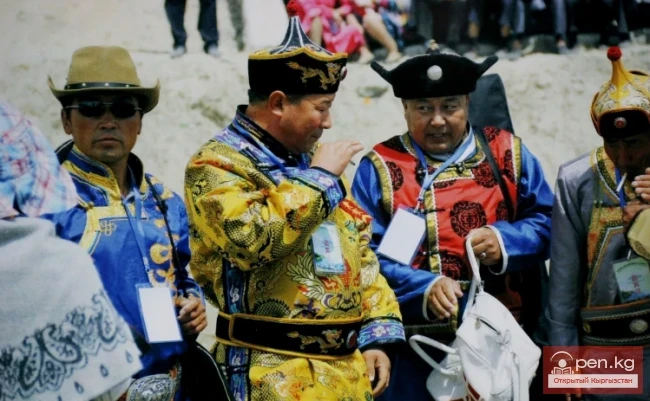
Kyrgyzstan — the homeland of a multinational people. The population of Kyrgyzstan is 5,776,570 people (January 2014). The main population of the country is 4,193,850 people or 72.6% — Kyrgyz. Kyrgyz people live throughout the country and dominate in most rural areas. The second largest group is Uzbeks — 836,065 people, who make up 14.5% of the population and are concentrated in the southwestern part of the country in border areas with Uzbekistan. Russians — 369,939 people, make up 6.4%, primarily concentrated in cities and villages in the northern part of the republic. Dungans — 64,565, Uyghurs — 52,456, Tajiks — 50,174, Turks — 40,953, Kazakhs — 33,701, Tatars — 28,059, Azerbaijanis — 18,946, Koreans — 16,807, Ukrainians — 14,485, Germans — 8,563. In addition, Kyrgyz land has historically and fatefully become a homeland for Jews, Chechens, Karachays, Ingush, Balkars, Kurds, Greeks, and representatives of many other peoples.
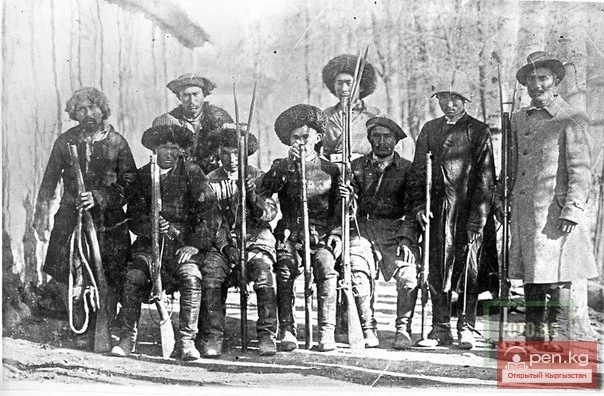
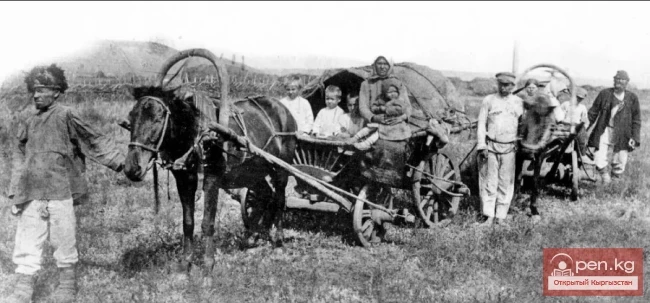
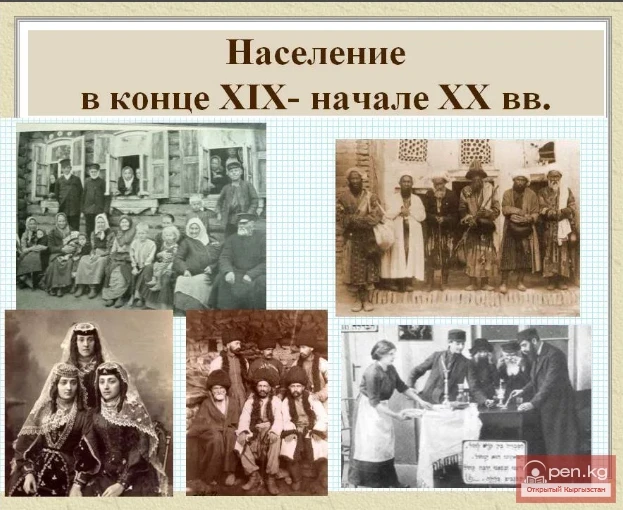
In the first half of the 19th century, alongside the Kyrgyz, only a small number of Uzbeks, Tajiks, and Kazakhs lived in Kyrgyzstan. In the second half of the century, representatives of Slavic peoples arrived from Russia: Russians, Ukrainians, Belarusians. Germans also migrated here. Dungans and Uyghurs found refuge here after they revolted against Chinese feudal lords but were defeated and fled to escape retribution.
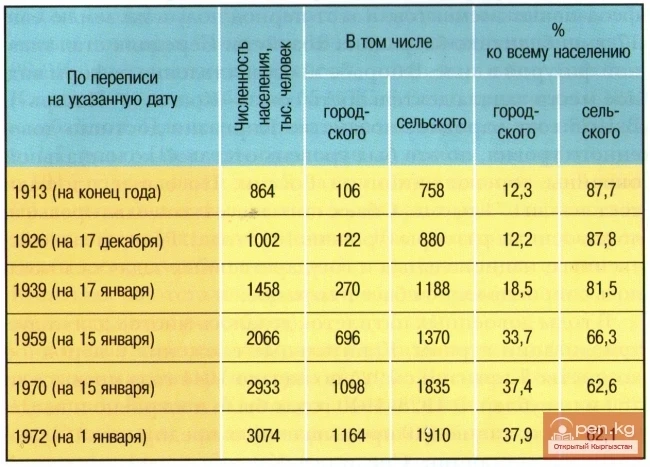
During the Soviet era, the number of settlers increased. In the 1920s and 1930s, Koreans were forcibly relocated here from the Soviet Far East. During the Great Patriotic War, trains carrying Chechens, Ingush, Karachays, Balkars, and Crimean Tatars came from the North Caucasus. In the 1960s and 1970s, workers from Russia came to develop the industry, many of whom remained here permanently, settling in the new place. After the war, a large number of Dungans and Uyghurs were resettled from China again. Thus, over the past 100 years, the national composition of the population of Kyrgyzstan has changed significantly.
Today, representatives of more than 80 nationalities live in the republic. Article 15 of the Constitution of the republic, adopted in 1993, states: “Everyone in the Kyrgyz Republic is equal before the law and the court. No one may be subjected to any discrimination, infringement of rights and freedoms on the grounds of origin, gender, race, nationality, language, religion, political and religious beliefs.”
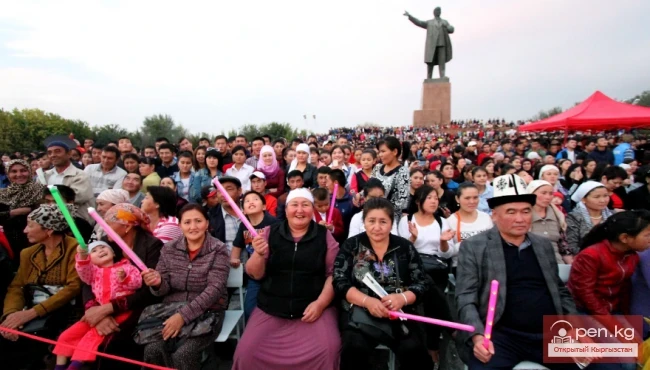
Sharing joy and sorrow equally. The state cares about creating equal living conditions for all peoples, developing their native languages, national culture, and access to education, because history has shown that division and oppression of peoples based on national characteristics, severing strong ties and long-standing connections brings nothing but suffering. Only the unity and harmony of the peoples living in the republic can serve as the foundation for success in constructive endeavors. That is why the first President A. Akayev formulated the main idea of state policy in Kyrgyzstan regarding interethnic relations in such simple and universally understandable words: “Kyrgyzstan — our common home.”
The transition to new market relations, accompanied by the privatization of factories and enterprises, left many without work and led to an increase in unemployment and the spread of poverty. In such conditions, representatives of some nationalities were forced to leave the republic. In particular, since the early 1990s, thousands of citizens of Russian, Ukrainian, and German nationalities have moved to their historical homelands.
Those who remain share the burdens that have fallen upon them with Kyrgyz and other peoples and contribute to the rise of the republic's economy, believing that the future is with them. An independent Kyrgyzstan today is unimaginable without the hardworking and skilled farmers — Dungans, Uzbeks, Koreans, Tajiks. The development of the country's economy has also been significantly aided by Russians, Germans, and Ukrainians with their responsibility and accuracy in work, knowledge of the intricacies of technology and construction methods.
All the peoples of Kyrgyzstan actively participate in the socio-political life of the country — they participate in presidential elections, in the parliament - Jogorku Kenesh and other elected bodies, and make proposals and remarks during nationwide discussions of significant issues for the republic (referendums).
The Assembly of Peoples of Kyrgyzstan. The Assembly of Peoples of Kyrgyzstan, established in January 1994 at the first Kurultai of the peoples of the republic, plays a significant role in addressing issues related to the national interests of the peoples of Kyrgyzstan. At this forum, the charter and program of the Assembly were also adopted. The Assembly tirelessly works for civil peace, unity, and harmony among the peoples. Its activities are supported by the president and government of the country.
House of Friendship. In the very center of Bishkek, in the old building of the House of Government, is the House of Friendship. In this building once worked the first leaders of the republic, such outstanding figures as Abdykadir Orozbekov, Bayaly Isakiev, Torokul Aitmatov, who laid the foundations of the Kyrgyz state. Later, it housed the Historical Museum.
Various national cultural centers operate in the House of Friendship. About 30 such centers are registered in the republic. Each of them has separate premises where products, paintings, and exhibits reflecting the development of culture, customs, and everyday life of that people are displayed, and various events related to vital issues, national traditions, and meetings with compatriots living abroad are held. The House of Friendship embodies a true atmosphere of mutual understanding and friendship among the peoples inhabiting Kyrgyzstan.
Read also:
The Population of Kyrgyzstan in the Soviet Period (1917-1991)
Population of Kyrgyzstan from 1917 to 1970...
Tokmok
Tokmok (Kyrgyz: Токмок) is a city in Kyrgyzstan, the administrative center of the Chuy Region. It...
City of Nookat
The city of Nookat is located in Kyrgyzstan and is the center of the eponymous district of the Osh...
Population of the Kirghiz SSR from 1959 to 1991
Census of the Kyrgyz SSR in 1959 - 1970 - 1979 - 1989. According to the 1959 census, the...
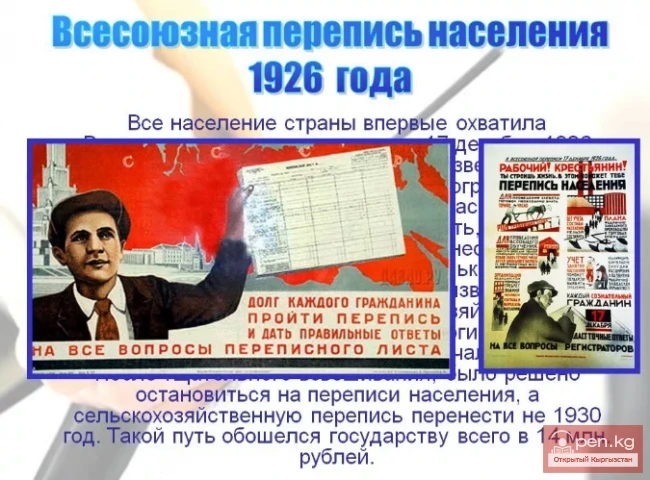
All-Union Population Census of 1926 and 1939 in the Kirghiz ASSR
Population in the Kirghiz ASSR from 1926 to 1939 The period from 1926 to 1936 was characterized by...
The Population of Kyrgyzstan in the 18th - Early 20th Century
Historical information about the size of the multi-ethnic population of the Fergana Valley during...
Population of Kyrgyzstan After the Collapse of the Soviet Union
Population of Kyrgyzstan since the beginning of independence After the collapse of the Soviet...
Population of Kyrgyzstan as of January 1, 2013
Population of Kyrgyzstan Thanks to the fundamental changes that occurred in Kyrgyzstan after the...
The title translates to "The Village of Uch-Korgon."
Uch-Korgon – a large village (kishlak) in the northeast of the Batken region. The word...
Osh - "Southern Capital" of Kyrgyzstan
Osh - "The Southern Capital" of Kyrgyzstan. The city of Osh is the administrative center...
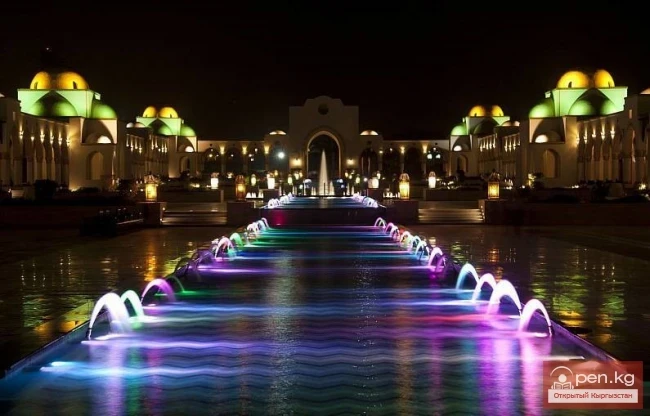
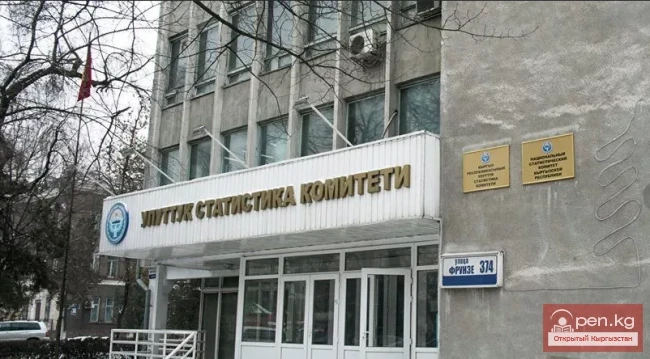
Reported by the National Statistical Committee
National Statistical Committee: Female Population Predominates in Cities of Kyrgyzstan, While Male...
Kyrgyz Diaspora in the Territory of Uzbekistan
Kyrgyz in Uzbekistan Beyond Kyrgyzstan, Kyrgyz people have long lived in China and Uzbekistan,...
Kyrgyz Diaspora in the Territory of Tajikistan
Kyrgyz of Tajikistan The Kyrgyz of Tajikistan are mainly settled in Pamir - in the Murghab...
Population of Kyrgyzstan in 1991 - 2005
Over the years of independence, the processes of social development in the country have...
Batken
Batken is a city in Kyrgyzstan, the administrative center of Batken Region and District. The...
The title translates to "The Village of Bazar-Korgon."
BAZARKORGON AND BAZARKORGON DISTRICT Bazarkorgon (Kyrgyz: Базар-Коргон) is a village in the...
Osh. Population
Growth of the Population of Osh “Although the colonial path of development that Central Asia took...
Migration Situation in the Kyrgyz Republic from 1991 to 2005
According to various estimates, between 500,000 and 800,000 people have left Kyrgyzstan since...
Ethnic History of the Southern Kyrgyz Tribes
The territory of the Osh region occupies the southwestern part of Kyrgyzstan. Its area is 75.5...
Four Types of Houses Being Built in Southern Kyrgyzstan
The Influence of Other Peoples on the Craftsmanship of Kyrgyz The builders of Kyrgyz houses in the...
Azerbaijan (Republic of Azerbaijan)
A state in the southeastern part of the South Caucasus. The territory is 86.6 thousand km²,...
City of Kara-Suu
The city of Kara-Suu serves as the administrative center of the district of the same name. It was...
Kyrgyz Republic
KYRGYZSTAN. Kyrgyz Republic A country in the northeast of Central Asia. Located within the...
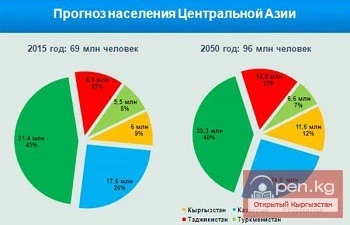
By 2050, Central Asia will have a population of 96 million people.
By 2050, the population of Central Asia will reach 96 million people. This represents an increase...
Journey to the Kyrgyz Living Abroad
The Kyrgyz are one of the oldest peoples who lived in Central Asia and roamed the vast expanses of...
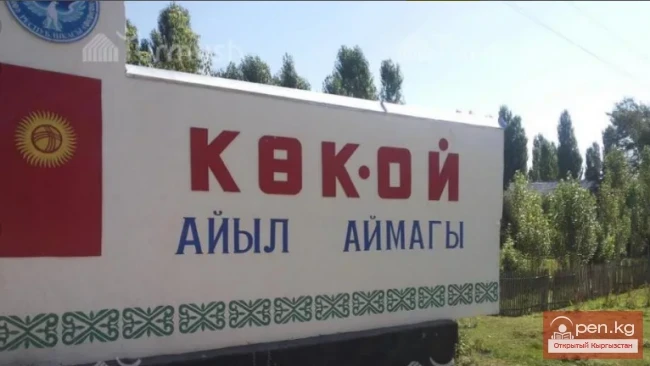
The title "Село Кок-Ой" translates to "The Village of Kok-Oy" in English.
Kok-Oy is a village in the Talas District of the Talas Region of Kyrgyzstan. It is the...
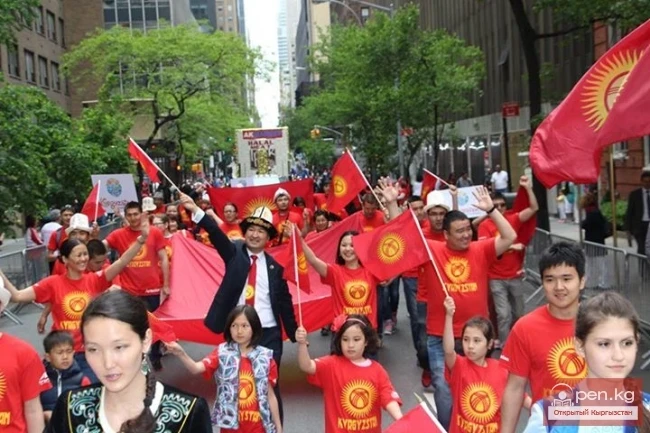
Fresh data on the population of Kyrgyzstan has been published
As of September 1, 2025, the permanent population of the Kyrgyz Republic reached 7 million 361...
Population Forecast of Kyrgyzstan for the Years (2020-2100)
Population of Kyrgyzstan in 2019 In 2019, the population of Kyrgyzstan will increase by 104,931...
Kara-Kul
Kara-Kul is a city in the Jalal-Abad region of Kyrgyzstan. According to the 2009 census of...
Interesting Facts About the Earth's Population
The Earth's Population This is the total number of people living on our planet. As of today,...
The Resettlement Movement of Russian Peasantry to Kyrgyz Lands
Population After 1861, the demographic picture of the region changed as a result of the migration...
The Territory of the Kyrgyz in the USSR (1917-1991)
Administrative-territorial division of the Kyrgyz SSR as of January 1, 1972....
The Population of Kyrgyz in 1897 and 1916
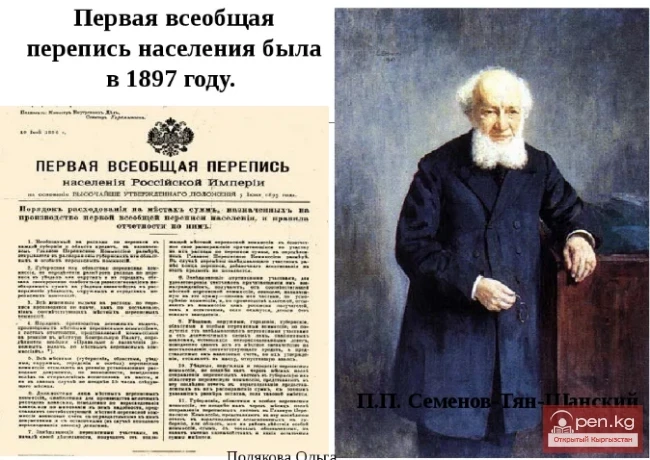
The First General Census of the Population of the Russian Empire 1897 At the time of the First...
Batken Region
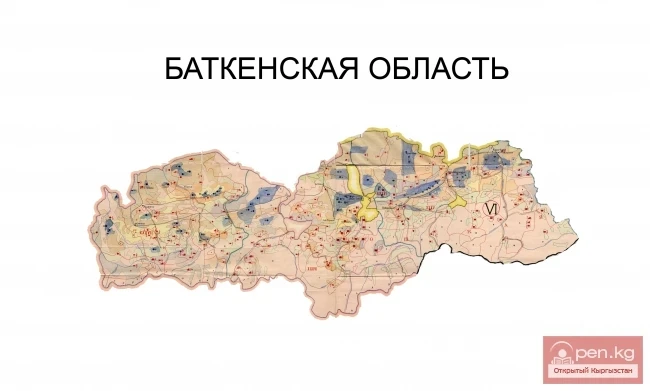
The Batken Region was established on October 12, 1999, from the Osh Region. It includes the...
Kyrgyzstan Halved Trade with Uzbekistan
According to data from the Customs Service of Kyrgyzstan, in the first 7 months of 2015, the...
The Village of Pokrovka
Village Pokrovka is the administrative center of the Manas District in the Talas Region of...
Guam
GUAM A U.S. territory in the western part of the Pacific Ocean on the island of the same name in...
The title translates to "The Village of Ala-Buka."
Ala-Buka Village Ala-Buka Village is the administrative center in the west of Kyrgyzstan, located...
City of Shopokov
The city of Shopokov is located at the northern slope of the Kyrgyz Range at an altitude of 740...
Atambayev: "We have reached 6 million, and the population growth of Kyrgyzstan reflects people's confidence in the future of their country."
President of the Kyrgyz Republic Almazbek Atambaev met today, November 26, with the Prime Minister...
Republic of Tajikistan
TAJIKISTAN. Republic of Tajikistan A state in the southeast of Central Asia. Area - 142.1 thousand...
The population of Kyrgyzstan is growing rapidly.
Kyrgyzstan is experiencing a rapid increase in population. This was stated by specialists from the...
Kyrgyz Diaspora in China
Kyrgyz in China The Kyrgyz in the People's Republic of China are mainly settled in the...
Natural Regions and Occupations of the Population of Kyrgyzstan
The Population of Kyrgyzstan in the 19th - Early 20th Century Most of the country's territory...
National Liberation Struggle of the Kyrgyz
Andijan Uprising. The main reasons for the uprising were unbearable living conditions and the...
In a United Family!
The end of the year is a time for summarizing results and holding various festivals. The day...
Osh Region
The Osh Region was established on November 21, 1939, replacing the former district. After numerous...
Kyrgyzstan on the Eve of the Great Patriotic War
Kyrgyzstan on the Eve of the Great Patriotic War Alongside the expansion of the industrial base,...