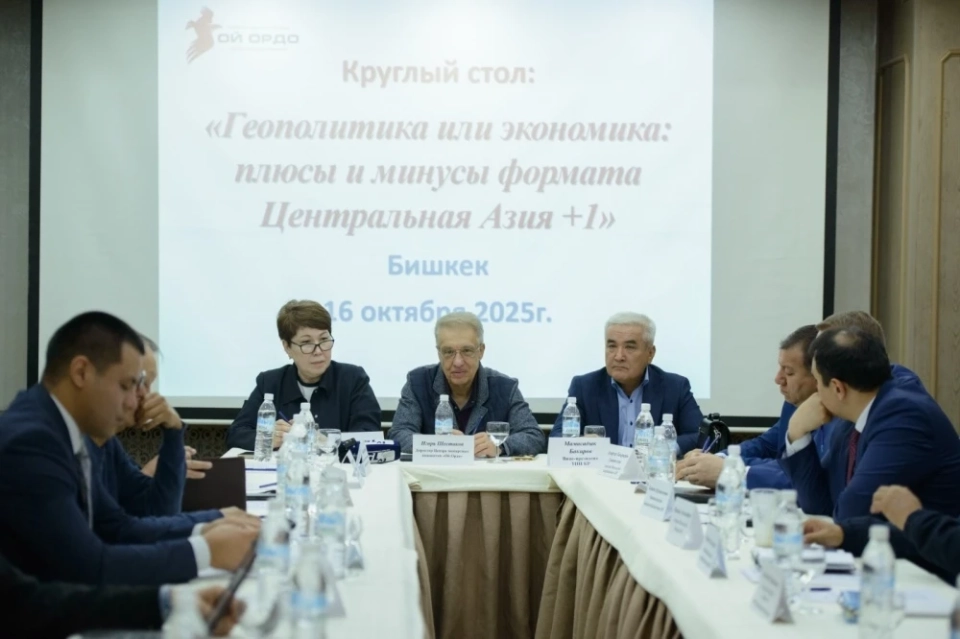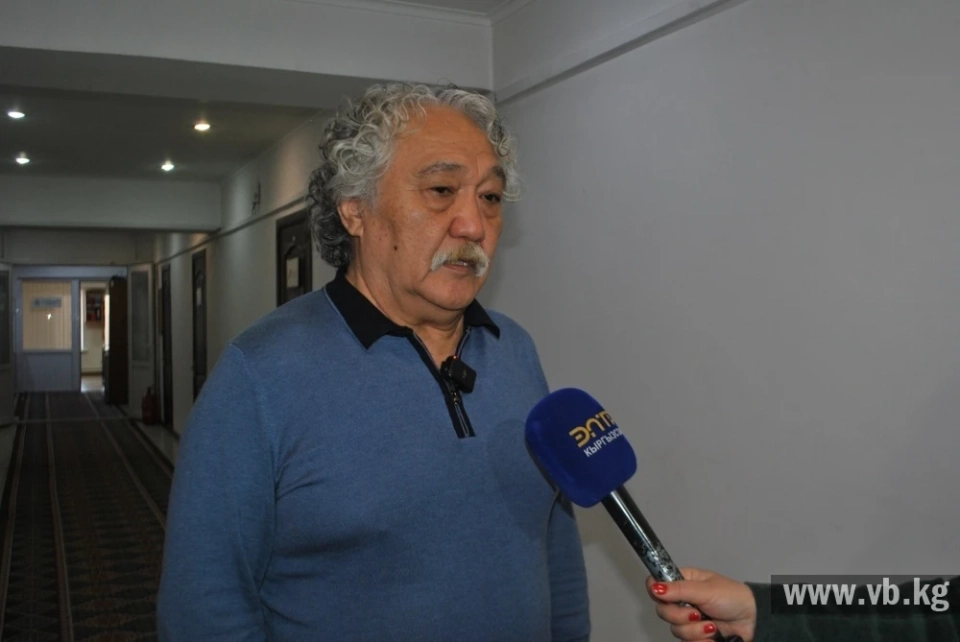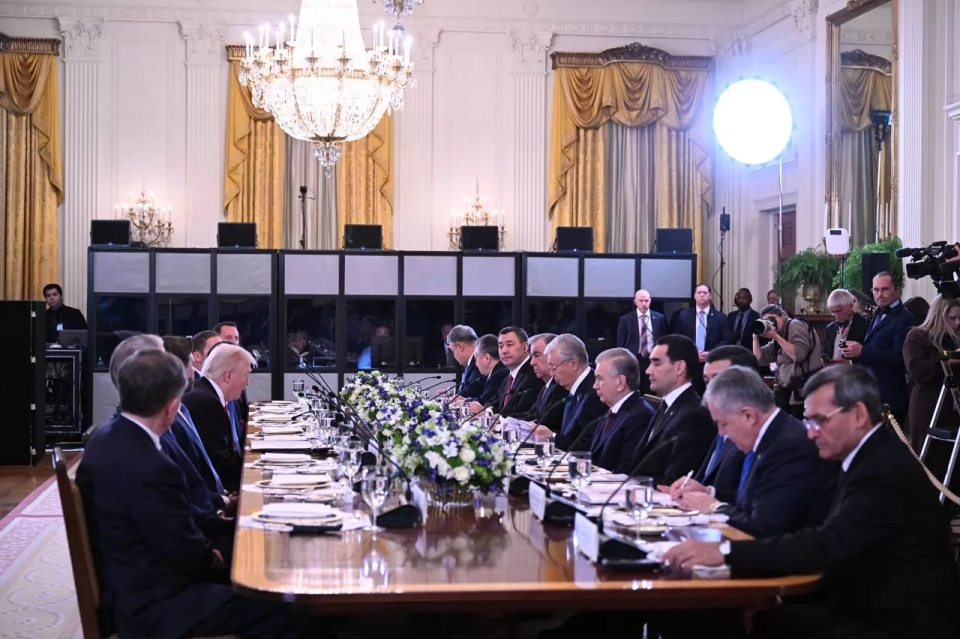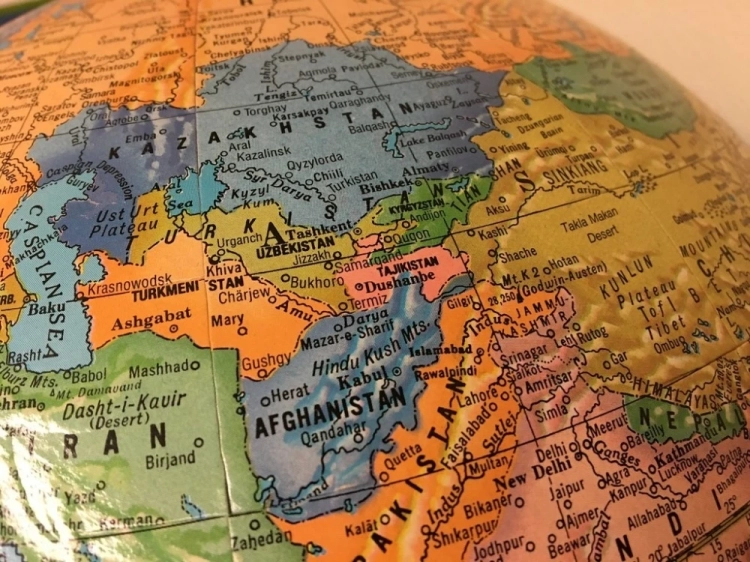
It should be noted that the term "Central Asia," applied to the five former Soviet republics, is somewhat limited. Historically, this region also includes Afghanistan, parts of Pakistan, Iran, India, China, the Altai Krai of Russia, and Mongolia. According to military expert Nurlan Dosaliev, the concept of "Central Asia" was artificially introduced into circulation by American geopoliticians in the early 1990s, with the aim of creating a zone of instability along Russia's borders amid the confrontation with the West. From this, three conclusions can be drawn: first, it would be more accurate to use the term "Middle Asia." Second, the importance of mutual security commitments between the republics and Russia is increasing. And third, the West is not interested in the development and prosperity of Middle Asia.
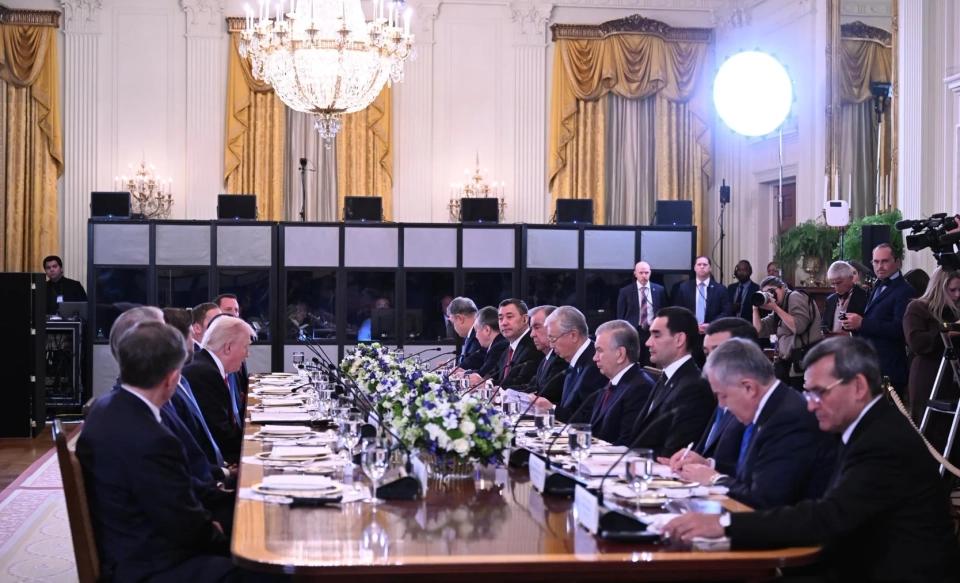
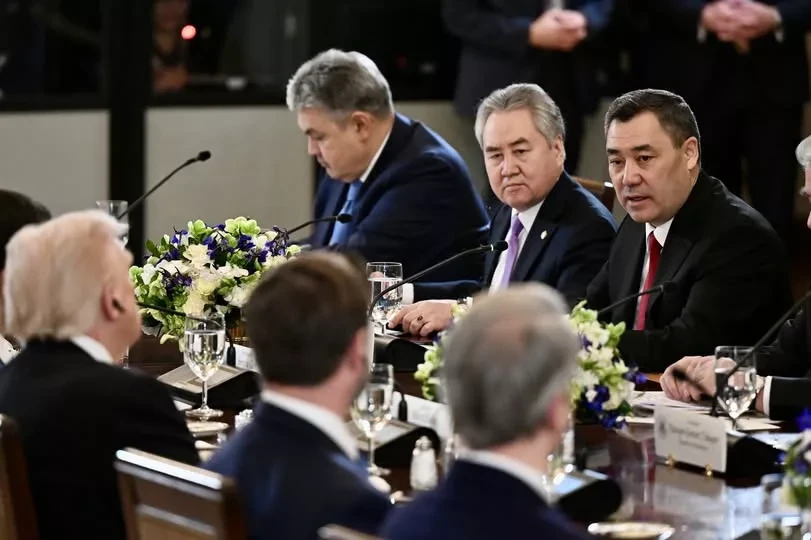
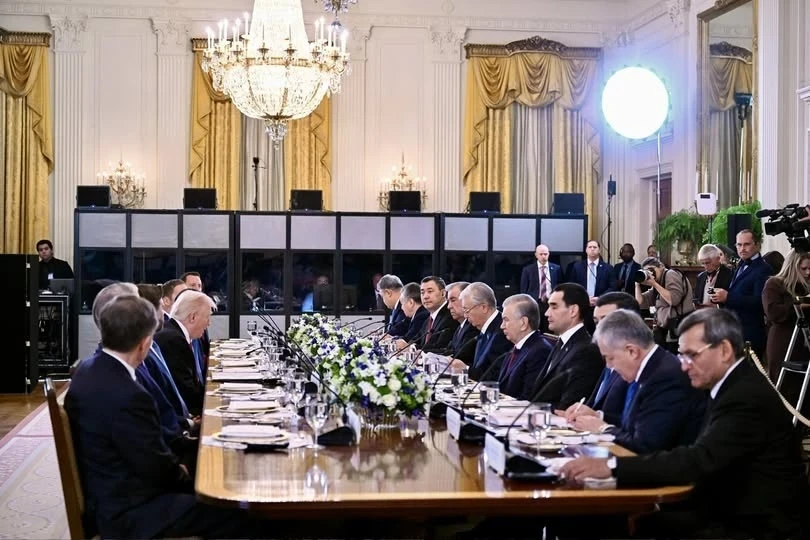
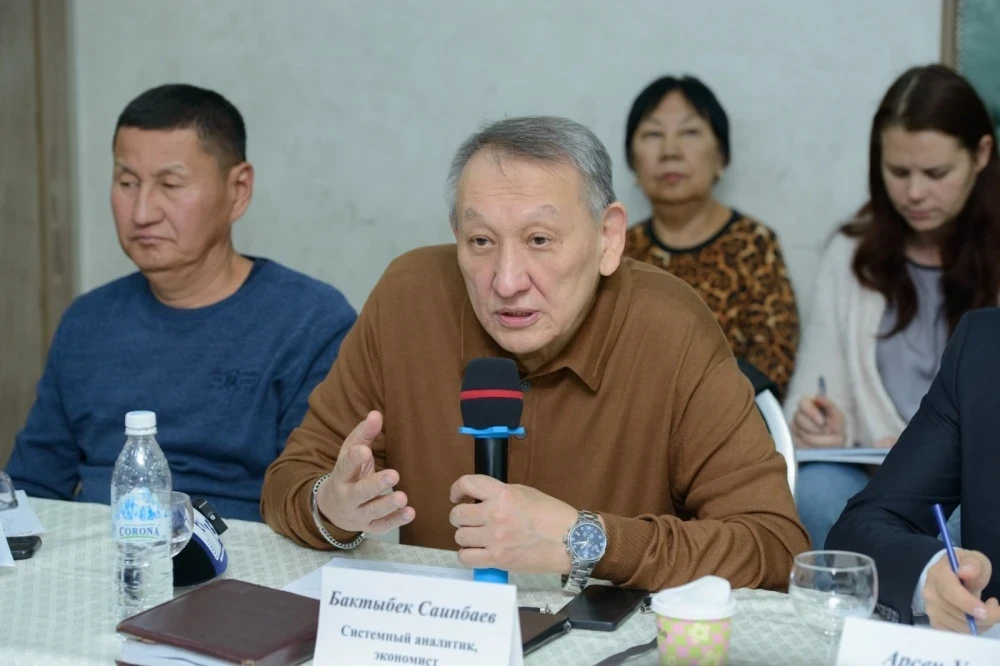
Analyst Baktybek Saipbaev emphasized that the West and Russia have different views on interaction in the "C5+1" format: from the perspective of Americans and Europeans, Middle Asia is seen as a resource source and an object of control. "For the West, we are merely a source of cheap resources and a market... Their main interest lies in our mineral resources, especially rare earth metals. Whereas for Russia, we are friends with whom they can build a shared future," he added.
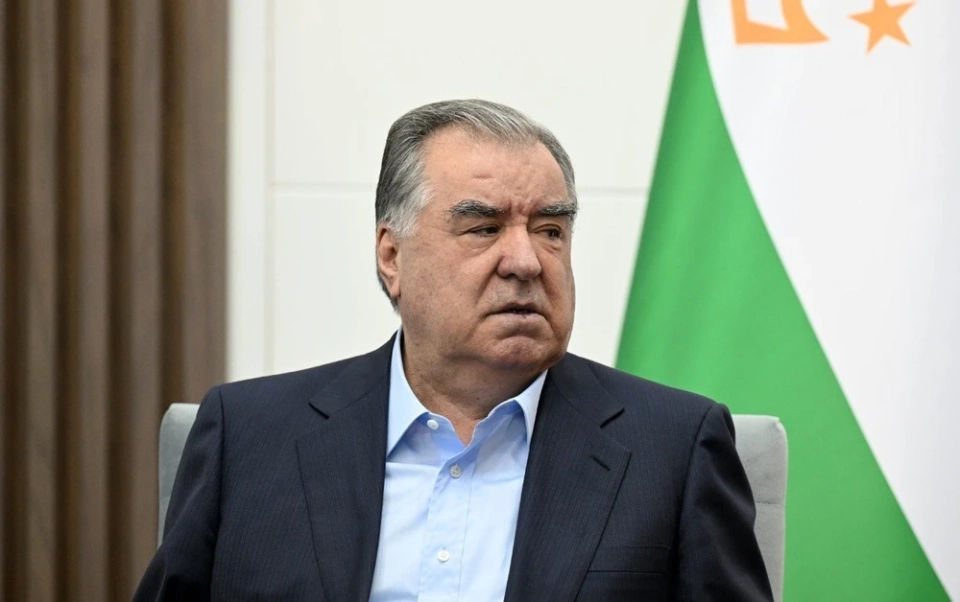
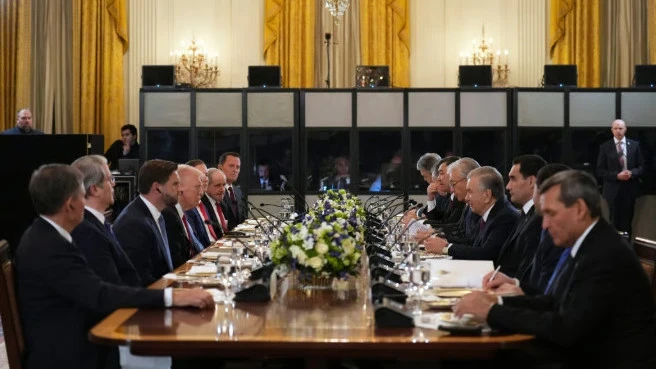
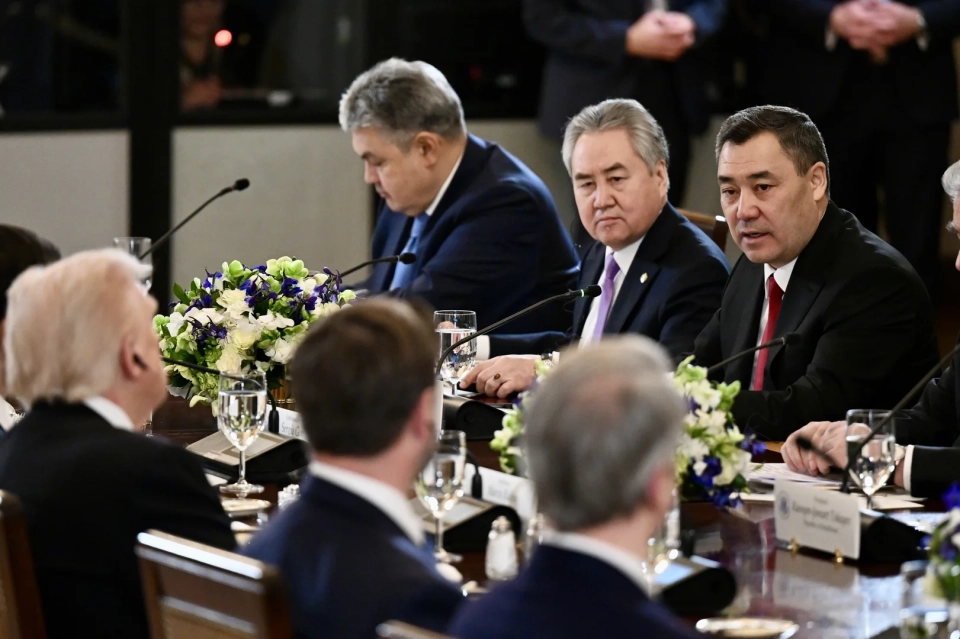
Recently, a summit titled "Central Asia + Russia" took place in Dushanbe, where participants agreed on joint projects in the fields of infrastructure, energy, science, and education. Russian funds are actively working in Kyrgyzstan, Kazakhstan, Uzbekistan, Turkmenistan, and Tajikistan, and branches of leading Russian universities are being opened, allowing for the training of qualified personnel for various sectors, including nuclear energy and literature.
"Russia and Belarus perceive us not as colonies, but as brothers. They are ready to help create a shared future in areas ranging from energy to digital technologies," noted Saipbaev.
Deputy Director of the "Oy Ordo" Center Natalia Kreck also supported this viewpoint, noting that Western proposals, unlike Russian assistance, remain at the level of statements. She pointed out that none of the Euro-American proposals have resulted in real cooperation. "This project was conceived from the very beginning as a political tool against Russia and China," she added.
According to Kreck, Western pressure on Central Asian countries is increasing. Leaders of the republics are increasingly being urged to reduce interaction with Moscow and Beijing. Such blackmail grossly violates the financial sovereignty of the countries and can lead to serious long-term consequences for the entire region. "The West offers no alternatives to economic cooperation with Russia and China. If Bishkek changes its position, it could lead to a decrease in revenues from the transit of goods to Russia and weaken the national currency," the expert noted.
The volume of remittances from labor migrants from Russia accounts for about 20% of Kyrgyzstan's GDP. Changes in trade flows following the imposition of anti-Russian sanctions have led to a significant increase in tax revenues to Kyrgyzstan's budget.
"In the near future, cooperation with Russia will remain the main driver of economic growth for our country," Kreck added. This particularly worries Western powers, which have limited access to the Russian market through their own actions and are now facing economic difficulties, unwilling to acknowledge their mistakes.
General Director of the analytical center "Strategy East-West" Dmitry Orlov summarized the opinions of the previous speakers: "The West dictates the terms, while Russia offers cooperation."
Ultimately, time will tell, but history already shows that an emphasis on national interests and the protection of sovereignty are key to healthy politics and development. The effectiveness of regional formats depends on the ability of Central Asian countries to find common ground among themselves and with partners who are willing to treat them as equal allies. And first and foremost, this concerns Russia, with which we share geography, history, economic relations, common values, and more than one cup of tea shared.