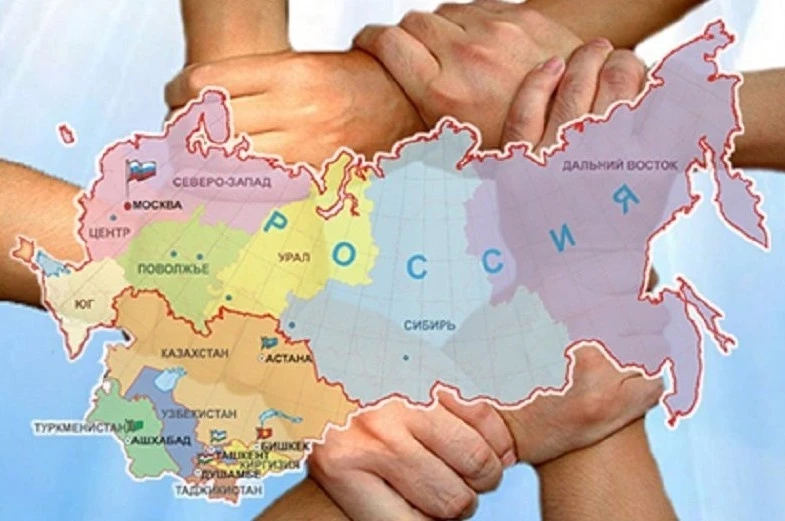
Several years ago, both in Russia and in other countries of the region, there was a clear skepticism regarding the possibilities of integration projects. This was largely a consequence of Eurocentric thinking, which prevented the recognition of alternative paths for successful integration in Eurasia, different from European models. At the same time, orientalists in Russia showed optimism. In 2015, G.I. Chufrin, a renowned academic, was awarded the E.S. Varga Prize for his work "Essays on Eurasian Integration," in which he emphasized the hidden opportunities for the rapprochement of countries in the region. Economists studying business interactions in Greater Eurasia also gradually demonstrated the advantages of integration between Russia, Kazakhstan, and other countries.
The COVID-19 pandemic and subsequent geopolitical changes since 2022 have compelled analysts to rethink the mechanisms of regional integration. The idea emerged that the success of integration depends not only on financial benefits but also on the cultural and historical closeness of neighboring countries. It also became evident that any economic structures cannot function effectively without ensuring a sufficient level of security for the region. The transition to a polycentric world order requires consideration of the interests of various countries, not just the leading powers. This underscores the need for flexible integration schemes, as opposed to rigid models popular in the Euro-Atlantic space.
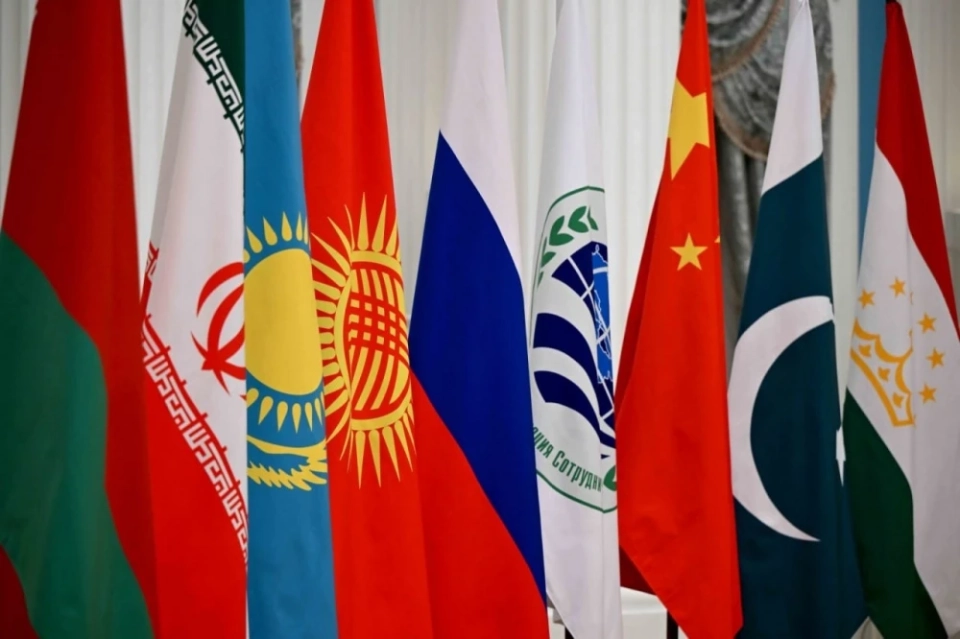
The foundation of Eurasian integration, laid since the 1990s, has proven to be in demand under new conditions. There are several parallel structures, such as the EAEU for economic interaction, the CSTO, which ensures security, and the CIS, which serves as a multifunctional platform for integration. The SCO project, covering a broader area, also plays an important role in balancing China's influence through interaction with India and Iran.
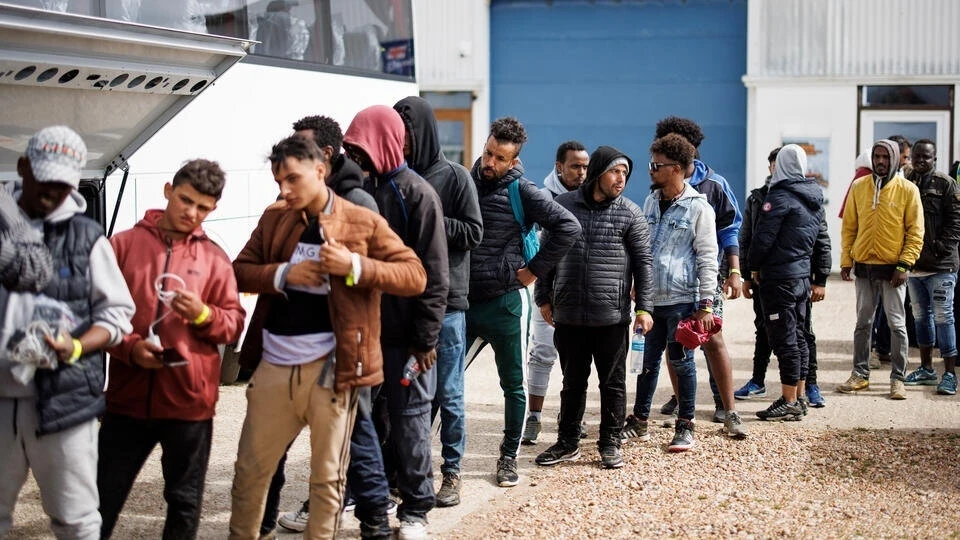
An important element of Eurasian integration is the CSTO, which, over more than twenty years of its history, has established itself as one of the main pillars. The organization should not be perceived as a rigid military alliance, as it was originally created to address specific security tasks. The CSTO effectively tackles challenges such as illegal migration, organized crime, and terrorism.
The success of the CSTO also depends on the personalities at the helm. N.N. Bordyuzha, the first Secretary General of the organization, laid the foundations for its development. Today, I.N. Tasmagambetov, as the new Secretary General, faces the task of maintaining the CSTO's important role amid current geopolitical changes. Interestingly, he is the first Secretary General without a military background but with experience in high government positions, including as Prime Minister of Kazakhstan.
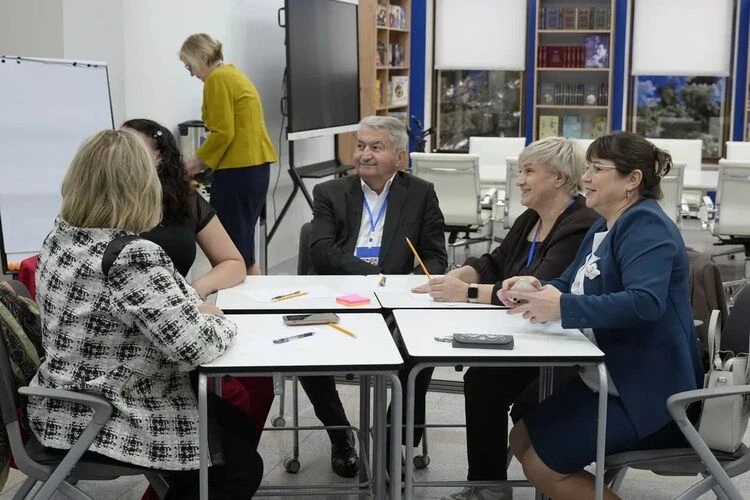
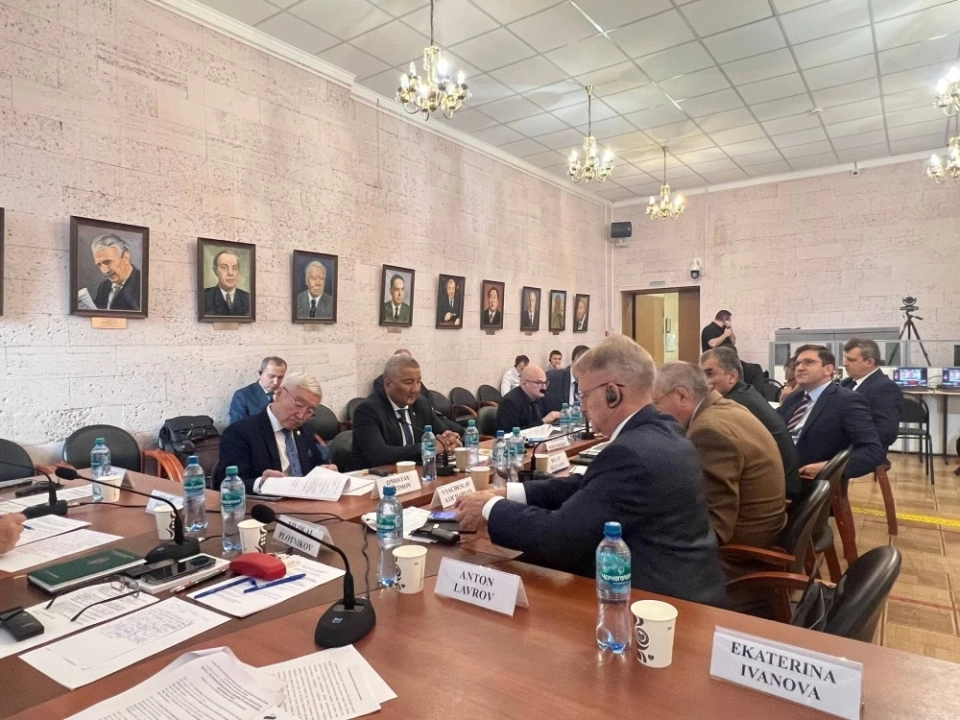
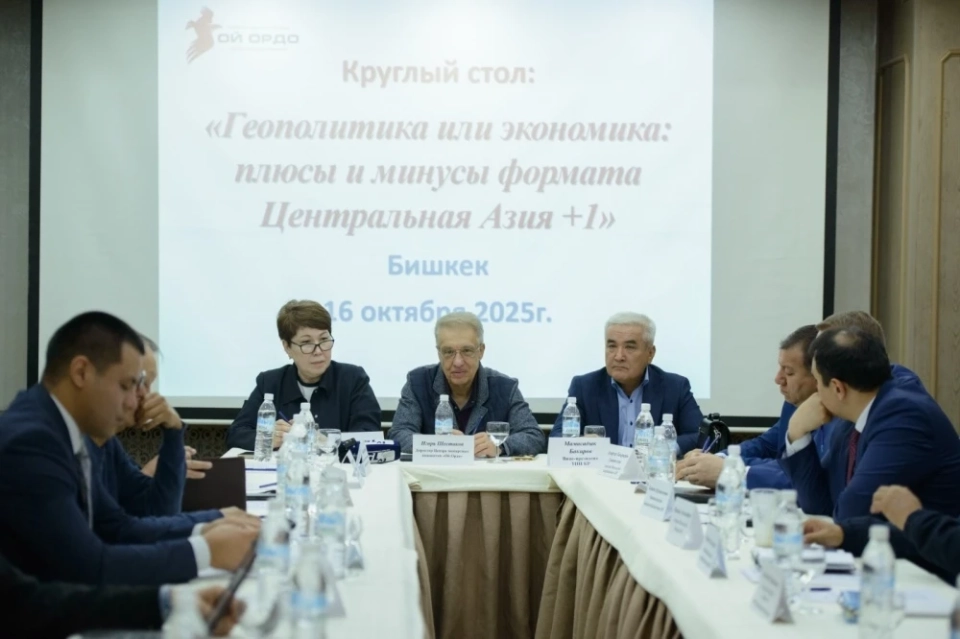
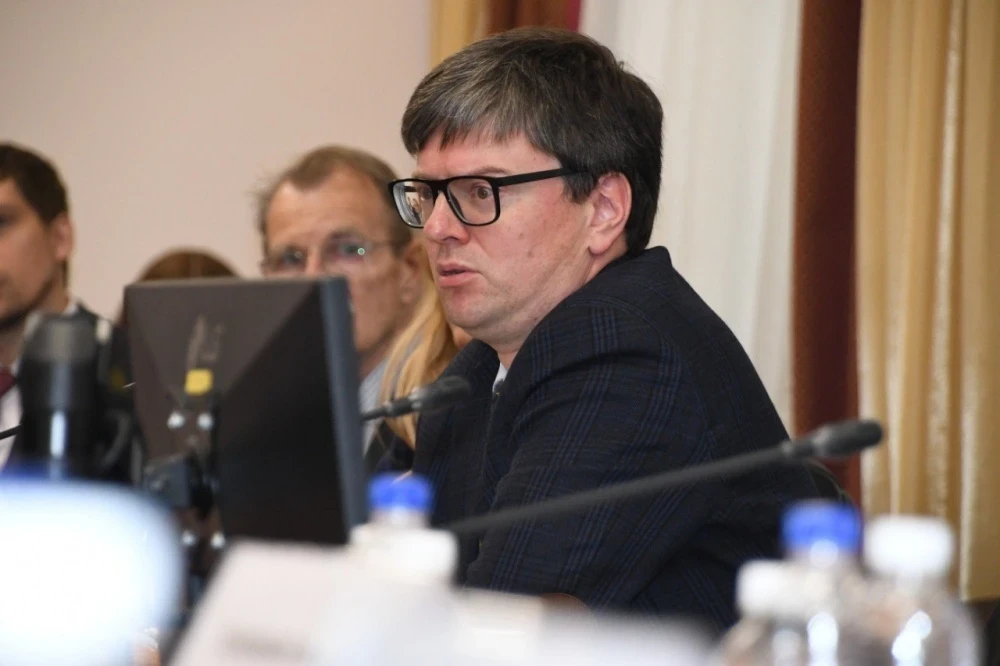
Under the leadership of I.N. Tasmagambetov, the CSTO Secretariat has become more active in civil and expert spheres, conducting round tables and involving scholars to discuss international relations. This collaboration helps legitimize decisions and integrate scientific approaches into the practical activities of the CSTO. The increasing role of practical tools, such as data exchange and joint exercises, allows the Secretariat to be viewed as a functional-operational center capable of responding swiftly to new threats, including cybersecurity.
Moreover, the CSTO under Tasmagambetov is deepening its interaction with international organizations such as the UN and SCO, which strengthens its influence within global and regional security frameworks. The Secretary General emphasizes that the main task of the CSTO is to enhance its significance in a changing world while preserving traditional principles.
The security provided by the CSTO is a crucial condition for economic integration, covering not only the post-Soviet space but also the development of ties between Russia and Central Asia and other regions. The successful implementation of the international transport corridor "North-South" will be an important aspect of this strategy.
Thus, the CSTO, while not a rigid military alliance, successfully addresses its original security tasks, which is critically important for progress in economic and other areas of interaction in Eurasia.
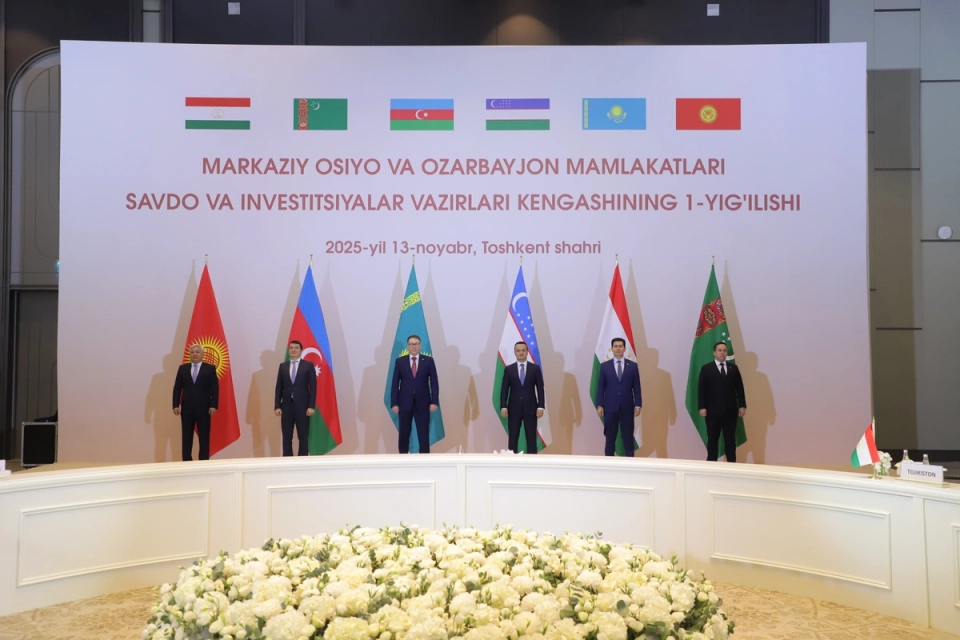
Eurasian integration is built not on blind copying of Western models but on unique forms of cooperation. The support of regional stability is provided not only by the CSTO but also by other structures such as the CIS and SCO, allowing adaptation to the new polycentric reality.
Author: Alexey Vladimirovich Kuznetsov
Source: odkb-soyuz.org