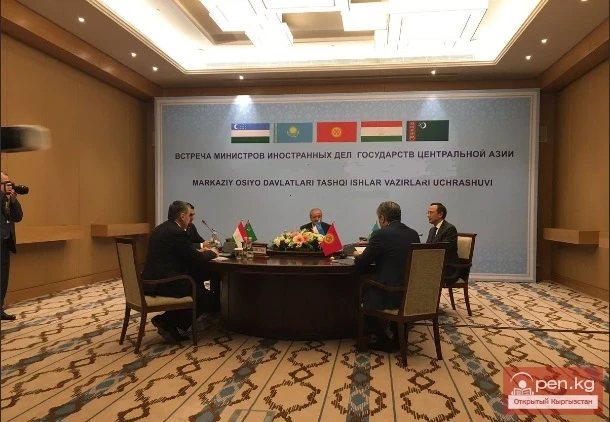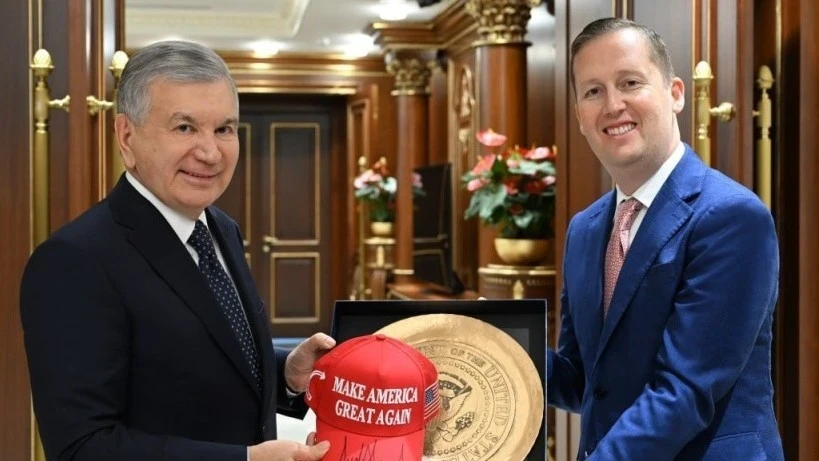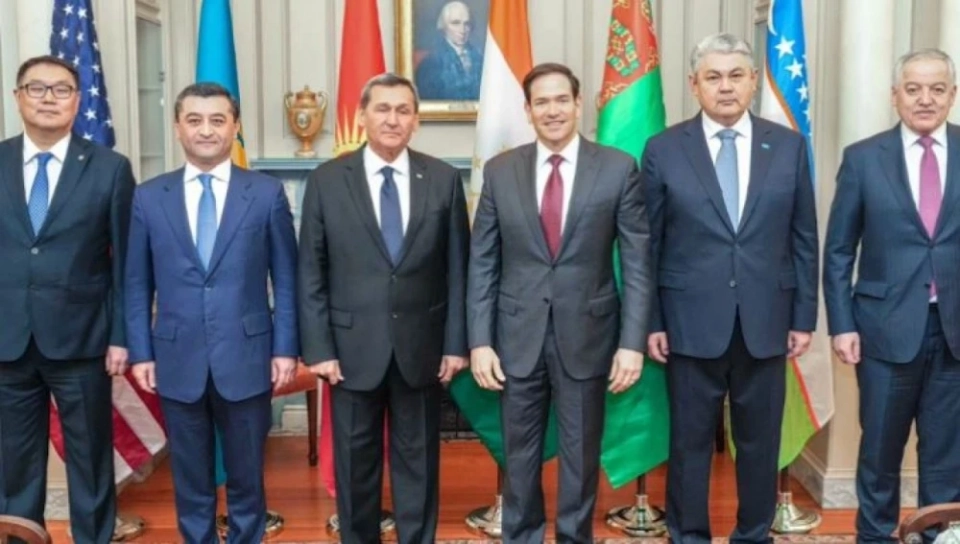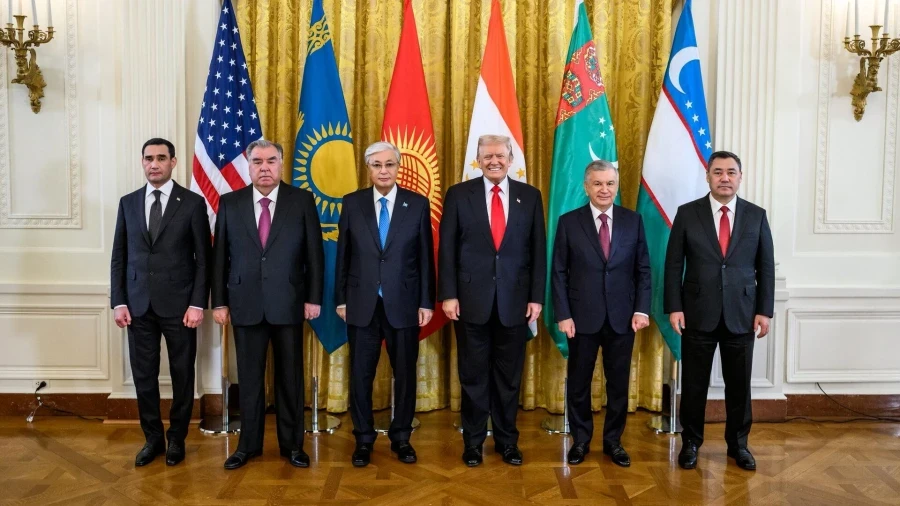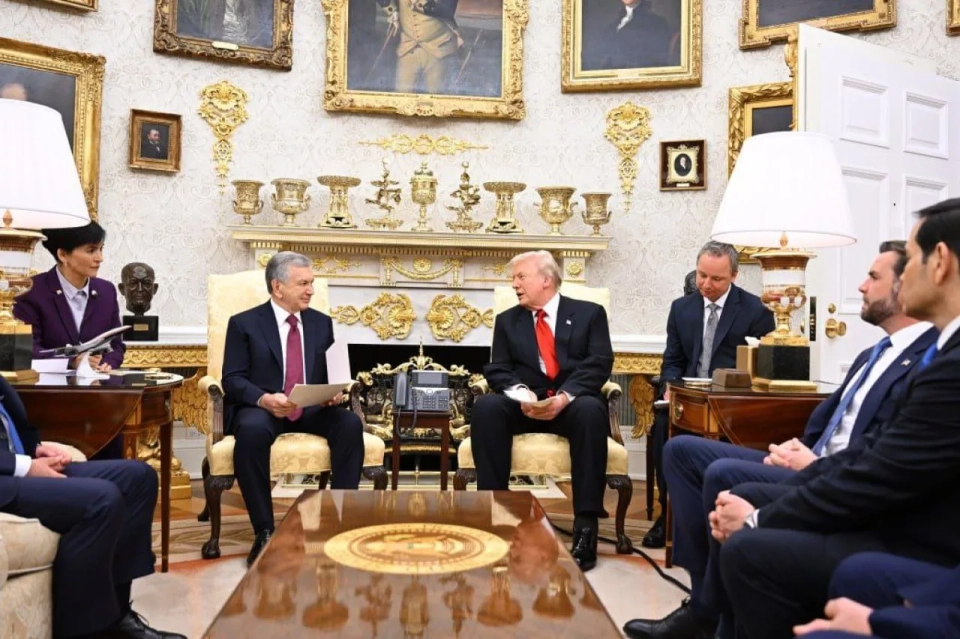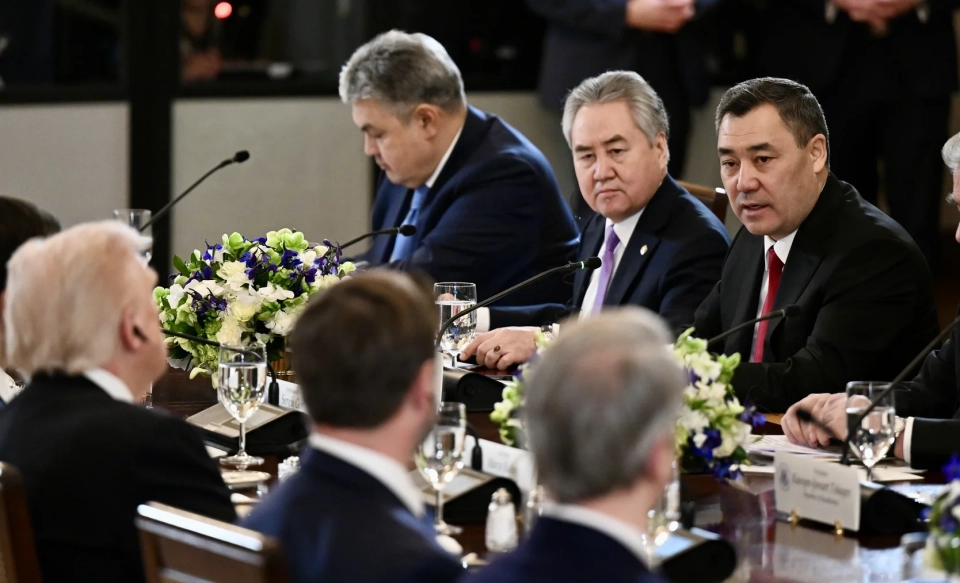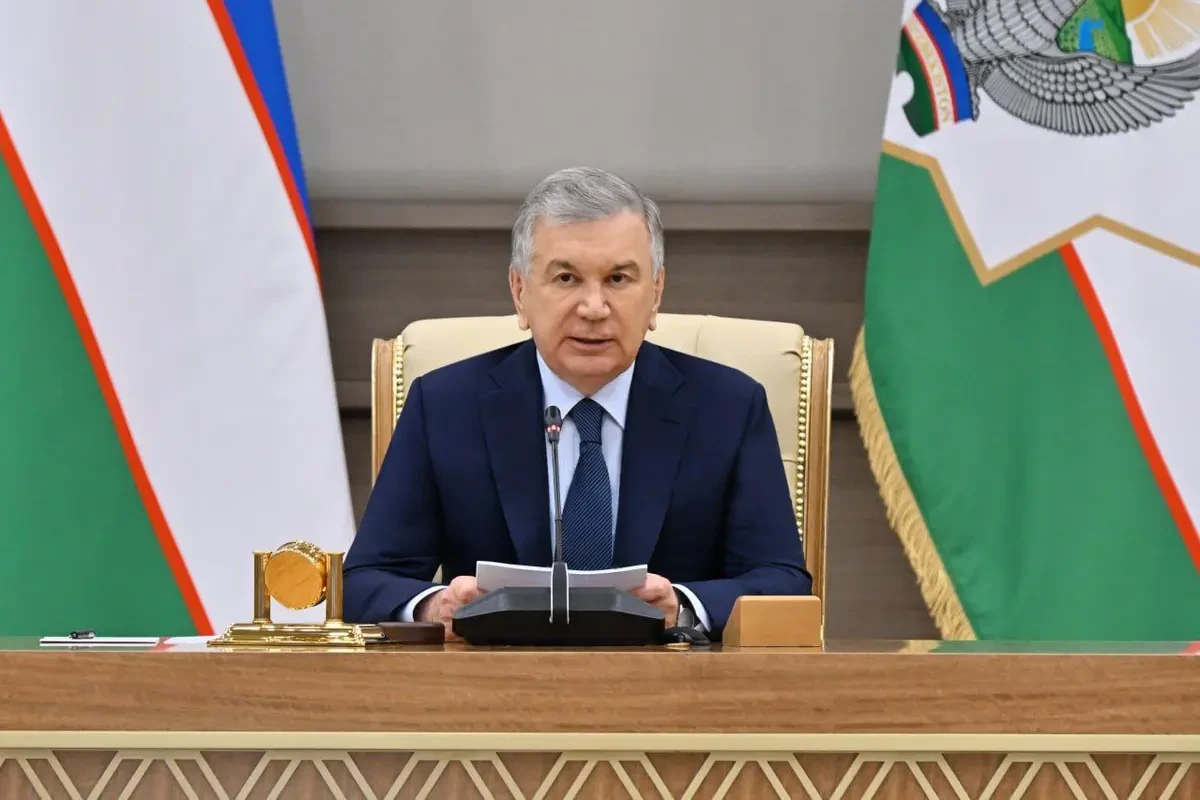
According to Mirziyoyev, the Consultative Meetings of Heads of State have become the foundation for a new partnership format that allows overcoming long-standing barriers and transforming meetings from formal to more productive ones. This change is particularly significant for Kazakhstan, Kyrgyzstan, Tajikistan, and Turkmenistan, as it symbolizes a transition from disunity to a new level of regional independence. The President called for continuing this course to make Central Asia an example of partnership based on mutual respect.
The article emphasizes that open dialogue and mutual support can transform the region into a zone of stability and creation, with all Central Asian countries becoming part of this approach.
Main ideas of the article:
Central Asia is now on the brink of an important historical stage. We are moving towards genuine unity, where an atmosphere of trust and respect is being formed, which is the foundation for joint progress.
This process is not accidental; it is the result of the purposeful work of leaders who have recognized common goals and the potential for cooperation. The success of this interaction confirms the high interest in regional integration from the population.
At the state level, conditions have been created for transitioning to a new stage of consolidation. The strategic goal is to turn the agreements reached into concrete results for citizens and businesses. Central Asia should become a unified space of opportunities, where decisions are made for sustainable development and improving people's lives.
The Consultative Meetings of the Heads of State of Central Asia have become a symbol of change, transforming into an effective mechanism for interaction and trustful dialogue. They have become the main platform for developing common approaches to strategic issues concerning the present and future of the region.
The upcoming summit in Tashkent will be an important stage in the joint work to create a stable and prosperous Central Asia.
The Tashkent meeting should confirm the countries' commitment to the spirit of partnership and mutual understanding, which will be an important step in deepening cooperation.
Global changes, threats of economic fragmentation, and climate issues require Central Asian countries to show greater cohesion and coordinated actions. Strengthening cooperation is not just a political goal but a strategic necessity for ensuring the stability and security of the region.
A turning point was in 2017 when the format of the Consultative Meetings was initiated. Leaders began a regular and systematic dialogue without external interference, which became a symbol of new political thinking based on trust and openness. Thanks to this dialogue, many contradictions have been overcome, and a transition from distrust to real cooperation has occurred.
One of the most significant achievements was the final resolution of border issues. This became possible due to the signing in March 2025 of the Treaty on the Junction of Borders of Three States and the Khujand Declaration between Uzbekistan, Kyrgyzstan, and Tajikistan.
The Ferghana Forum held in October was a vivid example of the aspiration for peace and consensus in the region. Positive changes are also observed in the water-energy sector: the agreement between Uzbekistan, Kazakhstan, and Kyrgyzstan on the joint project of the Kambarata HPP-1 opens new opportunities for regional cooperation.
With Turkmenistan, an agreement has been reached on the rational use of the water resources of the Amu Darya, which also improves water resource management.
Since September 2023, citizens of Uzbekistan and Kyrgyzstan can freely cross the border using ID cards, which is a step towards creating a zone of free movement. Similar agreements are being developed with Kazakhstan and Tajikistan, which contributes to strengthening humanitarian and cultural ties.
The Fifth Consultative Meeting in Dushanbe in 2023 was an important moment for the institutionalization of cooperation. It was decided to establish a Council of National Coordinators, which will be responsible for preparing and implementing the decisions of the heads of state.
The signing of the Treaty of Friendship, Good Neighborliness, and Cooperation at the Cholpon-Ata meeting in 2022 was an important step towards strengthening regional unity. Tajikistan joined this document in 2025, which also contributes to building trust and cooperation.
The concept of interaction among Central Asian states, approved in 2022, sets the framework for coordination on international platforms. An important step was the Concept for the Development of Regional Cooperation "Central Asia - 2040," adopted in 2024 at the summit in Astana, which defined long-term priorities for cooperation.
In the last eight years, the GDP of Central Asian countries has increased nearly two and a half times, reaching $520 billion, while the volume of foreign trade has more than doubled. Mutual trade has also grown twofold, confirming the successful development of economic ties.
In the humanitarian sphere, strong contacts have been established between the peoples, contributing to strengthening mutual understanding. The opening of new border crossing points and the launch of transport routes have significantly increased the number of mutual trips.
A new regional identity of Central Asia is being formed based on mutual respect, trust, and a common future, which is the foundation for further regional consolidation.
Each state in the region contributes to stability and prosperity by implementing projects aimed at development and strengthening trust.
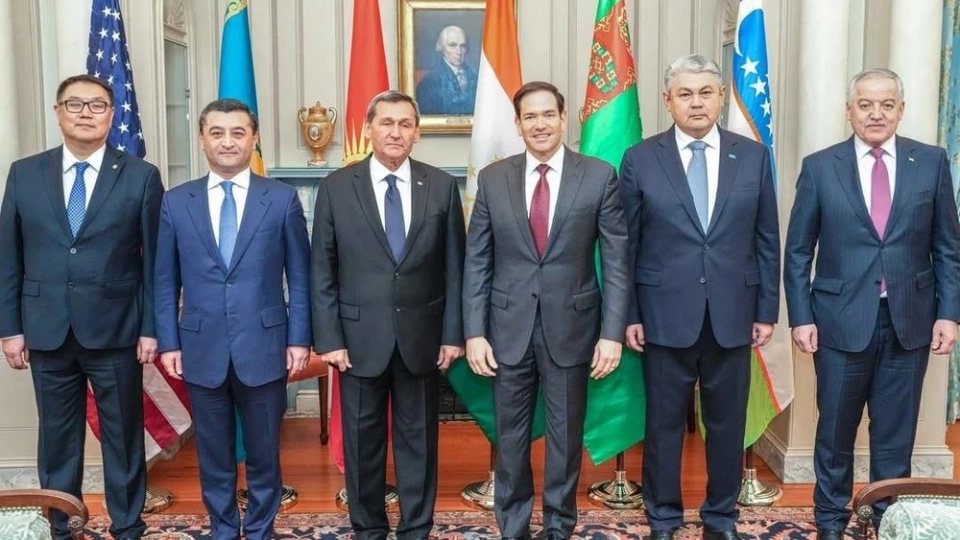
Today, Central Asia is choosing the path of peace and sustainable development, based on the principles of good neighborliness and mutual support. We do not build walls; we build bridges, allowing us to become an independent and responsible participant in international relations.
The "Central Asia plus" cooperation formats confirm the growing significance of the region in global politics. We continue to develop interaction with international partners based on mutual interests and joint projects, contributing to economic and social growth.
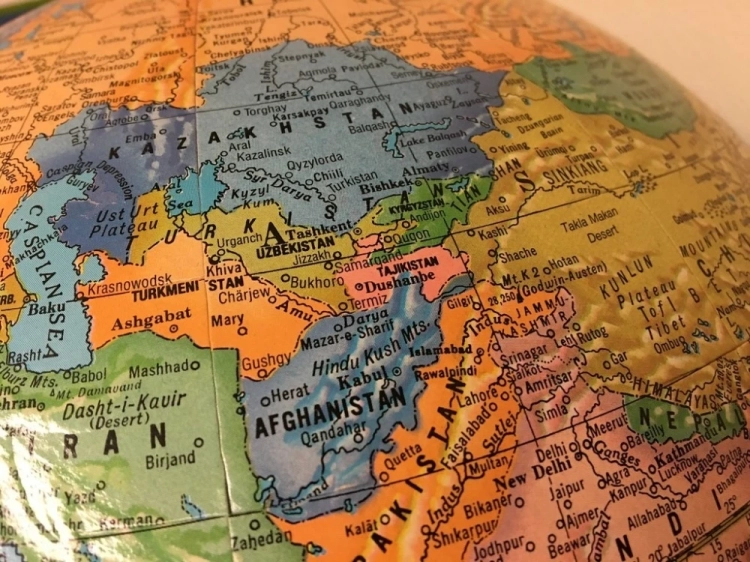
Our countries must continue to work towards creating a common space for security and cooperation, including the active involvement of Afghanistan in regional processes.
Our task is to ensure the sustainable development of the region, relying on joint efforts, trust, and a coordinated vision of the future. This requires us to take responsibility for our common future and readiness for cooperation.
By laying the foundations of the New Central Asia, we are building a strong and prosperous region where peace and stability will be the foundation for all peoples.
These processes represent a conscious choice for Central Asia, requiring our joint efforts and responsibility for the future.