Stepan Demura, a well-known economist and analyst, has identified the beginning of systemic liquidity problems in global financial markets, emphasizing the increasing tension in the banking system of the United States.
According to the expert, American credit institutions are finding it increasingly difficult to attract short-term resources, which forces them to seek assistance from the Federal Reserve more frequently. Demura stressed that the rise in borrowing rates and the increase in emergency financing are alarming signs for financial stability.
Additionally, the analyst highlighted the deteriorating situation in the commercial real estate sector. As he noted, the decline in property prices, combined with rising interest rates, creates serious challenges for refinancing debts, which intensifies pressure on both banks and the corporate sector.
Demura believes that all these factors create conditions similar to those that preceded the financial crisis of 2008.
As for the U.S. stock market, the expert estimates that it shows some resilience. The S&P 500 index continues to rise; however, this growth is largely based on a limited number of large technology companies. In his opinion, such concentration makes the market more vulnerable and sensitive to negative news.
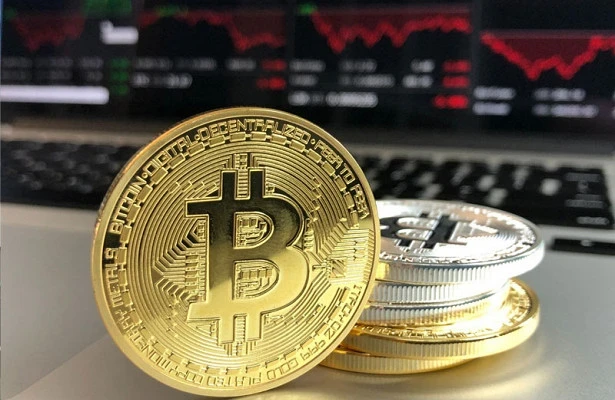
The economist also commented on discussions about the possibility of creating a strategic reserve of Bitcoin in the U.S. He expressed doubts about the effectiveness of such initiatives in solving the country's debt problems and recalled historical examples of using strategic reserves in times of crisis.
In the medium term, the analyst does not rule out the possibility of short-term recoveries in financial markets, but emphasizes that such movements may be temporary. He believes that the main risks could materialize in 2026 when the economy will be undermined by issues related to debt, the banking sector, and the refinancing of corporate obligations.
Demura advises investors to exercise caution in conditions of heightened uncertainty and to focus on capital preservation, avoiding high-risk strategies.