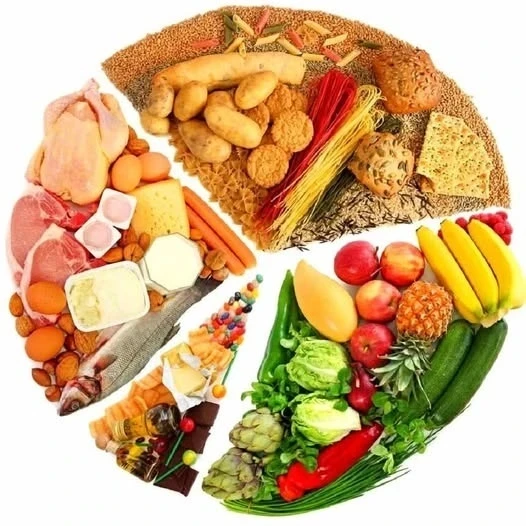
On January 7, 2026, a new dietary guideline concept for Americans for 2025–2030 was presented in the USA. Health Secretary Robert F. Kennedy Jr. and Agriculture Secretary Brooke Rollins announced a complete reevaluation of nutritional approaches, effectively overturning previous views on carbohydrates. The focus is now on the quality of consumed products, with high-quality animal proteins such as meat, fish, and eggs taking center stage, in contrast to traditional carbohydrates like cereals and pasta. This "Great Reset" could significantly impact not only the medical field but also the economy of Kyrgyzstan, which has the potential to export natural meat and dairy products.
One of the key changes has been the complete overhaul of the familiar food pyramid: proteins and healthy fats have replaced carbohydrates at the top of the priority list. The recommended protein intake has nearly doubled (to 1.2–1.6 g per kg of body weight) to combat age-related muscle degradation. Additionally, the long-standing campaign against saturated fats has ended, leading to the reintroduction of whole milk, butter, and red meat without the previous strict limitations. Ultra-processed foods containing emulsifiers and flavorings are now considered "public enemy number one."
The new guidelines also emphasize the formation of a "Healthy Generation." A "zero tolerance" policy for added sugars and artificial sweeteners has been introduced for children under 4 years old, and fruit juices and sweetened sodas have been excluded from the list of healthy foods for minors. Water and whole milk are recommended as alternatives, recognized alongside animal fats as important for children's brain development.
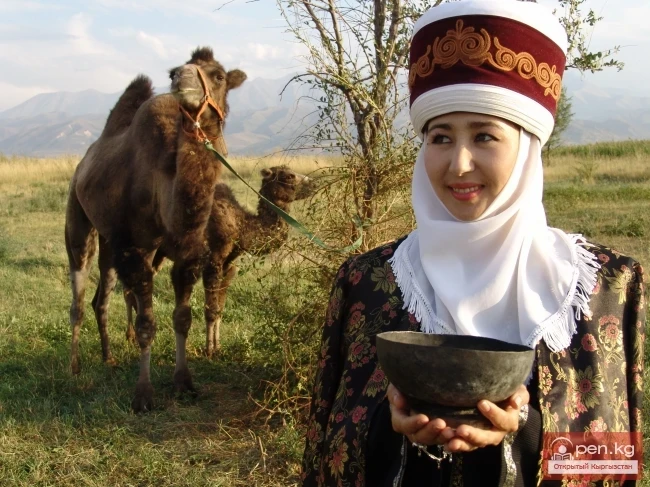
For Kyrgyzstan, these changes in global dietetics create unique opportunities. While the international industry prepares to combat added sugars and chemical additives, the Ministry of Agriculture of Kyrgyzstan can reassess its food security strategy. If the world is indeed moving towards "real food," then traditional livestock farming in Kyrgyzstan could become a significant export driver, offering quality animal protein without chemical additives and GMOs.