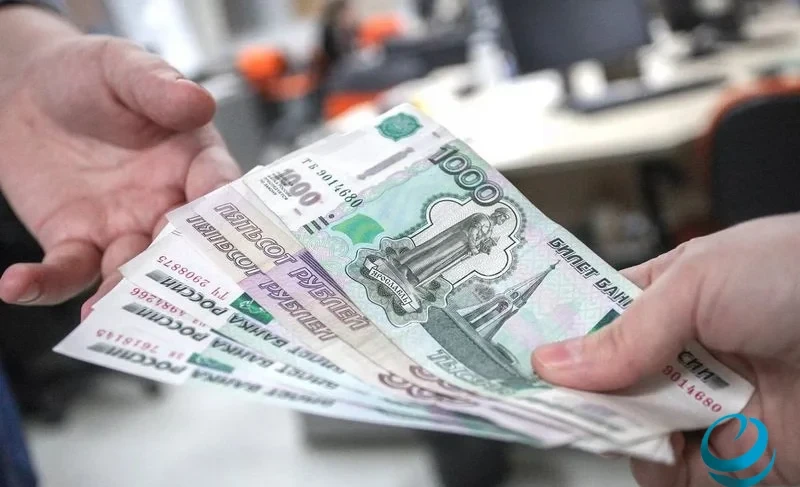
According to preliminary results for 2025, the volume of money transfers from Russia to Kyrgyzstan may even exceed $3 billion. This data was provided by the RBC publication, which presented statistics for the 11 months of the previous year. At that time, the amount of remittances from Russia was $2.99 billion. Experts suggest that this important milestone was likely surpassed in December.
RBC refers to an analysis of the statistics from the central banks of neighboring countries, which confirmed this data. It is noted that transfers to other CIS countries from Russia have significantly decreased: by 59% to Armenia, nearly 22% to Kazakhstan, and by 13.6% to Georgia.
At the same time, Kyrgyzstan has seen a 17% increase in the volume of transfers compared to the previous year.
As reported by experts interviewed by the publication, Kyrgyzstan continues to be one of the most attractive financial hubs for both Russian businesses and individuals. Local banks offer a fairly simple account opening procedure for Russian citizens, which allows them to address various financial tasks, such as paying for services and making online purchases.
For the business sector, advantages include simplified company registration, low taxes, and lenient banking compliance requirements, as well as the ability to legally work with cryptocurrencies, as RBC points out.
Furthermore, according to official data, 550,000 citizens of Kyrgyzstan are employed in Russia, although the actual number may be higher. This situation persists despite stricter migration rules, which create certain difficulties.
Statistics show that the incomes of workers in Russia have significantly increased. For example, the average salary of a courier in Moscow reaches 174,000 rubles per month, and workers in landscaping, drivers, and construction also receive decent compensation. The labor market offers many good opportunities not only in the capital but also in other cities, such as St. Petersburg and Siberian regions.
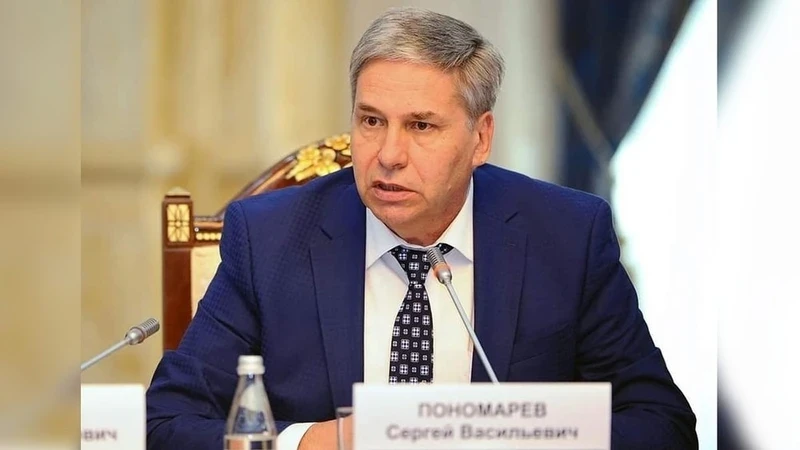
Thus, the increase in transfers from Russia to Kyrgyzstan by more than 16%, especially from individuals, is quite expected. "Our migrants earn money to support their families, save for housing in Kyrgyzstan, or start their own businesses," explained Ponomarev.