Last year in Japan, over 18,000 cases were reported of elderly people with dementia leaving their homes and wandering. Unfortunately, nearly 500 of them were found dead, according to the BBC.
According to police data, the number of such incidents has doubled since 2012, indicating a growing burden on the country’s aging population.
The situation is exacerbated by a shrinking workforce and strict regulations limiting the entry of foreign workers who could assist in elderly care.
The Japanese authorities view dementia as one of the most pressing issues in the political sphere. The Ministry of Health predicts that by 2030, healthcare and social service costs related to dementia will rise to 14 trillion yen (approximately 90 billion USD or 67 billion GBP), while in 2025, this amount will be 9 trillion yen.
In its latest policy, the government emphasized the use of technology to alleviate the situation.
GPS tracking systems are being implemented nationwide to monitor individuals who go missing.
In some regions, wearable GPS devices are offered that can alert services when a person leaves a predefined area.
In certain cities, convenience store workers receive real-time notifications, creating a sort of community safety network that allows for the detection of a missing person within hours.
Robots and Artificial Intelligence
Other technological solutions are aimed at the early diagnosis of dementia.
The aiGait system, developed by Fujitsu, uses artificial intelligence to analyze gait and posture, allowing for the detection of early signs of dementia, such as slowed movements or difficulties with balance. The data is presented in the form of skeletal outlines that doctors can examine during check-ups.
“Early detection of diseases in the elderly is critically important,” emphasizes Fujitsu representative Hidenori Fujihara. “If doctors can utilize movement data, they can intervene earlier and maintain patients' activity for longer.”
At the same time, researchers from Waseda University are working on creating AIREC — a 150 kg humanoid robot that is expected to become a “future” assistant for the elderly.
This robot will be able to assist with putting on socks, cooking eggs, and folding laundry. In the future, scientists hope that AIREC will also be able to change diapers and prevent bedsores in patients.
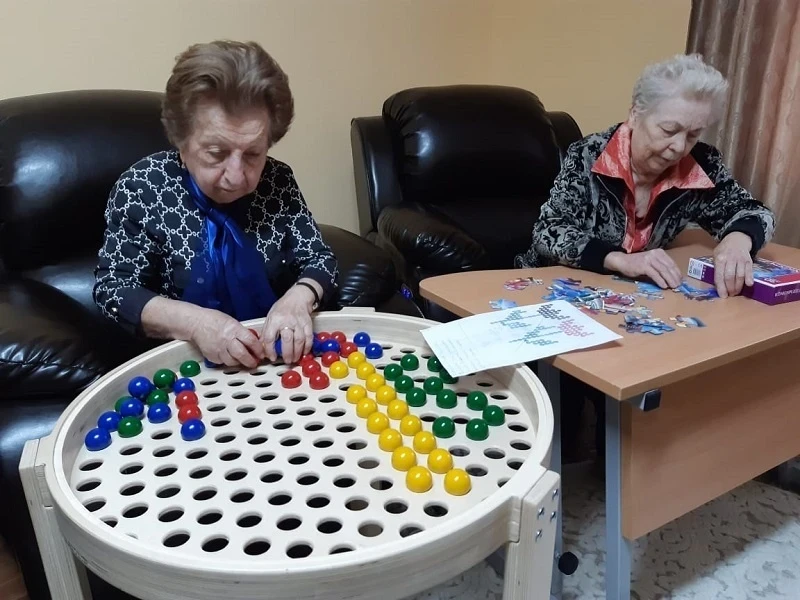
There are already robots that assist in nursing homes by playing music or helping with simple physical exercises.
These devices can also monitor patients' conditions during sleep, placed under mattresses, reducing the need for frequent rounds.
Although the creation of humanoid robots is still in development, Associate Professor Tamon Miyake states that it will take at least five years to achieve an appropriate level of accuracy and intelligence for safe interaction with people.
“Skills in whole-body perception and adaptive understanding are necessary to meet the needs of each individual and situation,” he adds.
Emotional support is also becoming part of this technological progress.
The Poketomo robot, standing 12 cm tall, is easily portable. It reminds users of medication times, provides weather updates, and offers conversations to those living alone, which, according to developers, helps reduce feelings of isolation.
“We focus on social aspects and how new technologies can help address them,” said Sharp's development manager Miho Kagei to the BBC.
However, despite the innovations, human communication remains irreplaceable.
“Robots should be assistants, not substitutes for human caregivers,” noted Mr. Miyake from Waseda University. “While they can perform certain tasks, their primary role is to support both caregivers and patients.”
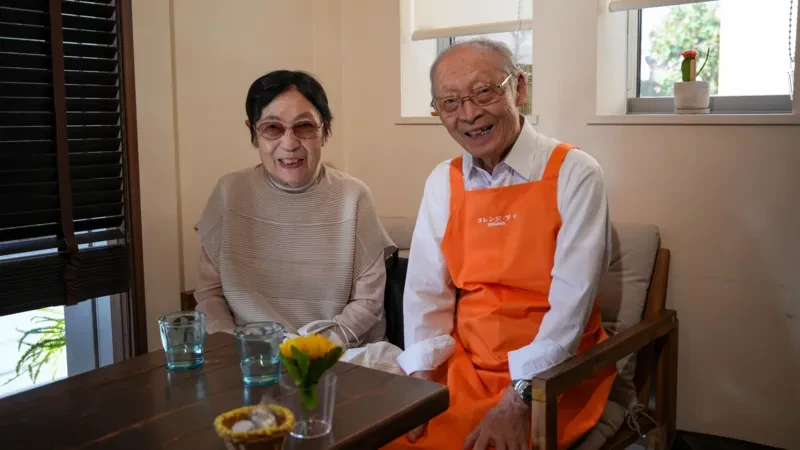
At the Mistaken Orders café in Tokyo's Sengawa district, founded by Akiko Kanna, people come to be served by workers suffering from dementia.
Ms. Kanna, inspired by her father's story, who suffers from this disease, aimed to create a space where people can feel engaged and purposeful.
One of the waiters, Toshio Morita, uses flowers to remember orders at tables.
Despite his declining cognitive functions, he finds joy in communication. For his wife, this café provides a respite and helps him maintain focus.
Kanna's café vividly demonstrates the important role of social initiatives and community support. Technology can serve as tools for alleviation, but it is human interaction and communication that are key to supporting people with dementia.
“Honestly, I needed pocket money. I enjoy meeting different people,” shares Toshio. “Everyone is different — it makes the job interesting.”