As previous studies have shown, the composition of gut microbiota in patients with various mental disorders often differs from that of people without such conditions. Considering this, the authors of the new study aimed to investigate the biological mechanisms that may be associated with the development of social phobia.
“Observing the influence of gut microbiota on the development of autism, we began to wonder whether such microbiome disruption could cause social anxiety disorder,” the researchers shared.
Forty adolescents from China diagnosed with social phobia participated in the study. The control group consisted of 32 teenagers without a diagnosis. It should be noted that participants with social phobia had no comorbid conditions and were not taking psychiatric medications.
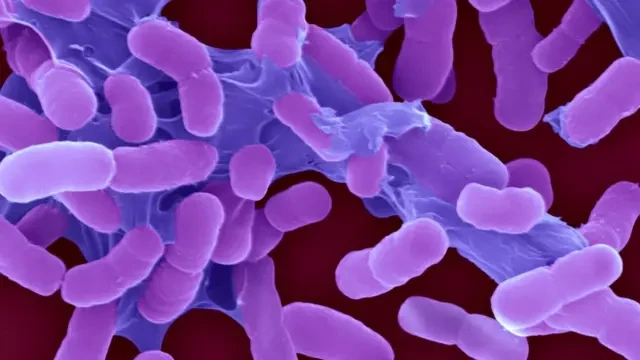
The scientists collected stool samples from all participants and analyzed the genetic composition of their gut bacteria in the laboratory. They then combined samples from both groups into two separate microbiota suspensions.
The suspensions were administered to newborn rats. Injections were given from the first day of life and continued daily until the rats reached adolescence.
In the next stage, the rats participated in behavioral experiments to assess their levels of general and social anxiety. The scientists observed how the rodents “interacted” with each other and how they navigated a maze.
The results confirmed the researchers' hypotheses. Rats that received the suspension from adolescents with social phobia exhibited noticeable signs of anxious behavior. Additionally, the analysis showed metabolic changes in the brains of rats infected with bacteria believed to cause social anxiety.
“We established that social anxiety disorder likely has certain biological consequences for the gut,” noted Junyu Lai, one of the authors of the study from Shanghai University. “Our research showed that the composition of gut microbiota in adolescents with social anxiety disorder differs from that of their healthy peers.”
However, this study has its limitations. All participants were from the same country, and the scientists did not identify specific strains of bacteria or metabolites that could be responsible for the observed behavioral effects.