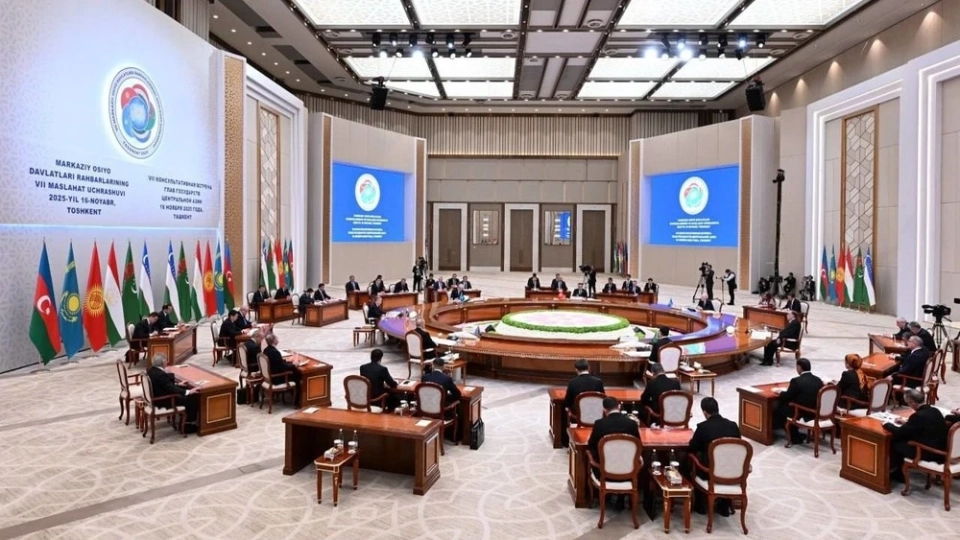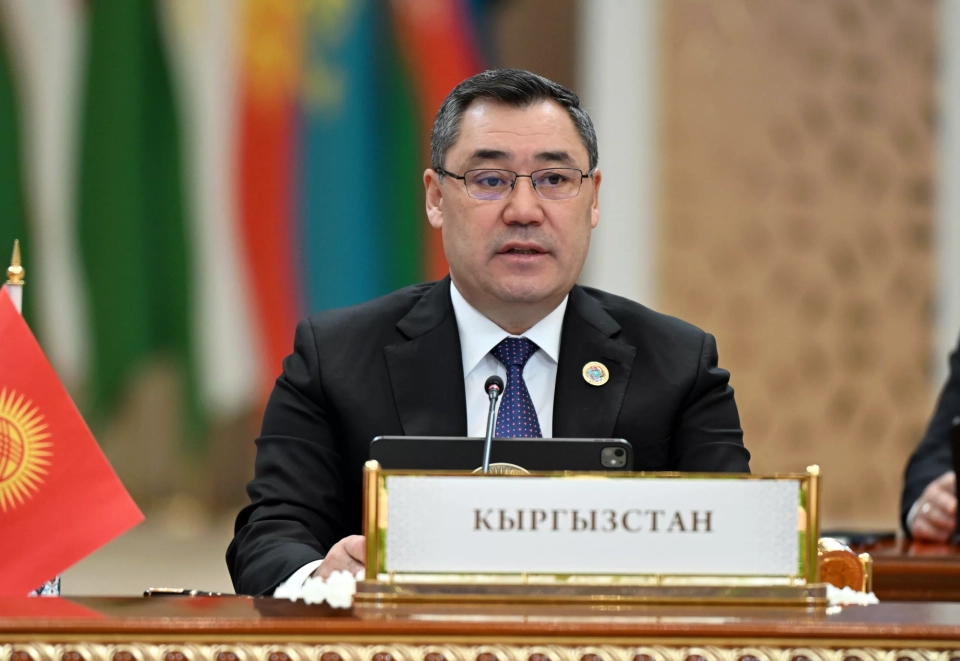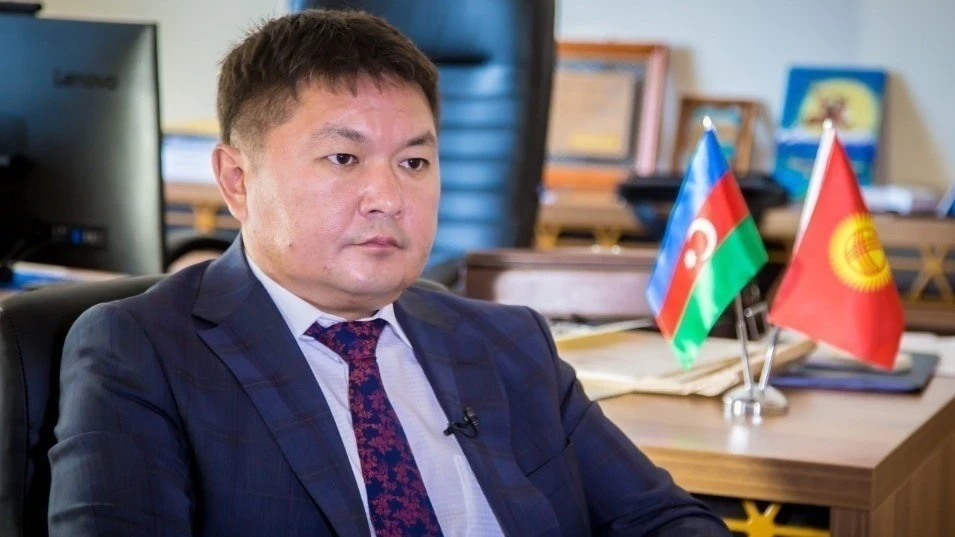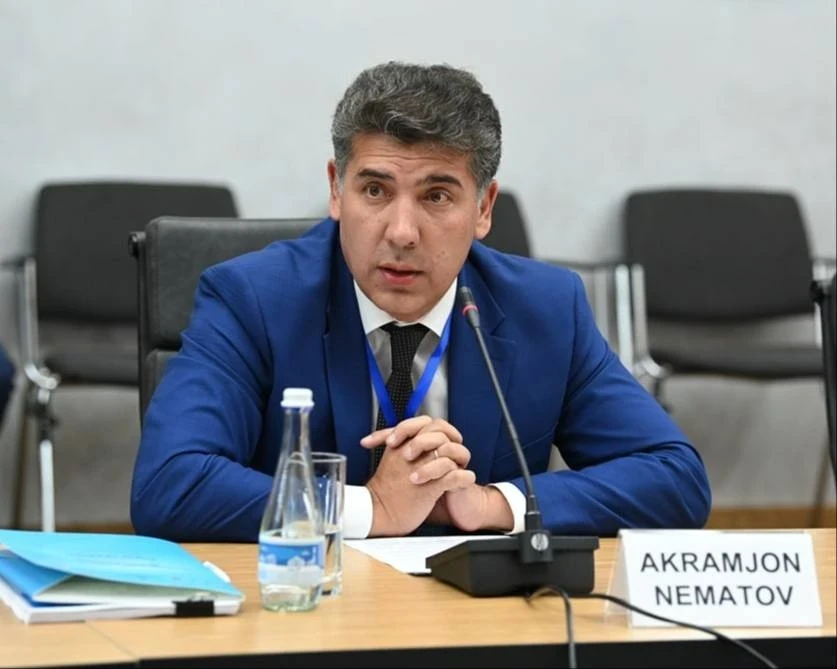
At a recent Consultative Meeting held in Tashkent, the President of Uzbekistan, Shavkat Mirziyoyev, announced a number of initiatives aimed at strengthening cooperation in Central Asia. One of the most discussed proposals was the creation of a Council of Elders for Central Asia. This idea evokes mixed opinions: some see it as a return to traditions, while others perceive it as a new approach to regional diplomacy. What is the essence of this proposal and what practical benefits could it bring to Central Asia? These questions were answered by Akramjon Nematov, the First Deputy Director of the Institute for Strategic and Interregional Studies.
– The initiative to create a Council of Elders truly deserves attention, as it goes beyond traditional institutions and is based on deep social and cultural foundations of our region. This is not just a formal body, but an attempt to restore mechanisms of public consensus that historically ensured stability and harmony in the societies of Central Asia.
The institution of elders in Central Asia has always played an important role in maintaining peace, resolving disputes, and finding common solutions. Unlike formal legal structures, elders have legitimacy based on trust, life experience, and respect from society. These mechanisms of public arbitration have supported community stability during difficult times when political changes occurred or internal conflicts arose.
Transferring this logic to the level of interstate communication creates a unique informal platform, free from current political interests and external influence. The Council of Elders does not replace official structures but complements them, creating a space for open dialogue where delicate topics can be discussed that are not ready for formalization.
From a security perspective in the region, the Council of Elders can become an important tool for preventive diplomacy. Its members, possessing high moral authority and an understanding of local realities, can identify potential risks and prevent the escalation of conflicts, acting as mediators in complex situations and proposing compromise solutions before they escalate into open disputes. This approach aligns with international practices of early conflict warning and is based on the traditions of Central Asia.
The Council of Elders also plays a significant role in strengthening regional unity. In conditions where official integration mechanisms often face limitations, distrust, and differences in national interests, informal institutions help maintain a sense of community and mutual responsibility. The Council can be a bearer and transmitter of the region's values, such as good neighborliness, respect, tolerance, compromise, and peaceful coexistence.
Moreover, the activities of the Council of Elders can contribute to the development of more balanced solutions. Relying not on short-term political interests but on historical experience and understanding of public sentiments, elders can provide recommendations aimed at sustainable development in the region. This is especially relevant in issues concerning water resources, ecology, migration, transportation, and humanitarian cooperation.
The Council of Elders also enhances the legitimacy of regional cooperation in the eyes of the populations of Central Asian countries. Its work creates a sense of involvement for both elites and the public in decision-making processes, forming a bridge between states, societies, and generations, as well as between historical experience and future strategies.
It should be noted that the stability of regions is formed not only through agreements and institutions but also through norms, values, identity, and practices of interaction. In this context, the Council of Elders becomes a tool for shaping a Central Asian identity, reinforcing the notion of the region as a space of shared historical paths and common challenges.
Thus, the Council of Elders can be viewed as a means of enhancing the resilience and agency of Central Asia—a region united by common historical paths and responsibility for a shared future. This is where the strategic value of this initiative lies, he emphasized.