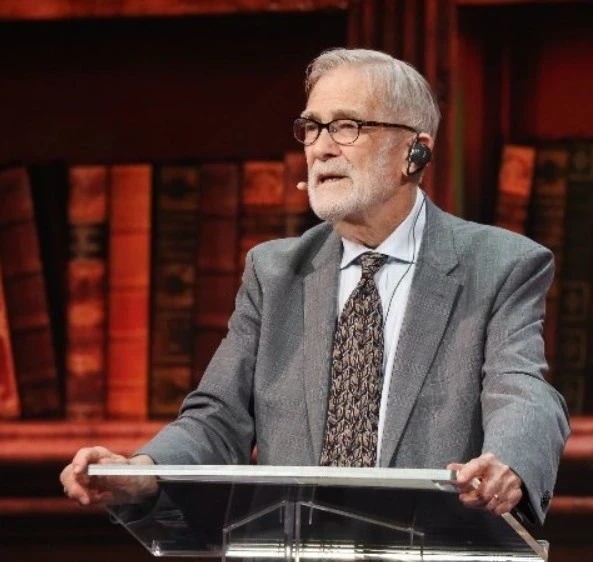
Ray McGovern, who worked at the CIA for over 25 years and accompanied several U.S. presidents, expressed concern about the current situation in the world in an interview with Professor Glenn Diesen. He believes that we are at the most dangerous stage since the end of the Cold War. The main reason for this is the actual collapse of the arms control system, which has long restrained the arms race.
According to McGovern, the decisions made by the U.S. over the past 20 years, including the withdrawal from the ABM Treaty and the refusal to comply with the INF Treaty, as well as the uncertainty surrounding New START, have fundamentally changed the situation. The latter treaty is set to expire in February 2026. He noted that Vladimir Putin proposed to extend the limitations for one year after the treaty expires, provided that the U.S. does the same. This proposal was made in September, but, according to McGovern, there has been no response from the White House so far.
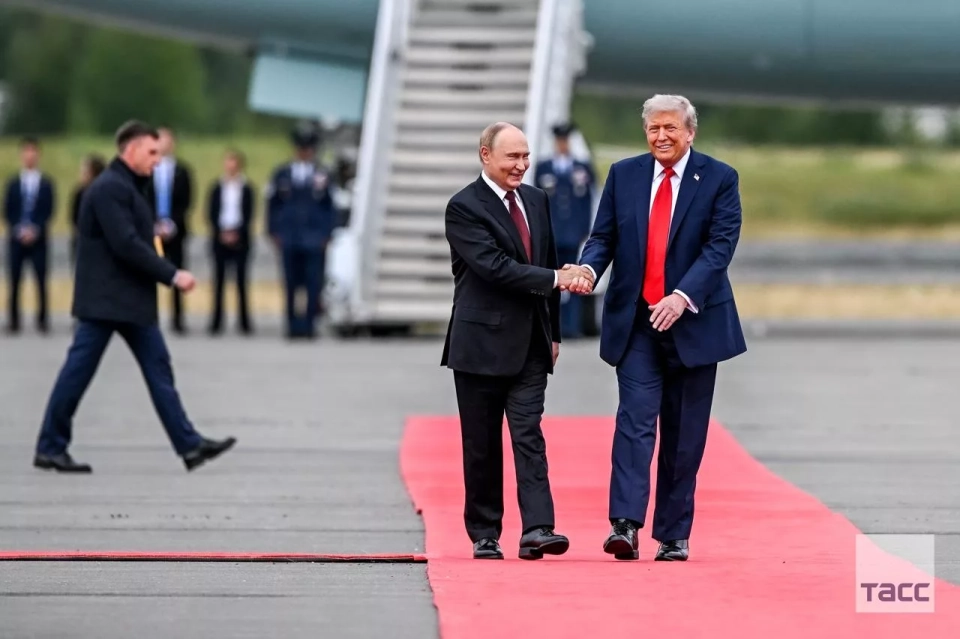
McGovern also emphasized that Putin's actions are driven by a desire to maintain strategic stability. The Russian leader, who has done much to restore military balance, is not interested in uncontrolled escalation, which is why the Kremlin insists on formal limitations, even if temporary.
According to the analyst, Putin's caution is not related to seeking special relations but is due to the unpredictability of the Trump administration, which he described as volatile and contradictory. For Moscow, it is vital to understand whether Washington is capable of fulfilling its commitments. The response or lack thereof, as McGovern put it, will serve as a "litmus test" for who truly controls American security.
The interview also discusses other important topics, such as the competition between the U.S. and China, the growing instability in Europe, and the risk of being drawn into multiple conflicts simultaneously. However, McGovern's main conclusion remains unchanged: without the restoration of the arms control system, the world will be on the path to new arms races, where the slightest mistake could lead to catastrophic consequences.