Additionally, this draft law proposes penalties for violations related to the certification of halal products and services.
At the same time, new approaches to the halal certification system are being developed, which include the digitization of the certificate issuance process and improving control over the production and labeling of products.
“These measures are aimed at protecting consumer rights and increasing trust in halal products in the country. Previously identified cases, such as the presence of pork DNA in the products of some manufacturers, have been successfully resolved after reviewing production processes and conducting repeated laboratory checks,” the Ministry of Economy stated.
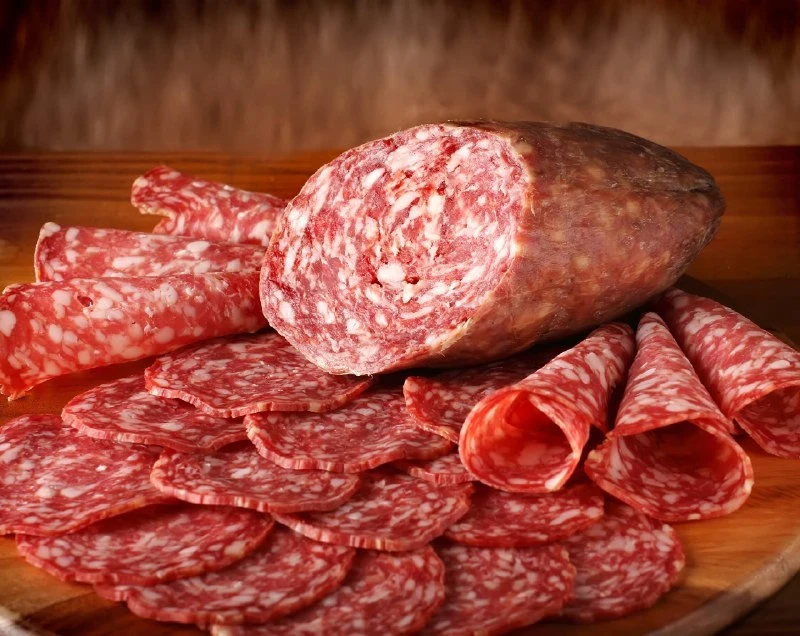
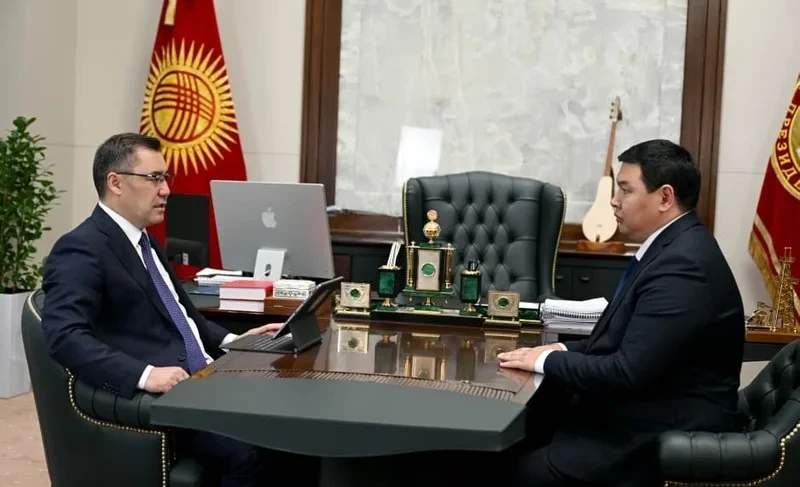
It is also worth noting that the Deputy Minister of Economy of the KR, Sultan Akhmatov, reported that the license of one of the sausage producers was revoked due to non-compliance with accreditation.
However, the company itself denied this information.
“Currently, we have halal certificates issued by accredited bodies. Our production processes comply with halal standards and undergo regular inspections,” the company noted in its official statement.
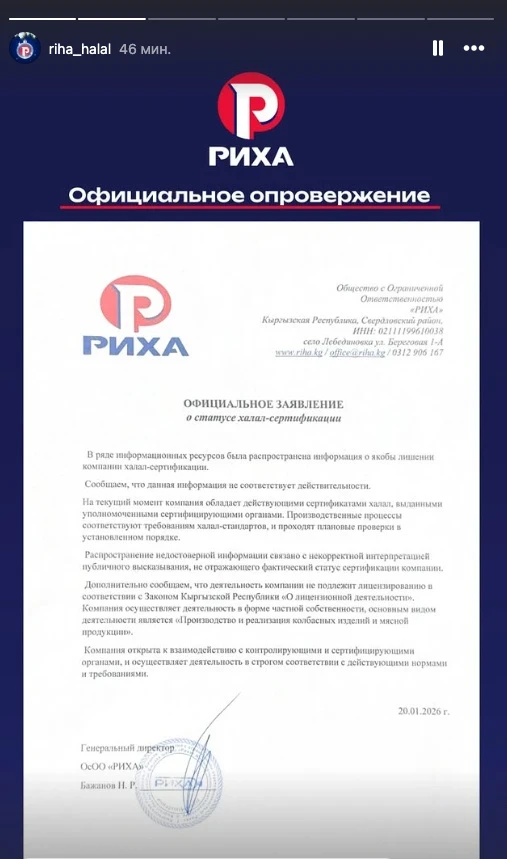
It is also clarified that the company's activities do not require licensing in accordance with the KR Law "On Licensing Activities." It operates as a private enterprise engaged in the production and sale of sausage products and meat products, strictly adhering to the current norms and requirements.