According to this joint statement, the new participants intend to support peace efforts. In particular, Saudi Arabia emphasized that the group of Muslim countries — Saudi Arabia, Turkey, Egypt, Jordan, Indonesia, Pakistan, and Qatar — supports the establishment of a permanent ceasefire in Gaza and the restoration of the region, striving for a "just and lasting peace."
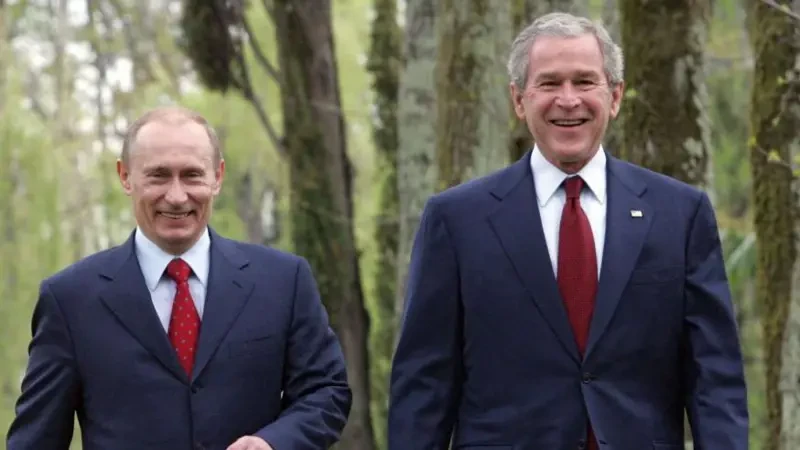
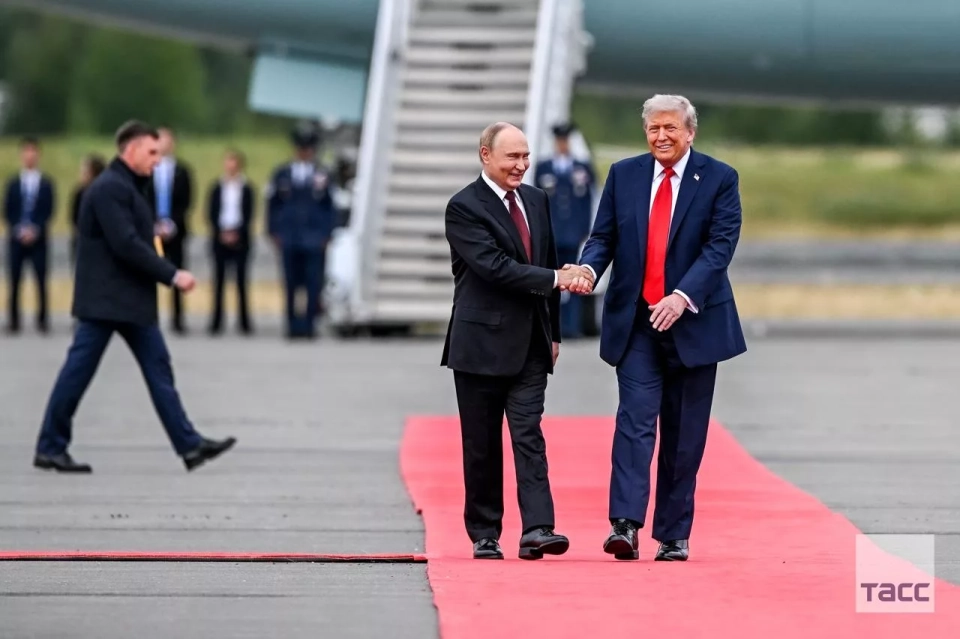
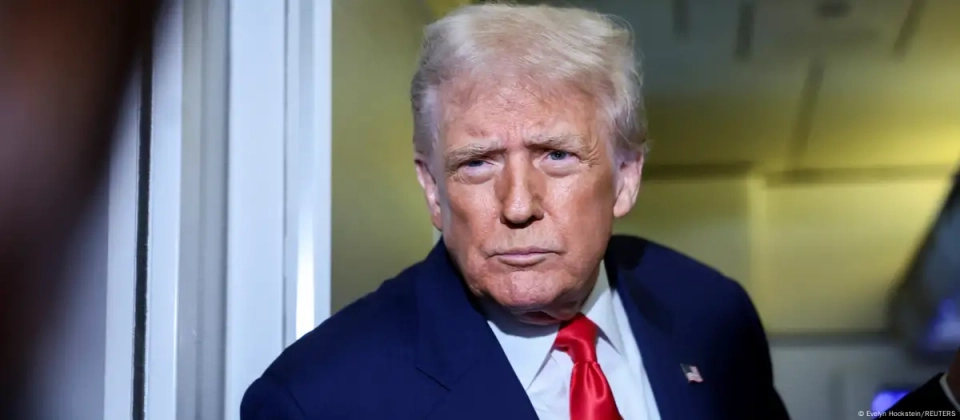
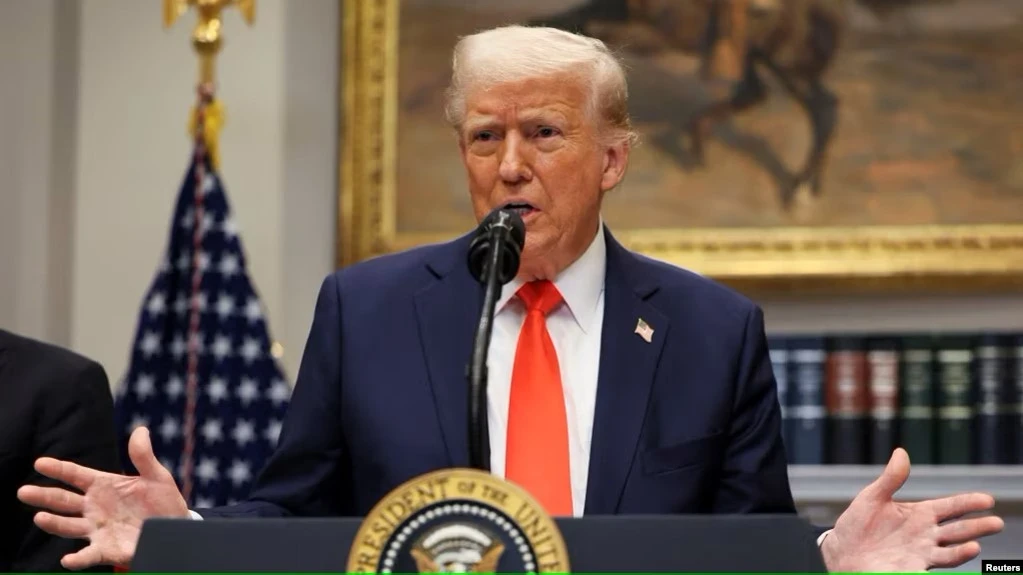
At the World Economic Forum in Switzerland, Trump announced that Putin accepted his invitation, adding, "Many people have agreed to participate." However, Putin quickly clarified that the issue of Russia joining the Council is still under discussion, as reported by Reuters. Additionally, he proposed allocating $1 billion from frozen Russian assets, emphasizing the importance of the council for the Middle East.
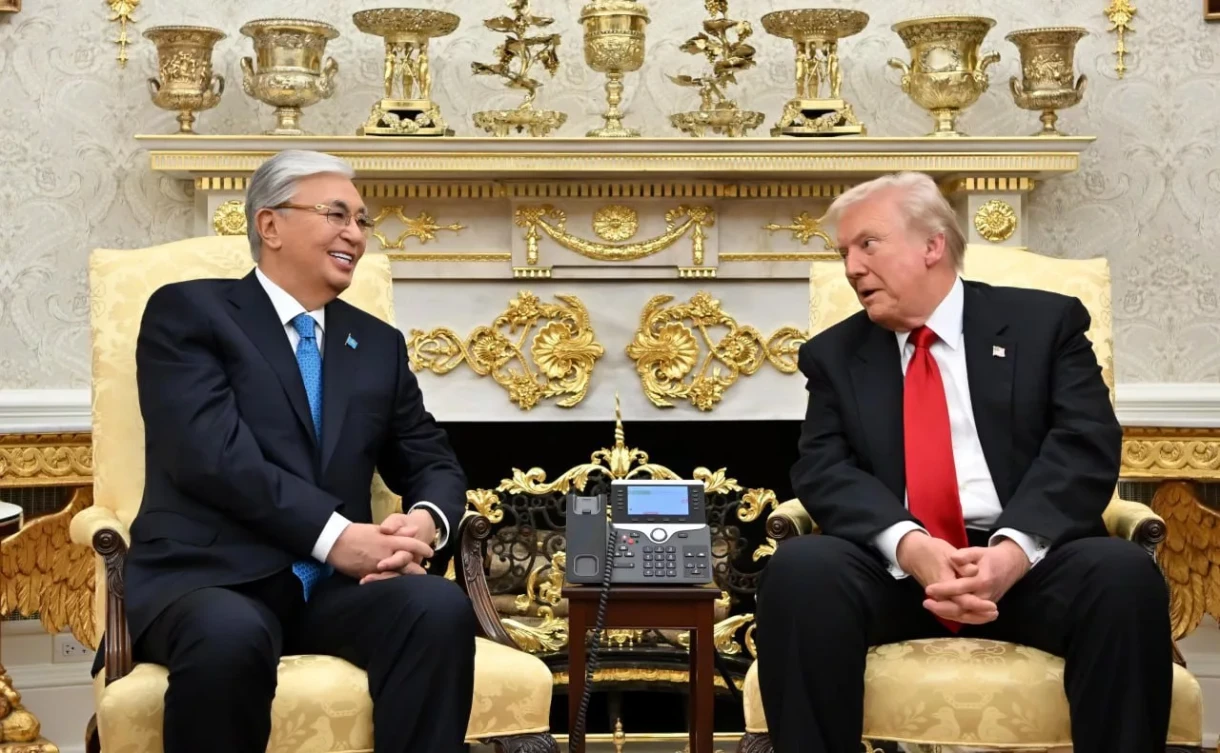
It should be noted that it is unclear how many countries were invited to participate in this new body, including such states as Canada and the United Kingdom, which have not yet made public statements. Some other countries, such as the UAE, Bahrain, Albania, Armenia, Azerbaijan, Belarus, Hungary, Kazakhstan, Morocco, and Vietnam, have already signed a cooperation agreement.
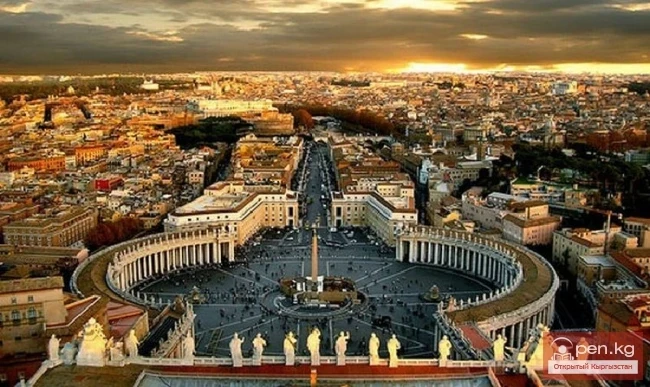
On Wednesday, the Vatican also confirmed receiving an invitation for Pope Leo. Vatican Secretary of State Cardinal Pietro Parolin stated that the Pope would need time to consider his participation.
However, Slovenian Prime Minister Robert Golob declined to participate, stating that this organization "dangerously interferes in the broader international order."
According to leaked information, the charter of the Peace Council will come into effect once three states officially agree to its terms. Council members will be granted renewable terms of three years, and permanent seats will be available to those who contribute $1 billion (740 million pounds sterling).
The charter declares the organization an international body empowered to establish peace in accordance with international law, with Trump serving as the chair and representative of the U.S., having the authority to appoint members of the executive council and manage subsidiary organizations.
Last week, the White House appointed seven members of the founding Executive Council, including U.S. Secretary of State Marco Rubio, Special Envoy for the Middle East Steve Vitkoff, Trump's son-in-law Jared Kushner, and former British Prime Minister Tony Blair.
Additionally, Nikolai Mladenov, former UN Special Envoy for the Middle East, was appointed as the council's representative in Gaza to implement the second phase of the plan, which includes reconstruction and demilitarization. The council's work will be based on a UN Security Council resolution and will last until the end of 2027.
On Saturday, Netanyahu's press service reported that the composition of the Gaza Executive Council "was not agreed upon with Israel and contradicts its policy." Israeli media noted that the decision to include representatives from Turkey and Qatar, who, along with Egypt and the U.S., facilitated the signing of the ceasefire agreement in October, was made "without Israel's involvement."
As part of the first phase of the peace plan, Hamas and Israel agreed to a ceasefire, a prisoner exchange, and a partial withdrawal of Israeli troops, as well as an increase in humanitarian aid.
Israel stated that it could move to the second phase only after Hamas hands over the body of the last deceased hostage.
However, the second phase faces serious difficulties, as Hamas has refused to disarm without the establishment of an independent Palestinian state, and Israel has not committed to fully withdrawing its troops from Gaza.
The situation remains tense. According to the Gaza Health Ministry, under Hamas control, more than 460 Palestinians have died as a result of Israeli attacks since the ceasefire began, while the Israeli military reported three soldiers killed by Palestinian attacks.
The conflict began on October 7, 2023, when Hamas attacked southern Israel, resulting in approximately 1,200 deaths and the capture of 251 hostages.
Israel's response was to initiate a military operation in the Gaza Strip, during which, according to local authorities, more than 71,550 people have died.