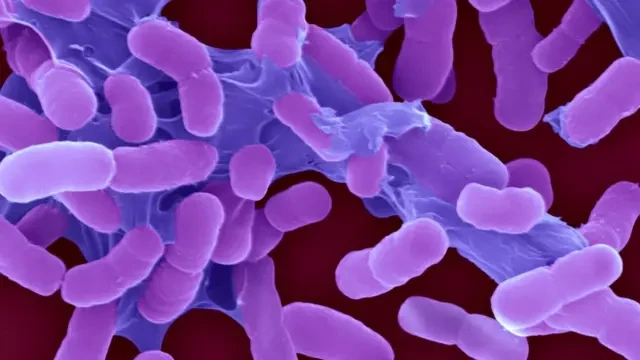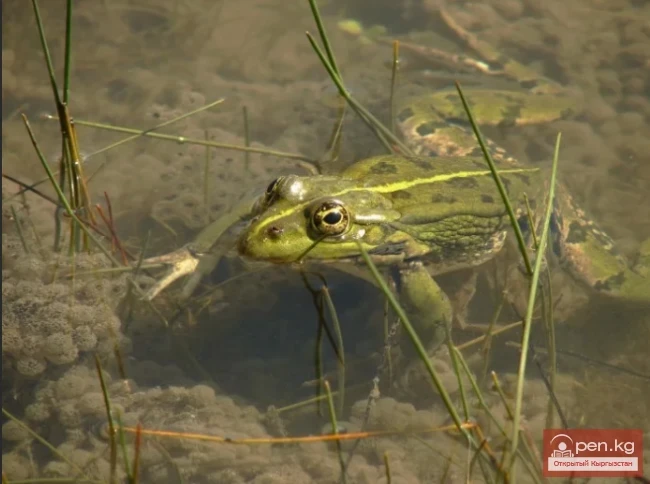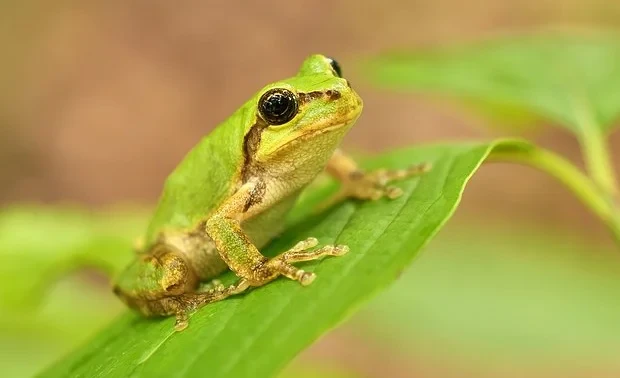
Recent studies have shown that the intestinal microflora of the Japanese tree frog contains an astonishingly effective anti-cancer agent. In experiments on mice, one of the isolated bacterial strains demonstrated the ability not only to completely destroy tumors but also to prevent their recurrence, all without significant side effects. These results were published in the journal Gut Microbes.
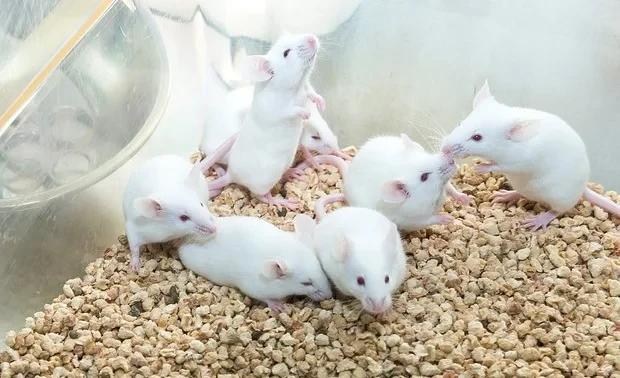
Researchers noted that cancer is extremely rare in amphibians and reptiles. In their experiments, they tested 45 different strains of bacteria extracted from frogs, newts, and lizards, and found several with anti-tumor properties. The most effective was the strain Ewingella americana, taken from the intestines of the Japanese tree frog: a single administration led to the complete disappearance of tumors in the test animals.
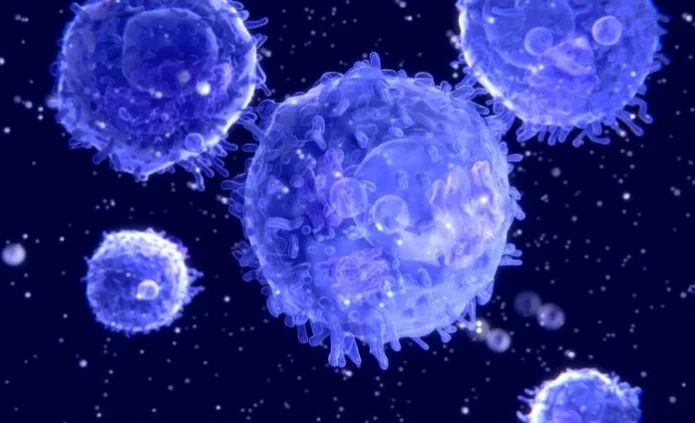
Further analysis showed that the action of this bacterium occurs through two mechanisms: it directly damages tumor tissue while simultaneously activating the body's immune response. After the introduction of the strain, there was an increase in the activity of T and B cells, as well as neutrophils, which contributed to the self-suppression of cancer cells. Scientists suggest that the bacterium's high resistance to the low oxygen levels characteristic of tumors plays an important role in its effectiveness.
The authors of the study emphasize that at this stage, these are only preclinical results, and before any potential application for humans can be considered, further research on safety and efficacy is necessary.