For a long time, scientists have known that physical activity can reduce the likelihood of developing cancer, but the mechanism behind this phenomenon remained unclear. However, a new study conducted on mice has provided important clues: it turns out that exercising alters metabolism, supplying muscle cells with the necessary energy, while cancer cells lose access to the resources needed for growth.
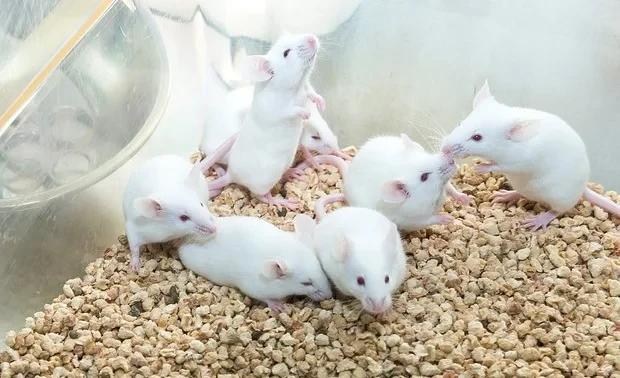
In the experiment, mice with breast tumors and melanoma were divided into groups based on their activity levels and diet. The rodents in the active groups regularly used running wheels, while researchers observed the processes of glucose and energy metabolism in their bodies.
After four weeks, the tumors in the active mice had significantly decreased in size, especially in those who were obese and followed a high-fat diet. In these animals, tumor size shrank by almost 60%, and the level of the protein mTOR, which plays a key role in the growth of cancer cells, also decreased.
During the study, 417 metabolism-related genes were identified that functioned differently in active and sedentary mice. Glucose emerged as a key element: physical activity promotes the redistribution of glucose in the muscles, which, in turn, deprives the tumor of nutrients and forces cancer cells into survival mode.
These results underscore the importance of physical activity as a factor in cancer prevention and health maintenance. However, the effectiveness of exercise in slowing tumor growth may depend on its duration.
The research team plans to continue their experiments on human tumors to determine which types and durations of physical activity have the greatest impact. This could lead to the development of new approaches in the fight against cancer.