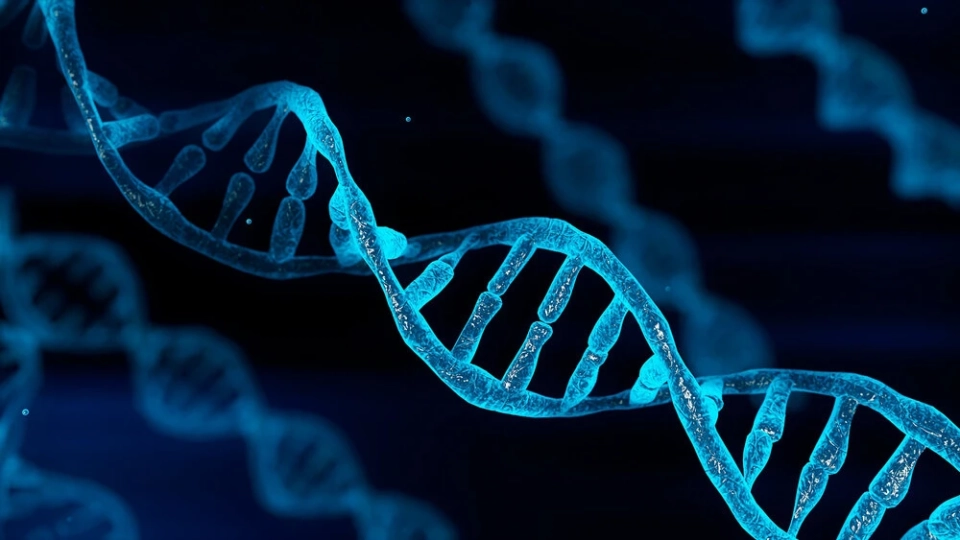
According to the proposed model, such conditions could have existed in aquifers surrounded by basaltic rocks. Similar geological formations can be observed today, for example, in Iceland and Hawaii. Simple organic molecules formed in the atmosphere from carbon dioxide and formaldehyde entered water bodies, where, interacting with boron, they transformed into ribose—a sugar that is part of RNA. Then, phosphorus compounds linked ribose with nitrogenous bases, forming nucleotides—the building blocks of RNA.
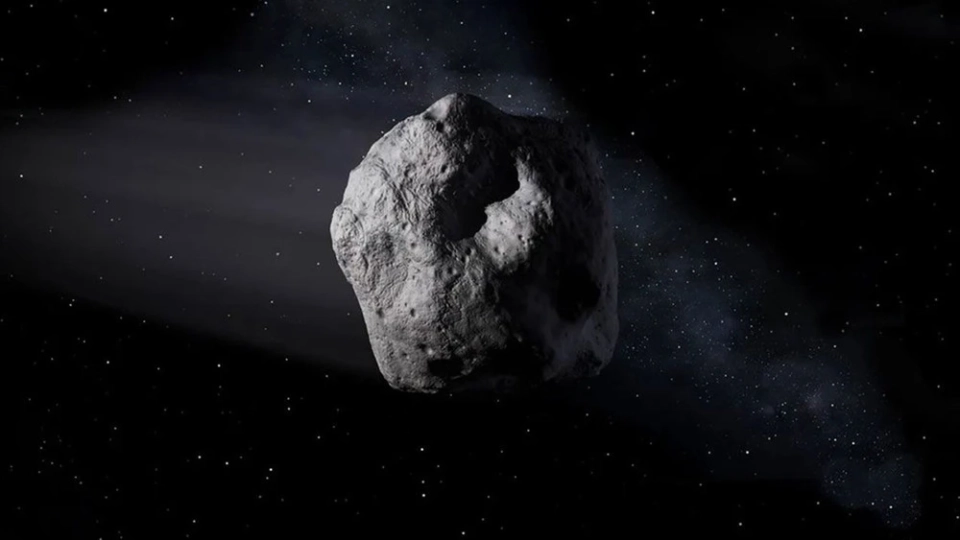
The study also pays significant attention to the impact of asteroid impacts. Scientists suggest that collisions with bodies about 500 km in diameter temporarily saturated the atmosphere with iron, creating reducing conditions necessary for the synthesis of nitrogenous bases. At the same time, the impacts were not strong enough to destroy existing organic matter, creating favorable conditions for the emergence of life.
Furthermore, researchers propose that similar conditions may have been observed on ancient Mars during a period known as Noah's—about 4 billion years ago. Significant deposits of borates have been found on the surface of this planet, and the atmosphere and water resources may have been more suitable for the synthesis of organic compounds than on early Earth. However, it remains unknown whether these processes led to the emergence of life on Mars and whether it exists there today.
The study emphasizes that the proposed time for RNA synthesis predates the data from molecular clocks, which indicate the divergence of the three kingdoms of life on Earth (about 4.2 billion years ago), as well as the appearance of isotopic "light" carbon in zircons aged 4.1 billion years, which may be one of the oldest pieces of evidence for life on Earth. Nevertheless, scientists acknowledge that one of the key problems remains unresolved: how homochirality—identical "mirror" properties of all RNA molecules necessary for Darwinian evolution—originated.
Recently, the Perseverance rover discovered rocks in the Jezero crater that may indicate the presence of ancient microbial life. The corresponding study was published in the journal Nature and describes unusual mineral formations in the Martian Bright Angel formation.