The events of August 2024, when the "Awami League" (AL) government was overthrown, marked a turning point for Bangladesh. Mass protests, driven by dissatisfaction with corruption and social inequality, led to the formation of a temporary administration headed by Nobel laureate Muhammad Yunus. It was expected that the new government would ensure higher standards in human rights and greater transparency.
However, according to human rights defenders, the situation remains alarming. The organization Odhikar reported over 40 cases of extrajudicial killings in the 14 months following the change of power. Among them, 19 people died from gunshot wounds, 14 as a result of torture, and seven from beatings.
A comparison of statistics before and after the change of power shows that systemic issues within government structures remain relevant.
The issue of detention conditions is also worsening. According to Ain o Salish Kendra (ASK), from January to October 2025, 28 detainees died in prisons, most of whom were in Dhaka district, where high levels of political arrests and prolonged pre-trial detentions are observed.
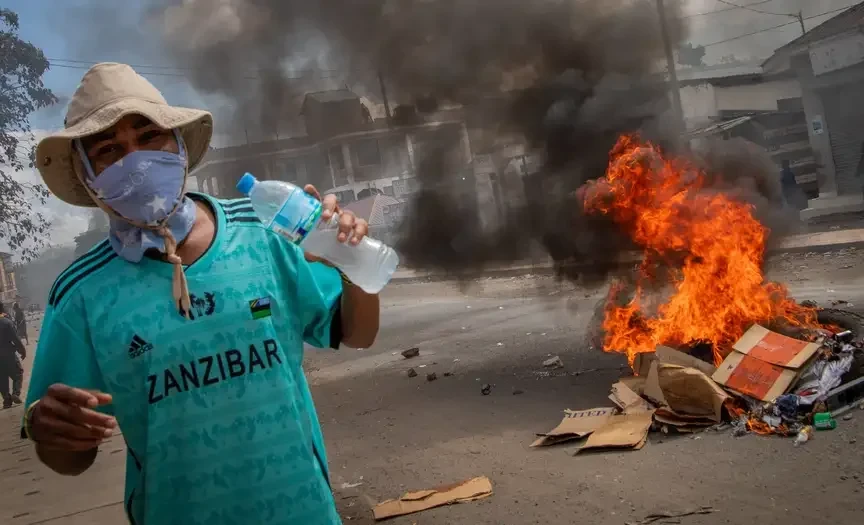
There is also a rise in mob violence, reflecting citizens' distrust in the justice system. From January to October 2025, about 165 people fell victim to lynchings, indicating a decline in trust in law enforcement and judicial systems.
Freedom of speech is under threat. From January to October 2025, there were 351 recorded cases of journalist persecution, including 109 cases of physical violence.
The situation regarding minority rights is also concerning. During the specified period, 39 attacks on representatives of religious communities were registered, significantly exceeding the figures for 2023 and 2022. Additionally, media reports indicate an increase in conflicts within Muslim communities, including attacks on Sufi shrines and restrictions on cultural events.
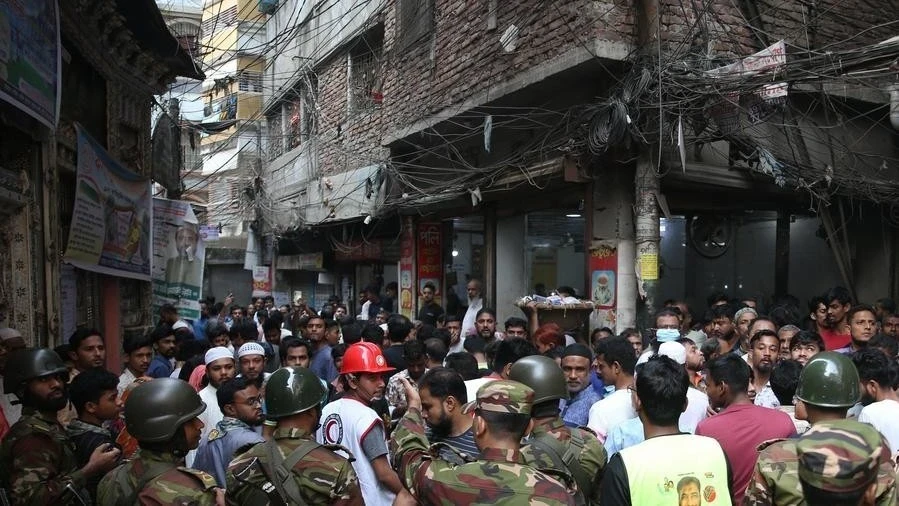
Human rights organizations emphasize that the functioning of government structures has not undergone significant changes following the political transition. According to ASK, from January to October 2025, 35 people died as a result of violence from law enforcement agencies, including 14 cases during "shootouts" prior to arrest and 9 deaths following torture.
International human rights organizations, such as Amnesty International, point to ongoing mass arrests and insufficient accountability of law enforcement agencies. Although the establishment of a Commission to investigate enforced disappearances was seen as a positive step, many commitments to protect civil and political rights remain unfulfilled.
Economic difficulties are also putting pressure on the situation. High inflation, a decline in investor confidence, and significant debt burdens hinder the government's ability to implement long-term reforms necessary to improve conditions in the penitentiary system, enhance the qualifications of law enforcement personnel, and strengthen the judicial system.
The referendum and national elections scheduled for February 2026 will be a key stage in assessing the temporary administration's ability to strengthen accountability mechanisms and protect human rights.