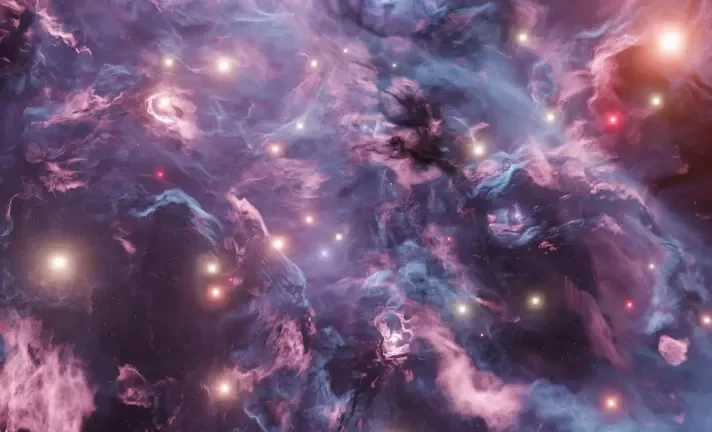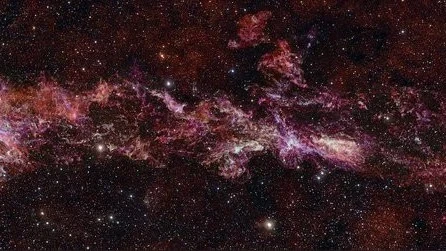
This image provides new opportunities for studying the process of star and planet formation when they are in close proximity to each other. According to astrophysics professor from the University of Liverpool, Steve Longmore, this is likely how most stars in the universe formed.
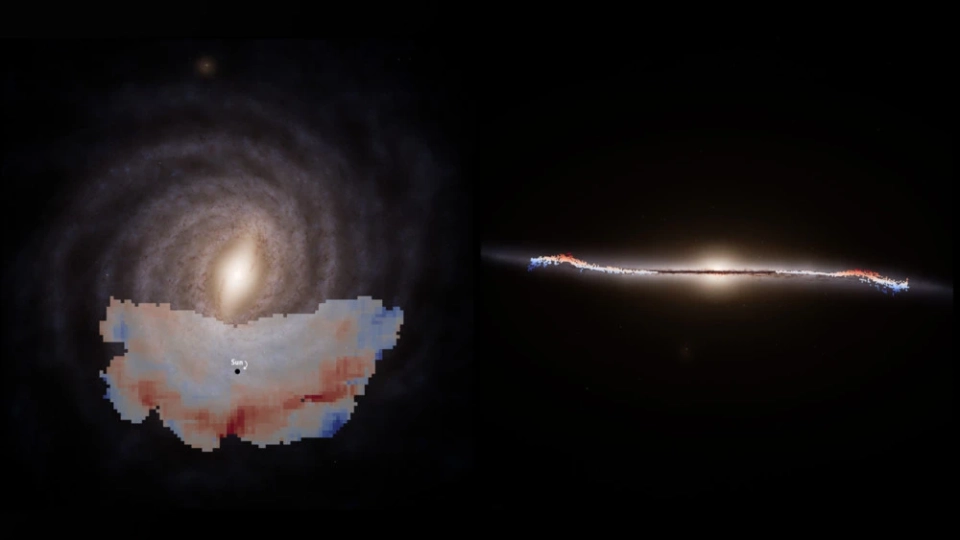
To date, this is the most detailed image of the central region of the Milky Way, displaying the distribution of both simple and complex molecules. The snapshot also offers a unique view of the cold gas from which stars are formed.
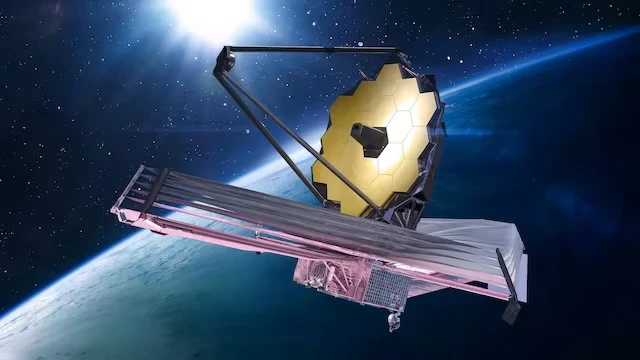
The radio telescope used to capture this image is located on the high-altitude Chahantor plateau and includes 66 mobile antennas. Scientists can alter their configuration by spreading the antennas up to 16 kilometers apart.
Previously, astronomers established that there may be more than a hundred stellar-mass black holes at the center of the Milky Way star cluster. According to scientists' calculations, these black holes play a key role in forming the unusual structure of this cosmic object, characterized by a sparse core and a long "tail" of stars extending for tens of thousands of light-years.