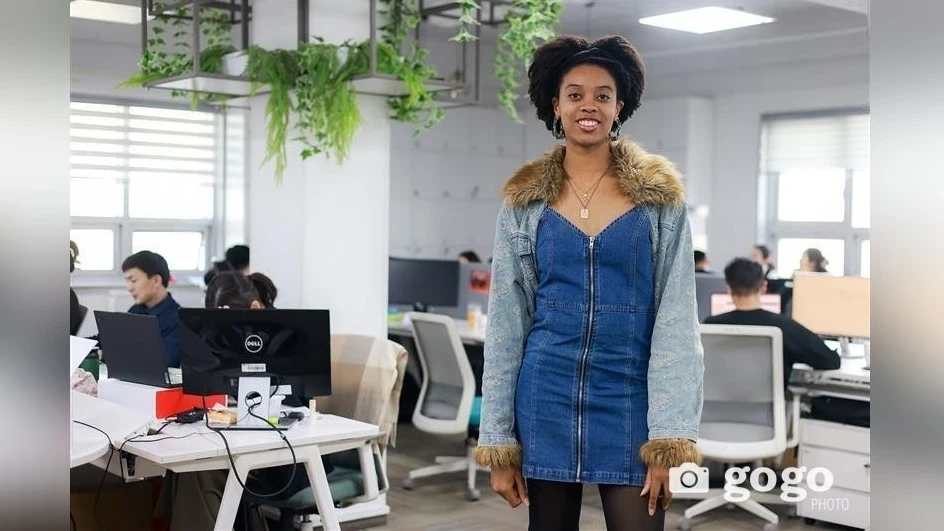
Fay Steel: Life in Mongolia has taught me patience.
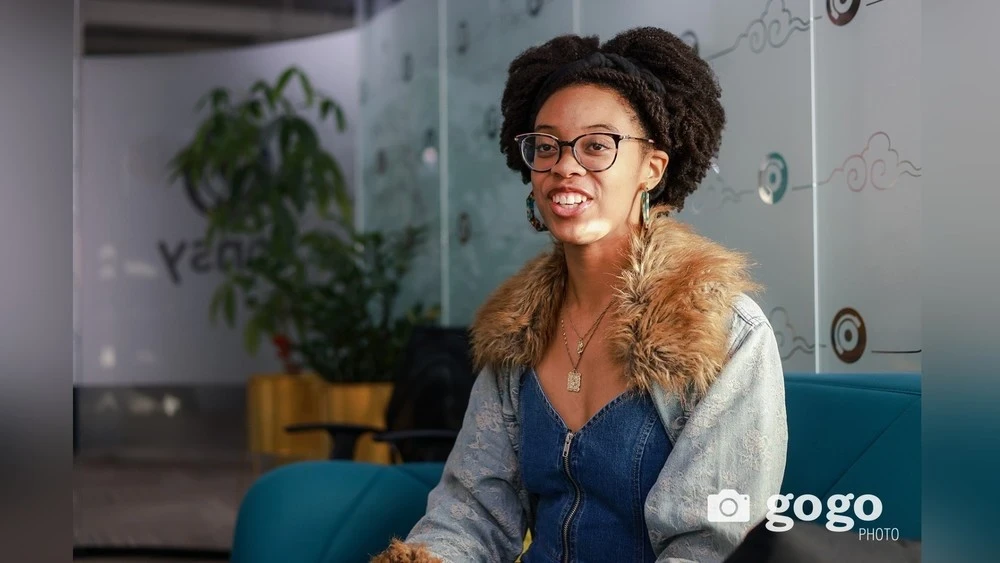
In this edition of the "Mongolia through the eyes of a foreigner" series, the website GOGO spoke with Fay Steel, a citizen of the United States. She is currently working at Mobicom, focusing on ESG strategies, and has been living in Mongolia for over a year, reports MiddleAsianNews.
— Tell us a little about yourself.
— I’m Fay Steel, originally from New York. When I tell people in Mongolia that I’m from New York, they usually get very excited and ask, “Do you live close to Times Square?” I explain that I actually live on Long Island, which is about 30 minutes by train from the city.
Long Island is surrounded by the ocean and bays, so there are many beaches and national parks. It is also famous for its history, and there are some Gatsby-era houses that are open for tours, which I enjoy visiting with my family in the summer.
I work as a sustainability specialist and previously spent over five years in the nonprofit sector, conducting research in sustainable development and engaging with policy experts for a deep understanding of environmental issues and opportunities.
Now I work at Mobicom; this is my first experience in a large company, so I am learning a lot. The tech sector is completely new to me. Previously, I mainly worked in finance and focused on sustainability in the U.S. and other countries, but not specifically in Mongolia. Now I am learning about both Mongolia and the tech industry.
— What were your first impressions of Mongolia?
— I arrived here a year and two months ago. Upon landing at the new Chinggis Khaan International Airport, I immediately noticed the mountains, which amazed me. In New York, where I live, there are no mountains. I thought, “How wonderful it would be to climb these mountains or ski down them, enjoying nature.”
I was also surprised by the modernity of the city, especially the new buildings. Since I moved here, many new structures have been built in Ulaanbaatar. New York is a very old city, and there aren’t many new projects. I am impressed by how rapidly Ulaanbaatar is changing.
— Why did you decide to move to Mongolia?
— I came here through the Princeton in Asia Fellowship program. Each year, this program selects up to ten fellows to work in Mongolia in various organizations and universities. This year, there are six fellows, and I am one of them.
The program also offers internships in other Asian countries, such as Japan and Thailand. However, Mongolia was my preference due to the many opportunities related to sustainability, which perfectly aligns with my career interests.
My first work experience in Mongolia was at the Mongolian Sustainable Finance Association, which kickstarted my career in this field within the context of Mongolia.
— This is your first job abroad, right?
— Yes, this is my first experience living abroad.
— How is your adaptation to life in Mongolia going?
— Life here is quite different from what it was at home. One of the first things I noticed was the high altitude of Ulaanbaatar. The city is significantly higher than New York, and at first, it caused fatigue and difficulty breathing. Over time, I got used to it, and now I feel fine.
Air pollution has become a serious issue for adaptation. Even in New York, I didn’t encounter such levels of pollution. In winter, I use special masks for protection. I am surprised when I see foreigners without masks, but I try to be cautious about health matters.
The cold weather also poses challenges. Although there is snow in New York, here the temperature sometimes drops to minus 20 degrees and below. Fortunately, in Mongolia, you can find great winter clothing. I bought warm items made from yak wool, camel wool, and cashmere at the Naran Tuul market and Sunday Plaza shopping center.
— Where do you live and how do you get to work?
— I live near the office, not far from the amusement park. My commute takes less than 10 minutes on foot. Even at my previous job, I lived close to the office. I used to live near the circus, but this year I moved closer to the park due to my new job. I usually use public transport only on weekends since the roads are very congested on weekdays, and walking is much more convenient.
— How do you spend your free time in Mongolia?
— My colleagues think I am very active, but sometimes I feel like I’m not doing enough since there is so much interesting stuff in Mongolia!
I joined a badminton club and was a member of the “Khatun” club near the Wrestling Palace last year. This year, I am playing in another club near the Tengis cinema, where I practice two to three times a week. On weekends, I sometimes go with friends to local basketball and volleyball matches.
I also enjoy opera, ballet, and movies. I am always looking for new experiences. I have made many interesting acquaintances and participate in events that I enjoy. I try to stay open to new opportunities outside of work.
— What is your favorite Mongolian dish?
— My favorite dish is bantan, which is considered a hangover food. People are surprised when I say this and joke that it’s baby food. But I like its simple and pleasant taste. I often encounter it on trips to the countryside, but it’s quite hard to find in Ulaanbaatar.
— Have you traveled outside the city? What places impressed you?
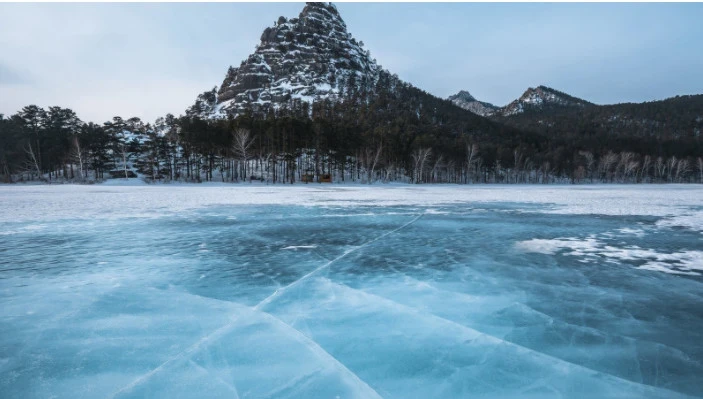
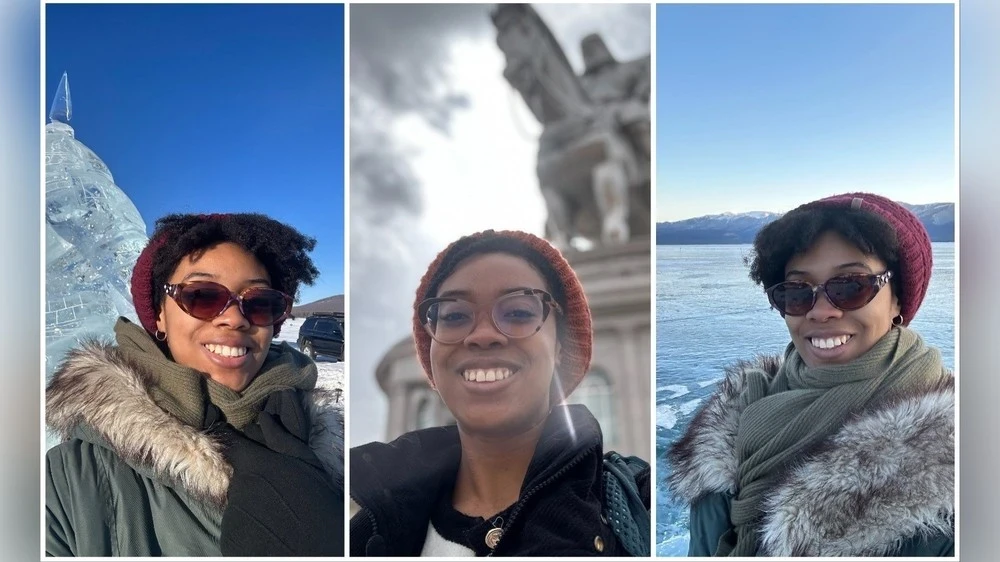
— Yes, I have visited several aimags. Recently, I was in Uvs aimag for the Naadam festival and in Khövsgöl aimag for the Ice Festival. I also participated in a countryside retreat with young professionals and rode camels with the Brilliant Tree Fund project team.
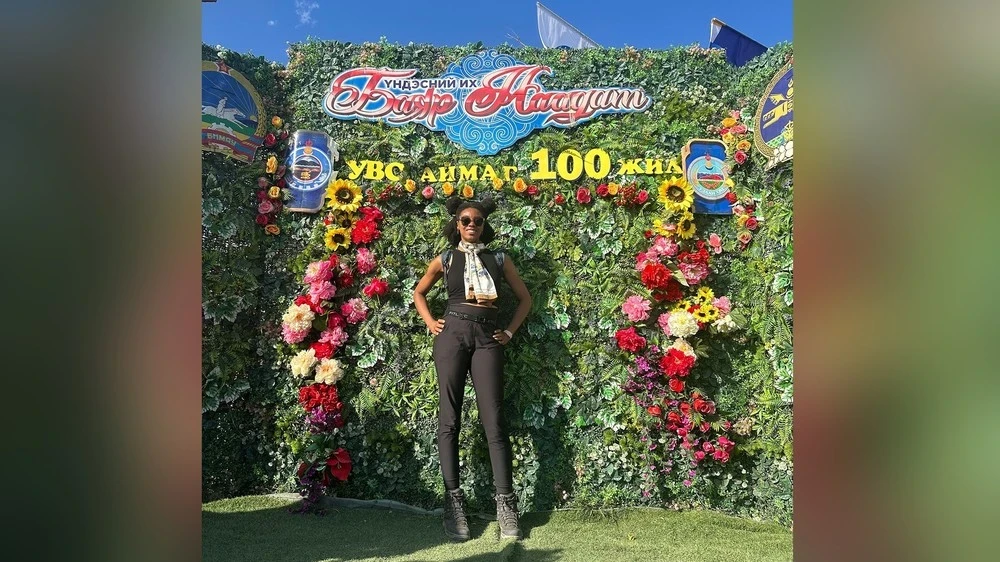
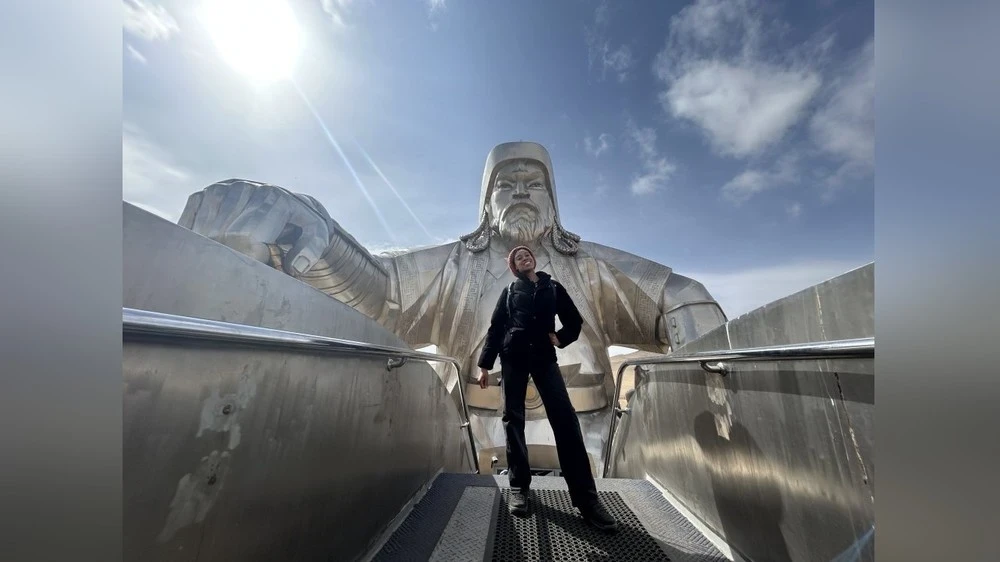
I visited the birthplace of Chinggis Khaan, which left a strong impression on me. I also went to Bulgan aimag. Each trip opened up new and exciting aspects of Mongolia for me.
— Are you studying the Mongolian language?
— Yes, studying the Mongolian language is an important part of the Princeton in Asia Fellowship program. I started learning the language a month or two before moving and continue to take lessons at the American Center for Mongolian Studies. My teacher is wonderful and helps me with pronunciation, making the learning process enjoyable.
— How difficult is the Mongolian language compared to other languages?
— Actually, I find it easier than Japanese or Chinese, which I tried to learn earlier. I speak English and a little Spanish, and Mongolian has become my third language.
I can speak a little Mongolian, although I am still shy about it. I prefer to communicate through text messages, but my colleagues support me, and I hope to become more confident in my skills soon.
— What impressions do you have of traditional holidays like Naadam and Tsagaan Sar?
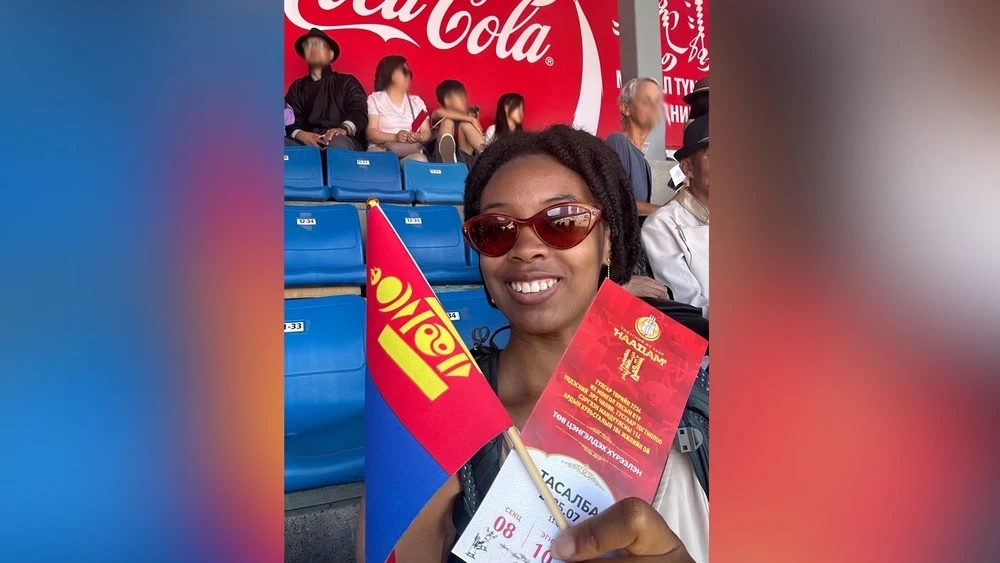
— Naadam made a big impression on me, especially the three traditional sports — wrestling, archery, and horse racing. At first, I didn’t understand how the competitions were held and how winners were determined. But once I understood, I had fun along with everyone else. The celebration in Uvs aimag was particularly memorable — the food, atmosphere, and performances were amazing.
— How would you characterize the corporate culture in Mongolian companies?
— In Mongolia, the work culture seems more flexible. There is still a sense of hierarchy, especially at Mobicom, due to the Japanese influence of the parent company KDDI. However, overall, there is more flexibility — lunch breaks are often longer than in the U.S.
In the U.S., lunch breaks usually last from 30 minutes to an hour, after which people immediately return to work. In Mongolia, colleagues seem more supportive, and I find it easy to communicate with management, ask for help, and share my ideas. My suggestions have received positive feedback, for which I am very grateful.
Corporate events also have their own characteristics.
Last year, I attended the Naadam ceremony in Ulaanbaatar and then participated in the Naadam celebration for the 100th anniversary of Uvs aimag. In Mongolia, senior executives tend to actively participate in corporate events rather than just appearing briefly. This creates a warmer and friendlier atmosphere.
— What services or technologies would you like to see in Mongolia?
— I would like to improve the postal and parcel delivery system. Even now, it is quite difficult to receive a package. I usually order items to the office to ensure they reach me.
When I returned to the U.S. for a few months in the fall while waiting for a new visa, friends asked me to bring things back with me since it was easier than ordering online. Given how much delivery services have expanded after COVID-19, I see this as an opportunity for significant improvements.
— What is the most important thing you have learned since arriving in Mongolia?
— Patience. Life in Mongolia has taught me patience both in work and in communication with people. Mongolians sometimes take their time to open up to strangers, especially foreigners. I have learned to be persistent, friendly, and open. Over time, people begin to trust, and meaningful relationships develop between us.
— How many friends among Mongolians have you made outside of work?
— I have met many people through my active lifestyle. I participate in the Global Shapers community, which brings together young professionals in Ulaanbaatar. There are about 20-30 people in the community, and we often organize joint events.
I have also made friends at events like Creative Mornings and in a running club. Although I don’t run in winter due to air pollution, I still keep in touch with the people I met there.
— Do you have a boyfriend?
— No, this is one of the first questions my colleagues ask me — whether I am married or have a boyfriend.
— Have you ever been asked out on a date?
— Yes, since I moved here, I have been on dates a few times. They were all interesting and pleasant. The men were respectful and kind.
— How do you assess Mongolian youth, especially Generation Z?
— Technically, I belong to the older generation of Gen Z, so sometimes I feel closer to millennials. Nevertheless, I am impressed by Mongolian Gen Z youth. Many of them are becoming homeowners, obtaining professional certifications, reading a lot, and showing great ambition.
I admire their dedication to their country and their desire to improve its future. Even those studying or working abroad often return to contribute to Mongolia's development. This sense of responsibility and optimism is inspiring.
— Is there anything you would like to say during the interview?
— Many foreigners, even those who have lived here for many years, see the enormous potential of Mongolia and genuinely believe in its future. I think local residents sometimes need to look at their country from a new perspective and appreciate its opportunities more deeply.
— Thank you for your time.