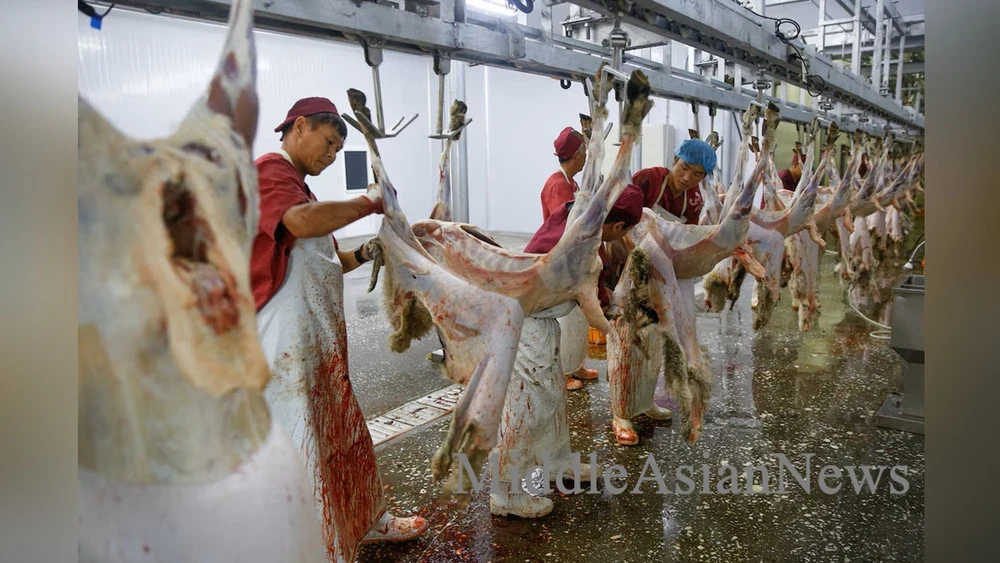
The interaction between Mongolia and China in the field of meat trade is strengthening.
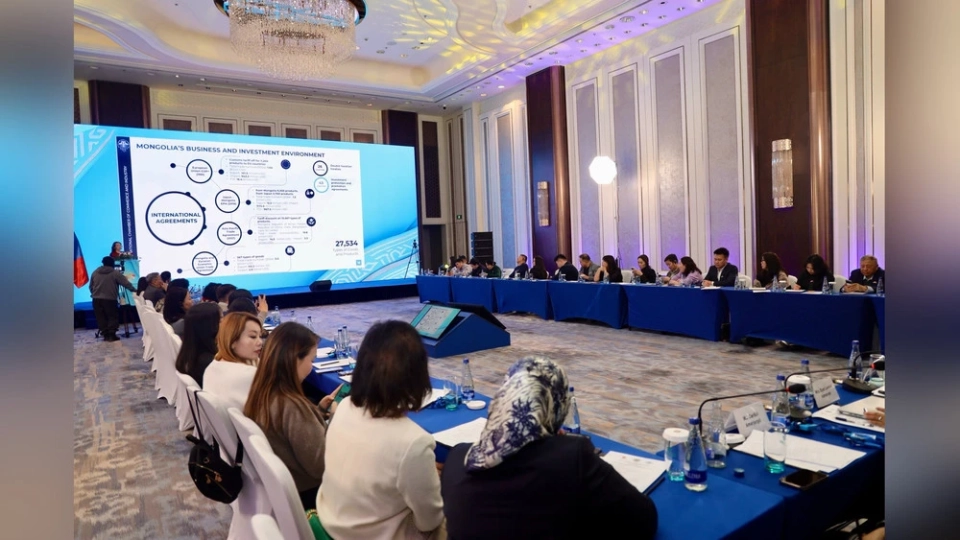
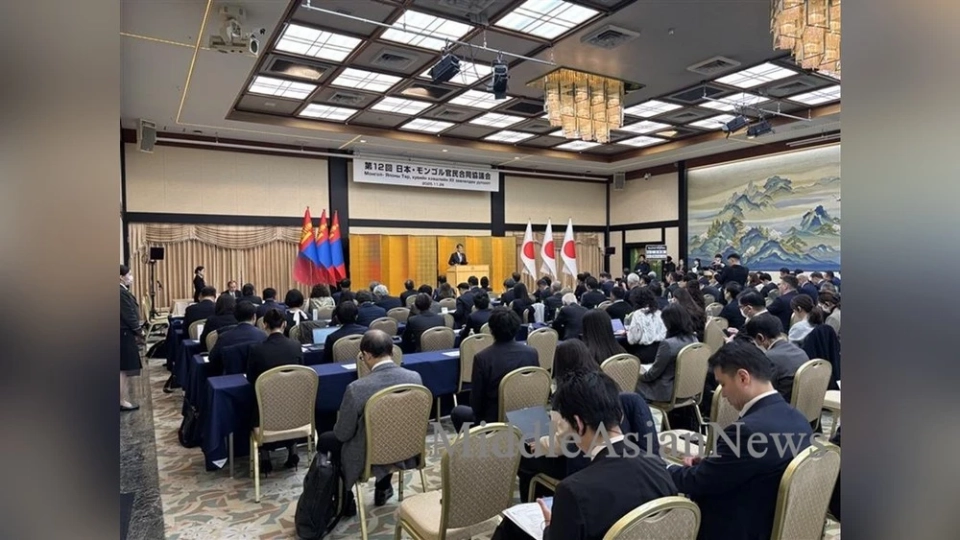
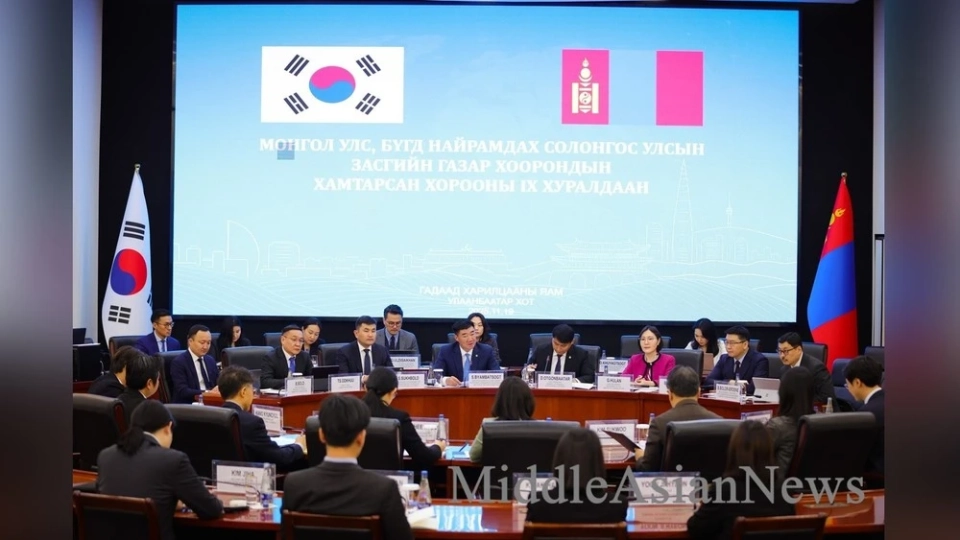
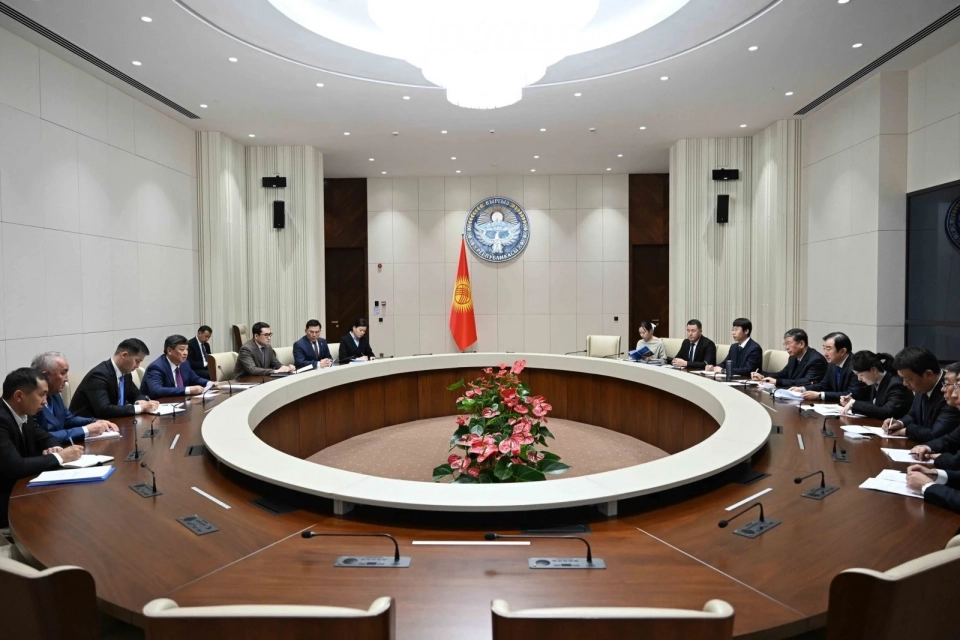
Given the growing interest in meat products in the Chinese market, Mongolia is receiving excellent opportunities to develop its meat industry. The second technical seminar on meat trade issues took place on November 28, 2025, in Beijing.
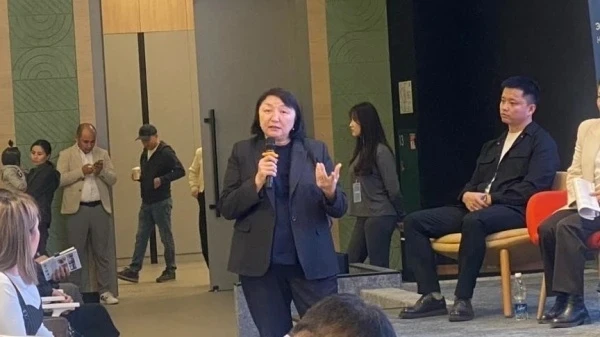
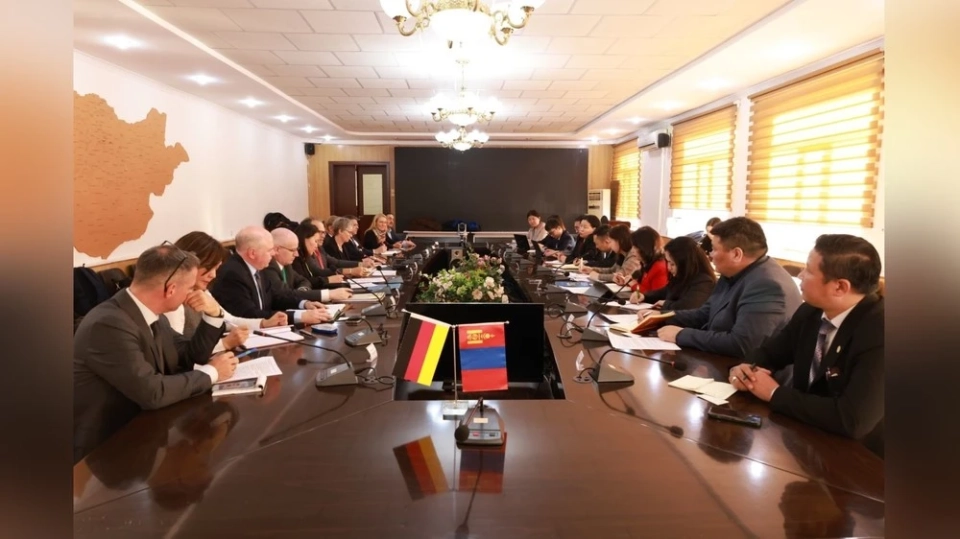
At the seminar, representatives from government structures, associations, and the private sector of both countries discussed various aspects of trade, food safety, and export regulation. Round tables were also organized to analyze opportunities for increasing trade volumes and simplifying export processes.
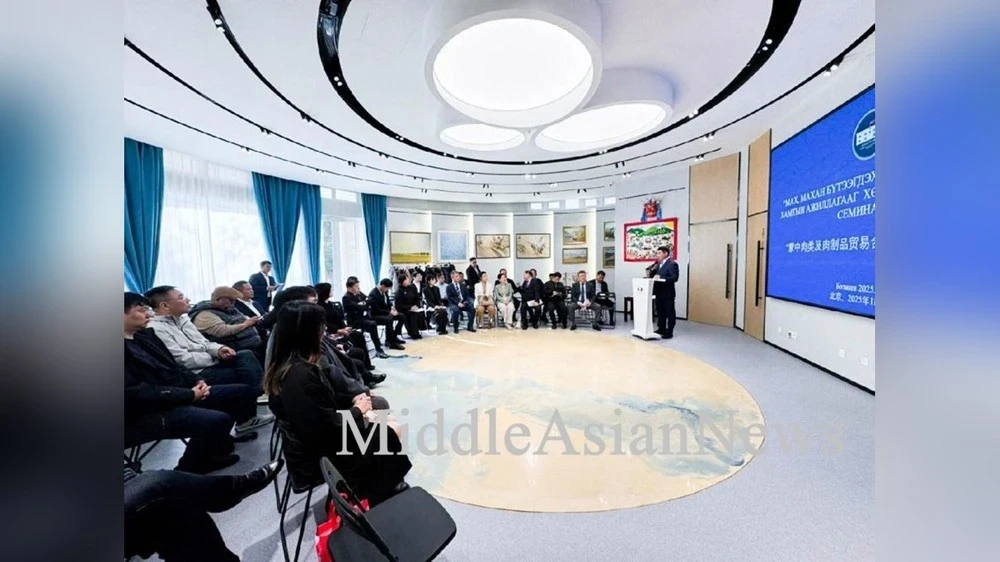
The Ministry of Food, Agriculture, and Light Industry of Mongolia reported on the agreements reached to expand export opportunities, introduce new types of products, and ensure compliance with hygiene certification to international standards.
Issues of harmonizing legislation, improving information exchange, and joint measures to combat dangerous diseases were also discussed. Participants noted the importance of increasing transparency and efficiency in the certification and inspection processes in the field of meat import and export.
At the concluding meeting, the parties agreed on further cooperation in the areas of meat trade, food safety, and regulatory systems, which will open new prospects for both the public and private sectors.
Seminar participants noted that the foundations were laid for addressing existing issues in meat production and export, as well as for forming mutually beneficial partnerships between the two countries.
The results of the event are expected to significantly impact bilateral trade relations and the food supply chain, marking an important step towards future cooperation.
The seminar was organized by the Ministry of Food, Agriculture, and Light Industry of Mongolia, the Embassy of Mongolia in China, and the Mongolian Meat Association.
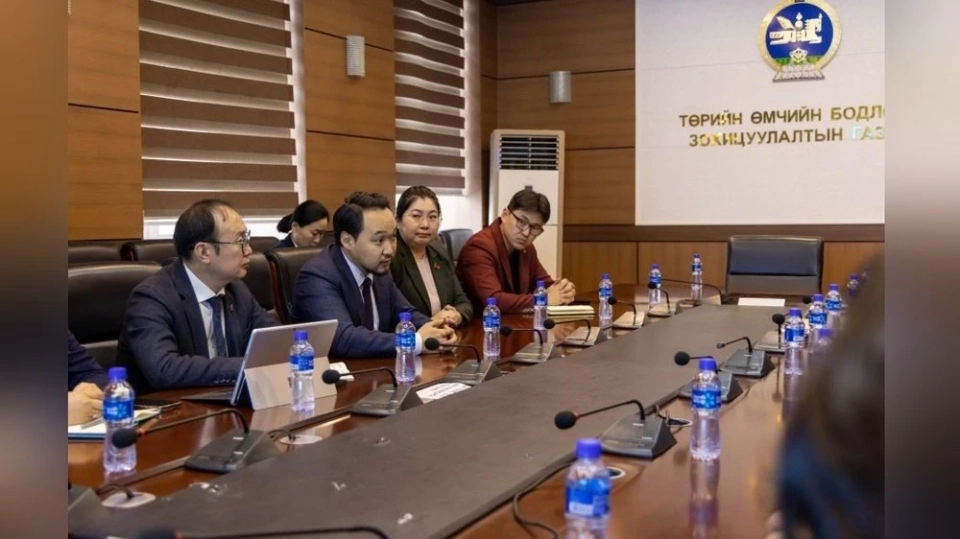
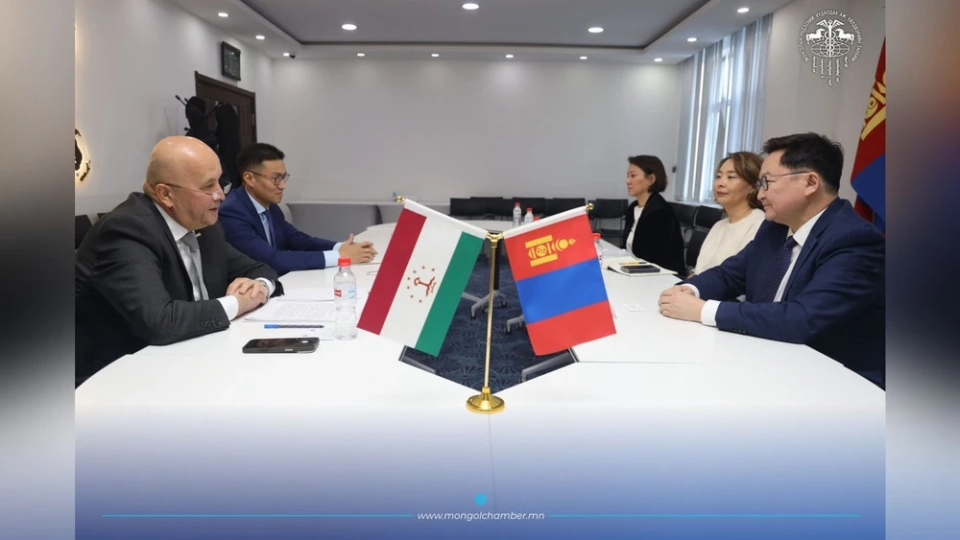
On November 19, 2025, a meeting was held between representatives of the ASDIP project implementation group and the leadership of the Mongolian Meat Association, where issues related to the meat value chain and biosecure livestock farming were discussed.
The ASDIP team presented fattening models for various types of livestock, as well as meat production schemes within the framework of a biosecure livestock complex planned for implementation in the Uvs, Khovd, and Bayan-Ölgii regions. The Mongolian Meat Association provided data on market demand and export potential, emphasizing the importance of expanding horse meat exports to Central Asia.
The meeting also discussed issues of optimizing herd management, including the balance between breeding and commercial livestock, aiming to ensure 30% of the national herd for commercial turnover, and the need to enhance the financial and business literacy of livestock breeders.
The parties concluded that there is a need for a deep analysis of the meat value chain, including financing and distribution mechanisms, improving by-product management, and creating successful models of public-private partnerships. The importance of developing business models and standards based on cooperatives was also emphasized, which will serve as the foundation for the successful implementation of biosecure production.
The main goal is to create a production environment that meets modern food safety requirements, involve livestock in economic circulation, increase the income of livestock breeders, and export high-quality meat.
The project will be implemented in stages, starting with the production of environmentally friendly products at the regional level, followed by supply to national and international markets.
Tatar S. Maidar
Source: MiddleAsianNews