The financial sector of Mongolia expresses concerns about the possible re-inclusion in the FATF gray list, taking additional measures to protect against cyberattacks.
In anticipation of the mutual evaluation to be conducted by the Financial Action Task Force (FATF) in 2028, Mongolia is accelerating the digitization of its financial monitoring systems to enhance compliance with international standards and improve its positions.
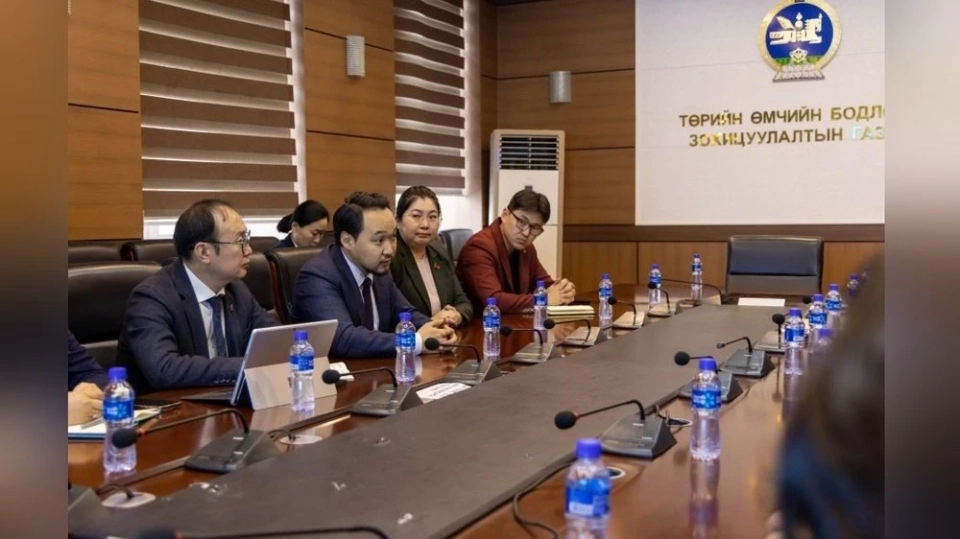
The forum "Countering Money Laundering and Terrorist Financing (AML/CFT): Compliance Requirements - Digital Transition," held on November 27-28, was opened by Mönkhtuyaa Rentsenbat, Executive Director of Khan Bank.
This event was organized jointly with the Bank of Mongolia, the Financial Information Unit (FIU), and the Mongolian Bankers Association (MBA).
Executive Director Mönkhtuyaa emphasized the importance of preventing re-entry into the FATF "gray list," which occurred in 2019 and led to delays in international payments and risks in correspondent banking relationships. Davaadalai Batsuuri, Senior Advisor to the Prime Minister of Mongolia, also noted the significance of "early detection," adding that consistent implementation of control measures on a monthly and quarterly basis will be required to meet the evaluation requirements of 2028.
Batbaatar Batjargal, Head of the Financial Information Department of the Bank of Mongolia, spoke about the country's strategic plan, noting that the third National Risk Assessment (NRA) is currently underway. He stated that preventing re-entry into the "gray list" is a shared responsibility, and the NRA has identified over 200 measures under eight strategic goals to strengthen the AML/CFT system.
He also mentioned that the updated FATF methodology requires evidence of systemic effectiveness, not just the existence of legislation, making it important to build the capacity of judicial and law enforcement bodies, as well as to enhance accountability within the private sector.
One of the key themes of the forum was the shift from retrospective investigations to real-time preventive control. Participants emphasized the need to implement artificial intelligence (AI) and big data technologies for the rapid detection and cessation of suspicious operations, which will help protect Mongolia from financial crimes, as digital transactions occur instantly.
Cybersecurity issues also attracted the attention of high-ranking politicians. Davaadalai noted the rise of internet fraud, especially through social networks, and reported that the Prime Minister has instructed law enforcement agencies to make the necessary improvements. He emphasized the need to create a unified national cybersecurity structure, as the current activities of the police and intelligence are fragmented, and important government decisions will soon be made.
Batbaatar also noted that due to the high level of global risk in the virtual assets sector, Mongolia has conducted a special risk assessment. This requires strict Know Your Customer (KYC) procedures, internal controls, and compliance across the sector. He confirmed that the joint efforts of the Bank of Mongolia, the Financial Regulatory Commission, and law enforcement agencies reflect Mongolia's commitment to preventing global financial risks and maintaining the integrity of the national financial system.
Reference
The Financial Action Task Force (FATF) is an intergovernmental organization working to establish international standards for combating money laundering and terrorist financing (AML/CFT) and assessing the compliance of national systems with these standards.
The main tool of the FATF for implementing its mission is the 40 recommendations on AML/CFT, which are reviewed every five years.
AML/CFT is a system of international measures against money laundering and terrorist financing, involving financial intelligence, supervisory and law enforcement authorities, and intergovernmental structures. A key element of this system is the collection of information on suspicious operations and improper clients in banks and other financial institutions.
Tatar S.Maidar
source: MiddleAsianNews