The government of Mongolia will face a number of problems in 2026 that became a source of concern in 2025.
Throughout 2025, Mongolia experienced difficult times in the political and economic spheres. Frequent protests in the capital, Ulaanbaatar, led to political instability, corruption, and social unrest. In the coming year, the government will need to find solutions to these issues to prevent further slowing of the country's economic growth.
Increasing Political Instability and Social Tension
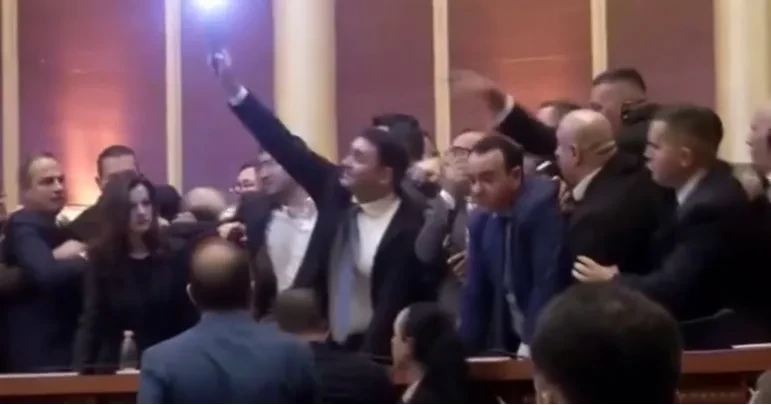
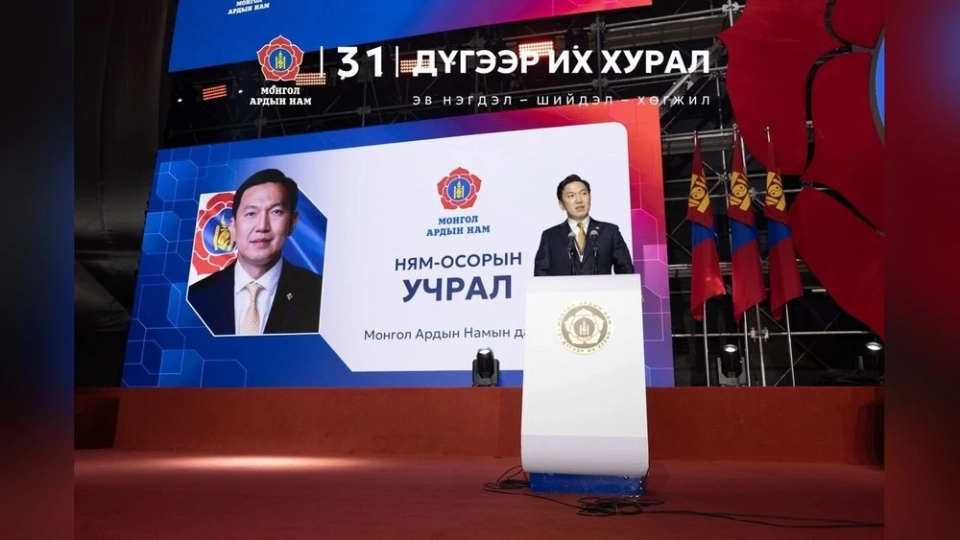
2025 was marked by numerous political and social upheavals in Mongolia. In May, youth protests led to the collapse of the coalition government led by Oyun-Erdene Luvsannamsrai, who pointed to corruption and lack of transparency as the main causes. This crisis deepened conflicts within the Mongolian People's Party (MPP) and provoked a constitutional crisis.
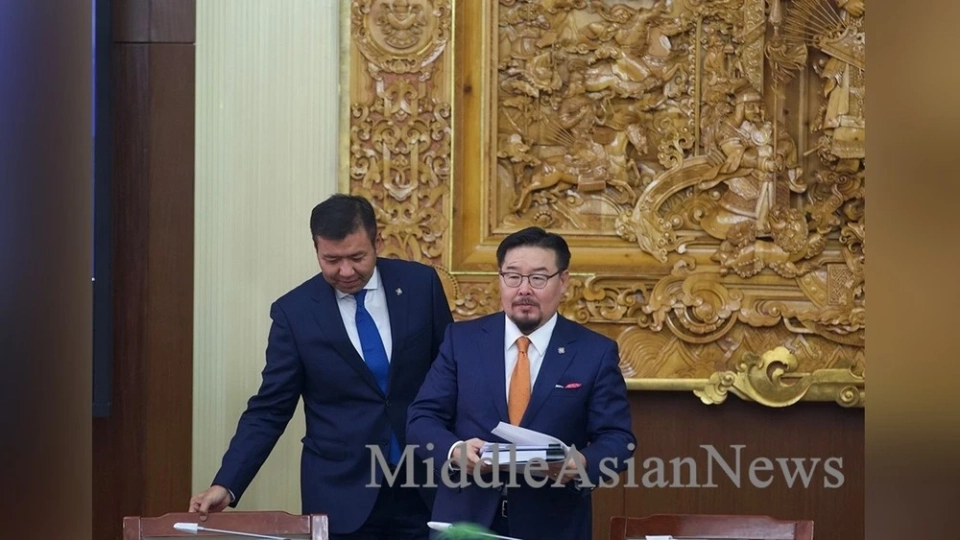
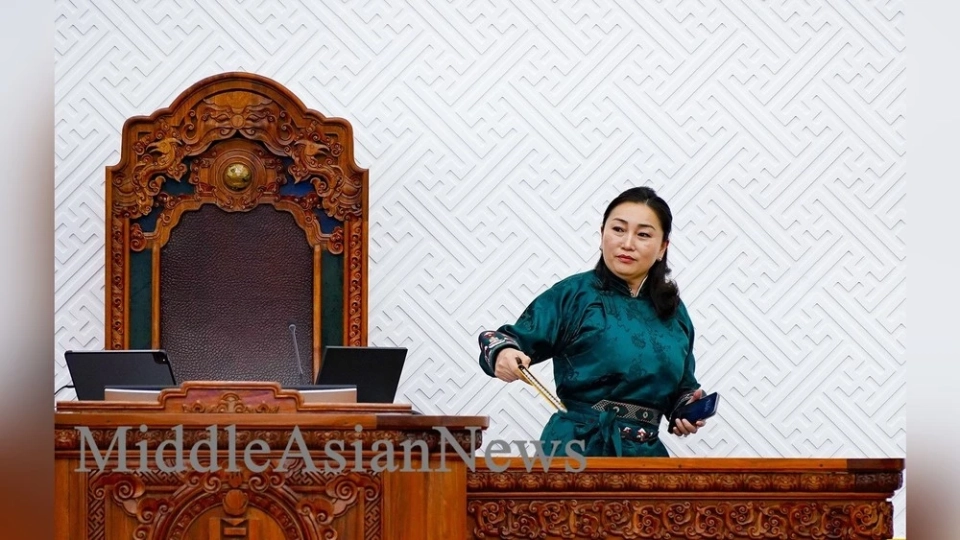
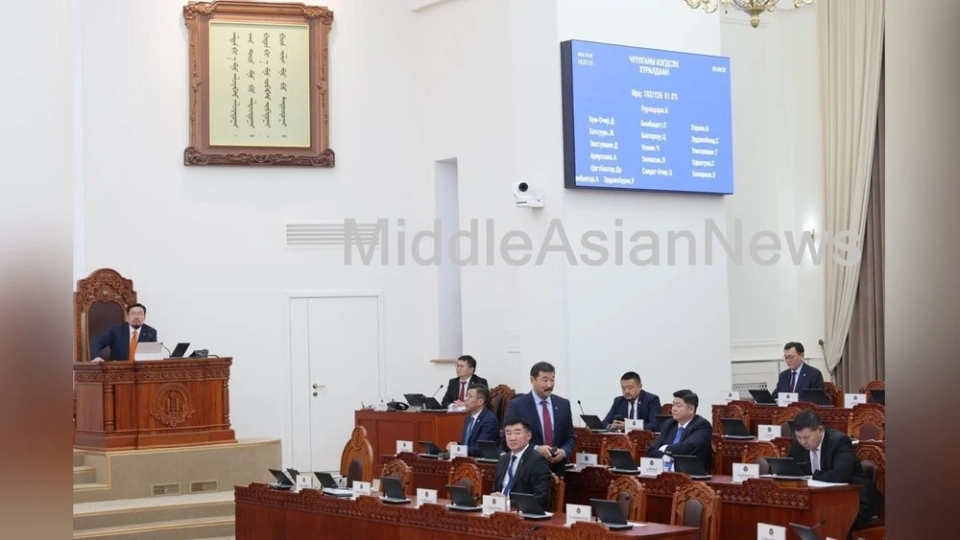
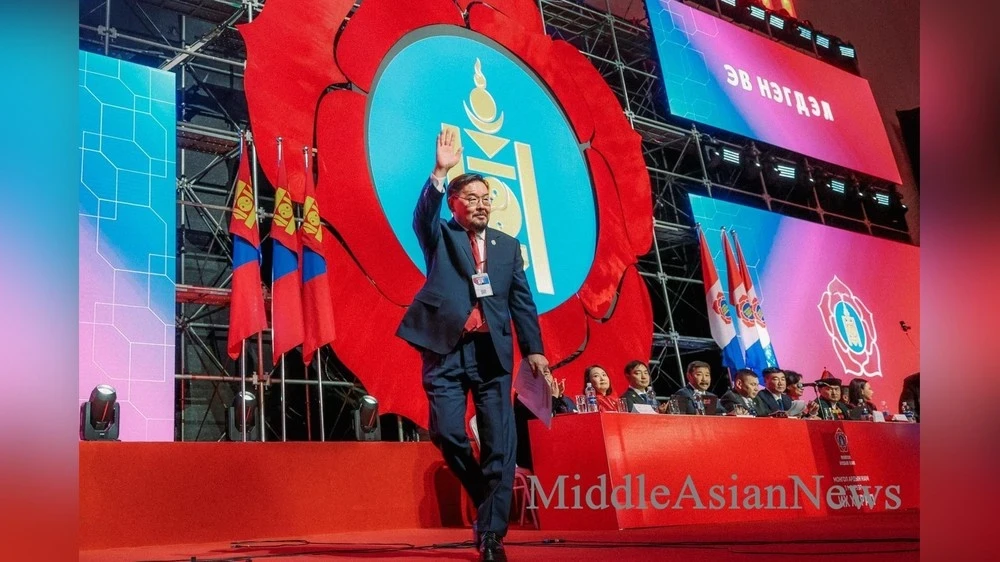
After the resignation of the coalition government, Prime Minister Zandanshatar Gombojav was also removed from office in a parliamentary vote. The new composition of the Great State Khural, consisting of 126 deputies, found itself in a difficult situation due to instability in the executive branch.
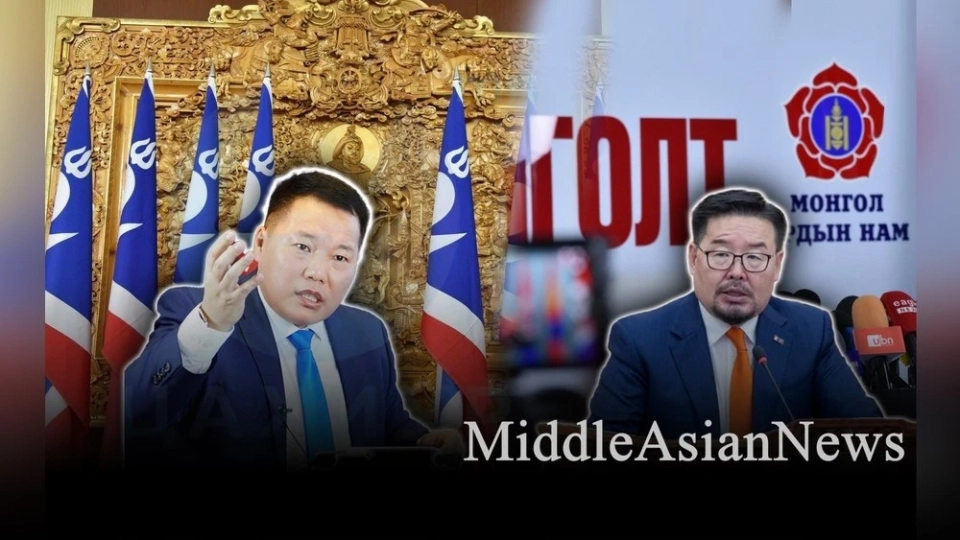
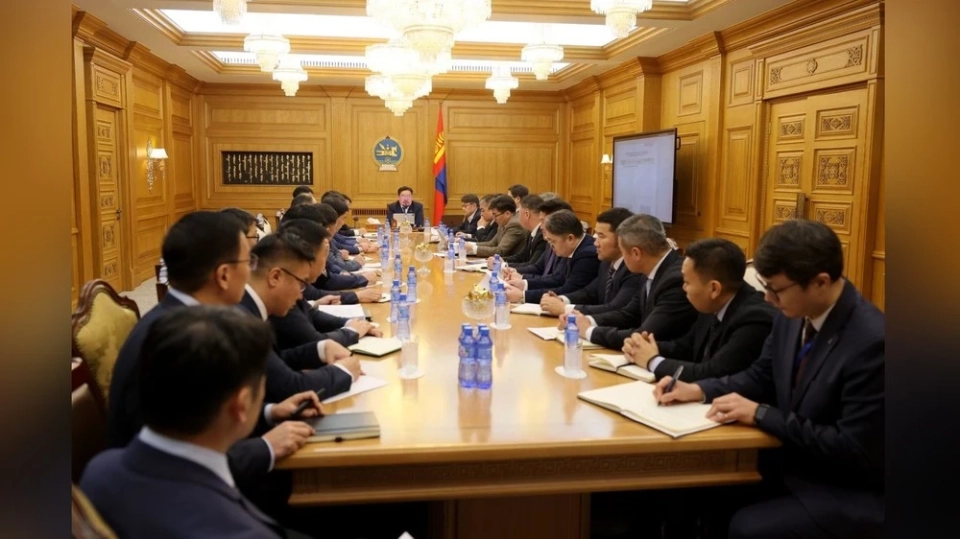
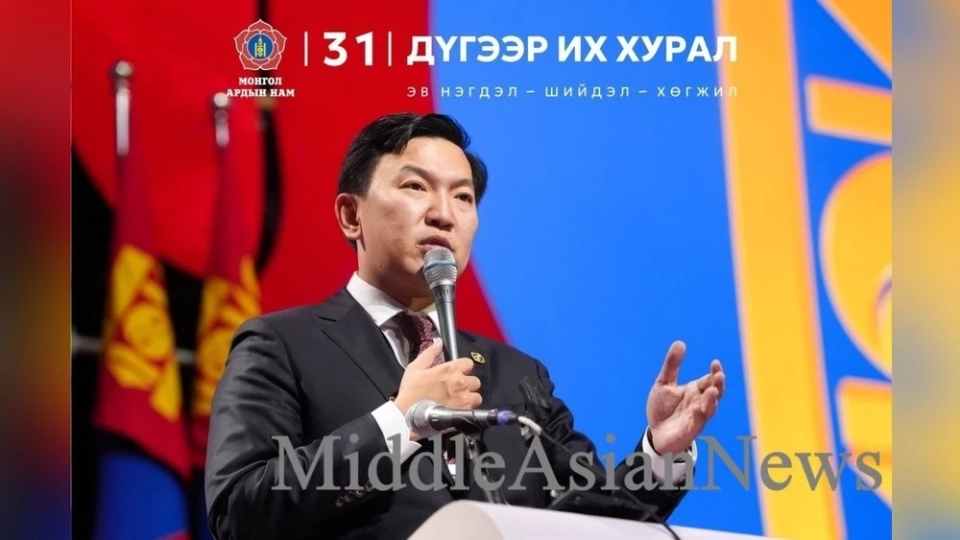
After several weeks of political intrigue within the MPP, at the end of October, Zandanshatar's government was restored. The parliament then began discussing new proposals for the state budget and the appointment of new ministers. In mid-December, the Prime Minister announced the appointment of 16 new deputy ministers, which caused dissatisfaction among the Democratic Party (DP), demanding the cancellation of these appointments.
All these events undermine the foundations of effective governance, political stability, and socio-economic progress in Mongolia.
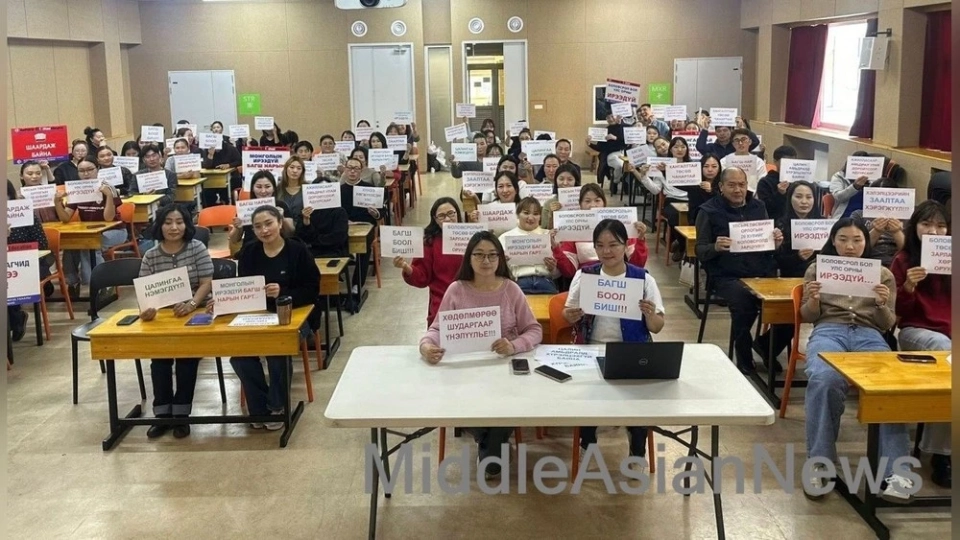
Since the beginning of autumn 2025, strikes and protests among workers have increased in Mongolia. During this period, protests were held by educators and healthcare workers. From September to November, about 59,000 people participated in rallies on various social issues.
Over the past decade, Mongolia has witnessed regular strikes and protests. This indicates the functioning of a democratic mechanism, but also points to the fact that corruption, air pollution issues, and other social problems have become an integral part of modern Mongolian society.
To gain the trust of the population, in November, Zandanshatar's government presented a five-year development plan for Mongolia for 2026-2030. This plan aims at economic stimulation, combating corruption, and improving the investment climate. Domestically, the government intends to focus on investments in human capital, education, and technology. The foreign policy and economic plans of the government align with the long-term document "Vision 2050," developed by Oyun-Erdene Luvsannamsrai's predecessor.
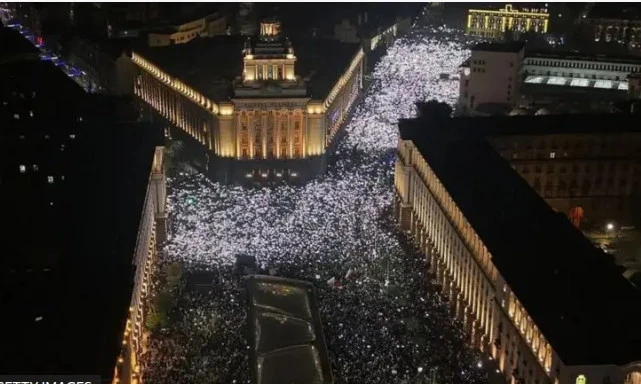
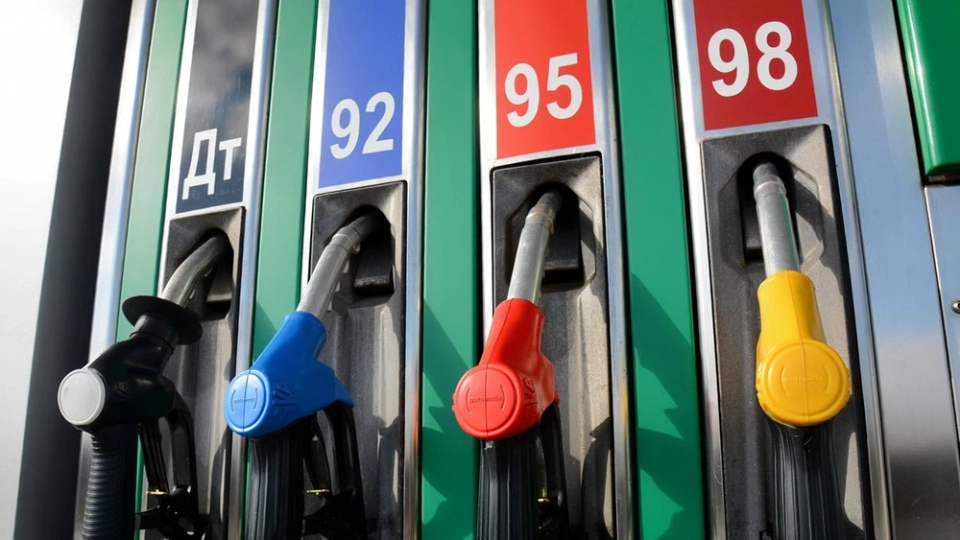
On December 22, 2025, citizens of Mongolia gathered in front of the parliament building demanding solutions to the fuel shortage and rising prices. Reports indicated that residents of the Orkhon and Bulgan aimags were heading to Khövsgöl for fuel. The protest coincided with the appointment of new deputy ministers by Zandanshatar's government, despite promises to reduce government spending. The leaders of the protesters demanded results from the government within a week.
Strengthening Mongolia's Foreign Economic Ties at Regional and International Levels
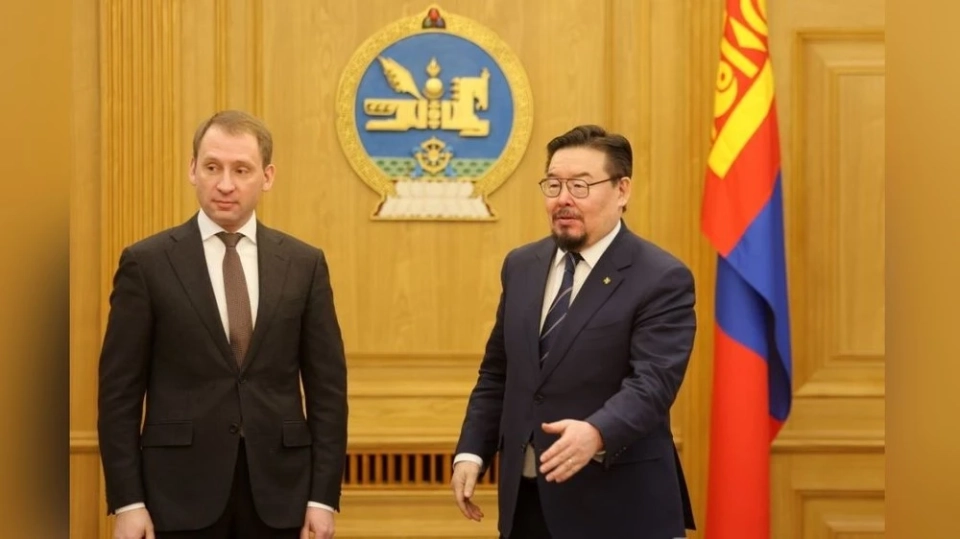
Despite internal political disagreements, Zandanshatar's economic strategy is aimed at expanding ties with Russia and China, as well as attracting investments from third countries.
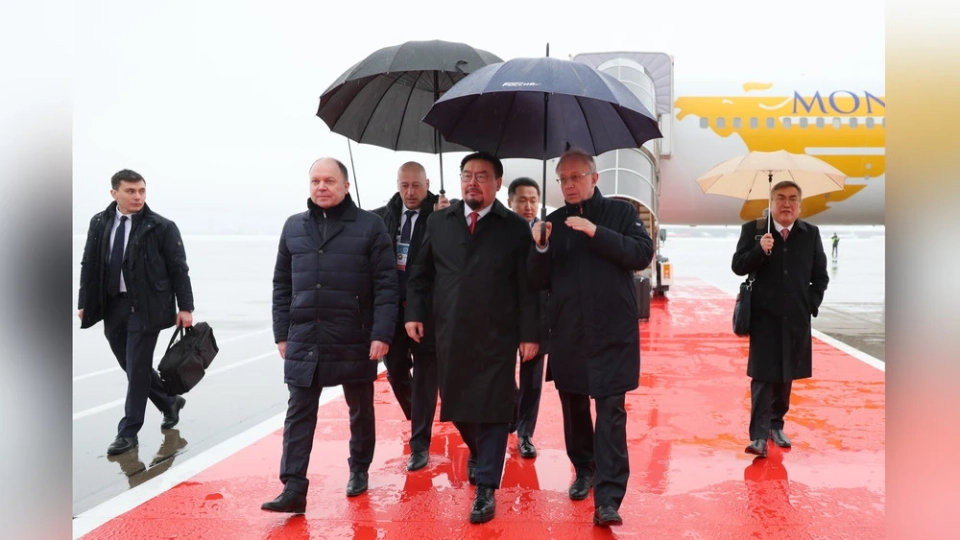
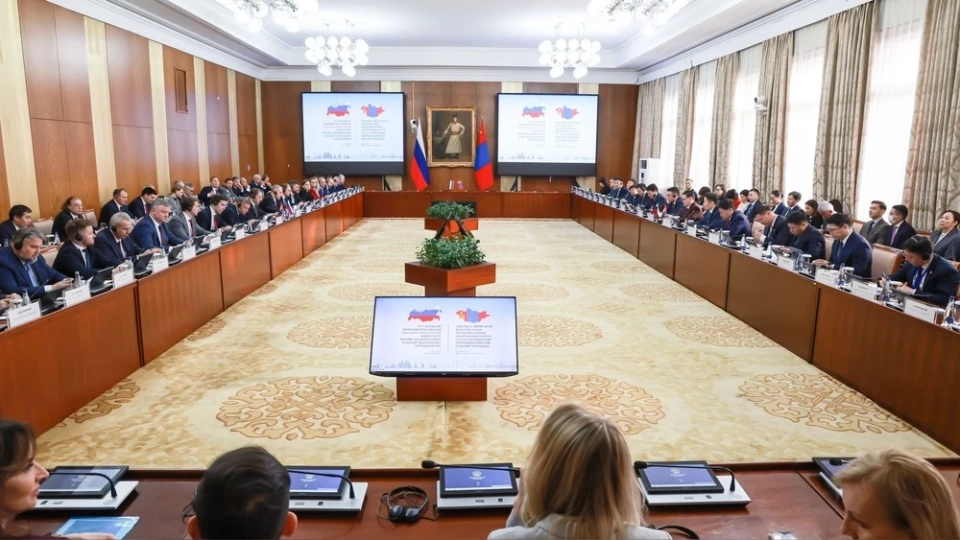
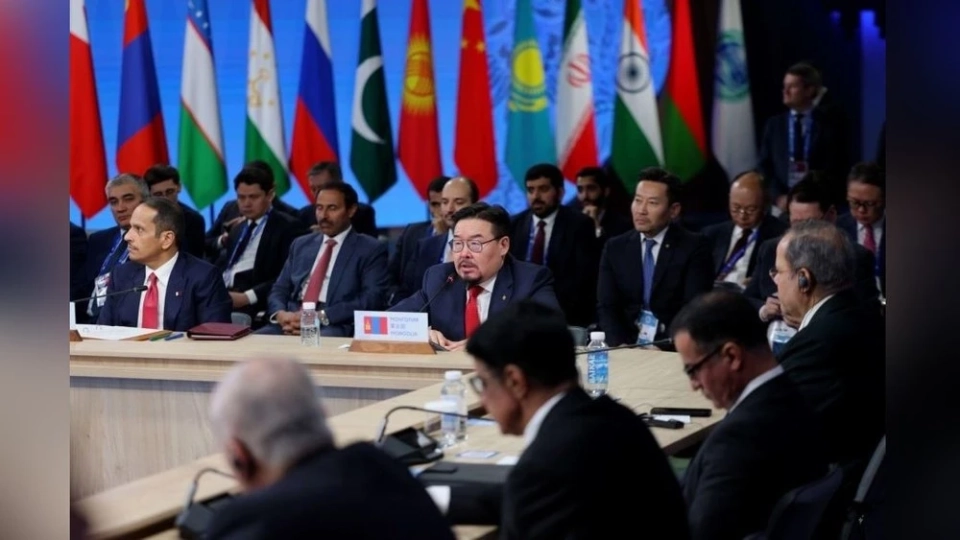
After being restored to office, Zandanshatar participated in a meeting of the Council of Heads of Government of the Shanghai Cooperation Organization (SCO) in Moscow in November.
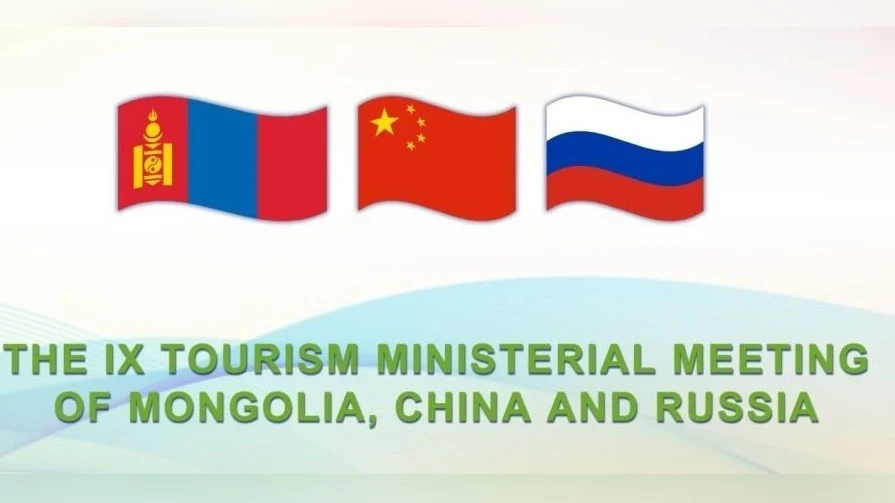
This participation marked a significant step in defining the priorities of regional partnership, starting with the two neighbors. The comprehensive strategic partnership of Ulaanbaatar with Beijing and Moscow aims to deepen economic interaction and identify new mechanisms for cooperation with SCO member states. Zandanshatar also held bilateral meetings with Russian President Vladimir Putin and Chinese Premier Li Qiang.
At the meeting with Putin, issues of economic integration were discussed, including a three-year free trade agreement (FTA) between Mongolia and the Eurasian Economic Union (EAEU). On December 19, the Federation Council of Russia ratified this agreement.
In the fall of 2025, Mongolia faced a fuel shortage, despite government promises of stable supplies from Russia. In negotiations with his Russian counterpart, one of the main priorities was to ensure reliable supplies of diesel fuel. During the 27th meeting of the Mongolian-Russian intergovernmental commission in Ulaanbaatar, Russia agreed to double fuel supplies to Mongolia starting in 2026.
Although Mongolia has a long history of energy relations with Russia, the current fuel shortage and the existence of only a 30-day supply guarantee pose serious risks. This underscores the need to diversify energy sources so that Mongolia can meet its needs in case of prioritization of domestic consumption in Russia.
At the SCO meeting, Zandanshatar also met with Li Qiang. Discussing these issues, Mongolia proposed to increase coal exports to China to 100 million tons. In 2024, coal exports from Mongolia to China reached a record 83.7 million tons.
Since Oyun-Erdene's administration, Mongolia has been using a parallel approach to development within the framework of the "One Belt, One Road" initiative and other projects aimed at improving ties between Mongolian and Chinese investments. This approach could be beneficial for both countries.
Li stated at the meeting that "China is ready to strengthen the alignment of development strategies and expand cooperation in traditional sectors such as mineral and energy resources, infrastructure, and transportation to create more opportunities for aligning interests and cooperation."
Both sides emphasized the importance of "mutual alignment of development and construction plans," such as cross-border railway projects Shiveekhuren-Sekhe, Khangi-Mandal, and Bichigt-Zuunhataavch. In the coming years, cooperation in the field of green energy and digital economy is planned to be intensified.
Within the framework of the SCO and trilateral relations between Mongolia, Russia, and China, the "Power of Siberia 2" project is also being considered. At the November SCO meeting, an Action Plan for 2026-2030, including this gas pipeline, was approved.
Given Mongolia's firm commitment to developing strategic partnerships with neighboring countries, Ulaanbaatar continues to expand cooperation with third countries. Zandanshatar's government must focus on strengthening these ties in political, economic, and cultural spheres.
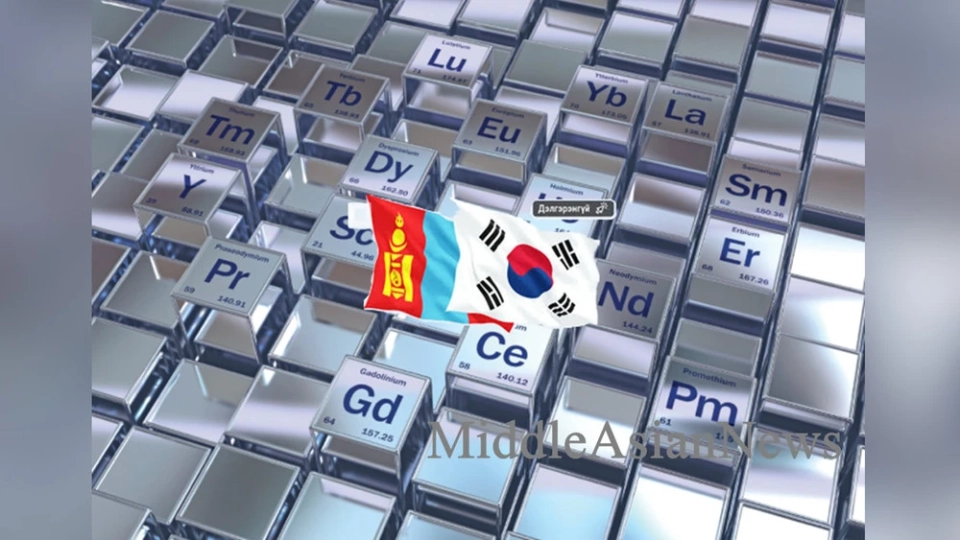
Regionally, Mongolia expects to expand relations with South Korea and Japan in the coming years. Both countries are interested in cooperation in rare earth minerals, which could serve as an economic stimulus for Mongolia and a strategic factor for its foreign policy.
Zandanshatar's government should pay attention to developed democratic "third neighbors," such as Japan, South Korea, the USA, India, Germany, France, and Australia. These partnerships are crucial for diversifying Mongolia's energy sector and developing a "green" economy.
For example, in 2025, Mongolia and South Korea held a strategic forum to deepen cooperation in mining and scientific research. An important step was the opening of the Korea-Mongolia Cooperation Center for Rare Metals in Ulaanbaatar on December 12, 2025.
Overcoming New Challenges: Mining Industry, Corruption, and Foreign Influence
In December, the Mongolian parliament held its first public hearings on the Oyu Tolgoi case, the largest copper deposit in the country, led by MP Batnairamdal Otgonshar. During the three-day hearings, Mongolia's interests were discussed in connection with legal disputes with Rio Tinto.
The investigation addressed issues of state ownership, interest rates on loans, and distribution of benefits. Upon completion of construction in 2030, Oyu Tolgoi will become the fourth largest copper mine in the world. The government is under pressure to ensure that all agreements reflect Mongolia's interests, not just financial benefits.
A 2024 study showed that 26% of Mongolia's population faces multidimensional poverty, and poor individuals lack an average of 36.8% of 15 key indicators. Major difficulties include sanitary conditions, access to the internet, healthcare, and housing.
The use of Mongolia's natural resources could help address these issues.
To attract foreign investments, Zandanshatar's government must actively combat corruption. Despite efforts, Mongolia's position in the Corruption Perceptions Index has not improved since 2019. If measures are not taken to uncover major cases, such as coal theft and embezzlement, it will undermine trust in the judicial system.
2026 could be a turning point for Mongolia's international relations. It has been 15 years since the adoption of the National Security Concept (2010) and the Foreign Policy Concept (2011), and now Mongolia needs to adapt its strategies to the changing geopolitical landscape. In the context of digitalization, it is important for Mongolia to address issues of disinformation and cybersecurity.
On December 18, a study was published on the Russian disinformation campaign in Mongolia and its impact on social media. The results showed that Mongolia's open society has fallen victim to disinformation, and it was also revealed that Mongolia has become a center of foreign influence. The government needs to balance foreign influence and protect citizens' rights to freely express their opinions on foreign and domestic policy issues.
Author: Bolor Lkhaajav — a researcher specializing in Mongolia, China, Russia, Japan, East Asia, and America. She holds a master's degree in Asian-Pacific Studies from the University of San Francisco.
Translation: Tatar S.Maidar
Source: The Diplomat