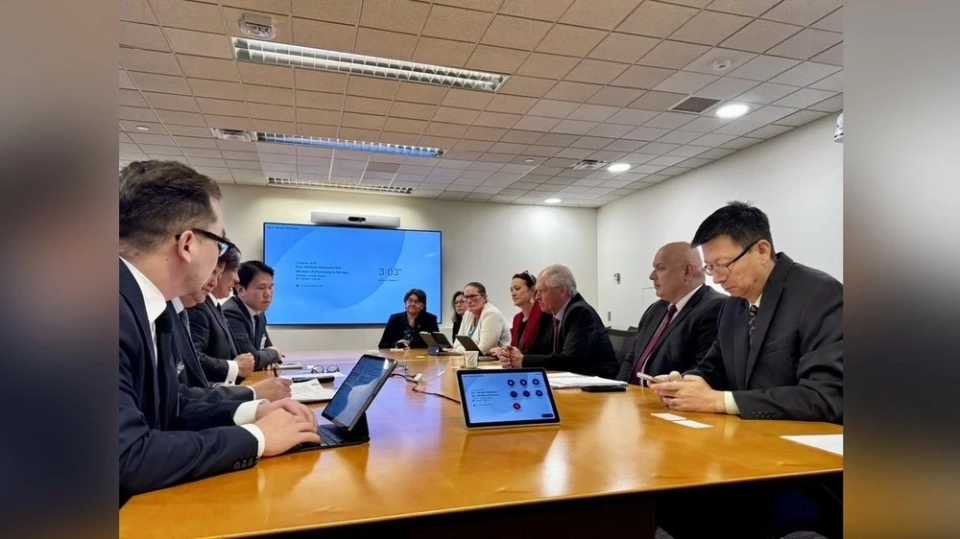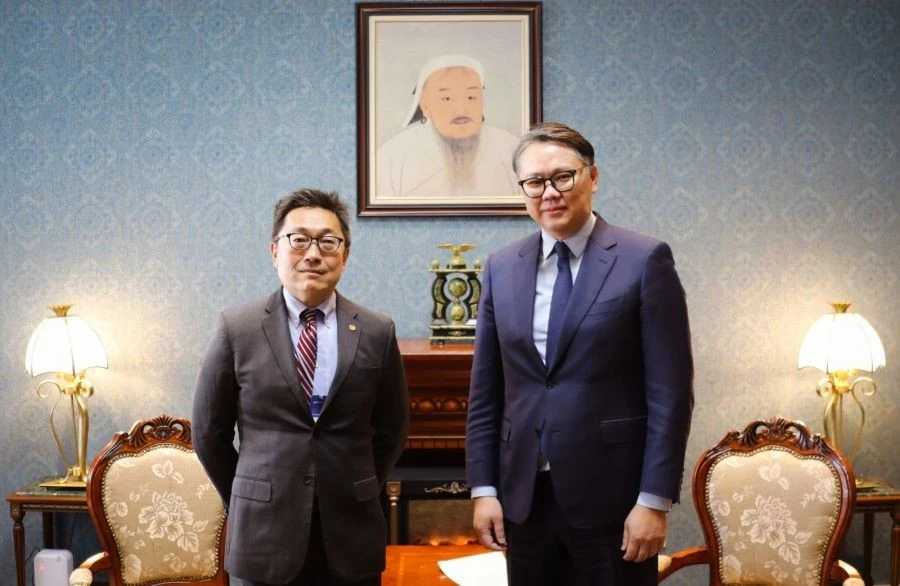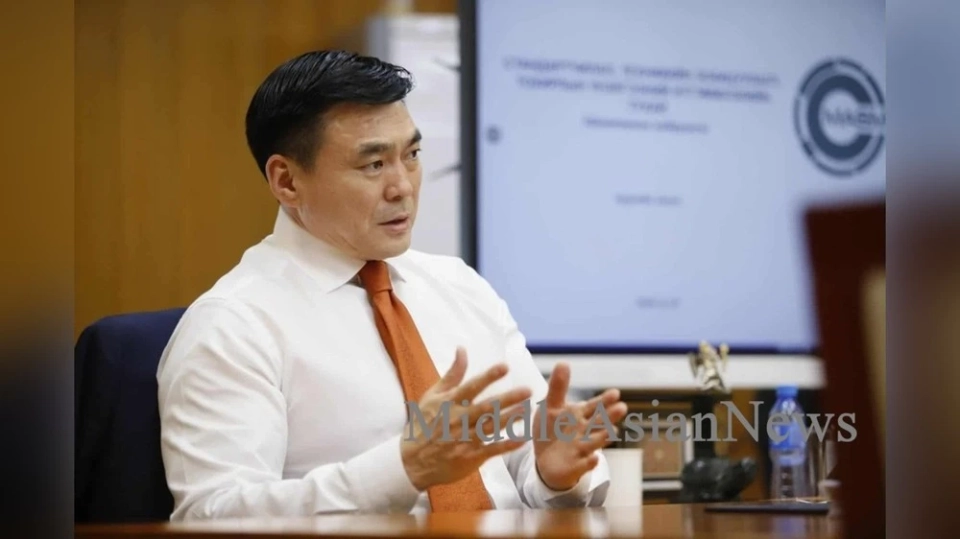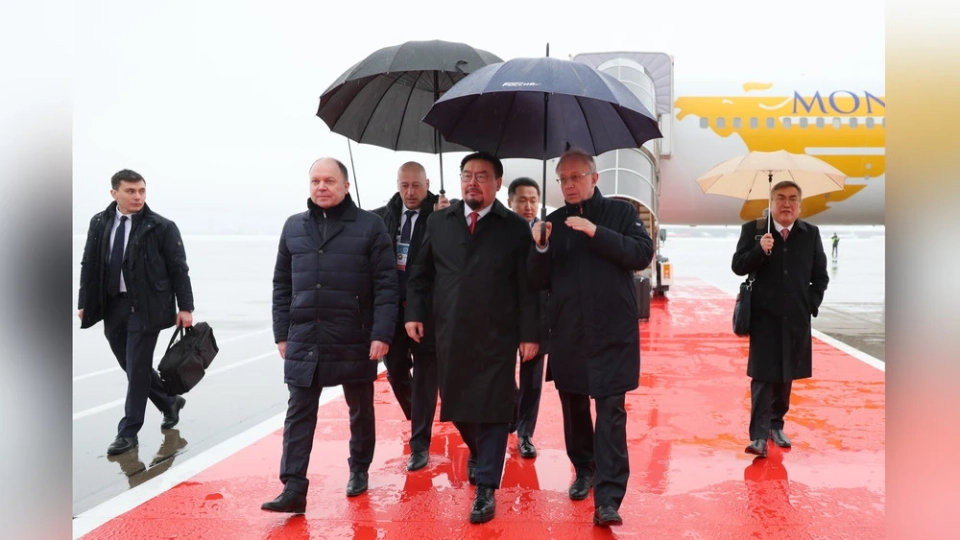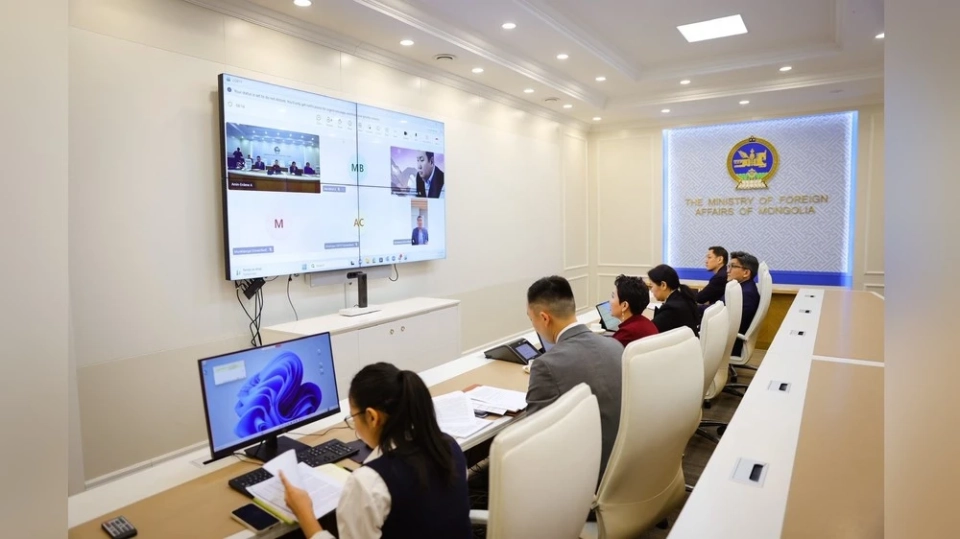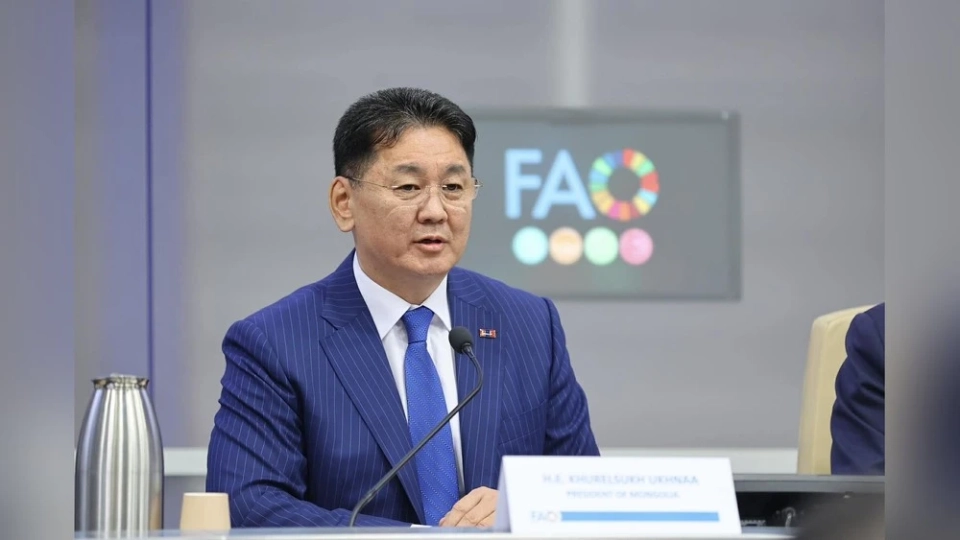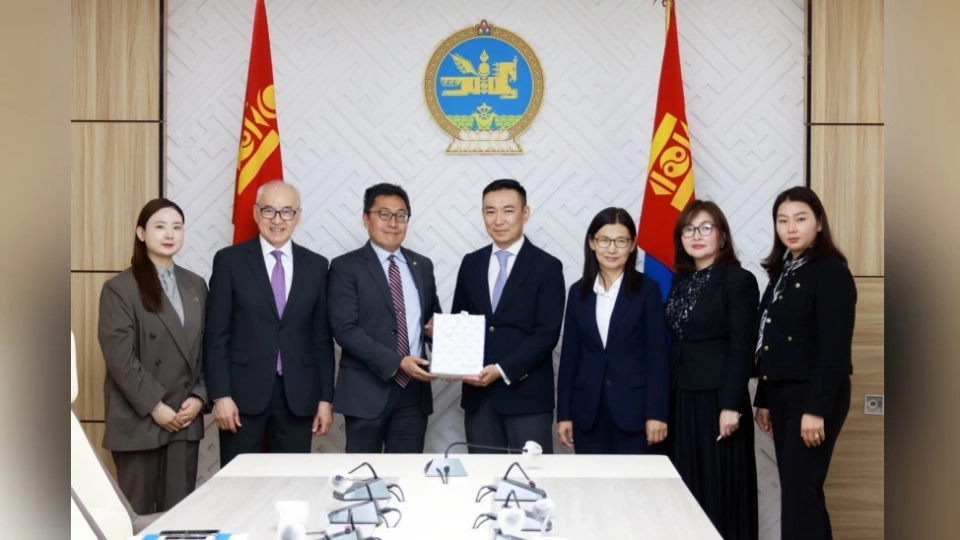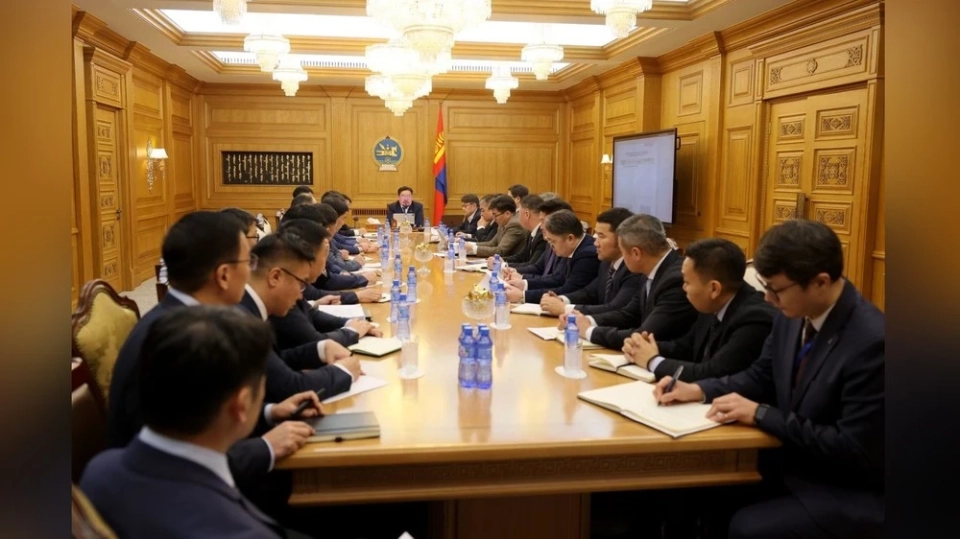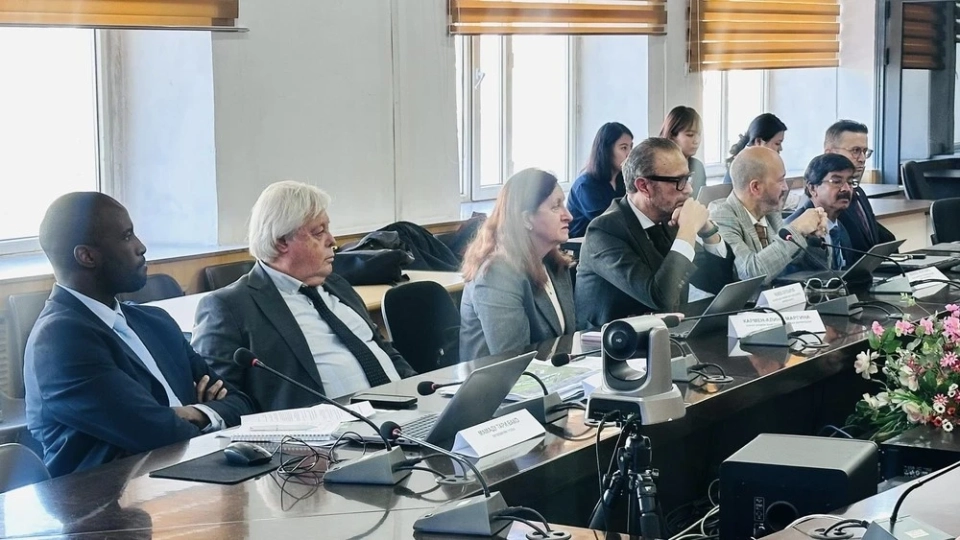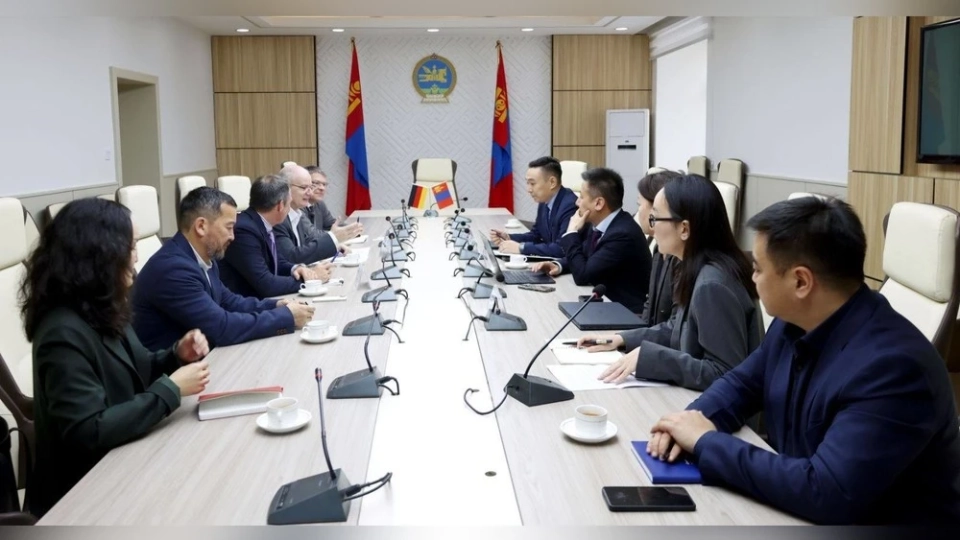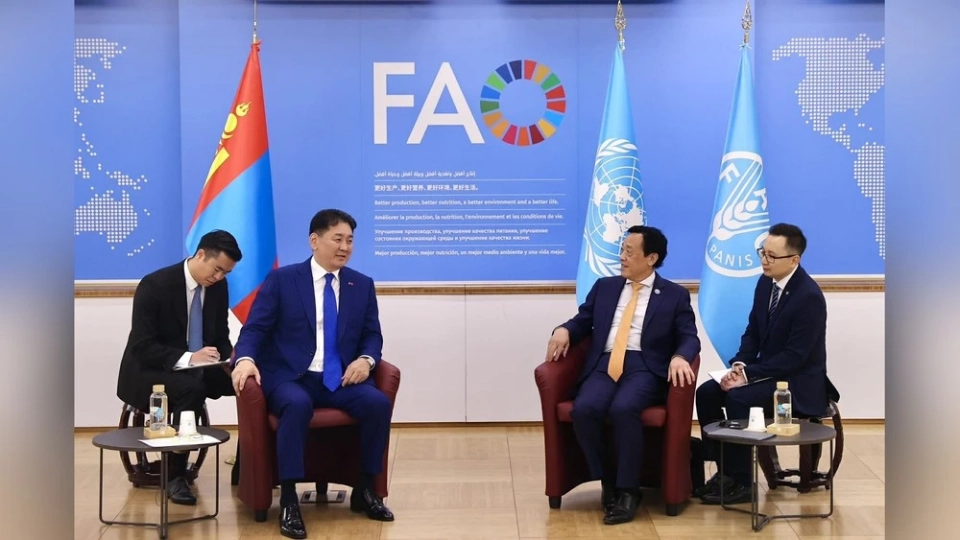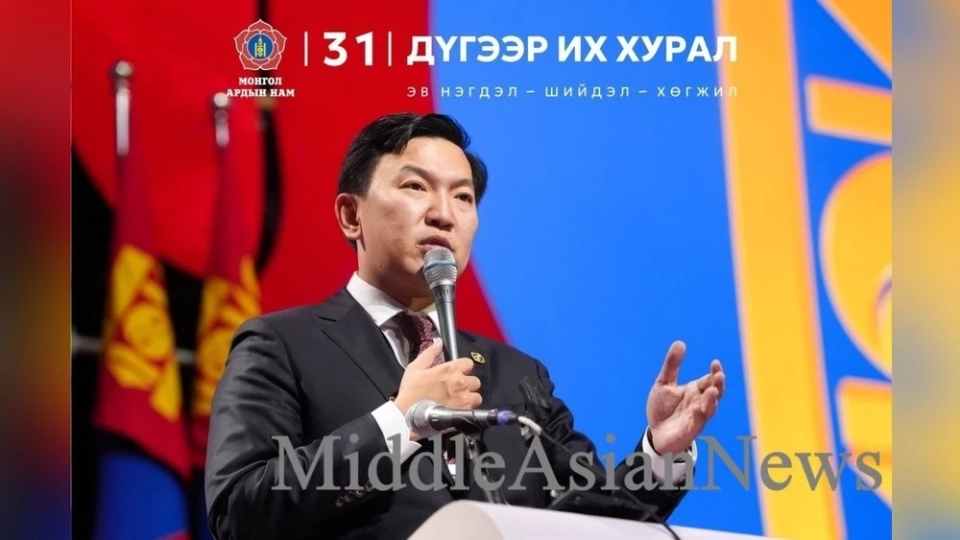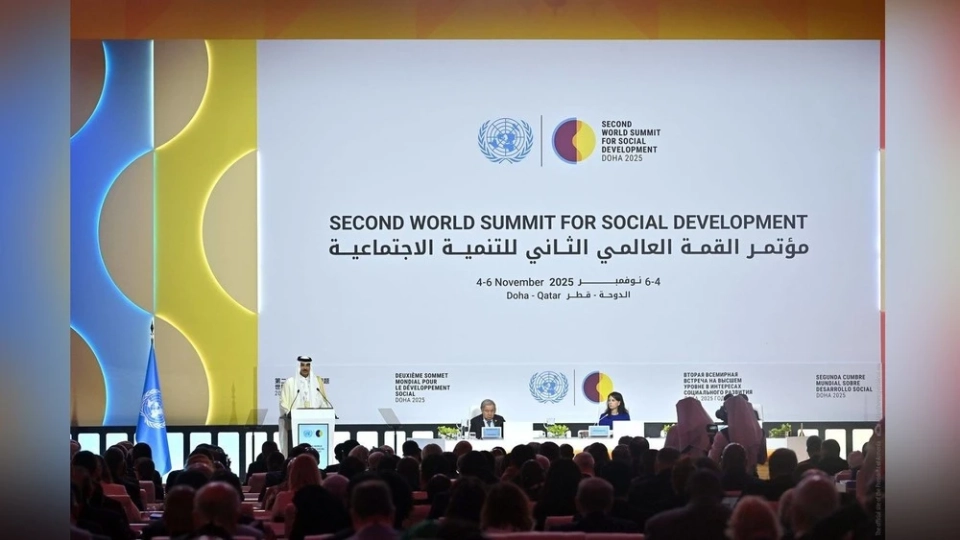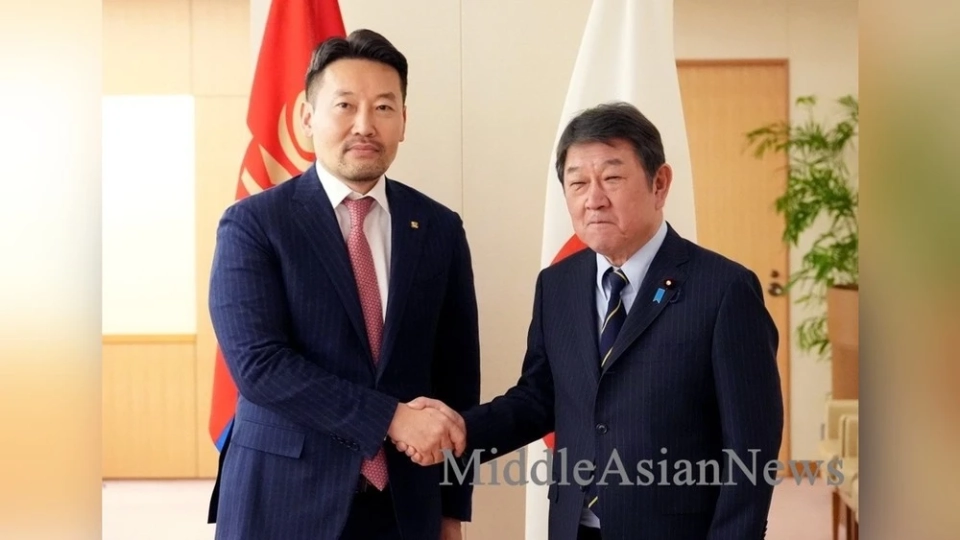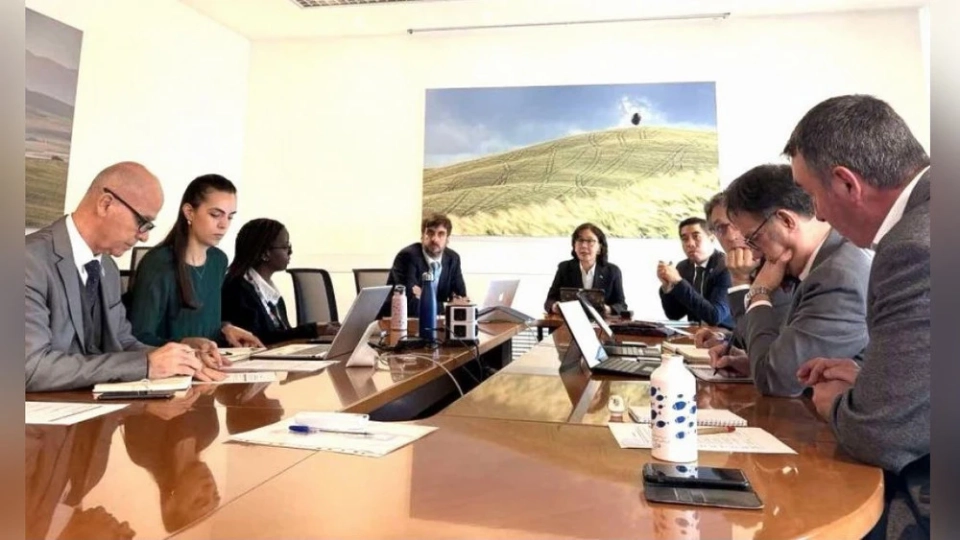
On December 10, the Prime Minister of Mongolia, Oyun-Erdene Luvsannamsrai, met with Jaap van Heerden, the UN Resident Coordinator.
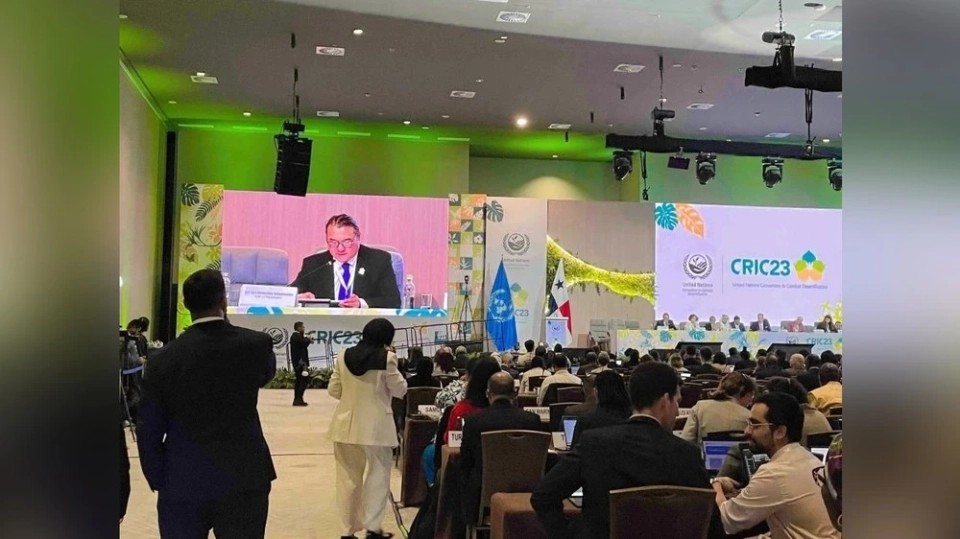
During the discussion, participants raised issues related to accelerating the achievement of the Sustainable Development Goals and preparations for the 17th Conference of the Parties to the UN Convention to Combat Desertification, scheduled for August 2026 in Mongolia.
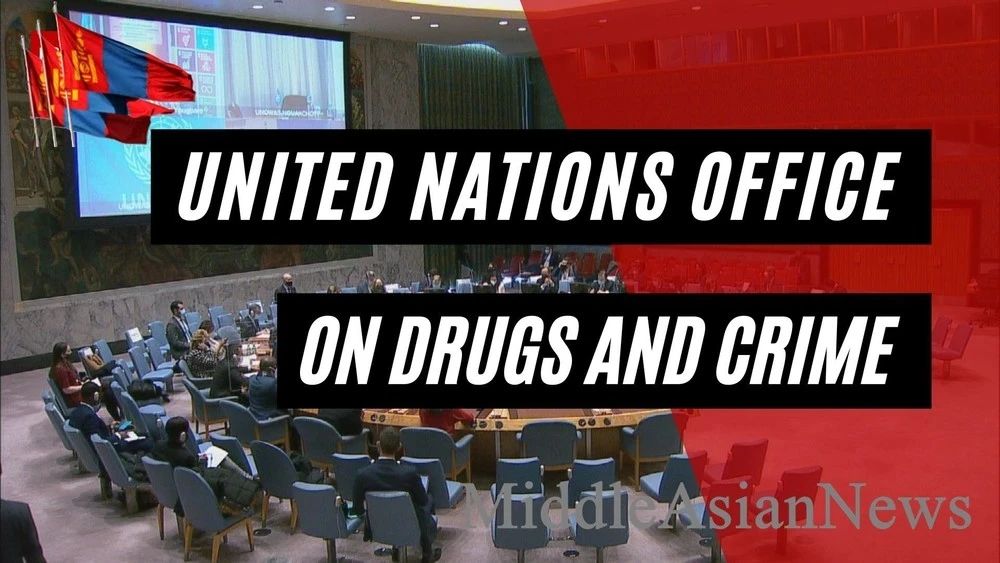
Oyun-Erdene emphasized that the government of Mongolia highly values its cooperation with the UN and announced the start of work on a resolution project aimed at increasing transparency in the financing of political parties and electoral campaigns, within the framework of the UN Convention against Corruption, as well as the establishment of a branch of the UN Office on Drugs and Crime in the country.
Jaap van Heerden expressed readiness to provide full support to Mongolia in addressing current socio-economic issues and successfully organizing the 17th conference, and emphasized the importance of combating social inequality, creating jobs, and supporting the energy and digital transition.
The UN Office on Drugs and Crime, established in 1997 as a result of the merger of the UN Drug Control Programme and the Centre for International Crime Prevention, is the leading organization in the fight against illegal drugs and international crime. It operates through a network of regional offices and is primarily funded by voluntary contributions from member states.

Key areas of work for the UNODC:
Regional technical projects aimed at strengthening the capacities of states to combat drugs, crime, and terrorism.
Research and analytical work for a deeper understanding of drug addiction and crime issues, enabling informed decision-making and policy formulation.
Normative activities to support countries in ratifying international treaties and developing domestic legislation in the areas of drugs, crime, and terrorism.
UNODC actively promotes gender equality, especially within projects related to alternative development and combating human trafficking.
Main areas of work for UNODC:
Organized crime and illegal trade. UNODC assists countries in countering security threats related to human trafficking, drug smuggling, and other crimes.
Corruption. The Office collaborates with various organizations to combat corruption that hinders economic development and helps countries recover assets stolen by corrupt individuals.
Crime prevention and criminal justice reform. UNODC promotes the development of standards that ensure justice for the accused and victims of crime.
Preventing drug abuse and safeguarding health. UNODC conducts educational campaigns aimed at preventing drug addiction and assisting those affected.
Counter-terrorism. UNODC offers long-term assistance in investigating terrorism-related cases.
The Executive Director of UNODC, Yuri Fedotov, noted: "If UNODC offers services that you need or wish to support, reach out to us. Together, we can improve safety and quality of life for people around the world."
Given the global challenges, requests for cooperation with UNODC continue to grow, enhancing security and quality of life for people in many countries.
Tatar S.Maidar
source: MiddleAsianNews